
Neon diners, vintage motels, and desert highways stretch across eight states in a journey that defined freedom for generations. Route 66 isn’t just pavement—it’s a living museum of American culture, history, and roadside quirk. From Chicago’s bustling start to the Pacific glow of Santa Monica, every mile tells a different story. Planning the right stops, knowing what’s faded and what’s thriving, and timing your drive can make all the difference. Whether it’s kitschy landmarks, ghost towns, or scenic detours you’re after, this guide maps out the essential experiences and practical tips to make your cross-country adventure unforgettable.
Dawn at Gemini Giant Photo Stop
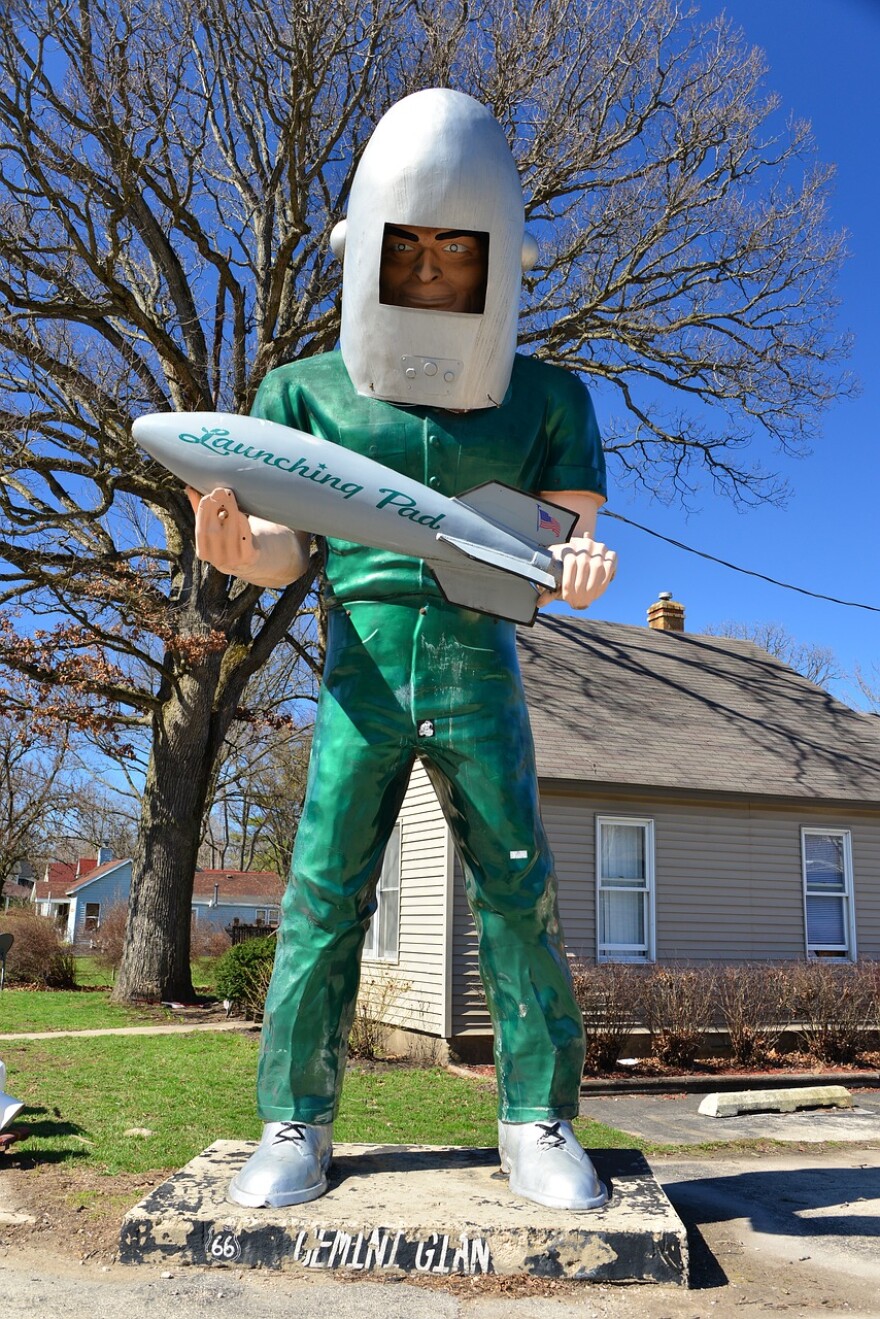
Morning light hits differently in Wilmington, Illinois—especially when the towering Gemini Giant greets early risers with a silent, space-age salute. This fiberglass muffler man, a Route 66 icon since the 1960s, stands outside the now-closed Launching Pad Drive-In, and offers a nostalgic snapshot of America’s fascination with the space race. Arriving at dawn means minimal crowds and a golden backdrop perfect for photography. The surrounding town stays quiet, giving travelers a moment to appreciate the stillness and quirky roadside charm before the day’s journey begins. Bring a wide-angle lens for full-body shots or zoom in on the weathered features of his helmet for vintage close-ups. Street parking is available nearby, and the location is easily accessible right off the highway. Though the restaurant behind him is no longer operational, the giant continues to stand tall as a beloved symbol of Route 66’s heyday. For road trippers documenting their journey, it’s a can’t-miss stop that requires only a few minutes but leaves a lasting impression. With early morning sunlight casting long shadows, it’s also one of the best times to get an unobstructed view without modern distractions. This quick detour kicks off your classic Route 66 adventure with kitschy Americana charm.
Route 66 E‑Bike Town-to-Town Ride
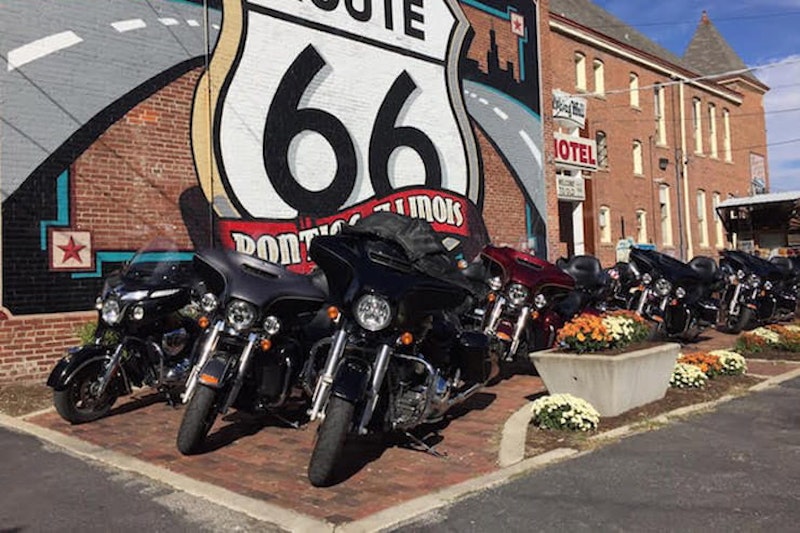
Pedaling along Route 66 on an e-bike opens up a new layer of appreciation for the iconic highway’s slower rhythm. Between Joliet and Pontiac in Illinois, this ride offers a mix of rural scenery, historic murals, and small-town hospitality that’s often missed when viewed through a car window. Riders glide past weathered barns, vintage gas stations, and colorful diner signs—all while avoiding the fatigue that comes with traditional cycling. E-bikes allow for flexibility: pause spontaneously for a mural photo op or detour into a mom-and-pop café for a quick pie slice. The trail is mostly paved and flat, with designated biking lanes in certain towns, making it beginner-friendly. In Pontiac, the Route 66 Hall of Fame and Museum makes for a worthwhile cultural stop, offering insight into the stories behind the road. Riders are advised to carry a power bank for their phones and check charging stations available in towns. Safety-wise, a helmet and visibility vest are essential, especially near traffic-heavy stretches. For travelers keen on engaging with Route 66 beyond windshield views, this town-to-town e-bike experience delivers a deeper, more personal encounter with Midwestern Americana, all while maintaining a breezy, eco-conscious pace.
Pops Soda-Bottle Neon Break
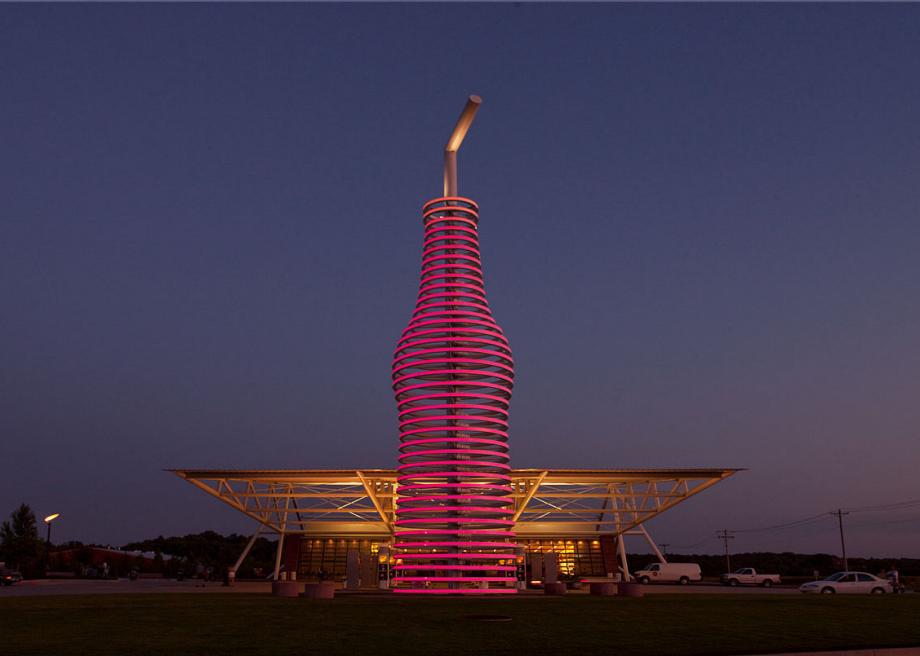
Driving into Arcadia, Oklahoma, you can’t miss the towering 66-foot soda bottle sculpture glowing outside Pops. With more than 700 flavors of soda lining its glass walls, this modern Route 66 stop blends kitsch with contemporary cool. Daylight hours offer Instagram-worthy angles of the colorful bottles arranged in rainbow gradients, while evening visits reward travelers with neon light shows that pulse against the night sky. From classic root beer to novelty flavors like sweet corn or buffalo wing, Pops invites both sips and surprises. For those collecting souvenirs, branded merch and hard-to-find international sodas make quirky additions to the road trip stash. The on-site diner serves up reliable American fare, from burgers to shakes, with soda floats naturally being the highlight. Outside, covered picnic tables and plenty of open space offer a great spot to stretch your legs. There’s ample parking even for RVs, and clean restrooms make this an ideal refresh stop. Whether you’re craving a sugar rush, a break from the wheel, or just want a vibrant photo under that glowing bottle, Pops delivers in spades. It’s the kind of stop that kids, collectors, and casual tourists alike remember long after the last fizzy sip.
Abraham Lincoln Heritage Pull‑In

Route 66 intersects with American history in Springfield, Illinois, where the spirit of Abraham Lincoln lingers at every corner. A quick pull-in near the Lincoln Home National Historic Site brings road trippers face-to-face with the only home Lincoln ever owned—preserved with original furnishings and nestled in a quiet, pedestrian-only block. Free ranger-led tours are available, offering deep insights into Lincoln’s family life and pre-presidency struggles. For those short on time, walking the surrounding neighborhood still provides a meaningful glance into 19th-century architecture and preserved streetscapes. Within walking distance lies the Lincoln Presidential Library and Museum, where immersive exhibits and holographic storytelling bring Honest Abe’s legacy to life. Street parking is available nearby, though spots fill quickly in peak season. The site also connects travelers with Lincoln’s Tomb and Old State Capitol just a few minutes’ drive away. With plaques, statues, and restored buildings dotting the area, this detour transforms a simple drive into a brush with foundational American history. For photography lovers, golden-hour visits offer soft light and fewer crowds. Whether you’re a history buff or simply seeking context beyond the concrete, Springfield’s Lincoln heritage stop adds depth and national significance to your Route 66 narrative.
Gateway Arch Framed Mile Marker Shot
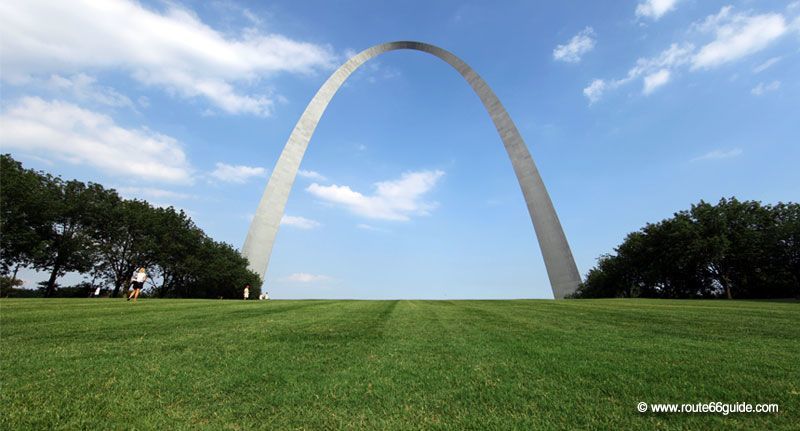
St. Louis delivers an unmistakable Route 66 moment when the Gateway Arch appears framed against the sky. Positioned near the riverfront, this soaring stainless-steel monument rises 630 feet and offers a perfect photographic anchor to mark your mileage progression along the Mother Road. For the best shot, head to Malcolm W. Martin Memorial Park across the Mississippi River in East St. Louis, where the arch is perfectly centered with the downtown skyline. Bring a wide-angle lens and tripod—sunrise and sunset both provide striking backdrops. While the park is peaceful and often uncrowded, safety is best in daylight hours. For those with time to spare, the Arch’s tram ride offers panoramic city views from the top, while the museum below gives context on westward expansion and Lewis & Clark’s journey. This stop also positions travelers near historic Laclede’s Landing and the Old Chain of Rocks Bridge, another Route 66 relic worth a glance. Though Route 66 originally bypassed the Arch, modern travelers now see it as a visual landmark linking the East to the adventure that lies west. Whether you’re mapping your journey or curating content, this viewpoint makes for one of the most striking stops on the entire route.
Meramec Caverns Underground Tour
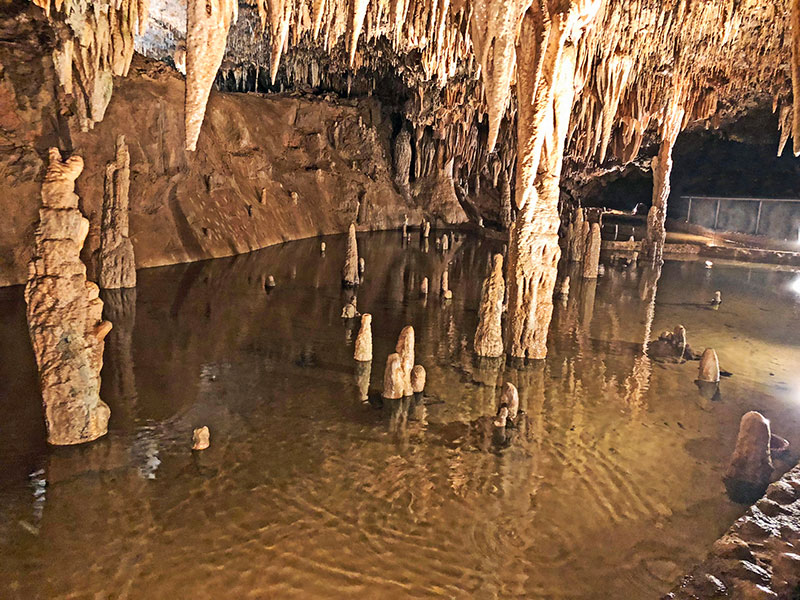
Tucked beneath the Missouri hills, Meramec Caverns unveils a subterranean spectacle that’s lured Route 66 travelers since the 1930s. Stretching over 4.6 miles, these ancient limestone caves offer a cool, colorful contrast to the heat and dust of the open road. Guided tours reveal dramatic mineral formations, cathedral-like chambers, and even remnants from Civil War outlaws—Jesse James is rumored to have used the caverns as a hideout. Lighting effects highlight the stalactites and stalagmites, and the finale includes a patriotic light show reflected on an underground lake. The cave maintains a constant 58°F, making it a refreshing midday detour. Visitors can grab tickets on-site or online, and tours run frequently throughout the day. Outside the cave, picnic areas, zip lines, and a gift shop give families a chance to unwind and explore further. This spot’s roadside billboards—once famously painted on barns for miles—remain part of Route 66 lore. Located just off the highway near Stanton, it’s easily accessible for all vehicle types. With its blend of geological wonder and quirky roadside nostalgia, Meramec Caverns adds a timeless chapter to any classic American road trip. Don’t forget a jacket and walking shoes—this underground world invites exploration beyond surface-level stops.
Blue Whale of Catoosa Photo‑Op

Just outside Tulsa, Oklahoma, a whimsical blue whale emerges from a pond, offering one of Route 66’s most beloved and surreal roadside attractions. Built in the early 1970s as a gift from Hugh Davis to his wife, this smiling aquatic giant quickly evolved into a must-stop destination for travelers of all ages. The whale once served as part of a family-run swim park, complete with slides and diving boards—though swimming is no longer allowed, the structure remains fully walkable. Visitors can climb into the whale’s mouth or pose under its tail for playful, retro-inspired photos. The surrounding park features picnic tables, shaded areas, and vintage signs that add to the nostalgia. Entry is free, and the parking lot is RV-friendly, making it a convenient and low-effort break from the road. Kids love the cartoonish design, while adults appreciate the throwback vibe and unique character. The small on-site gift shack sometimes sells Route 66 memorabilia and local snacks, adding to the charm. For a dose of Americana that’s equal parts quirky and heartwarming, the Blue Whale of Catoosa delivers an iconic slice of roadside joy—proof that not every great stop needs a ticket booth or long lines.
Cadillac Ranch Spray‑Art Pit‑Stop
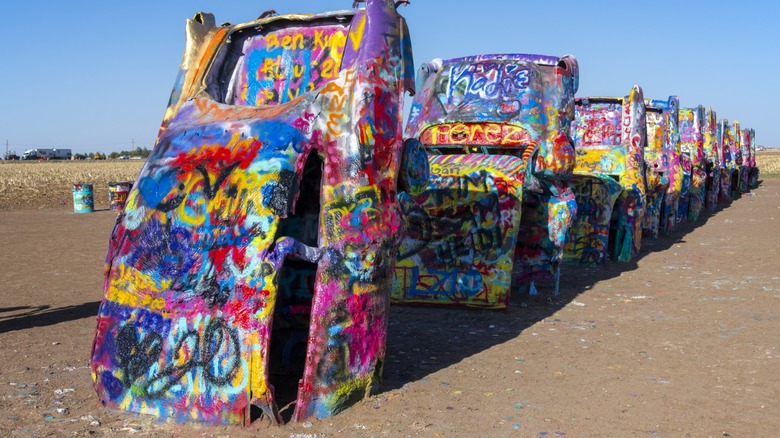
A few miles west of Amarillo, Texas, ten vintage Cadillacs stand half-buried nose-first in the desert, covered in decades of graffiti and spray-paint layers. Cadillac Ranch isn’t just a photo stop—it’s an open invitation to leave your mark on a Route 66 legend. Originally installed in 1974 by a group of artists known as Ant Farm, this public art installation symbolizes American freedom, excess, and automotive culture. Visitors are encouraged to bring their own spray paint or pick some up from vendors nearby to contribute to the ever-changing collage. The site is accessible via a short walk from the roadside parking lot and remains free to the public 24/7. Footwear with good grip is recommended, especially after rain, when the ground can turn muddy. Bring water and sun protection, as there’s no shade in sight. While the cars constantly evolve with layers of color and messages, the creative energy and spontaneous vibe remain consistent. This pit stop stands out for its interactive nature—more than just observing, you become part of the installation. Whether you leave behind a name, a doodle, or a bold color splash, Cadillac Ranch lets every traveler tag their presence on the canvas of the open road.
Delgadillo’s Snow Cap Banter Lunch

In Seligman, Arizona, nostalgia doesn’t just live—it jokes with you through a drive-in window. Delgadillo’s Snow Cap is more than a quirky burger joint—it’s a living piece of Route 66’s comedic soul. Founded in 1953 by Juan Delgadillo using scrap lumber, the eatery quickly earned fame for its offbeat décor and playful service. Expect humorous signs like “Sorry, we’re open” and fake doorknobs on the wrong side. The menu includes diner classics—cheeseburgers, malts, and chili dogs—served with a side of light-hearted pranks. Whether it’s receiving mustard that sprays string or napkins handed through the roof, expect the unexpected. Inside, the walls are plastered with stickers, business cards, and foreign currency left by visitors from around the globe. Outside, vintage cars and a zany photo-op booth complete the retro vibe. Seating is casual with shaded picnic tables, and parking is ample for all vehicle sizes. The Delgadillo family continues to run the operation, preserving its legacy as a humorous heartbeat of Route 66 culture. Beyond the laughs, the food holds its own, making this stop as satisfying to the palate as it is to the spirit. This roadside relic keeps travelers grinning long after the last bite.
Oatman Wild Burro Street Walk

Dust swirls through Oatman, Arizona, where time pauses and burros wander freely along the wooden sidewalks. Once a booming gold-mining town, Oatman now thrives as a living relic on Route 66—complete with saloon shootouts, old-timey storefronts, and feral donkeys descended from miners’ pack animals. The burros roam the streets, often poking their heads into shops or nuzzling tourists for treats. While feeding is allowed, vendors sell approved snacks to keep the animals safe. Twice daily, actors stage comedic gunfights in the middle of Main Street, entertaining visitors with frontier flair. Souvenir stores sell everything from sarsaparilla to handmade leather goods, and there’s no shortage of photo ops with burros or Old West buildings. Parking can get tight on weekends, so arriving early helps. The road into Oatman is narrow and winding, but the payoff is a deeply immersive Wild West atmosphere you won’t find elsewhere on Route 66. For travelers looking to break away from the expected, this town delivers a strange-but-charming interlude filled with animal encounters, dusty drama, and genuine Arizona grit. It’s not just a stop—it’s a staged time slip that feels oddly authentic and whimsically unforgettable.
Roy’s Motel & Café Googie Neon Stay
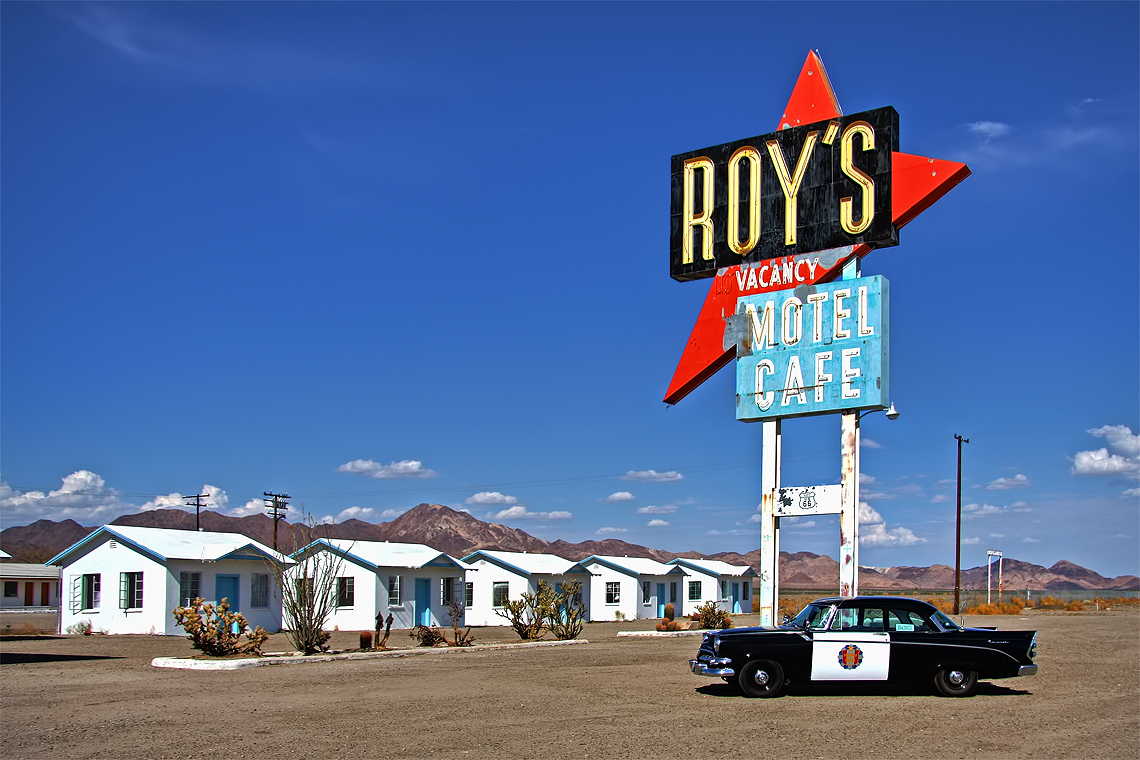
Midway through the Mojave Desert, the stark skyline of Amboy, California, is pierced by the glowing retro signage of Roy’s Motel & Café. Its bold Googie-style neon, a hallmark of post-war futurism, draws travelers off the desolate stretch of Route 66 like a beacon from another time. Though the motel rooms no longer accommodate overnight guests, the site has been meticulously preserved, and restoration efforts keep its mid-century charm alive. The gas station is operational, and visitors can grab bottled drinks, souvenirs, and Route 66 mementos inside the small shop. What makes this stop unforgettable is the surreal desert backdrop—endless arid land, railroad lines, and the silhouette of a long-defunct volcanic crater. At dusk, Roy’s iconic neon comes alive, casting cinematic light across the pavement for those lucky enough to catch it. Professional and hobbyist photographers often plan evening shoots here to capture the iconic scene with glowing signage, vintage architecture, and Route 66’s double-yellow line fading into the horizon. Limited cell service adds to the off-grid feel, so come prepared. Roy’s isn’t just a visual landmark; it embodies the spirit of a bygone era when the road was king and motels promised more than just rest—they offered a story.
Elmer’s Bottle‑Tree Ranch Finale
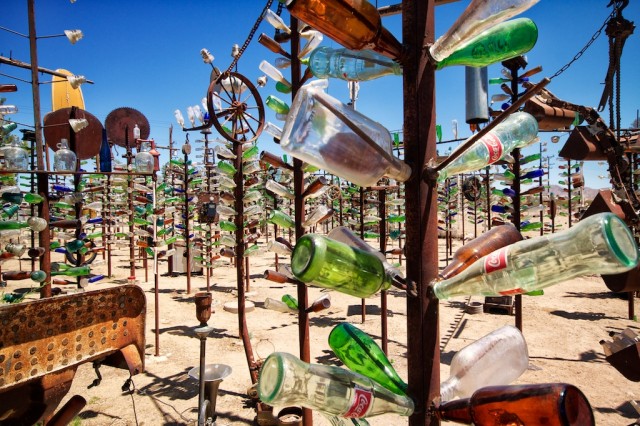
Rising like a surreal forest from the desert dust, Elmer’s Bottle Tree Ranch transforms recycled glass into whimsical sculpture along Route 66 in Oro Grande, California. Metal pipes, vintage signage, rusted rifles, and thousands of bottles form tree-like installations that shimmer in the sun and chime in the wind. Created over decades by artist Elmer Long, the ranch became a beloved roadside attraction through its quirky beauty and Elmer’s warm presence. Though Elmer passed away in 2019, his family continues to keep the space open, allowing visitors to explore freely and snap photos among the colorful glass “branches.” Entry is donation-based, and guests are encouraged to respect the grounds and its handcrafted details. The site is typically quiet, especially on weekday mornings, providing ample room to wander without interruption. Look closely and you’ll find everything from old typewriters to highway relics woven into the sculptures—each piece telling a part of Route 66’s eclectic history. Whether you’re ending your journey or just need a final dose of creative Americana, Bottle Tree Ranch delivers reflective beauty, recycled artistry, and a peaceful sendoff into the California sunshine. It’s an unforgettable closing note to the classic American road trip, rooted in both imagination and memory.