
Rusted red sands stretch toward jagged sandstone mountains, forming a landscape so alien it has doubled for Mars in films. Wadi Rum’s surreal terrain, shaped by wind and time, offers travelers more than dramatic scenery—it delivers a journey into silence, scale, and Bedouin tradition. Those drawn to raw nature will find moonlike panoramas, ancient petroglyphs, and starlit skies that rival anywhere on Earth. Whether crossing dunes in a 4×4 or sleeping in a desert camp, every moment in this Jordanian wonder stirs awe. This guide outlines how to experience Wadi Rum with depth, respect, and unforgettable perspective.
Sunrise Over Um Frouth Arch

Golden light fans across the Martian terrain as the first rays creep over the horizon, illuminating Um Frouth Arch with a soft, ethereal glow. Hikers who reach the arch before dawn are rewarded with panoramic views as shifting colors paint the sandstone. Perched atop the arch, the expansive desert rolls endlessly, broken only by rugged cliffs and scattered rock spires. Early morning wind whips gently across the elevated ridge, providing a refreshing contrast to the heat that follows. Photography enthusiasts often ascend in semi-darkness to capture silhouettes framed against the orange-tinged sky. The arch itself is one of Wadi Rum’s most iconic natural bridges, accessible with a short climb requiring basic scrambling skills. Local guides often recommend arriving before 6 AM in summer to avoid crowds and enjoy the serenity. For those seeking an unforgettable desert moment, this sunrise stop combines quietude, cinematic beauty, and a real sense of timelessness. The glow radiating from the stone seems to change by the minute, encouraging visitors to linger. Whether part of a multi-day trek or a one-morning outing, this arch summit delivers both visual drama and introspective calm. As light floods the desert floor, it marks the perfect start to a day of Wadi Rum exploration.
Jeep Ride Through Red Sand Dunes at Golden Hour

Late-afternoon sunlight transforms Wadi Rum’s red dunes into a glowing sea of fire-toned waves, perfect for a golden hour jeep ride. The 4×4 adventure snakes between towering rock formations and soft, sweeping slopes, with dust kicking up behind the tires in dramatic trails. Guided drivers often pause at prime vantage points where the sun hits the sand just right, making every photo frame-worthy. While cruising through valleys like Khor al Ajram or Al-Hasany, you’ll witness shadows stretch and the desert shift hues from terracotta to crimson. This time of day also brings cooler temperatures and more defined textures, making the desert look almost hyperreal. Bedouin guides often share local legends or offer hot mint tea mid-route atop a scenic ridge. Dune surfing, brief hikes, and spontaneous photo stops add variety to the ride. Adventurous travelers often opt to stand in the back of open-roofed jeeps, gripping rails as they glide across silky slopes. No filters or editing are needed—nature provides the perfect conditions. As the sun sinks behind rocky outcrops, the contrast between shadow and sunlight makes even the quietest valley feel cinematic. This golden hour ride is a quintessential Wadi Rum experience blending thrill, beauty, and cultural storytelling.
Sleep Under the Stars in a Bubble Dome
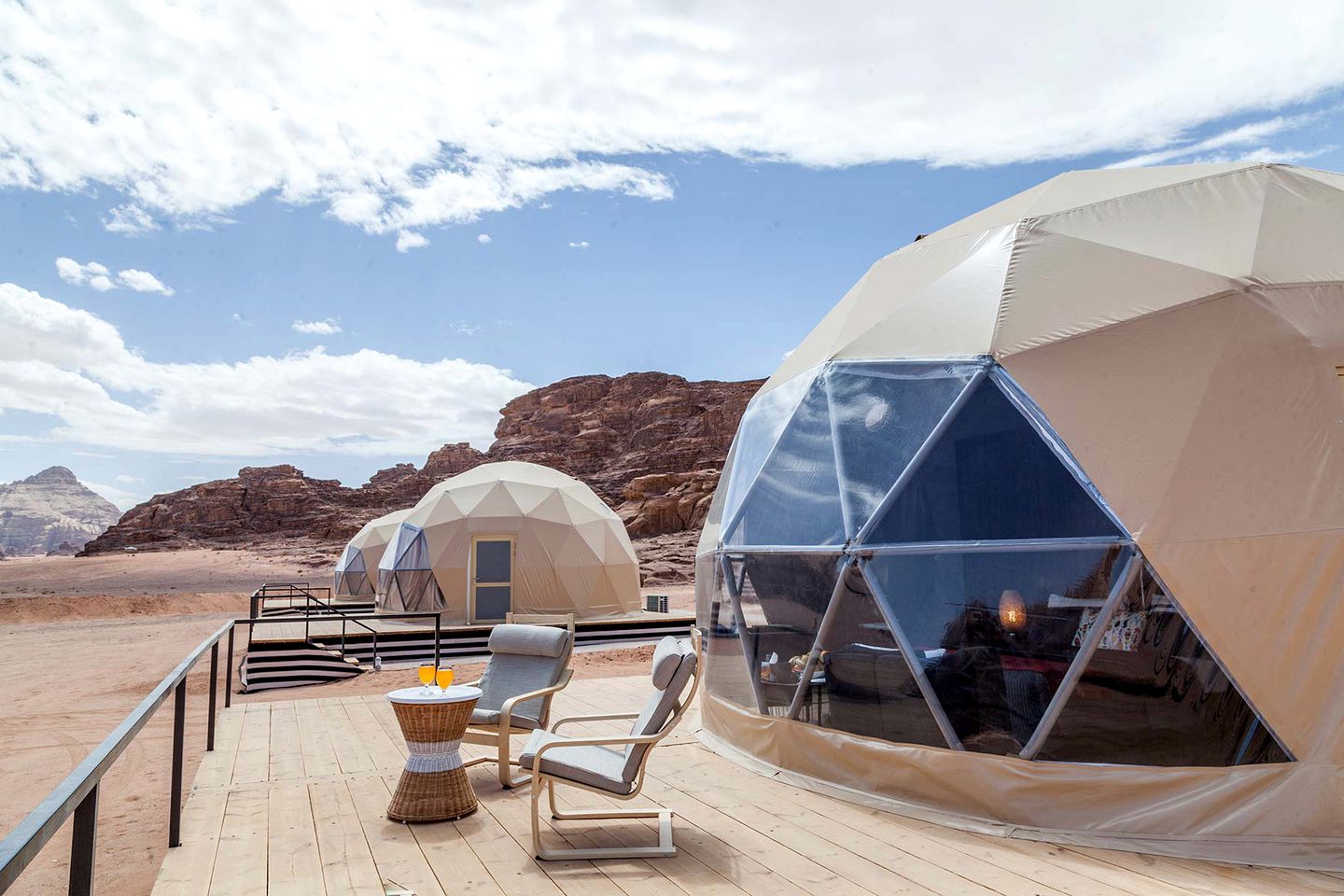
Glass-clear bubble domes tucked between dunes and sandstone cliffs offer a futuristic twist on desert camping. At nightfall, constellations flood the sky, turning your transparent shelter into a private planetarium. These eco-friendly domes, available at select Bedouin-run camps, combine comfort with an immersive nature experience. Inside, guests enjoy soft beds, heating or cooling units depending on the season, and minimal lighting to preserve the view of the Milky Way. The silence of the desert at night amplifies every sound—the breeze, a distant camel’s shuffle, or even the howl of desert foxes. Stargazers can lie back and trace shooting stars without ever leaving their bed. Morning brings soft pastel light seeping through the dome’s surface as the desert stirs awake. Many camps pair this experience with locally cooked breakfast and an early hike to nearby rock formations. The domes remain strategically spaced to preserve solitude and silence. Photographers often capture long-exposure night shots from the comfort of their deck or dome doorway. For travelers seeking both comfort and deep immersion, bubble dome camping offers the best of both worlds. It’s a surreal mix of modern luxury and ancient landscape, allowing you to fall asleep to the stars and wake up to Mars-like vistas.
Rock Bridge Silhouette Photoshoot at Sunset

Shadows stretch long across the desert floor as golden light bathes Wadi Rum’s iconic rock bridges, creating the perfect backdrop for silhouette photography. As sunset nears, locals guide visitors to arches like Burdah or Um Frouth, where the angle of the sun casts dramatic profiles against the sky. Standing atop the arch, silhouetted figures gain mythical scale, blending into the surreal desert landscape. Couples, solo travelers, and adventure groups often queue for their turn under the camera’s eye as the sky turns from orange to lavender. This setting isn’t just photogenic—it feels cinematic, almost surreal, with gravity-defying rock formations catching the last light of the day. Steady hands or tripods are recommended to frame the shot as the light fades quickly. Some guides offer to take the photo from a lower ledge, giving your silhouette a sharp contrast with the radiant sky. There’s no need for filters; the desert colors provide all the vibrancy. The experience is both intimate and spectacular, far removed from crowded tourist photo ops. For those looking to frame a memory that truly encapsulates Wadi Rum’s grandeur, this sunset shoot delivers. It’s the kind of shot you print, frame, and remember—because the moment felt as epic as it looks.
Full-Moon Camel Trek with Bedouin Tea Stop
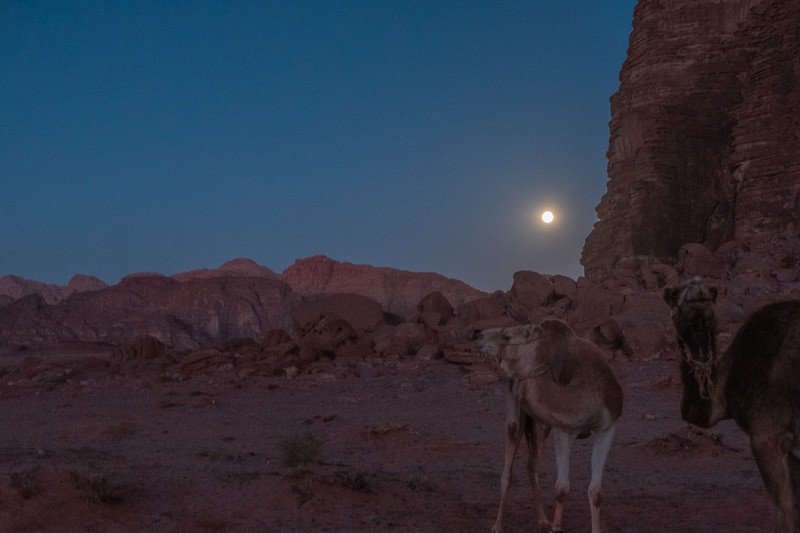
Soft silver light spills across the desert as camels sway gently over packed sand under a full moon sky. Evening treks guided by Bedouins during lunar nights offer a near-mystical experience. Without artificial lighting, the moon alone illuminates the path, casting surreal shadows across dunes and ancient rocks. The air turns crisp, and every footstep feels intentional in the quiet chill. Riders are often surprised by how clearly they can see, even at night. Somewhere mid-journey, camels are rested while tea is brewed over an open fire using traditional copper kettles. The scent of sage and smoke mingles with desert air. Guides share stories passed through generations while tea simmers, offering a sense of timelessness and cultural connection. Some treks are timed to pass by spots like Lawrence’s Spring or the Valley of the Moon, adding layers of history to the ride. The return trip feels even quieter as the moon climbs higher. This isn’t about speed or sightseeing—it’s about surrendering to the slow rhythm of the land. It’s a journey that feels ancient yet personal, guided by moonlight and tradition. For travelers wanting something beyond typical tours, this moonlit camel ride delivers beauty, stillness, and soul in every sway.
Stargazing at Lawrence’s Spring With Milky Way Views

High above the canyon floor near Lawrence’s Spring, nightfall transforms the desert into a stargazer’s dream. This elevated vantage point, just a short hike from the camp drop-off, provides uninterrupted views of the Milky Way. With little to no light pollution in Wadi Rum, the sky bursts with stars that seem close enough to touch. The spring itself is a small trickle, marked by fig trees clinging to the rock, but it’s the vast sky overhead that steals the show. Visitors often climb the ridge just above the spring, lay back on a blanket, and watch as constellations drift across the heavens. Guides may point out Orion’s Belt or Jupiter with laser pens, while some travelers opt for time-lapse astrophotography. Warm desert air, the faint scent of herbs, and the occasional gust of wind complete the sensory immersion. You’ll hear nothing but your own breath and the occasional owl call. This stargazing moment becomes less about astronomy and more about awe. Whether staying in a nearby Bedouin camp or making it a stop during an evening hike, this spot offers a celestial spectacle grounded in centuries of history. It’s a place where stars, legend, and silence converge under one infinite dome.
Overnight in a Cave-Style Camp With Earth Walls

Tucked into the folds of Wadi Rum’s sandstone cliffs, earth-walled cave-style camps offer a night of raw authenticity. These shelters, carved or built to blend into the landscape, retain warmth in winter and coolness in summer, following the passive architectural wisdom of the desert. Beds are often laid across handwoven rugs, with lanterns casting soft glows on textured stone. Outside, stars spill over the open desert, visible just beyond the entrance. Campfire meals include traditional dishes like mansaf or magloubah, served alongside flatbreads roasted fresh on heated rocks. Stories often unfold over tea as the flames crackle and the wind hums through nearby crevices. Unlike modern dome accommodations, cave camps prioritize simplicity and connection to nature. Sound travels differently in these camps—footsteps soften, voices feel deeper, and silence stretches longer. Mornings bring soft shadows crawling along the walls as the sun returns. These earthy dwellings offer more than shelter—they anchor visitors into the terrain itself. For those seeking an experience stripped of distractions and comforts, this style of camping honors Bedouin heritage while amplifying desert solitude. Staying in a cave-like refuge turns sleep into a meditative immersion, where every stone and whisper feels grounded in ancient rhythm.
Rope-Climb to Khazali Canyon Petroglyphs

Narrow and towering, Khazali Canyon conceals ancient messages carved into its sandstone walls, accessible after a short but steep rope-assisted climb. The route begins with a scramble over smoothed rock shelves before reaching a fixed rope section that aids in the ascent. With guidance or steady footing, visitors soon find themselves at the shaded opening of the canyon where Nabatean and Thamudic inscriptions lie etched just above eye level. Animal figures, sandal prints, and ancient texts speak to centuries of travelers who paused here for water and shelter. Unlike more polished tourist stops, Khazali offers an unfiltered connection to Wadi Rum’s layered history. The silence inside the canyon is profound, broken only by the sound of shoes brushing sand. Guides often recount the meanings behind the carvings, translating symbols passed down through generations. Morning visits are best for light angles that make the carvings stand out in sharp relief. With minimal effort and no crowds, this site feels untouched and sacred. It’s not just about archaeology—it’s about the feeling of standing where others stood thousands of years ago. For history buffs or those craving meaning in their hikes, this rope climb leads to more than petroglyphs—it leads to a window into the desert’s soul.
Drone-Style Sandscape Shots from Nabataean Trails

Elevated trails once walked by Nabataeans now offer modern travelers the perfect ground-level “drone” view without ever needing a flying device. Paths winding around Jebel Um Ishrin and through the maze-like rock formations near Siq al Barrah give sweeping views of vast red valleys and textured dune fields below. Many visitors are stunned by how these ridgelines mimic the dramatic angles typically captured only from the sky. The light bouncing off rippled sand at sunset or sunrise adds extra dimension. With the right lens or phone mode, you can snap bird’s-eye-style shots from ridges overlooking camel caravans or 4x4s threading through the canyons. Local guides often share secret photo spots passed down within families—cliff edges where the desert stretches endlessly in all directions. Footpaths here are firm but narrow, requiring balance and steady pacing, especially when hauling camera gear. There’s a sense of solitude that turns each click of the shutter into a personal discovery. For travelers who appreciate both adventure and aesthetics, these trails offer a chance to frame Wadi Rum’s surreal scale without ever lifting off. It’s a rare blend of natural beauty, human history, and visual mastery—one that feels ancient yet tailor-made for modern eyes.
Traditional Zarb Dinner Baked in Desert Sand Pit
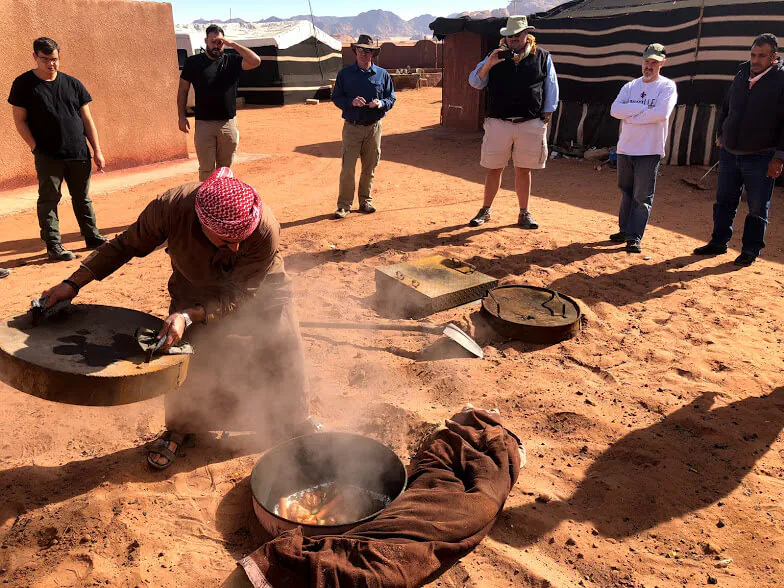
Buried beneath the desert floor in a hidden pit, Zarb emerges from the sand as a feast of smoky, tender flavor. This Bedouin technique slow-cooks meats and vegetables underground using smoldering coals and tightly sealed steel trays. At sunset, camp staff ceremoniously unearth the dish, revealing layered lamb, chicken, potatoes, and carrots infused with the scent of herbs and charcoal. Watching the lid lift becomes part of the experience—steam rising, juices bubbling, and the aroma spreading through camp. The slow cooking method ensures that every bite melts effortlessly. Served with fresh tabbouleh, hummus, and warm shrak bread, Zarb embodies the heart of Bedouin hospitality. Guests often eat communally around low tables, sitting cross-legged on woven mats beneath starry skies. Stories and laughter flow easily over mint tea and sweet dates after dinner. This isn’t just a meal—it’s a ritual. The preparation is as important as the flavor, with timing rooted in generations of experience. For visitors looking to experience Wadi Rum through all senses, Zarb offers something unforgettable. It’s not replicated in restaurants or hotels—only the desert, with its stillness and warmth, can cook this dish right. Sharing Zarb turns a tour into tradition, feeding both hunger and connection.
Quiet Midday Hike to Red Sand Bowl Lookout

Heat shimmers across the horizon as the midday sun climbs high, but a shaded canyon leads quietly toward one of Wadi Rum’s lesser-known vantage points: the Red Sand Bowl. This natural amphitheater of fine, iron-rich sand sits cradled between sheer cliffs, its vibrant hue intensified by overhead light. The path to reach it meanders gently along wind-carved rocks, where even the silence feels heavy. Most tours avoid midday hikes, which makes this short trek ideal for solitude seekers. Once at the bowl’s edge, the view opens into a swirl of colors—reds, oranges, and occasional traces of black basalt scattered through the sand. Few footprints mark the area, creating a preserved feel. Light wind often swirls the surface into mini dust devils, adding drama to photos. Rest spots under ledges offer reprieve from the heat while you absorb the vastness below. This site isn’t just about the view—it’s about contrast: harsh sun above, stillness all around. For hikers willing to hydrate well and avoid peak trails, this midday lookout delivers rich color saturation and quiet reward. It’s the kind of stop that rarely makes itineraries but lingers in memory, offering the desert’s rawest beauty at its most blazing hour.
DIY Sand Bottles with Local Colored Dust

Powdery pigments of Wadi Rum’s desert sands—reds, ochres, and soft golds—become the medium for a unique hands-on souvenir: your own sand art bottle. In villages like Disah or inside camp shops, locals often offer simple glass containers and layered trays of colored sand. Visitors can scoop, tilt, and design their own patterns using funnels and tiny sticks to create intricate images or gradients inside a bottle. Some artisans teach how to etch camel shapes or Arabic script with just a skewer. The process is meditative and surprisingly precise. Every bottle captures not just hues of the desert, but the memory of crafting it. Children and adults alike find it both relaxing and deeply personal. Each grain layered into the bottle tells a story of terrain passed, trails walked, and skies watched. Best of all, the craft is lightweight and travel-friendly. These bottles serve as both art and keepsake—something made, not bought. Many travelers pair the experience with tea and conversation with the artisans, adding cultural texture to the moment. Rather than shopping for trinkets, making your own sand bottle preserves Wadi Rum’s essence in a jar—one swirl, one stripe, one quiet moment at a time.