
Snow-capped peaks, dramatic fjords, and windswept landscapes make Ushuaia more than just a destination—it’s the southernmost city in the world and a true gateway to adventure. Known as the “End of the World,” this Patagonian gem blends rugged nature with cultural charm, offering visitors unforgettable journeys by land and sea. From trekking through Tierra del Fuego National Park to embarking on Antarctic expeditions, Ushuaia promises unique experiences that captivate travelers seeking remote beauty, rich history, and extraordinary travel memories.
Cascada Nahiara Adventure Route
Credits: https://www.pinterest.com/pin/1150106823569228380/
Trekking toward Cascada Nahiara rewards travelers with an immersive outdoor experience defined by Patagonia’s raw beauty. The trail winds through native lenga forests where moss-covered trunks and streams set a tranquil tone before the thunder of rushing water grows louder with every step. Reaching the cascade, you’re met with a curtain of glacial runoff plunging into a crystal basin surrounded by jagged cliffs. Conditions can shift quickly, so sturdy boots and layered clothing are essential for safety. This route isn’t just a scenic walk; it also offers unique opportunities for birdwatching, with sightings of austral parakeets and the occasional Andean fox along the way. Many adventurers pack snacks to enjoy at the base, turning the outing into a half-day picnic with panoramic backdrops. Guided tours are available, but independent hikers will find trail markers manageable. The adventure route combines moderate effort with substantial reward, making it ideal for those wanting a genuine connection with Ushuaia’s wilderness. For photography enthusiasts, late morning light often highlights the mist and enhances the emerald tones of surrounding foliage, adding depth to landscape shots. Cascada Nahiara stands as a must-visit natural escape, perfectly balancing accessibility and untamed Patagonian character within the Ushuaia region.
Cerro Castor Ski-Season vs Off-Season Vibes
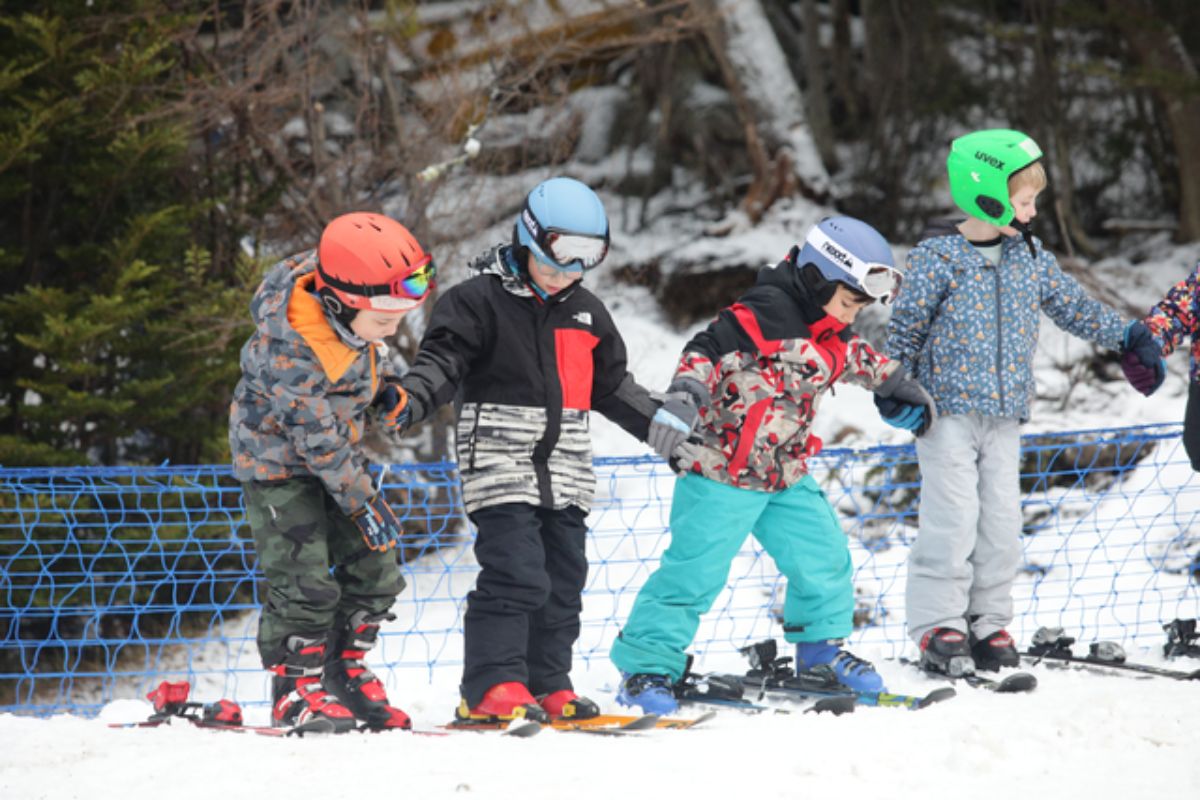
Cerro Castor, the southernmost ski resort in the world, transforms its character depending on the season. During winter, freshly groomed slopes cater to skiers and snowboarders of all levels, supported by reliable snow quality and a long season that often extends into October. Facilities hum with energy, from chairlifts to après-ski lounges offering warm local cuisine. The atmosphere is lively, drawing both international athletes and leisure travelers. Once snow melts, the mountain shifts into a completely different playground. Hiking trails reveal alpine flora, mountain biking paths challenge adrenaline-seekers, and panoramic views of the surrounding valleys expand without the white blanket of snow. Off-season quietness gives visitors a chance to connect more intimately with the landscape, where condors may soar above and wildflowers bloom across meadows. Lodges and restaurants adapt by offering lighter menus, often centered around Patagonian lamb and seafood. Whether chasing powder or exploring trails under crisp summer skies, Cerro Castor delivers year-round appeal. The choice between peak-season bustle and tranquil off-season charm depends on whether your priority lies in alpine sports or peaceful exploration. Either way, the mountain offers an essential glimpse into how locals live with and celebrate their unique environment near Ushuaia.
Les Éclaireurs Lighthouse Boat Tours
Credits: https://www.pinterest.com/pin/44402746323478873/
Nicknamed the “Lighthouse at the End of the World,” Les Éclaireurs stands proudly on a rocky islet in the Beagle Channel, guiding ships for over a century. Boat tours departing from Ushuaia’s harbor make this historic landmark accessible, often combining visits with nearby islets populated by sea lions and cormorants. The lighthouse itself cannot be entered, but its striped tower provides a striking contrast against snowcapped peaks in the distance, making it a highlight for photographers. Tours range from short two-hour circuits to longer journeys with commentary about local maritime history, ecology, and indigenous Yamana culture. Many operators time departures to coincide with golden light hours, when reflections on the water enhance the dramatic scenery. Wildlife encounters add further excitement, with the chance of spotting dolphins escorting the vessel. In winter months, conditions can be harsher, yet the solitude enhances the feeling of reaching the far edges of civilization. For families, guided tours are accessible and often include multilingual explanations, ensuring cultural context isn’t lost. Experiencing Les Éclaireurs isn’t just about viewing a lighthouse; it’s about understanding Ushuaia’s maritime identity and the navigational challenges of this remote southern gateway. It remains an iconic excursion for visitors seeking authentic regional character.
Puerto Golondrina & Coastal Sunset Walks
Credits: https://www.pinterest.com/pin/554716879119983384/
Stretching west of Ushuaia’s downtown, Puerto Golondrina offers a quieter waterfront alternative to the main port. Once a fishing settlement, today it’s known for its tranquil marina and residential vibe, making it perfect for relaxed evening strolls. Walking paths trace the shoreline, where views of the Beagle Channel unfold against the shifting colors of dusk. Sunset here paints the sky in pinks, oranges, and purples, reflecting across calm waters dotted with anchored sailboats. Locals often gather for mate or casual conversation, giving visitors a glimpse of everyday life away from touristic bustle. For those interested in photography, low light enhances silhouettes of the Andes as they frame the horizon, creating postcard-worthy compositions. Small cafés and boutique guesthouses line the coastal road, offering places to pause and enjoy regional flavors like king crab or fresh trout. The area’s accessibility makes it appealing for families or travelers wanting a simple yet rewarding experience without long hikes or schedules. Whether approached after a busy day of excursions or planned as a standalone outing, Puerto Golondrina embodies Ushuaia’s charm through serenity and natural spectacle. Its coastal sunset walks remind visitors that some of the most memorable moments require nothing more than slowing down and watching daylight fade.
Tren del Fin del Mundo Experience Depth
Credits: https://www.pinterest.com/pin/672232681879559904/
Riding the “End of the World Train” takes travelers along a route once used to transport prisoners to the forests for logging. Today, it has been transformed into a heritage journey that blends history with striking landscapes. The train departs from a station on the outskirts of Ushuaia and winds through valleys, peat bogs, and lenga forests, offering narrated accounts of the region’s past. Comfortable carriages feature panoramic windows, ensuring passengers don’t miss views of rivers, waterfalls, and snowy peaks. The storytelling aspect is as significant as the scenery, as guides explain the hardships faced by inmates and the environmental impact of their labor. Stops along the way allow time for short walks, particularly at La Macarena waterfall, adding variety to the ride. The experience appeals to families, history buffs, and photographers alike, since the juxtaposition of human resilience and natural beauty is so pronounced. While the journey is relatively short, lasting under two hours, it delivers meaningful context about Ushuaia’s origins as a penal colony. For visitors seeking more than landscapes alone, the Tren del Fin del Mundo provides cultural depth that enriches any itinerary. It stands out as a signature experience that bridges storytelling with immersive Patagonia scenery.
Hidden Garden or Secret Cove Spots

Away from well-known tourist paths, Ushuaia rewards explorers who venture slightly further with secluded natural hideaways. Small coves tucked along the Beagle Channel invite quiet reflection, often framed by driftwood and seabird calls. Gardens carved into sheltered clearings provide an intimate contrast to the region’s vast mountain backdrops. Locals sometimes share tips about these tucked-away sites, though many can be found by walking beyond marked trails or following dirt tracks leading from residential areas. These spaces often feel untouched, where mossy rocks and wildflowers soften the rugged terrain. For those seeking solitude, such spots allow a chance to unwind, picnic, or simply listen to the interplay of wind and waves without interruption. Photographers value the soft natural framing of these areas, particularly at dawn or dusk when the light adds drama without large crowds. While they lack signage or facilities, that simplicity is part of their charm, offering a genuine connection to nature. Visitors should always practice leave-no-trace principles, respecting the fragile ecosystem. Discovering a hidden garden or secret cove is less about the destination itself and more about the personal sense of discovery. These quiet corners make Ushuaia feel even more like the edge of the world, alive with intimate beauty.
Fog & Light Drama in the Beagle Channel
Weather in Ushuaia is famously unpredictable, and nowhere is this more captivating than the Beagle Channel. Mornings can begin with heavy fog rolling low across the water, partially obscuring nearby islands and creating an almost mystical atmosphere. As the sun shifts, beams of light pierce the mist, illuminating mountain ridges or glinting off the surface of the channel. This constant interplay creates a dynamic scene where no two moments are alike, making it a dream for photographers. Wildlife often appears during these atmospheric changes, with silhouettes of seabirds or sea lions cutting through the haze. Boat operators frequently highlight how the fog adds a layer of suspense to navigation, echoing the challenges faced by early explorers. For travelers, witnessing the light break through is more than a visual treat—it feels like nature revealing secrets piece by piece. Afternoons tend to bring clearer skies, yet the drama of shifting conditions remains a defining characteristic. Dressing warmly and carrying waterproof gear is important, as sudden rain showers are common. Whether viewed from a harbor promenade, a coastal hike, or the deck of a boat, the fog and light interplay in the Beagle Channel offers one of Ushuaia’s most memorable sensory experiences.
Local Food & Harbor Markets

Culinary exploration in Ushuaia blends Patagonian traditions with maritime abundance. The harbor area brims with restaurants and small markets where visitors can sample specialties such as centolla, or king crab, often served freshly boiled or baked with cheese. Local lamb, slow-roasted over open flames, provides another authentic taste of Tierra del Fuego’s heritage. Markets showcase smoked fish, regional cheeses, and homemade jams crafted from berries like calafate, tied to local legends promising a return to Patagonia once tasted. Food stalls often sit alongside souvenir vendors, creating a lively environment where aromas mix with the sounds of fishermen unloading their daily catch. Many eateries face the harbor, allowing diners to enjoy channel views while savoring hearty meals. For budget travelers, empanadas and stews at smaller stalls offer flavorful alternatives without high costs. Evenings bring a different atmosphere, as locals and visitors gather over drinks featuring Patagonian craft beers or Argentine wines. Exploring these markets is more than a meal—it is an introduction to community rhythms, where food, landscape, and history intersect. Sampling dishes here ensures travelers carry Ushuaia’s flavors long after departure, reinforcing the city’s reputation as a destination for both adventurers and culinary enthusiasts.
End-of-the-World Hiking Trails
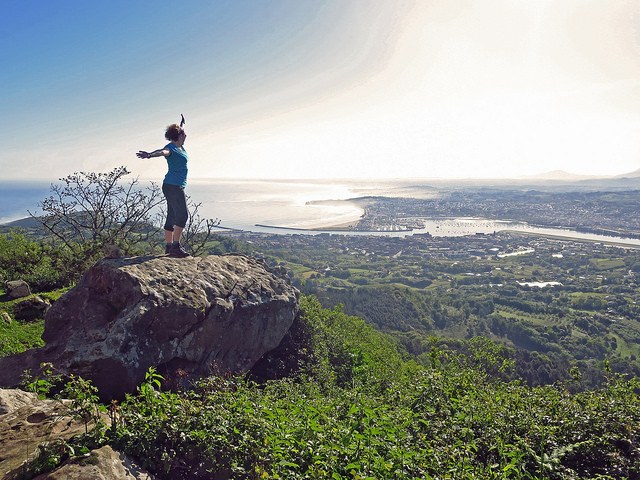
Hiking in Ushuaia lives up to its reputation of being both rugged and unforgettable. Trails weave through Tierra del Fuego National Park, offering routes for different skill levels. Beginners often enjoy short circuits around Lago Roca, where calm waters mirror surrounding peaks. More experienced trekkers challenge themselves with Cerro Guanaco, a demanding climb that rewards persistence with sweeping views of the Beagle Channel and the southern Andes. Along the way, landscapes shift dramatically, from dense lenga forests to open valleys dotted with wildflowers. Wooden walkways protect fragile peat bogs while making paths accessible after rain. Wildlife adds to the experience, with woodpeckers, foxes, and condors frequently spotted. Weather is unpredictable, so layers and waterproof gear are indispensable. These trails highlight Ushuaia’s position as the gateway to Patagonia, where every turn provides a reminder of nature’s scale and resilience. The blend of manageable routes and intense challenges ensures there’s a path for every type of traveler. Whether seeking a leisurely walk surrounded by pristine scenery or a steep climb that pushes endurance, hiking here feels like stepping into one of the last untouched corners of the world, earning Ushuaia its title as the true “End of the World.”
Wildlife Spotting & Birdwatching Tips

Biodiversity thrives around Ushuaia, rewarding patient observers with memorable encounters. Birdwatchers flock to the region for the chance to see species like the Magellanic woodpecker, steamer ducks, and black-browed albatross gliding across open skies. On the water, colonies of sea lions bask on rocky outcrops, while dolphins often surface near boats navigating the Beagle Channel. Further inland, guanacos graze along meadows, and lucky hikers may catch a glimpse of the elusive Andean fox. For the best results, binoculars and a good telephoto lens are recommended, as many species maintain distance from humans. Early mornings and late afternoons offer peak activity, when birds are feeding or moving between habitats. Local guides add value by recognizing calls and identifying behavior patterns that casual visitors might miss. Respecting wildlife is key: maintaining distance and avoiding loud noises ensures animals remain undisturbed. Many operators run specialized birdwatching tours tailored to enthusiasts, combining education with sustainable practices. Even travelers without expertise find the abundance of species remarkable, as nature reveals itself in surprising ways. Whether perched on a coastal bluff scanning for seabirds or quietly waiting in a forest clearing, wildlife encounters in Ushuaia add depth and excitement to any itinerary.
Weather Prep & Layer Thinking

Conditions in Ushuaia can shift within minutes, making preparation crucial for comfort and safety. Sunshine, rain, snow, and wind often occur in the same day, regardless of season. Dressing in layers is the best strategy, beginning with a moisture-wicking base to stay dry, an insulating middle layer such as fleece or down, and a waterproof outer shell to block rain and wind. Footwear should be sturdy, ideally waterproof, to handle muddy trails or sudden snow. Accessories like gloves, hats, and neck gaiters are equally important, as temperatures can drop unexpectedly. Carrying a lightweight backpack ensures flexibility, letting travelers add or remove clothing as conditions evolve. Sunscreen and sunglasses remain essential, as UV exposure can be strong even in cooler temperatures. For longer outings, packing a thermos with hot tea or mate helps maintain warmth. While weather apps provide forecasts, locals often joke that the only certainty is unpredictability. This variability contributes to Ushuaia’s mystique but requires foresight. Travelers who prepare properly can focus on enjoying the scenery rather than being distracted by discomfort. Embracing a layer-based mindset ensures adventures remain enjoyable, whether walking along the harbor, hiking mountains, or cruising the Beagle Channel.
Photography Hotspots vs “Avoid Crowds” Alternatives

Capturing Ushuaia’s landscapes is irresistible, but the challenge lies in balancing iconic viewpoints with quieter alternatives. Popular photography spots include the waterfront near the Ushuaia sign, Les Éclaireurs Lighthouse, and trail summits in Tierra del Fuego National Park. These areas deliver postcard-perfect angles but often attract groups of visitors. For those seeking solitude, less-traveled trails such as Paso de la Oveja or secluded coves west of town provide equally striking frames without heavy foot traffic. Sunrise and sunset offer the best light, with golden tones softening jagged mountains and reflecting across the Beagle Channel. Drones are regulated, so checking local guidelines before flight is essential. Beyond landscapes, street photography in the city center reveals colorful houses and murals that contrast with snowcapped backdrops. Markets also provide vibrant compositions, from seafood displays to traditional crafts. Photographers should carry spare batteries, as cold temperatures drain power quickly. Timing and perspective make all the difference—arriving earlier or staying later than most groups often guarantees clearer shots. Ultimately, Ushuaia rewards those who balance iconic stops with hidden corners, ensuring photo collections reflect both the city’s global appeal and its quieter, personal side.