
Grand Central Terminal is more than a transportation hub—it places you at the center of New York City’s vibrant culture, history, and entertainment. Within walking distance, you’ll find world-class dining, iconic landmarks, and unique attractions that showcase the energy of Manhattan. Whether you’re in town for a quick stop or planning a full day of exploration, the surrounding area offers something for every type of traveler. This guide to the best things to do near Grand Central Terminal highlights must-visit experiences that make any visit unforgettable.
Whispering Gallery Experience

Beneath the grand arches of the lower concourse lies one of Grand Central’s most intriguing secrets: the Whispering Gallery. This unassuming tiled archway, located near the Oyster Bar, creates an acoustic marvel where even the faintest whisper can travel across the curved ceiling to the opposite corner. Couples, tourists, and curious visitors alike enjoy testing the phenomenon by standing diagonally across from one another and exchanging secrets in hushed tones. The sound carries clearly, leaving both participants amazed by the gallery’s unexpected intimacy. The design owes its magic to the Guastavino tile work, which not only serves an architectural purpose but also amplifies sound in unusual ways. Beyond the novelty, the Whispering Gallery embodies how thoughtful craftsmanship blends beauty with physics inside the terminal. It has become a romantic spot for proposals, a playful stop on guided tours, and a hidden highlight for those eager to explore beyond the main concourse. Unlike the bustling main hall, this corner invites quieter reflection while still keeping you at the heart of New York’s movement. For visitors seeking a free yet memorable activity near Grand Central Terminal, this whispering wonder offers a story worth retelling long after the visit
The Campbell Apartment Hidden Bar Visit
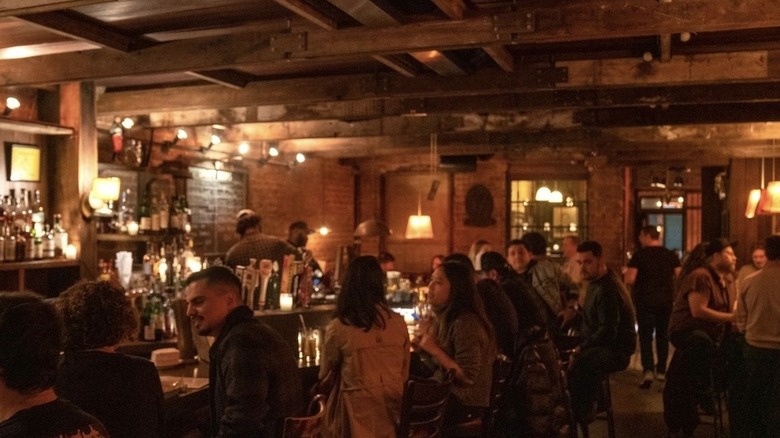
Hidden within Grand Central Terminal’s walls lies The Campbell, an upscale cocktail lounge that once served as the private office of financier John W. Campbell in the 1920s. Restored to its Jazz Age opulence, the space features a soaring, hand-painted ceiling, leaded-glass windows, a massive stone fireplace, and luxurious detailing that transports guests back in time. Known as The Campbell Apartment in earlier decades, today it operates as a glamorous bar where visitors can sip craft cocktails in one of Midtown’s most atmospheric hideaways. The menu combines inventive signature drinks with classic favorites, while the setting itself provides much of the allure. Sitting inside, you’ll notice how the old-world ambiance contrasts with the rush of commuters just steps away outside. This juxtaposition makes it one of New York’s most unique bar experiences. Whether you’re stopping by for an after-work martini, a late-night gathering, or simply to marvel at the interior, The Campbell showcases another layer of Grand Central’s storied past. For travelers and locals alike, it’s an unexpected escape where history, architecture, and hospitality converge in a single unforgettable visit.
Tiffany Clock & Building Façade Clock View

High above Grand Central Terminal’s façade stands the iconic Tiffany Clock, the largest example of Tiffany glass in the world. Measuring over 13 feet in diameter, this extraordinary timepiece is framed by a sculptural ensemble featuring Mercury, Hercules, and Minerva—symbols of commerce, strength, and wisdom. Together, these figures embody the vision of progress that shaped the terminal’s construction in the early 20th century. The clock itself is not merely decorative; it remains a functioning marker of time for countless New Yorkers. When sunlight strikes its opalescent glass, the surface shimmers, offering a spectacle often overlooked by those hurrying into the station below. For photographers, the façade provides an unmissable opportunity, especially when viewed from Park Avenue or the Park Avenue Viaduct. Visitors who take the time to look up will find the clock offers a glimpse into the artistry of both Tiffany Studios and the Beaux-Arts design that defines the terminal. It stands as a reminder that Grand Central is more than a transit hub—it is also a masterpiece of art and architecture. Observing this jewel of craftsmanship offers a deeper appreciation for the details that make the terminal an enduring New York City landmark.
Vanderbilt Hall & Acorn/Oak Motif Hunt

Originally built as the main waiting room, Vanderbilt Hall today functions as an elegant event space where exhibitions, holiday markets, and cultural showcases regularly unfold. Its marble floors, grand chandeliers, and cavernous design exude a sense of old-world grandeur, making it a destination in itself even when no event is scheduled. Beyond the hall’s sheer scale, visitors can embark on a subtler treasure hunt: spotting the acorn and oak leaf motifs hidden throughout the architecture. These symbols were adopted by the Vanderbilt family, who financed the terminal’s creation, representing strength, longevity, and prosperity. The motifs appear in carvings, fixtures, and decorative details across the building, rewarding those who pay close attention. Vanderbilt Hall often serves as a quieter contrast to the bustling main concourse, offering a moment to pause while still immersed in the station’s energy. Seasonal pop-ups bring additional charm, from gourmet food stalls to artisan markets that highlight New York’s creative scene. By pairing architectural splendor with family symbolism and modern activity, Vanderbilt Hall bridges past and present in a way that enriches any visit to Grand Central. For those who enjoy layered details, it’s both a destination and a scavenger hunt rolled into one.
Hidden Tennis Courts in the Vanderbilt Club

Above the main concourse, tucked away from the constant stream of commuters, lies one of Grand Central Terminal’s most surprising secrets: indoor tennis courts. Located within the Vanderbilt Club on the upper floors, this recreational facility has long fascinated those who learn of its existence. Originally created in the 1960s, the space has undergone several transformations but continues to function as a private club where guests can reserve court time. Access is discreet, with the entrance unmarked, giving the experience an exclusive feel. Stepping inside, you’ll find professional-grade courts, locker rooms, and facilities that contrast sharply with the bustle below. For those curious, the story of these courts often features in guided tours of Grand Central, though entry typically requires membership or booking through the club. Their presence adds to the building’s reputation as more than a transit hub—it is a vertical city with hidden layers of culture, business, and leisure. Even if you never play a match here, simply knowing about the courts enriches your understanding of Grand Central’s unexpected versatility. For architecture buffs and New York explorers, this offbeat feature is one of the most intriguing footnotes in the terminal’s vast history.
Glass Walkways & Overhead Views

Few visitors realize that high above the main concourse, glass walkways provide striking perspectives of the terminal’s interior. These elevated passages, reserved largely for staff and special tours, allow views of the concourse’s vaulted ceiling, bustling movement below, and intricate architectural details often missed from the floor. From this angle, the famous celestial mural feels closer, while the sweep of chandeliers and archways reveals new dimensions. The walkways embody the layered design of Grand Central, built with multiple levels serving different functions for commuters, employees, and visitors. While everyday access is restricted, guided experiences occasionally highlight these vantage points, offering rare glimpses into areas hidden in plain sight. For photographers, the perspective provides dramatic framing opportunities, especially during rush hour when streams of commuters animate the hall below. These overhead paths are practical as well, connecting offices and operational areas without disrupting traffic in the main space. Even if you never step onto them, knowing they exist enhances your perception of the terminal as an interconnected network rather than a single concourse. The walkways symbolize the thoughtfulness behind Grand Central’s design, where beauty, utility, and surprise coexist seamlessly in one of New York’s most iconic landmarks.
Grand Central Tour with Secrets & Architecture
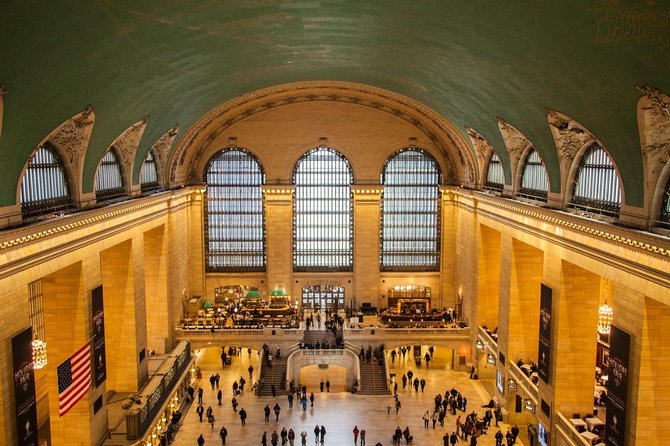
Guided tours of Grand Central Terminal reveal how much more exists beyond the daily rush of trains and commuters. Experts lead visitors through stories of hidden passageways, the terminal’s construction, and architectural quirks that often go unnoticed. These tours highlight landmarks such as the celestial ceiling, the Whispering Gallery, and Vanderbilt Hall, while also sharing anecdotes about secret staircases, wartime history, and even the concealed power station that kept the terminal running. Participants gain a deeper understanding of how the building became both a transportation hub and a cultural monument. The tours often touch on design elements like the Tennessee marble floors, Guastavino tiles, and Beaux-Arts motifs that lend the station its elegance. Narratives bring figures like the Vanderbilt family and renowned architects Reed and Stem, along with Warren and Wetmore, to life. For visitors unfamiliar with New York, a tour also contextualizes Grand Central’s role in the city’s development. Beyond the educational aspect, exploring with a guide ensures you see details you might otherwise miss while navigating alone. Whether you’re interested in history, architecture, or hidden secrets, these tours transform a routine station visit into a layered exploration of New York’s rich heritage.
Dining Concourse Hidden Gems & Food Finds

Beneath the main concourse, the Dining Concourse offers far more than fast bites for hurried commuters. Stretching across the lower level, this food haven houses a mix of New York staples and hidden gems worth seeking out. Iconic options like Shake Shack and Junior’s cheesecake draw crowds, but tucked among them are independent vendors offering global flavors—from artisanal dumplings to Mediterranean wraps. One of the most beloved institutions, the Oyster Bar, anchors the concourse with its century-old reputation for seafood, served under vaulted Guastavino arches. Beyond sit-down dining, bakeries and coffee spots provide quick indulgences that reflect New York’s culinary diversity. Exploring the concourse also offers a glimpse of how design and utility merge: vaulted ceilings, mosaic details, and communal seating areas create a space that feels more like a marketplace than a train station basement. Seasonal pop-ups and rotating eateries ensure there is always something new to try. For visitors, this level represents the chance to enjoy authentic flavors without leaving the terminal. It’s a destination for both casual dining and memorable meals, showcasing how Grand Central caters to appetites as thoughtfully as it does to travel schedules.
Graybar Passage & Art Deco Lobby Exploration
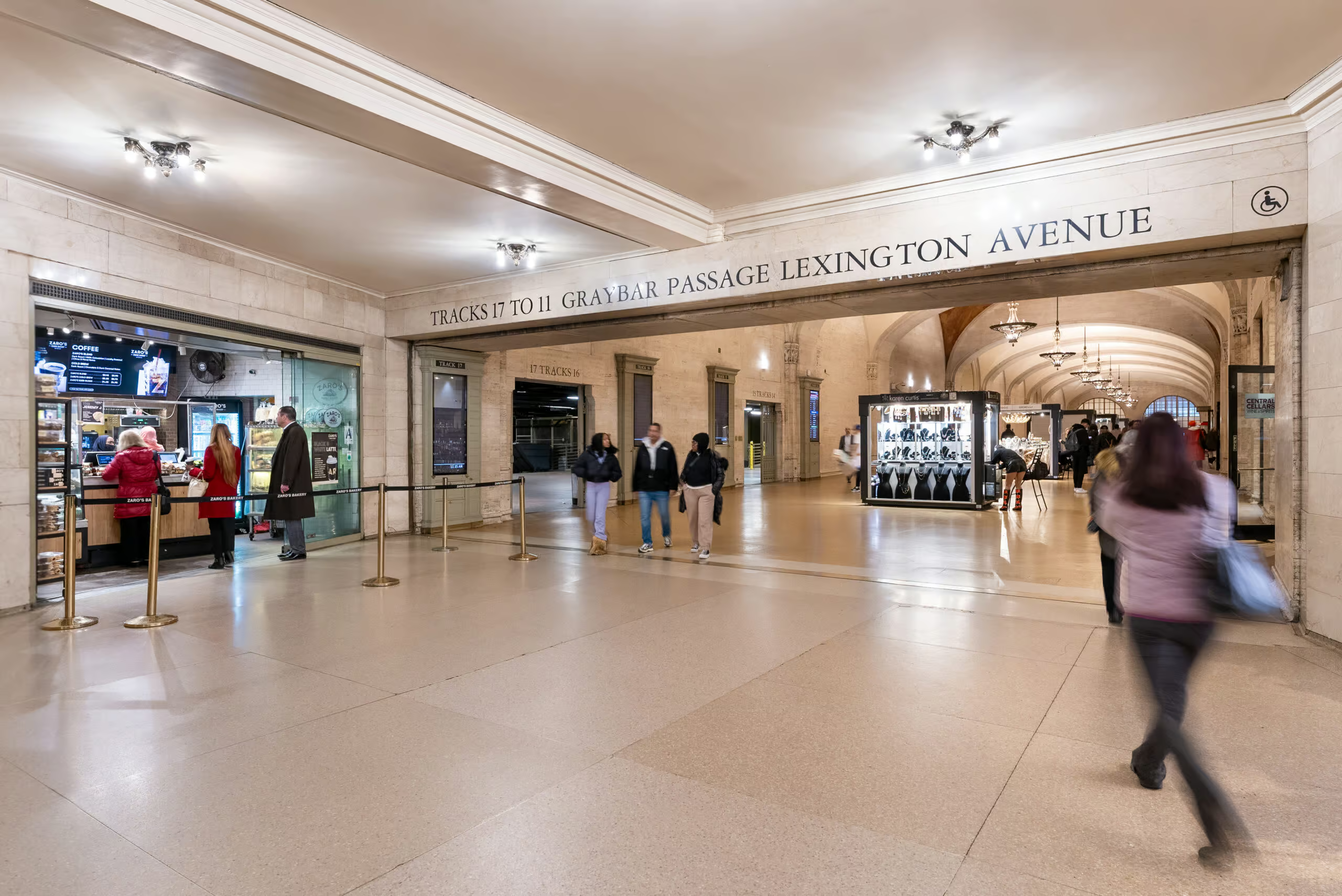
Running along the eastern side of Grand Central, Graybar Passage connects commuters directly to Lexington Avenue and the Graybar Building. Unlike the Beaux-Arts style of the main concourse, this passage and its adjoining lobby highlight striking Art Deco influences from the 1920s. Visitors walking through will notice stylized metalwork, intricate light fixtures, and geometric detailing that reflect the era’s fascination with modern design. The Graybar Building itself was constructed as part of the terminal’s commercial expansion, creating seamless integration between transportation and office space. Today, the passage remains a vital pedestrian route, blending function with architectural flair. What makes it particularly engaging are the small design flourishes often overlooked by hurried travelers: subtle motifs in the fixtures, decorative grilles, and symmetry that embodies the Deco aesthetic. The lobby’s polished finishes contrast sharply with the terminal’s classical marble, reminding visitors of the station’s layered architectural evolution. For history enthusiasts, the space demonstrates how Grand Central expanded to accommodate the city’s growing commercial demands. For casual visitors, it provides a quieter, visually distinctive corridor that enriches the overall experience of navigating through the terminal. It’s a reminder that design diversity is one of Grand Central’s enduring strengths.
Park Avenue Viaduct & Exterior Facade Shots
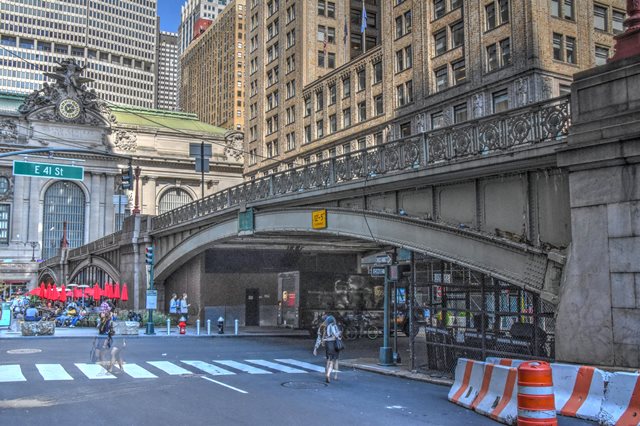
Encircling Grand Central Terminal, the Park Avenue Viaduct allows traffic to flow smoothly while offering unique vantage points of the building’s exterior. Constructed in the early 20th century, this elevated roadway was designed to solve congestion while showcasing the terminal’s Beaux-Arts façade. From the viaduct, visitors can photograph the massive arched windows, ornate carvings, and the Tiffany Clock crowned by mythological statues. At night, the building glows beneath dramatic lighting, creating one of Midtown Manhattan’s most photogenic scenes. Walking along Park Avenue near the viaduct also reveals the relationship between the terminal and its surrounding skyscrapers, particularly the MetLife Building towering just behind. For those interested in architecture, the façade details are best appreciated up close: sculptures of Mercury, Minerva, and Hercules symbolize wisdom, speed, and strength, while intricate stonework demonstrates the craftsmanship of the era. The viaduct itself has become an integral part of New York’s urban landscape, blending infrastructure with visual appeal. Whether viewed by car, on foot, or from across the street, this area provides some of the best opportunities to appreciate Grand Central from the outside. It’s a perspective that complements the beauty found within the terminal’s grand halls.
Search for the Constellation Ceiling Mistakes

High above the main concourse, Grand Central’s celestial ceiling has fascinated visitors for generations. Painted in 1912, the artwork depicts a Mediterranean winter sky with zodiac constellations rendered in glowing detail. Yet sharp-eyed observers often notice something peculiar: the stars are reversed, as if viewed from outside the heavens rather than Earth. This “mistake” has inspired endless theories, ranging from simple error to deliberate symbolism. Some suggest the reversal reflects God’s perspective, while others see it as an artistic flourish. Beyond the orientation, the ceiling has endured restoration after decades of grime from cigarette smoke obscured its brilliance. Today, patches of the original soot remain deliberately preserved in a corner to illustrate the contrast. Visitors enjoy hunting for these details, from the reversed star maps to hidden little mice painted into the artwork. For many, the ceiling embodies both the ambition and imperfections that make Grand Central unique. It’s more than decoration; it’s a narrative of history, craftsmanship, and mystery. Taking time to look up ensures you appreciate a masterpiece that defines the terminal just as much as its famous clock or marble staircases. The ceiling’s quirks remain one of New York’s most beloved curiosities.
Photo Ops at the Information Booth Clock

At the very heart of Grand Central’s main concourse stands the four-faced brass clock perched atop the information booth. This iconic fixture has become one of New York City’s most recognizable meeting points, serving both practical and symbolic purposes. Each opal face is valued at millions of dollars, reflecting not only the clock’s functional precision but also its craftsmanship and heritage. Travelers often arrange to “meet at the clock,” a phrase synonymous with the station’s role as a central gathering place. For photographers, the clock offers dramatic compositions: framed by the celestial ceiling above, surrounded by the sweeping marble staircases, and illuminated by natural light streaming through massive arched windows. Its timeless design blends seamlessly with the grandeur of the concourse, embodying the station’s fusion of utility and elegance. Beyond its aesthetic appeal, the clock symbolizes reliability in a place defined by schedules and movement. Even those rushing past pause to glance at its faces, reaffirming its role as a constant in a space of perpetual motion. For visitors, no trip to Grand Central feels complete without capturing this legendary landmark, whether as a photo, a meeting spot, or simply a lasting memory of New York.