
Geysers erupt like clockwork, bison roam against steaming plains, and rainbow-hued hot springs ripple beneath clear skies—few places on Earth match the raw wonder of Yellowstone National Park. Stretching across Wyoming, Montana, and Idaho, this natural masterpiece showcases dramatic canyons, alpine rivers, and geothermal marvels shaped over millennia. For travelers seeking breathtaking scenery, wildlife encounters, and once-in-a-lifetime landscapes, Yellowstone offers endless beauty in every direction. From the iconic Grand Prismatic Spring to the thundering Lower Falls, each stop reveals nature’s artistry at its finest—making it a destination every explorer should experience at least once.
Grand Prismatic Spring & Midway Geyser Basin

Colors beyond imagination shimmer across the Grand Prismatic Spring, creating one of Earth’s most mesmerizing natural displays. Radiating brilliant bands of turquoise, orange, and gold, this thermal wonder sits at the heart of the Midway Geyser Basin. Its size is staggering—larger than a football field—and the vivid hues come from heat-loving microorganisms thriving in mineral-rich waters. A short boardwalk stroll brings you close enough to feel the mist’s warmth while steam dances above the kaleidoscopic surface. For an unmatched panoramic view, the overlook trail from Fairy Falls reveals the full color wheel of the spring, framed by forested slopes and deep blue skies. Nearby, Excelsior Geyser Crater roars with power, releasing torrents of steaming water into the Firehole River. This area showcases Yellowstone’s dynamic hydrothermal energy in its purest form—where science meets beauty. Every element here, from the vivid thermal mats to the shifting vapor, reminds visitors that Yellowstone breathes beneath their feet. The basin feels alive, ever-changing, and utterly unforgettable—an iconic stop for photographers, nature enthusiasts, and anyone seeking to witness nature’s artistry on a grand, geothermal scale.
Upper Geyser Basin & Old Faithful

Few places on Earth combine predictability and drama like Yellowstone’s Upper Geyser Basin, home to the legendary Old Faithful. Erupting approximately every 90 minutes, Old Faithful shoots boiling water over 100 feet high, a spectacle witnessed by generations of travelers since the park’s founding in 1872. Surrounding this world-famous geyser lies the densest concentration of hydrothermal features on the planet. Boardwalks wind past shimmering pools, bubbling vents, and lesser-known geysers like Grand, Riverside, and Castle—each offering its own unique rhythm. The basin hums with energy; steam rises constantly, filling the air with the scent of minerals and heat. Mornings are especially magical when cool air enhances every plume of vapor, creating surreal photo opportunities. The nearby Old Faithful Inn, a rustic masterpiece built of local timber, offers the perfect vantage to rest and watch eruptions through the lodge’s massive windows. Exploring deeper trails reveals hidden gems such as Morning Glory Pool, glowing in vibrant blues and greens. This basin is the essence of Yellowstone’s volcanic heartbeat—timeless, powerful, and alive with motion. It’s not just a geothermal area; it’s a living stage where Earth performs its most spectacular show on repeat, mesmerizing visitors year after year.
Grand Canyon of the Yellowstone (Upper & Lower Falls)
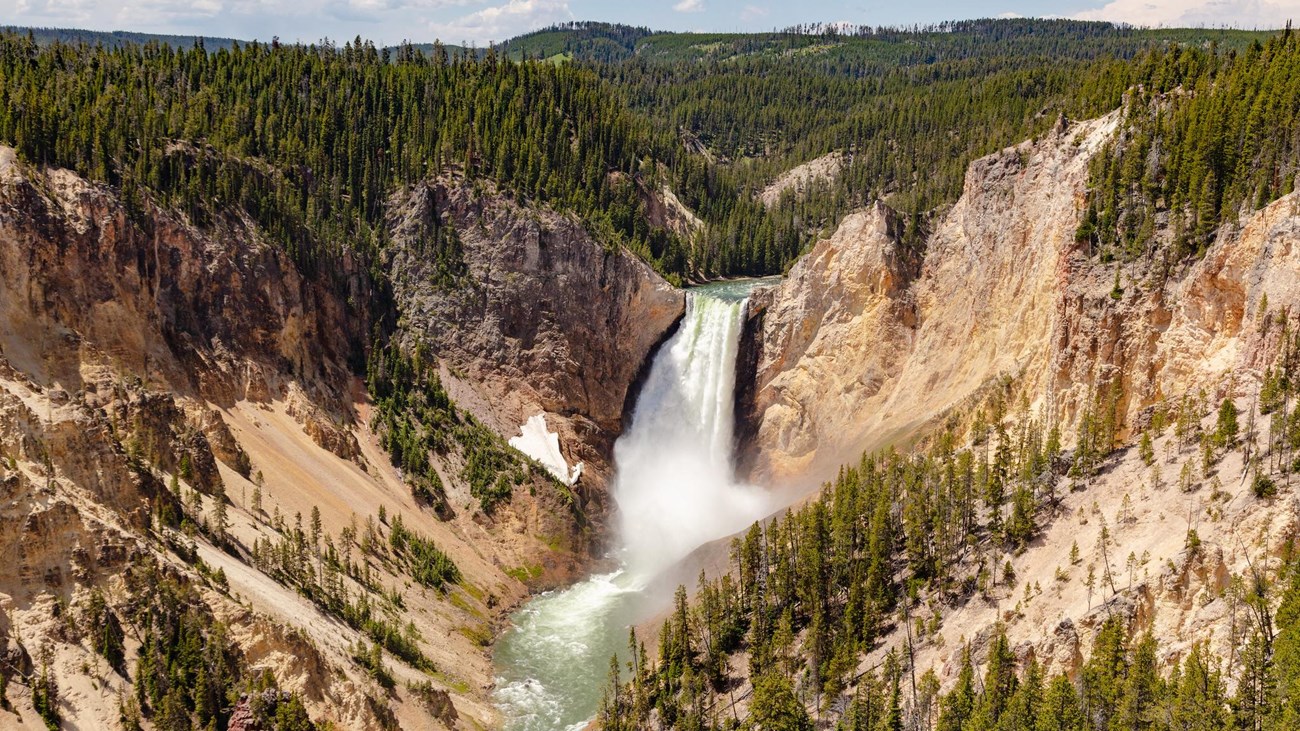
Majesty defines the Grand Canyon of the Yellowstone, a breathtaking chasm carved by the Yellowstone River over thousands of years. Golden, rust, and pink mineral layers paint the canyon walls, glowing brilliantly under sunlight and mist. The thunderous Lower Falls—a 308-foot drop, nearly twice the height of Niagara—commands attention as it cascades into a churning gorge. Viewpoints like Artist Point and Lookout Point provide sweeping panoramas that photographers and painters have celebrated for over a century. The Upper Falls, though smaller, delivers an equally powerful impression with its deep roar and surrounding mist clouds. Trails along both rims invite exploration, from short overlooks to more demanding hikes descending to the river’s edge. The canyon’s vibrant color palette comes from oxidized iron within volcanic rock, giving the landscape its striking, painterly effect. Each angle reveals new depth and drama, a dynamic scene of erosion and renewal. Visitors often describe this area as Yellowstone’s soul—where geology meets poetry. Between the sound of the crashing water and the scent of pine carried by the canyon breeze, the experience feels both grand and intimate, offering a moment of pure connection to the park’s ancient and untamed beauty.
Mammoth Hot Springs & Minerva Terrace
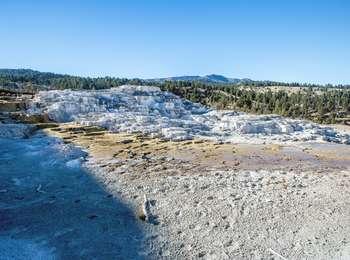
Terraced formations unlike anywhere else in Yellowstone define Mammoth Hot Springs—a living sculpture in constant evolution. Here, steaming water rich in calcium carbonate cascades over travertine terraces, building delicate white and golden steps that shimmer under sunlight. The vibrant shades of orange, brown, and green come from thermophilic organisms thriving in the warm mineral flow. Minerva Terrace, perhaps the most photographed feature, exemplifies this dynamic artistry, with its graceful curves and crystalline deposits creating a scene that feels almost otherworldly. Boardwalks snake through the upper and lower terraces, allowing close encounters with bubbling pools, hissing vents, and ever-changing formations. Unlike geyser basins, Mammoth’s activity shifts daily—some springs go dormant while others awaken, reshaping the landscape in subtle yet mesmerizing ways. The historic stone buildings nearby, remnants of Fort Yellowstone, contrast beautifully with the steaming terraces, offering a window into the park’s early preservation history. Elk often graze on the grassy lawns, adding a tranquil charm to the area. The combination of geothermal spectacle and human heritage makes Mammoth Hot Springs a must-visit. It embodies Yellowstone’s essence—alive, unpredictable, and timelessly fascinating—where art, science, and history coexist in one stunning natural amphitheater of heat and mineral brilliance.
Lamar Valley

Wilderness unfolds in raw splendor across Lamar Valley, often called “America’s Serengeti” for its incredible wildlife diversity. Rolling grasslands stretch between mountain ridges where herds of bison roam freely, pronghorn sprint through the open meadows, and wolves prowl in the early morning mist. The valley’s wide expanses provide the best opportunity to witness Yellowstone’s wild heart in motion. Spotting scopes line the roadside as visitors gather quietly to glimpse bears, coyotes, and even elusive mountain lions in their natural habitat. Dawn and dusk reveal the valley at its most alive—golden light sweeping over grazing herds and distant peaks. In spring, new life arrives with calves and cubs; in winter, snow-dusted bison carve paths through the frost. Birdwatchers find delight here too, with sandhill cranes and bald eagles soaring above. Beyond its wildlife, Lamar’s solitude offers deep peace, a reminder that vast, untamed spaces still exist. The Lamar River winds gracefully through, feeding this fertile ecosystem that sustains Yellowstone’s great migrations. Every visit feels like a privilege—a fleeting glimpse of the wild frontier as it once was and continues to be. It’s a place that rewards patience and wonder, where nature’s rhythm beats strong and unbroken.
Hayden Valley

Serenity and wild drama converge in Hayden Valley, one of Yellowstone’s most photogenic landscapes. Between Yellowstone Lake and the Grand Canyon of the Yellowstone, this lush basin spreads wide with rolling meadows framed by misty hills. Early morning fog often drifts over the valley floor as the Yellowstone River snakes through, reflecting the soft hues of dawn. Wildlife thrives here—massive herds of bison graze lazily while elk, grizzlies, and the occasional wolf move silently across the open fields. The valley’s broad openness makes it an unparalleled spot for observing nature’s rhythm without barriers. During summer, steam plumes rise in the distance from thermal vents, adding an ethereal glow to the horizon. Bird enthusiasts find rich rewards too, from trumpeter swans to bald eagles gliding above the waters. Pullouts along the road invite quiet observation and photography without disturbing the natural balance. Hayden Valley captures Yellowstone’s gentle yet powerful essence—vast, timeless, and teeming with life. Each visit brings a renewed sense of peace and humility, as the unspoiled beauty reminds travelers of nature’s resilience. Whether seen in the stillness of sunrise or the golden light of sunset, Hayden Valley remains a living canvas where the wild breathes freely.
Norris Geyser Basin
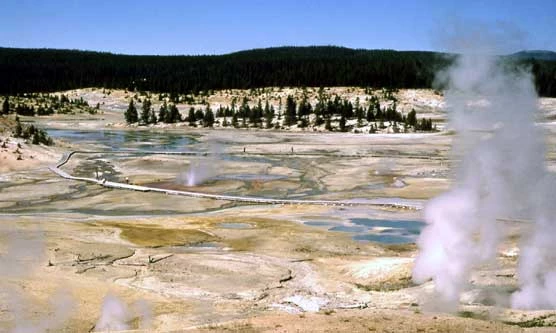
Energy pulses beneath every inch of Norris Geyser Basin, Yellowstone’s hottest and most volatile geothermal area. The landscape feels alive, constantly shifting as new vents open and old ones fade. Steam hisses from countless fumaroles, and the ground glows with surreal shades of white, green, and turquoise. Steamboat Geyser—the world’s tallest active geyser—dominates the basin, capable of erupting over 300 feet into the air when it chooses to unleash its fury. Boardwalks guide visitors safely through this otherworldly terrain divided into two main sections: the Porcelain Basin and the Back Basin. Each tells a different story—Porcelain’s stark, open expanse feels lunar, while the Back Basin winds through forested paths leading to colorful pools and unpredictable geysers. The smell of minerals lingers in the air, and the ground trembles faintly underfoot, a reminder of the magma chamber far below. Norris is more than spectacle—it’s Yellowstone’s laboratory of change, where temperature, chemistry, and color evolve continuously. Visitors often leave with a heightened awareness of Earth’s raw energy. Every plume, ripple, and shimmer reveals the park’s fiery foundation, reminding all who walk here that Yellowstone is not just scenic—it’s a living planet expressing its power in pure form.
West Thumb Geyser Basin

Beauty meets tranquility at West Thumb Geyser Basin, a thermal wonder set along the pristine shores of Yellowstone Lake. The basin’s unique location allows visitors to see geysers and hot springs set against a sparkling blue expanse of water—the largest high-elevation lake in North America. Boardwalks loop through steaming vents, vibrant turquoise pools, and small geysers like Abyss Pool and Black Pool, whose colors shift with temperature changes. What makes West Thumb remarkable is its underwater hydrothermal activity—cones and vents lie beneath the lake’s surface, occasionally visible through the crystal-clear shallows. The contrast between boiling earth and calm water is mesmerizing, a perfect symbol of Yellowstone’s balance between fire and ice. In the early morning, rising steam mingles with mountain reflections, creating a dreamlike scene that feels untouched by time. Wildlife such as elk and waterfowl often appear along the shoreline, completing the sense of harmony. This smaller basin offers quieter exploration than the park’s more famous sites yet holds immense geological and visual appeal. Each feature here tells a subtle story of Yellowstone’s living energy, where beauty arises not from force, but from the serene coexistence of heat, water, and time.
Yellowstone Lake
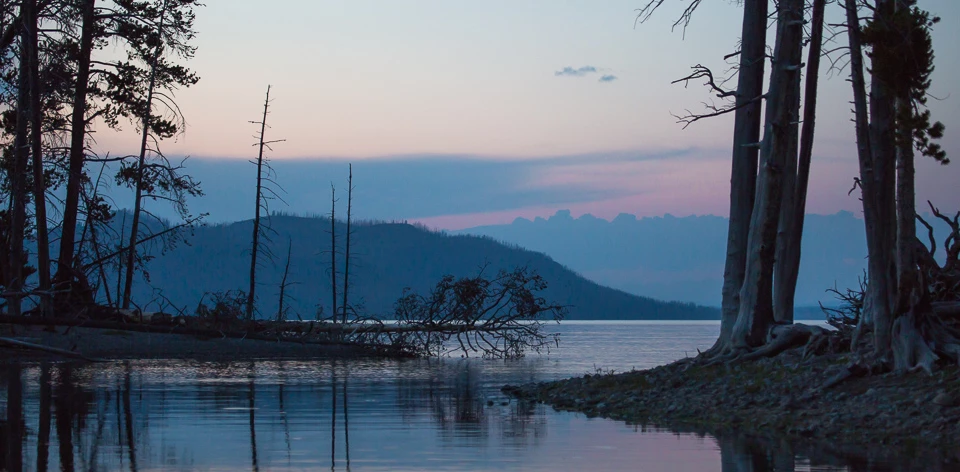
Expansive and serene, Yellowstone Lake captures the park’s soul in a single breathtaking panorama. Spanning over 130 square miles, it is North America’s largest high-altitude lake, resting above an active volcanic caldera. Its deep, icy waters shimmer with unmatched clarity, reflecting the surrounding mountains and shifting sky. Beneath the surface, thermal vents bubble quietly—an unseen reminder of Yellowstone’s restless geology. Along its shoreline, visitors find solitude among lodgepole pines, sandy coves, and open meadows where elk graze and bald eagles hunt. The historic Lake Hotel, with its grand columns and lakeside veranda, provides timeless charm for travelers seeking to linger in comfort. In summer, kayaks and fishing boats dot the calm waters, while in winter, ice transforms the lake into a crystalline expanse under the watch of snow-covered peaks. Scientists study its thermal ecology closely, as life thrives even in near-boiling underwater vents. The lake’s tranquil surface conceals vast energy below, embodying Yellowstone’s dual nature—beauty and volatility intertwined. For visitors, standing by its edge feels both peaceful and humbling, a reminder that the world’s most powerful forces can coexist with moments of complete stillness and grace.
Firehole Lake Drive & Fountain Paint Pots

Adventure unfolds along Firehole Lake Drive, a short yet dazzling loop that showcases Yellowstone’s vibrant hydrothermal life. The road winds through steaming fields where geysers, bubbling pools, and mud pots create a constantly shifting landscape. Firehole Lake itself glows a surreal blue, fringed by clouds of mist that shimmer under sunlight. Nearby, the Great Fountain Geyser offers one of the park’s most photogenic eruptions, shooting jets of water high against a mirror-like reflecting pool. Continuing along the route, the Fountain Paint Pots area reveals a fascinating contrast—mud bubbling in rhythmic bursts, each pot differing in color and texture depending on temperature and mineral content. Shades of red, gray, and tan swirl together like nature’s palette in motion. The scent of sulfur drifts softly through the air as geysers hiss in the distance, creating an atmosphere that feels both raw and alive. This drive allows close, safe encounters with Yellowstone’s geothermal essence without long hikes, making it perfect for spontaneous exploration. Every stop offers new surprises—a reminder that even the park’s shorter routes hold immense beauty and geological wonder. Firehole Lake Drive condenses Yellowstone’s vast drama into a compact, endlessly fascinating experience.
Tower Fall & Tower-Roosevelt Area
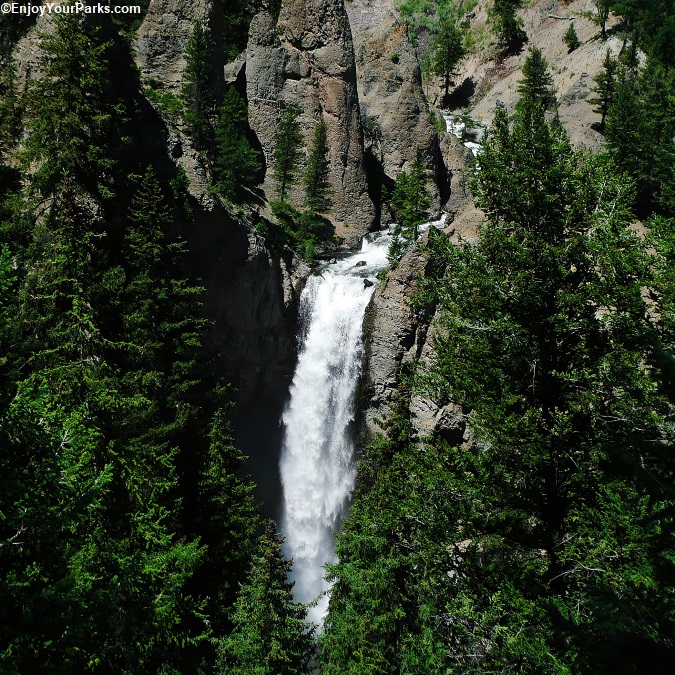
Rugged cliffs and roaring waterfalls define the Tower-Roosevelt region, where Yellowstone’s wild northern character truly comes alive. Tower Fall plunges 132 feet in a white rush framed by striking rock spires, a natural amphitheater sculpted by centuries of erosion. The overlook trail provides stunning views, especially at sunrise when light ignites the basalt columns in hues of gold and amber. Just beyond, the road toward Roosevelt Lodge winds through meadows where bison and black bears are often seen grazing or wandering near the forest edge. This area holds deep historical charm—the Roosevelt Lodge still welcomes guests in rustic cabins reminiscent of early 1900s expeditions. Scenic horseback rides and stagecoach tours offer nostalgic ways to experience the landscape, echoing the spirit of Teddy Roosevelt’s conservation legacy. The nearby Petrified Tree stands as a silent monument to Yellowstone’s prehistoric past, preserved from ancient volcanic ash. Tower Junction serves as a crossroads for exploration, leading toward Lamar Valley or Dunraven Pass. With its blend of scenic drama and frontier atmosphere, the Tower-Roosevelt area embodies the park’s adventurous heart. It’s a place where history, geology, and wilderness merge—an enduring reminder of Yellowstone’s untamed and majestic roots.
Pelican Valley & Fishing Bridge Area
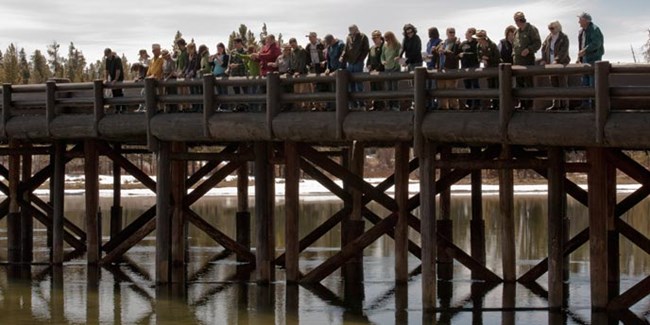
Wild solitude defines Pelican Valley, one of Yellowstone’s most remote and ecologically vital regions. Located near the park’s eastern expanse, this broad valley unfolds in sweeping grasslands, dense willows, and tranquil marshes nourished by the Yellowstone River. Known as prime grizzly habitat, the area demands respect and awareness, yet rewards patient observers with glimpses of bears foraging for roots or bison grazing peacefully near winding streams. In early summer, wildflowers blanket the valley floor in waves of color, contrasting against distant snowcapped peaks. The nearby Fishing Bridge area serves as the gateway to this wilderness—once popular for trout fishing, now a protected sanctuary to preserve fragile spawning grounds. The bridge itself offers breathtaking views across the lake’s northern shore, where pelicans, ospreys, and otters thrive in abundance. Visitors can explore interpretive trails, observe wildlife from safe pullouts, or simply pause to absorb the valley’s immense stillness. Sunrise here feels sacred—the world awakening in golden light and quiet movement. Pelican Valley and Fishing Bridge together represent Yellowstone’s essence: raw, balanced, and profoundly alive. This is not a place for hurried sightseeing but for reflection, where nature’s pace dictates the rhythm and every moment feels deeply, authentically wild.