
Crystal-clear waters, vibrant coral reefs, and abundant marine life make Florida one of the best snorkeling destinations in the United States. With its tropical climate and diverse coastlines, the Sunshine State offers endless underwater adventures for every skill level. From the coral gardens of the Florida Keys to the freshwater springs of central Florida, each location reveals a unique aquatic world teeming with color and life. This guide highlights the top places for snorkeling in Florida, helping travelers find the most scenic spots to swim, explore, and experience the state’s stunning natural beauty beneath the surface.
Crystal-Clear Limestone Spring Channels

Sunlight filtering through Florida’s limestone springs reveals glassy channels where visibility stretches for over 100 feet. The natural clarity here comes from mineral filtration through ancient rock, creating a dazzling underwater panorama of aquatic plants, freshwater fish, and limestone ledges. Snorkelers can drift gently with the mild current through formations sculpted over millennia, watching smallmouth bass, turtles, and shimmering schools of sunfish glide below. Many of these springs—like Ichetucknee, Silver Glen, and Ginnie Springs—remain a constant 72°F year-round, offering comfortable conditions in every season. Shallow entry points make them accessible even for beginners, while deeper caverns lure advanced snorkelers. The stillness amplifies every sound—bubbles rising, fins brushing the surface—adding to the immersive tranquility. Local conservation programs ensure water purity, allowing marine vegetation to thrive and sustain wildlife. Beyond their beauty, these channels serve as natural sanctuaries that highlight Florida’s geological heritage and fragile ecosystem balance.
Sunken Shipwreck Trails in Shallow Bays

Just off Florida’s Gulf and Atlantic coasts, artificial reefs formed from historic shipwrecks have become thriving underwater museums. These shallow bay trails let snorkelers explore maritime history while observing how marine life reclaims steel and timber. Coral encrustations coat the hulls, and schools of snapper, angelfish, and sergeant majors dart through open portholes. Sites like the USS Mohawk off Fort Myers Beach or the Copenhagen Wreck near Lauderdale-by-the-Sea are particularly popular for snorkelers who prefer manageable depths and calm waters. Each wreck tells a story—storms survived, voyages ended, and now, rebirth as ocean habitats. Sea fans and sponges drape the wrecks in color, creating mesmerizing silhouettes against the sandy seabed. With visibility often exceeding 40 feet, these sites are perfect for underwater photography. Guided snorkel tours provide background on the vessels’ origins and safe navigation around fragile corals. Conservation groups continuously monitor the structures to ensure marine health and diver safety. Exploring these shipwreck trails isn’t just recreational—it’s a reminder of the ocean’s ability to transform remnants of history into vibrant, living reefs.
Coral Maze Beyond the Shoreline Rocks

Beyond the jagged shoreline, Florida’s coral labyrinths unfold into a world of intricate structure and color. These nearshore reefs teem with parrotfish nibbling coral, butterflyfish weaving through staghorn branches, and shy lobsters hiding in crevices. Locations like John Pennekamp Coral Reef State Park and the lower Keys provide some of the most accessible coral snorkeling in the continental U.S. The shallow depth—often under 10 feet—lets sunlight illuminate every detail, from coral polyps to darting wrasses. Each turn through the maze feels like entering a new ecosystem, where hard and soft corals intertwine in living sculpture. Seasonal water clarity peaks from April to October, making this period ideal for crystal views and calm seas. The area’s protected status ensures minimal boat interference, preserving both biodiversity and safety for snorkelers. Visitors are advised to maintain buoyancy and avoid touching the coral, as these fragile organisms grow just millimeters per year. Snorkeling these coral corridors provides both beauty and awareness—an appreciation for ecosystems that have endured centuries yet remain vulnerable to modern threats like warming seas and pollution.
Night-Snorkel Glow With Bioluminescent Fish
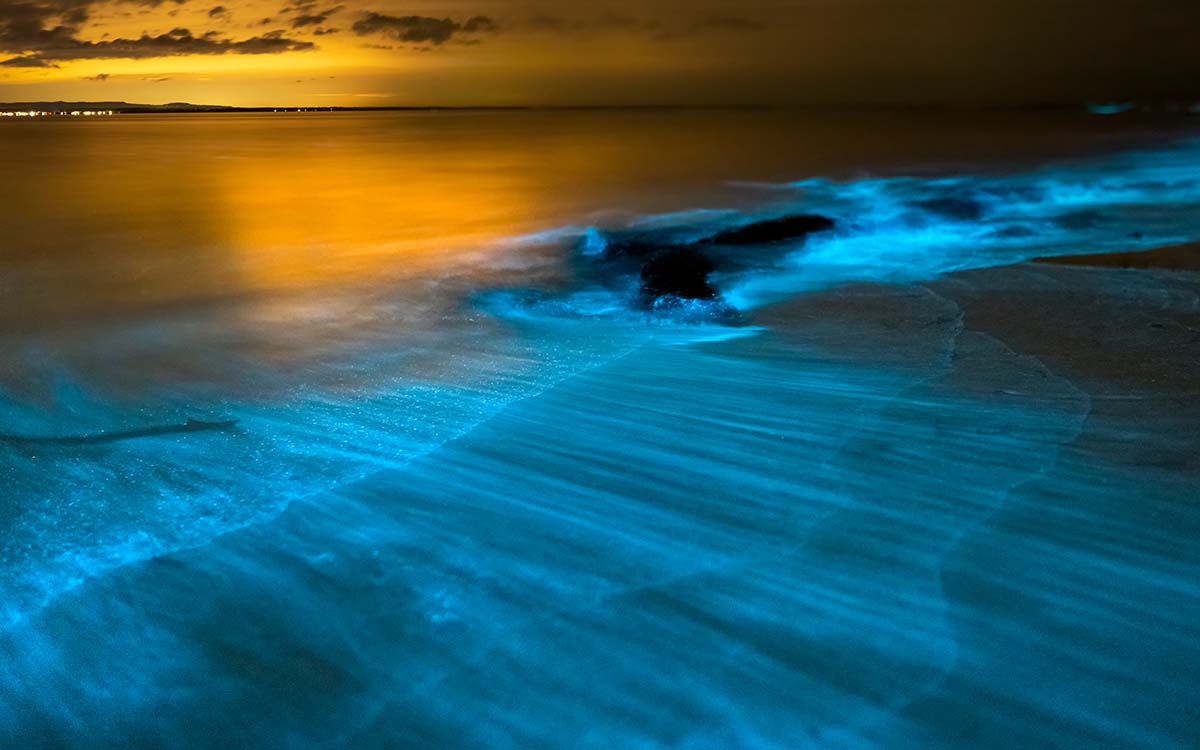
When daylight fades, Florida’s coastal shallows transform into an otherworldly realm illuminated by living light. Bioluminescent organisms—plankton, jellyfish, and tiny fish—emit soft electric-blue glows when disturbed, creating a surreal spectacle beneath the water’s surface. Guided night snorkel tours in spots like Merritt Island, the Indian River Lagoon, and Key West’s mangrove coves let participants witness this rare phenomenon safely. With every fin movement, glowing trails ripple through the darkness, and even a simple hand wave ignites hundreds of sparkles. Many tours use specialized low-light equipment to enhance visibility without disturbing marine life. Calm, warm nights in late summer through early fall provide the most intense luminescence. Beyond its visual magic, this natural light show reveals the delicate balance of marine microorganisms thriving in nutrient-rich waters. Guides emphasize safety and environmental respect—no chemicals, no artificial lights, and controlled group sizes. Experiencing a bioluminescent night snorkel feels less like a sport and more like stepping into a cosmic dance where science meets wonder. For eco-conscious travelers, it’s an unforgettable reminder of Florida’s living marine marvels that glow in rhythm with the tides.
Mangrove Fringe Snorkeling with Tidal Passages

Along Florida’s coasts, mangrove ecosystems form a labyrinth of roots and waterways brimming with marine life. Snorkeling here isn’t about depth—it’s about discovery in the shallows. The twisting root systems shelter juvenile fish, seahorses, and crabs, offering snorkelers a close look at the foundation of coastal biodiversity. Locations like the Ten Thousand Islands, Islamorada, and Lido Key Lagoon feature calm, protected waters ideal for leisurely exploration. During high tide, gentle currents sweep through the tunnels, creating natural underwater corridors. The light filtering through mangrove canopies casts mesmerizing ripples, illuminating starfish and sponges clinging to submerged roots. Unlike coral reefs, mangrove snorkeling focuses on the quiet intricacy of life—delicate symbiosis between trees and ocean species. The mix of salt and freshwater attracts everything from rays to tiny pipefish, making each passage unique. Eco-guides often share insight on how mangroves act as natural storm barriers and carbon sinks. With minimal equipment and low environmental impact, this experience merges relaxation with education, allowing snorkelers to float through one of Florida’s most vital yet often overlooked habitats.
Underwater Cave Windows & Air Pockets

Hidden beneath Florida’s spring-fed rivers and coastal inlets lie networks of underwater caves that feel both mysterious and breathtaking. These natural chambers, formed over thousands of years by water carving through limestone, offer a one-of-a-kind snorkeling experience. Locations such as Devil’s Den, Blue Grotto, and Peacock Springs feature crystal-clear visibility, allowing snorkelers to see every ripple and mineral contour. Sunlight streams through natural skylights, creating shimmering beams that dance across the rock walls. Air pockets within some caves let snorkelers surface mid-dive, taking a quiet breath while suspended between light and shadow. The water temperature remains a steady 72°F, offering year-round comfort. Safety is paramount—guided tours ensure proper navigation, as the twisting passages can be deceptive. The sense of stillness, combined with the geological artistry of stalactites and fossil imprints, makes this an experience that feels almost sacred. These caves are not just scenic wonders; they are time capsules revealing Florida’s ancient aquifer systems and prehistoric past. Every moment spent here blends adventure with reverence for nature’s hidden architecture.
Barrier Reef Edge with Big Fish and Pelagic Sighting

At the outer edge of Florida’s coral barrier reef—the only one in the continental U.S.—the underwater world grows wilder. Here, currents sweep past coral drop-offs where schools of jackfish, barracuda, and the occasional reef shark glide effortlessly through open blue. Located mainly off Key Largo, Islamorada, and the Dry Tortugas, these reef edges offer encounters with both tropical reef dwellers and open-ocean giants. The depth ranges from 20 to 40 feet, making it manageable for advanced snorkelers while still offering the thrill of big-water exploration. Vibrant gorgonians, brain corals, and sea fans sway with the tide, creating a living tapestry against the deep-water backdrop. Seasonal visibility often exceeds 70 feet, especially in summer, when the ocean is calmest. Many tours combine reef-edge snorkeling with ecological education, emphasizing conservation and safe wildlife observation. Witnessing a hawksbill turtle or a spotted eagle ray glide past is unforgettable—proof that Florida’s reefs remain alive with motion and mystery. This is where the reef meets the open sea, and the adventure expands beyond the ordinary.
Seagrass Flats Plus Turtle Galleries in One Swim

Florida’s coastal shallows hide sprawling seagrass meadows that double as nurseries for countless marine species. These underwater prairies, found in regions like Crystal River, Marathon, and Sarasota Bay, provide one of the most tranquil snorkeling settings imaginable. Floating above seagrass flats reveals a subtle world of stingrays resting in the sand, starfish spreading beneath the current, and schools of juvenile snapper darting between blades of grass. Green and loggerhead turtles frequent these feeding grounds, gracefully grazing on vegetation before surfacing for air nearby—an unforgettable sight for snorkelers. Because the water is often waist-deep, it’s ideal for beginners and families. Early mornings bring the best clarity and calm, while afternoon sun enhances the golden-green glow of the seagrass. Conservation zones ensure these delicate ecosystems remain undisturbed, protecting both marine life and shoreline stability. The experience is peaceful rather than adrenaline-fueled, focusing on gentle observation and respect for the creatures that call these flats home. It’s one of the few places where patience rewards you with serene, slow-motion encounters that feel almost meditative.
Artificial Reefs Created for Snorkel Access

Florida’s coastal waters boast dozens of artificial reefs designed to support marine ecosystems and accessible snorkeling. Constructed from eco-safe materials—like decommissioned ships, concrete modules, and limestone boulders—these underwater structures attract corals, sponges, and vibrant fish populations. Locations such as the Emerald Coast’s reef network and Palm Beach County’s snorkel reefs are specifically engineered for shallow exploration, usually under 20 feet deep. Within months of placement, marine life colonizes these reefs, transforming them into thriving underwater communities. Snorkelers can spot angelfish, octopus, and colorful sponges clinging to geometric patterns of submerged modules. Unlike fragile natural reefs, these sites are durable and resilient against foot traffic, offering a guilt-free adventure for eco-conscious travelers. Many coastal counties map and mark reef coordinates, making self-guided visits easy for confident swimmers. The clarity of the water, combined with the accessibility from the beach, creates a rewarding experience without the need for boats or deep diving. These artificial reefs prove that human ingenuity, when guided by sustainability, can restore and even expand Florida’s marine biodiversity for future generations to explore and cherish.
Snorkel Safari by Boat to Remote Keys & Shoals
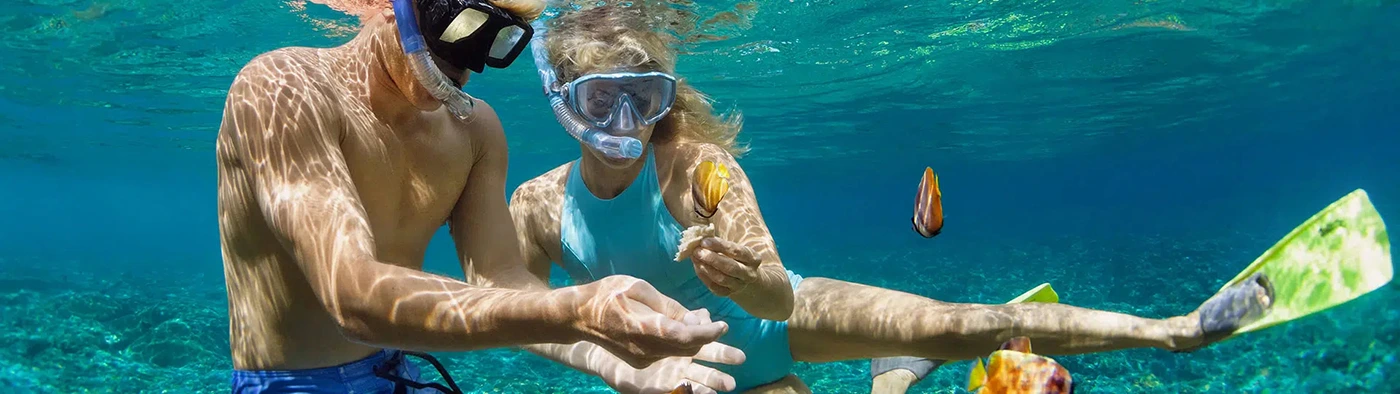
For those seeking solitude beneath the waves, boat-led snorkel safaris to Florida’s remote Keys and shoals deliver pure aquatic escape. Departing from ports like Marathon, Islamorada, and Key West, these half-day or full-day trips journey to areas unreachable from shore. Stops might include Looe Key Reef, Sombrero Reef, or the lesser-known Marquesas shoals—each teeming with tropical fish, soft corals, and the occasional dolphin sighting. Experienced guides anchor responsibly away from coral and provide gear fitted for comfort and buoyancy. The open-water clarity can exceed 80 feet on calm days, revealing spectacular reef slopes and sand channels glowing in turquoise hues. Between snorkel sessions, passengers relax on deck, soaking in sea breezes and distant island views. Wildlife encounters often include nurse sharks, turtles, and eagle rays cruising gracefully beneath the hull. Many safaris integrate marine education, emphasizing reef protection and respectful interaction. By venturing off-grid, snorkelers enjoy both pristine visibility and unspoiled serenity—a blend of exploration and environmental stewardship that defines Florida’s offshore snorkeling experience.
Morning Snorkel with Changing Light & Mirror-Flat Water

Few experiences compare to early-morning snorkeling in Florida’s calm, glassy bays. The dawn light transforms the water into a mirror reflecting coral silhouettes and flickering schools of fish. Conditions are typically calmest before 10 a.m., offering unparalleled visibility and stillness. Places like Bahia Honda, Fort Zachary Taylor, and Dry Tortugas provide sheltered waters ideal for sunrise sessions. As the sun climbs, beams of gold and blue pierce the surface, illuminating sand ripples and coral textures in crisp detail. The absence of boat traffic and waves allows marine life—like rays, tangs, and turtles—to feed undisturbed. Morning also brings cooler temperatures and quieter surroundings, enhancing the meditative rhythm of breathing through a snorkel while floating weightlessly. Local guides often recommend these hours for photographers seeking the softest natural light and the purest reflections. Beyond the aesthetics, early snorkeling minimizes environmental disturbance and human crowding. It’s a moment of perfect equilibrium—when the ocean, sky, and swimmer align in peaceful harmony, revealing the serene side of Florida’s vibrant underwater world.
Eco-Friendly Snorkel Spots with Invisible Jet-Nozzles & Minimal Boats

Florida’s newest generation of eco-conscious snorkel sites showcases innovation without sacrificing the environment. Certain marine parks, like those near Key Largo and Destin, now use submerged jet-nozzle systems to circulate water naturally—reducing sediment buildup and eliminating the need for intrusive boat anchoring. These invisible jets maintain ideal visibility while protecting coral and seagrass from propeller damage. Snorkelers benefit from clearer water, quieter surroundings, and healthier marine life populations. Limited boat access ensures fewer emissions, while solar-powered floating platforms provide shaded rest stops between dives. Rangers closely monitor these zones to prevent overuse, ensuring every visit remains sustainable. Underwater, the scenery feels untouched—schools of chromis flicker through coral heads, sponges sway gently in the current, and curious turtles glide past unbothered by noise. The technology supporting this serenity stays hidden, allowing nature to take center stage. Visitors often leave with a deeper appreciation for how sustainable innovation can preserve beauty without interference. These sites represent Florida’s future of marine recreation—cleaner, quieter, and more harmonious with the ecosystems that make snorkeling here unforgettable.