
Salt-bright harbors, cliff-backed beaches, and pastel waterfronts shape Devon’s coastal identity in ways few counties can match. These towns matter because they blend walkable promenades, local seafood, sailing culture, and easy access to the South West Coast Path into one compact escape. From classic resort energy to quiet fishing villages, each stop offers a different pace for families, couples, and solo travelers. Planning well saves time, avoids seasonal crowds, and unlocks the best viewpoints, swims, and food spots. This guide showcases the best beautiful seaside towns in Devon with practical tips, location highlights, and what makes each shoreline community unforgettable.
Woolacombe & Croyde Bay Surf Coast
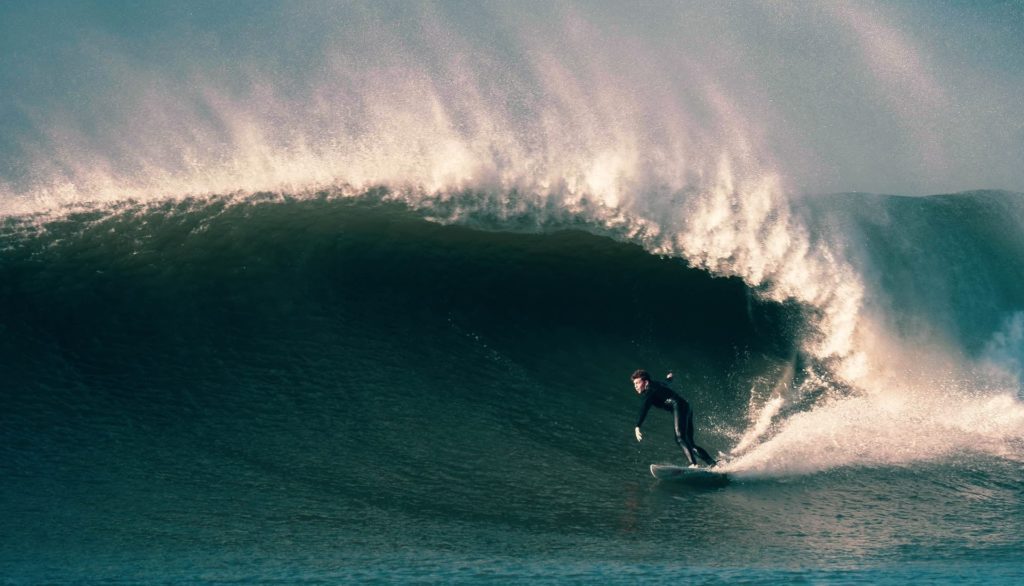
Atlantic swells meet golden shoreline along one of Devon’s most celebrated surf corridors. Woolacombe’s sweeping three-mile beach consistently ranks among the best in Britain for wave quality, safety, and spacious sands. Soft dunes, seasonal lifeguard patrols, and reliable surf breaks make it equally appealing for families and experienced surfers. Just south, Croyde Bay delivers a more dramatic surfing experience, drawing riders from across Europe with its powerful beach breaks and reef-driven barrels. The South West Coast Path links both destinations with clifftop walking routes that reveal panoramic ocean views and wildflower-covered headlands. Coastal cafés, surf schools, and board hire shops line the area, sustaining a lively yet relaxed seaside culture. Sunsets often transform the coast into a glowing ribbon of amber and deep blue. Nearby Braunton Burrows, one of England’s largest sand dune systems, adds a rich ecological dimension. Seasonal events, surf competitions, and coastal festivals maintain year-round interest. Clean waters, wide sandy bays, and rugged scenery combine to create a shoreline that balances natural grandeur with vibrant seaside life. Wind conditions and tidal flows constantly reshape the seascape, adding dynamic variety to every visit.
Lee Bay Hidden Cove

Tucked quietly beneath steep wooded cliffs, this secluded inlet feels worlds away from the busier North Devon beaches. A narrow coastal road winds down to a small pebble-and-sand shoreline where clear waters shimmer within a sheltered natural bowl. Lee Bay’s sheltered orientation creates calm swimming conditions during settled weather, while rock pools reveal starfish, anemones, and tiny crabs at low tide. Traditional cottages cluster along the valley floor, preserving a timeless fishing hamlet atmosphere. The surrounding hills rise sharply, offering dramatic walking routes with uninterrupted sea views from the South West Coast Path. Kayakers and paddleboarders favor the calm waters that gently lap against the curved shoreline. During summer, limited parking and minimal commercial development help protect the bay’s tranquil character. Sunset light often spills across the cliffs, turning slate rock faces bronze and copper. Occasional fishing boats drift quietly offshore, reinforcing the location’s enduring maritime connection. Wildlife sightings are common, with seals occasionally appearing near the headlands. The absence of crowds, arcades, or loud attractions preserves the bay’s peaceful identity. Every element here encourages slower exploration and quiet coastal appreciation.
Blackpool Sands Clear Waters
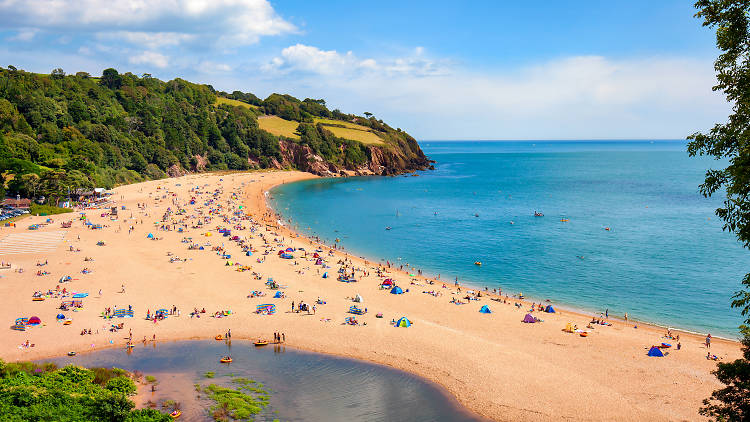
Sheltered by pine-covered hills and curved into a near-perfect crescent, this South Devon beach offers unusually calm and transparent waters. Unlike typical sandy beaches, its fine shingle shoreline allows the sea to retain exceptional clarity, making it ideal for swimming, snorkeling, and paddleboarding. The bay’s south-facing position shields it from strong Atlantic winds, creating gentle conditions even when surrounding coasts experience rougher surf. Seasonal lifeguards provide added confidence for families visiting during warmer months. A wooden footbridge separates the beach from a quiet freshwater lagoon, attracting birdlife throughout the year. Kayak and windsurf rentals operate nearby, supported by changing facilities and casual seafront dining. The surrounding slopes are covered with dense greenery that frames the bay in natural color contrast. Early mornings deliver mirror-like water surfaces, while late afternoons produce glowing reflections across the sheltered cove. The lack of urban sprawl maintains a refined coastal feel. Access remains easy without sacrificing seclusion. Whether floating offshore or walking the shoreline, the atmosphere feels balanced between comfort and raw coastal beauty. Calm seas, clean water, and scenic surroundings define its distinctive appeal.
Ilfracombe Artistic Harbour

Creative energy flows through this historic harbor town where rugged cliffs rise above a working marina. Fishing boats still land daily catches beside modern galleries, studios, and public art installations that reshape the waterfront experience. Damien Hirst’s striking sculpture stands near the harbor entrance, symbolizing Ilfracombe’s evolution into a cultural coastal destination. Victorian tunnels carved through cliff rock lead to small tidal beaches with dramatic stone arches and hidden pools. Independent cafés, vintage shops, and seafront restaurants line the steep streets rising above the harbor. Boat tours depart regularly toward Lundy Island, offering wildlife encounters with seals, dolphins, and seabirds. The harbor walls curve protectively around turquoise water that reflects layered rows of colorful buildings. Evening light transforms the cliffs into shadowed silhouettes above glowing promenades. Seasonal festivals and art events sustain year-round vibrancy. Historic maritime character blends seamlessly with contemporary creative expression. Coastal footpaths extend north and south, connecting walkers to quieter coves and panoramic viewpoints. The town’s identity thrives on contrast—working port, art destination, and dramatic coastal gateway unified within a compact seafront landscape.
Hope Cove Coastal Village
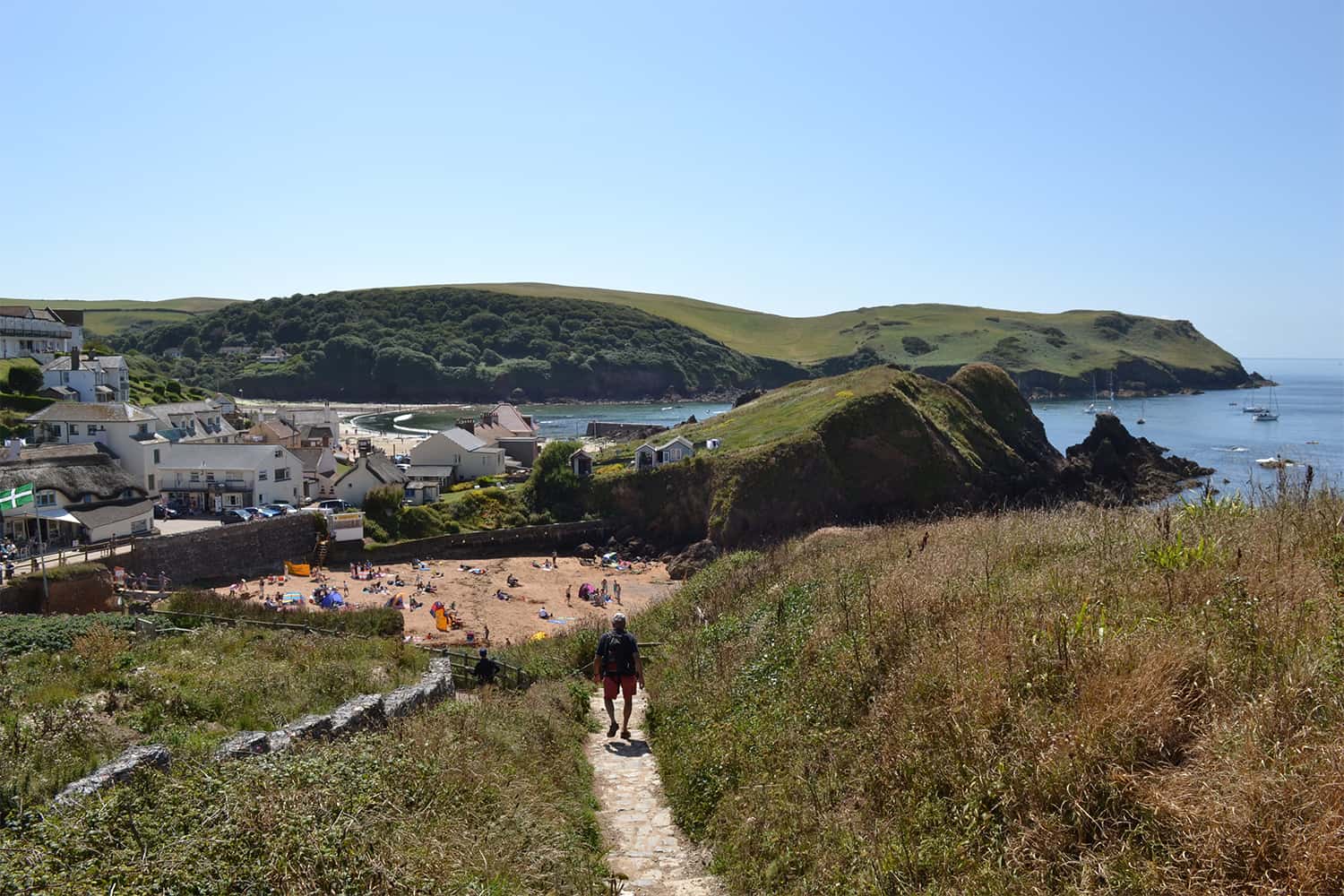
Twin sandy inlets framed by rolling headlands define this postcard-perfect South Devon settlement. Inner Hope offers calm, sheltered waters ideal for families, while Outer Hope presents a more open shoreline shaped by Atlantic tides. Whitewashed cottages climb gently above the beaches, creating a layered coastal village appearance that remains largely unchanged. Fishing boats still launch from the shore when conditions allow, preserving the area’s maritime rhythm. The South West Coast Path threads past both beaches, delivering sweeping views toward Bolt Tail and along the exposed coastline. Rock pooling thrives at low tide, revealing crabs, shells, and sea anemones within shallow reefs. Seasonal beach cafés, local pubs, and small shops maintain a friendly, unhurried pace of life. Evening light softens the surrounding cliffs into warm shades of gold and rose. Kayaking and paddleboarding flourish due to protected bays and manageable currents. Wildlife encounters regularly include seals offshore and seabirds circling the cliffs. The village retains strong community character without large-scale development. Every element blends naturally into an authentic seaside environment shaped by tides, terrain, and tradition.
Teignmouth & Dawlish Beachfront

Railway lines hugging the open coast deliver immediate drama along this lively stretch of South Devon shoreline. Dawlish’s famous seaside railway passes directly beside red sandstone cliffs and turquoise waters, creating one of Britain’s most photographed coastal scenes. Long sandy beaches extend on either side of the town, supported by Victorian promenades and traditional seaside attractions. Teignmouth follows further north with broad estuary views, sailing activity, and an expansive pier that stretches into the channel. The River Teign widens into a bustling harbor where paddleboarders, kayakers, and small boats share calm waters. Colorful beach huts, ice-cream kiosks, and open cafés add energy along both waterfronts. Coastal storms often send waves crashing dramatically over the railway sea wall, a spectacle that draws year-round visitors. Summer brings gentle swimming conditions and family-friendly sands. Migratory birds gather along the estuary margins during cooler months. Clifftop walks rise above the urban shoreline, offering elevated perspectives across both towns. Together, these twin resorts blend transport history, classic seaside culture, and expansive coastal scenery into one continuous waterfront experience.
Beer Fishing Village
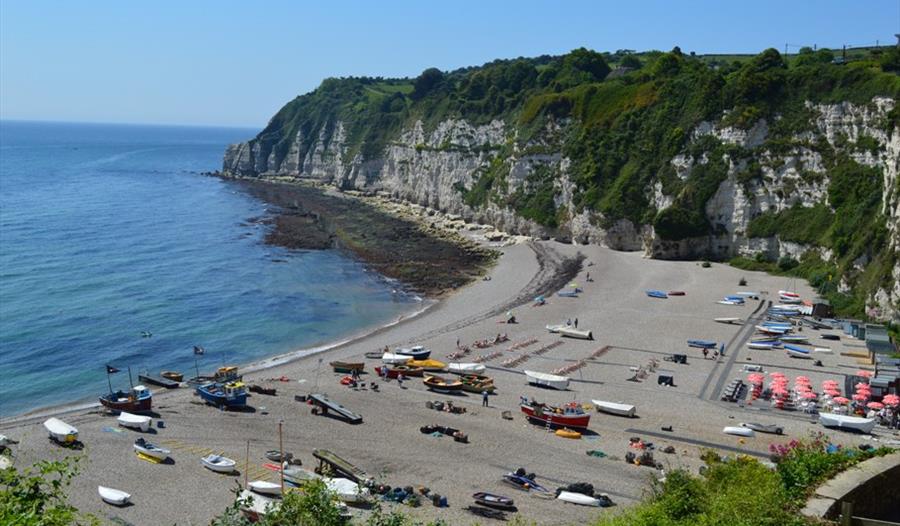
White chalk cliffs curve protectively around this historic East Devon settlement, shaping one of the county’s most atmospheric working harbors. A steep lane descends directly to the shingle shoreline where fishing boats rest between tides. Beer remains one of Devon’s last active beach-launched fishing communities, known particularly for its crab and lobster landings. The pebble beach produces remarkably clear waters, making it popular for snorkeling and fossil hunting. Secluded coves and chalk caves carve through the cliffs, reachable by water or careful exploration on foot. Rows of stone cottages rise behind the beach, maintaining a strong visual connection to the village’s maritime heritage. The South West Coast Path climbs swiftly above the harbor, revealing open sea views and dramatic cliff contours. Local galleries, tearooms, and seafood eateries reflect both tradition and quiet creativity. Early morning activity centers on boats launching across rolling surf. Evenings bring a soft hush as the harbor lights reflect gently across water. Timeless character, strong fishing identity, and unspoiled coastal setting shape its enduring charm.
Brixham Harbourfront Cliffs

Steep terraced streets cascade toward one of England’s most active fishing ports along this dramatic South Devon harbor. Colorful trawlers line the waterfront beside seafood markets, chandlers, and working quays. Brixham lands a substantial portion of the UK’s commercial fish catch, giving the harbor constant motion and purpose. Red sandstone cliffs rise behind the town, crowned by coastal footpaths that open sweeping views across Tor Bay. A replica of Sir Francis Drake’s Golden Hind anchors maritime heritage directly at the quayside. Breakwaters curve outward, calming waters within the harbor while Atlantic swells roll beyond. Seabirds circle above the fishing fleet, drawn by daily activity. The South West Coast Path threads both east and west toward quieter coves and hidden beaches. Evening light reflects across anchored boats and pastel-painted houses rising above the harbor. Local festivals celebrate fishing culture, seafood harvests, and coastal traditions. The balance between industry, heritage, and coastal scenery defines the town’s identity. Every tide cycle refreshes the harbor with movement, sound, and unmistakable maritime energy.
Exmouth Estuary Views
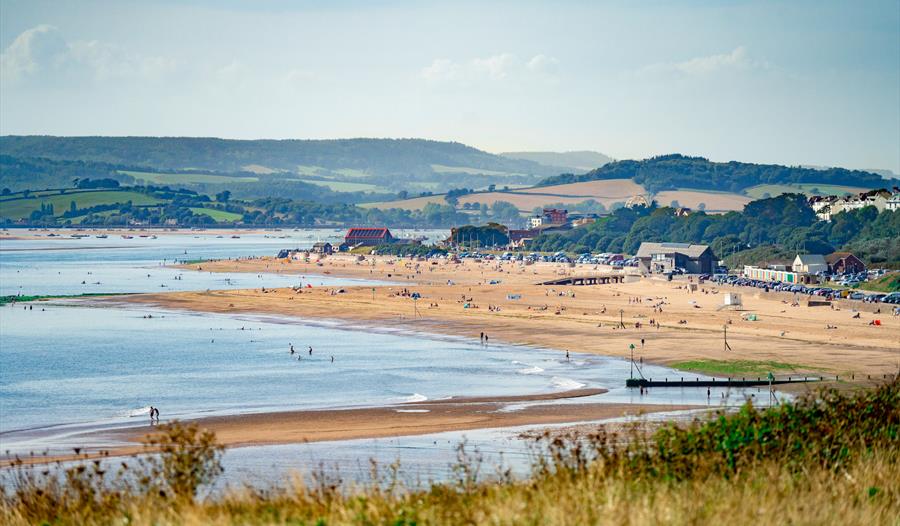
Wide open horizons stretch across Devon’s largest natural estuary where river meets sea in calm expansive layers. Exmouth sits at the estuary mouth, offering sweeping views across tidal flats, sailing waters, and distant headlands. The long sandy beach transitions smoothly into shallow estuary channels favored by paddleboarders, windsurfers, and sailors. Migratory birds gather here in large seasonal numbers, making the area a nationally important wildlife site. The Exe Estuary Trail provides a scenic cycling and walking route that links Exmouth with Topsham and Exeter along flat coastal terrain. Mudflats and sandbanks shift constantly with the tides, reshaping reflections at every hour. Waterfront cafés overlook moored boats gliding along gentle currents. Evening skies often expand in layered pastel colors across mirrored water surfaces. The balance between wide-open natural space and family-friendly beachfront creates rare versatility. Calm waters support year-round recreation without heavy surf exposure. Open visibility, ecological importance, and uninterrupted coastal scale distinguish this estuary setting from traditional Devon seaside towns.
Westward Ho! Surf Town

Open Atlantic exposure defines this energetic North Devon seaside community with powerful surf rolling directly onto wide sandy shores. Named after Charles Kingsley’s novel, the town features a distinctive pebble ridge known as the Pebble Ridge backing the main beach. Long, consistent breakers attract surfers throughout the year, supported by surf schools and equipment hire along the seafront. The beach spans uninterrupted toward Northam Burrows, England’s oldest golf course, adding open greenland contrast to the ocean backdrop. Seasonal lifeguard patrols provide added safety for families during peak months. Strong tidal shifts reveal expansive sand flats at low water, perfect for beach walks and shoreline photography. The promenade follows the curve of the coast with cafés, arcades, and coastal viewpoints. Sunsets frequently cast vivid amber and crimson bands across open ocean horizons. Wind conditions create ideal kitesurfing opportunities during blustery spells. The town’s compact layout maintains a relaxed surf-led culture without heavy development pressure. Natural openness, wave energy, and expansive skies shape its unmistakable coastal atmosphere.
Bigbury-on-Sea & Burgh Island
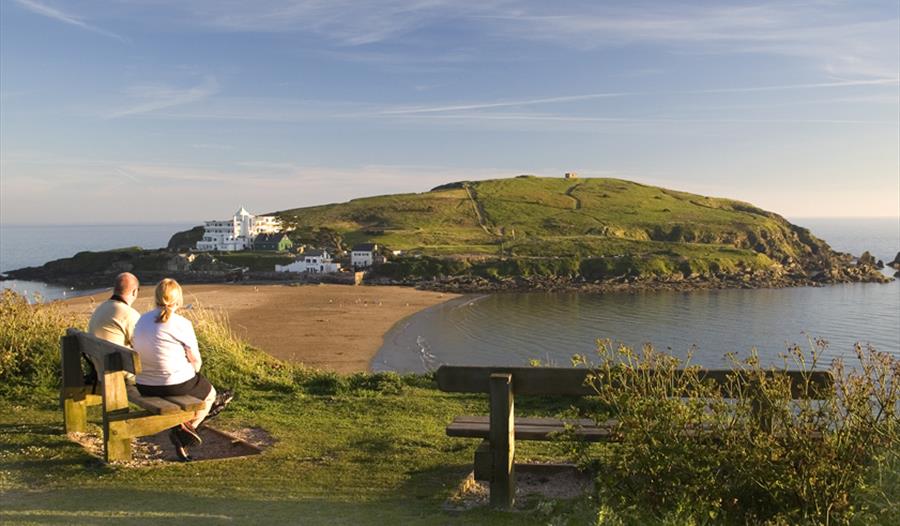
A tidal causeway connecting shoreline to island creates one of Devon’s most visually striking coastal scenes. At low tide, visitors walk across firm sand toward the Art Deco hotel crowning Burgh Island. High tide transforms the crossing into a boat journey across shallow turquoise waters. The sweeping sandy beach at Bigbury-on-Sea delivers wide surfable waves and excellent conditions for wind-driven sports. The surrounding coastline curves gently toward cliffs that frame expansive sea views. Strong Atlantic exposure brings consistent swell, attracting surfers from across the region. Burgh Island’s distinctive silhouette dominates the horizon from nearly every angle, shifting with light and tide. The beach holds fossil-rich rock pools and smooth reflective sands at ebb tide. Coastal footpaths rise above both shoreline and island, unveiling dramatic aerial perspectives. Calm summer conditions allow family swimming near the shore, while winter swells energize the open beach. Few locations present such dramatic tidal contrast within a single compact coastal setting. Natural spectacle, tidal rhythm, and architectural distinctiveness combine to form its iconic status.
Shaldon Lagoon Beach
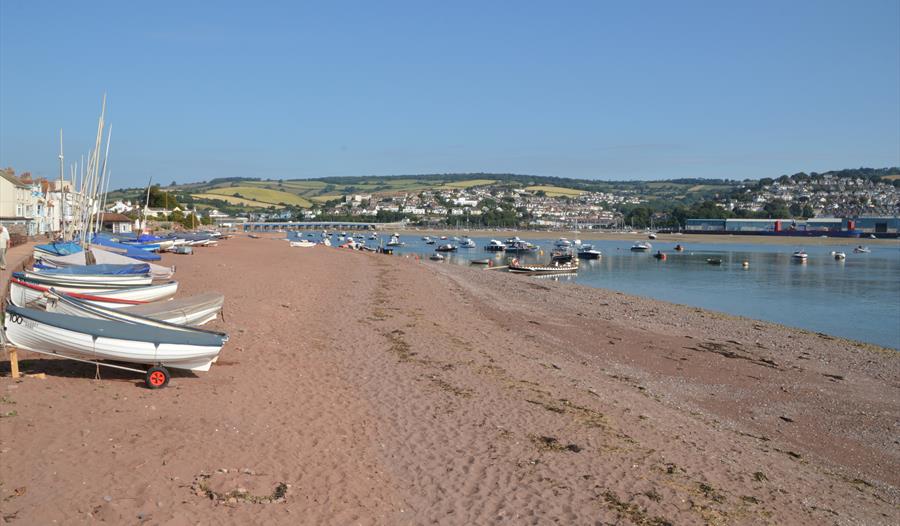
Soft estuary currents shape this sheltered beach where calm waters contrast sharply with the open sea beyond. Shaldon sits opposite Teignmouth across the River Teign, linked by a traditional passenger ferry that glides continuously between both shores. The lagoon-style beach provides gentle swimming, making it particularly popular with families and paddleboarders. Surrounding sandstone cliffs curve protectively around the narrow inlet, creating an intimate coastal environment. Rows of pastel cottages rise above the shoreline, giving the village a delicate layered appearance. The South West Coast Path climbs steeply behind the village toward panoramic viewpoints overlooking the estuary mouth. Kayaks and small sailing craft drift peacefully across sheltered waters throughout the day. Reflections shift constantly as tidal movement reshapes the shoreline contours. Wildlife thrives within the estuarine habitat, including herons, oystercatchers, and seasonal migratory species. Riverside cafés and waterfront walks maintain a tranquil pace without heavy commercial activity. Evening light softens across moored boats and quiet water channels. Sheltered conditions, village charm, and scenic estuary setting define this calm coastal retreat.