
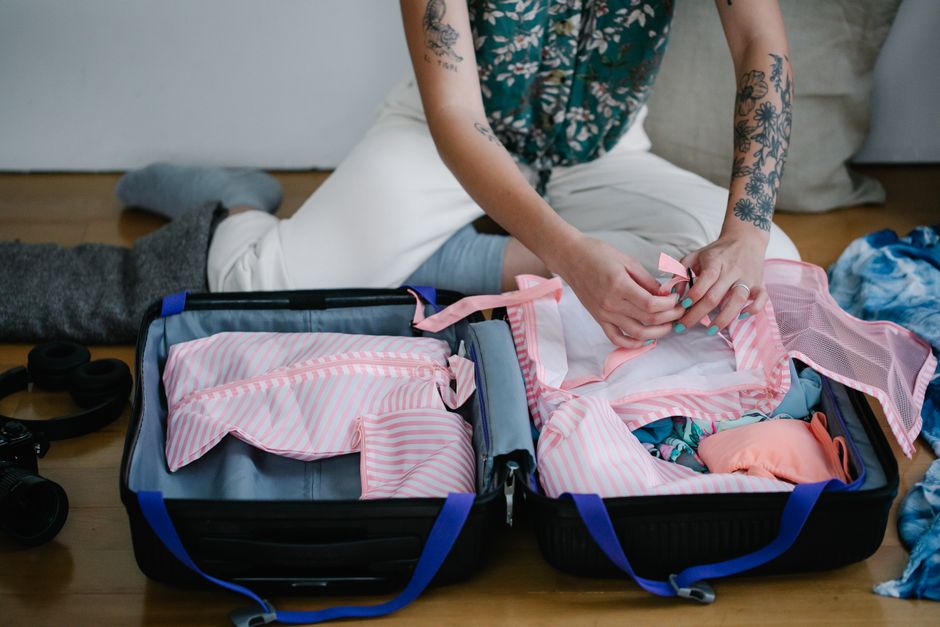
Planning a trip to the continent and wondering what to pack for Europe? A well-planned packing list is your secret weapon for a stress-free European adventure. Europe is a land of incredible diversity, from the sun-kissed beaches of the Mediterranean to the snowy peaks of the Alps and the bustling cityscapes of capitals like London and Rome. Getting your packing right means you’ll be comfortable, prepared, and ready to embrace every experience, no matter the season or destination.
Understanding Europe’s Diverse Climates: What to Pack for Europe by Season
Europe’s climate varies dramatically across its vast landscape and throughout the year. Knowing the typical weather for your specific destinations and travel dates this year is crucial to deciding what to pack for Europe effectively. Always check a reliable weather forecast closer to your departure, but here’s a general guide:
Spring (March-May)
Spring in Europe brings blossoming flowers and mild temperatures, but also unpredictable showers. Northern and Central Europe can still be quite cool, while Southern Europe begins to warm up. Layers are paramount.
- Clothing: Light jackets or trench coats, sweaters, long-sleeved shirts, blouses, jeans, comfortable walking trousers, and a few dresses or skirts.
- Footwear: Waterproof walking shoes or ankle boots are ideal. A pair of versatile flats for evenings.
- Accessories: A small umbrella, a light scarf, and sunglasses.
Summer (June-August)
Summer is peak tourist season, offering warm to hot temperatures across most of the continent. Southern Europe can experience intense heat, especially in July and August. This is when many travelers enjoy a Europe Cruise or explore coastal towns.
- Clothing: Lightweight, breathable fabrics like linen and cotton. T-shirts, shorts, skirts, sundresses, swimsuits, and light trousers.
- Footwear: Sandals, comfortable walking shoes, and flip-flops for beaches or pools.
- Accessories: Sunhat, high-SPF sunscreen, sunglasses, and a reusable water bottle.
Fall (September-November)
Autumn paints Europe in beautiful hues but ushers in cooler temperatures and increasing rainfall, especially later in the season. Early fall can still be pleasantly warm, similar to spring.
- Clothing: Medium-weight jackets, sweaters, long-sleeved tops, jeans, and warmer trousers. A waterproof outer layer is essential.
- Footwear: Waterproof walking boots or sturdy sneakers.
- Accessories: Scarf, gloves (for later fall), and a robust umbrella.
Winter (December-February)
Winter in Europe can range from mild and rainy in the south to extremely cold and snowy in the north and in mountainous regions. Festive markets and winter sports are popular.
- Clothing: Heavy winter coat (waterproof and insulated), thermal layers, sweaters, hats, gloves, scarves, and warm trousers or jeans.
- Footwear: Waterproof, insulated boots with good grip.
- Accessories: Lip balm, rich moisturizer, and hand warmers if you’re prone to cold.
Essential Packing List: What to Pack for Europe Smartly
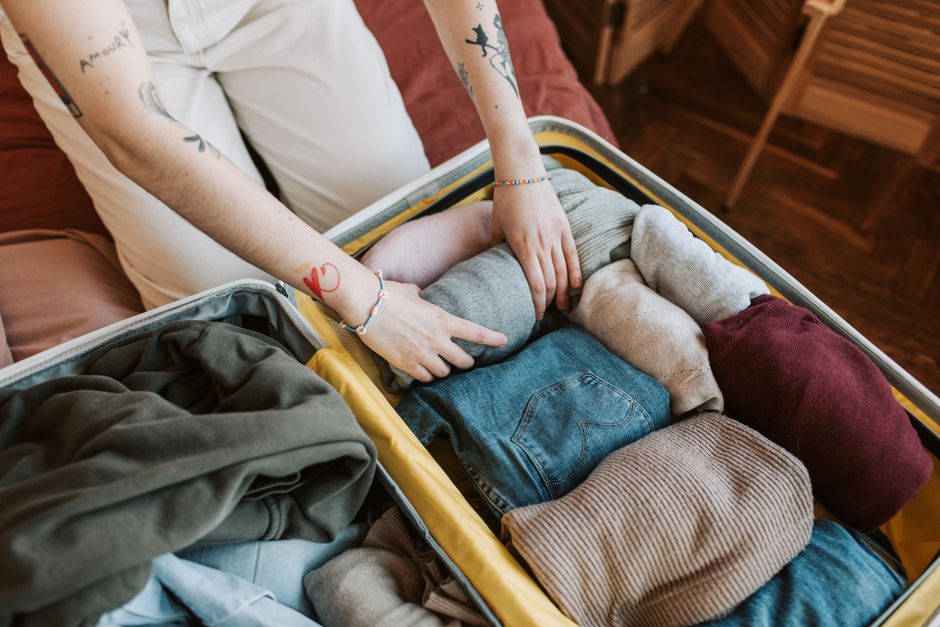
Beyond seasonal considerations, some items are universally essential for any trip to Europe. This comprehensive list will guide you on what to pack for Europe, ensuring you don’t forget the necessities for a smooth journey. For more general travel preparedness, check out The Essential International Travel Guide: Your 10-Step Plan.
Clothing Essentials (The Versatile Wardrobe)
- Underwear & Socks: Pack enough for your trip plus a few extra pairs. Merino wool socks are great for warmth and odor resistance.
- Tops: Mix of short and long-sleeved shirts, blouses, or sweaters depending on the season. Focus on versatile colors that can be mixed and matched.
- Bottoms: Jeans, comfortable walking trousers, skirts, or shorts. At least one slightly dressier option for evenings.
- Outerwear: A versatile jacket (waterproof and windproof is a bonus), a cardigan, or a light fleece.
- Sleepwear: Comfortable pajamas.
- Swimwear: If traveling to coastal areas or planning spa visits.
Footwear
You’ll likely be doing a lot of walking, so comfortable shoes are non-negotiable.
- Primary Walking Shoes: Sturdy, broken-in sneakers or walking boots.
- Secondary Shoes: Dressier flats, sandals (for summer), or a second pair of comfortable shoes.
Documents & Money
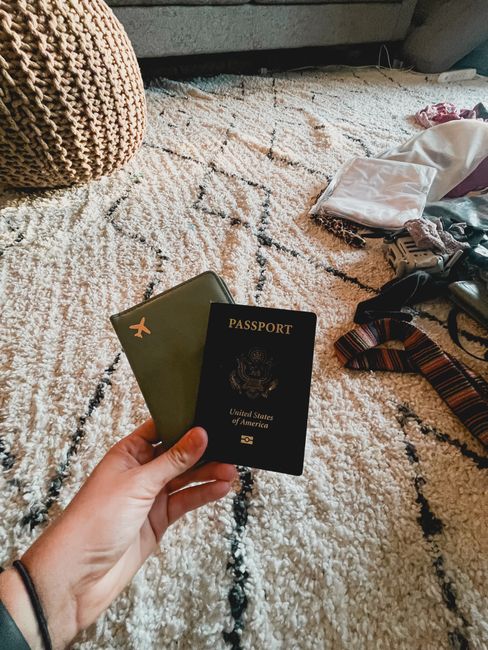
- Passport/Visa: Ensure it’s valid for at least six months beyond your intended departure date from the Schengen Area.
- Travel Insurance: Crucial for unexpected situations. Compare Visitors and Travel Insurance plans to find the right coverage.
- Credit/Debit Cards: Notify your bank of your travel dates.
- Local Currency: A small amount for immediate expenses.
- Copies of Documents: Digital and physical copies of your passport, tickets, and reservations.
- Driver’s License & International Driving Permit (IDP): If you plan to drive.
Health & Safety
- Prescription Medications: With a copy of your prescription.
- Basic First-Aid Kit: Band-aids, pain relievers, antiseptic wipes, allergy medication.
- Hand Sanitizer: Always useful, especially when on the go.
Tech & Connectivity
Staying connected is vital for navigation, communication, and sharing your adventures.
- Universal Travel Adapter: Europe typically uses Type C/F plugs.
- Portable Power Bank: Keep your devices charged throughout the day.
- Smartphone: Pre-download offline maps.
- eSIM: Consider an International Airalo eSIM or an eSIM mobile data plan for travel and business to avoid roaming charges. Alternatively, explore a SIM card for traveling around the world.
Toiletries
- Travel-Sized Toiletries: Shampoo, conditioner, soap, toothpaste.
- Personal Hygiene Items: Deodorant, moisturizer, razor, etc.
- Any Specifics: Sunscreen, insect repellent (depending on destination).
Smart Packing Strategies for Your European Adventure
Knowing what to pack for Europe is only half the battle; how you pack it makes a huge difference. Efficient packing saves space, weight, and stress, allowing you more flexibility and less hassle during your travels. For a simplified booking experience that complements smart packing, explore How to Book Flights, Hotels and a Global eSIM in One Place.
The Art of Layering
European weather, especially in transitional seasons, can change rapidly. Packing layers allows you to adapt to temperature fluctuations throughout the day without carrying a bulky wardrobe. Think light base layers, insulating middle layers, and a waterproof outer shell.
Travel-Sized Everything
Minimizing liquids and bulky items is key, especially if you’re traveling with carry-on luggage. Invest in reusable travel-sized containers for your toiletries. Many pharmacies in Europe also stock popular brands in smaller sizes, so you don’t need to overpack.
Embrace Versatility
Every item you pack should ideally serve multiple purposes or be able to be worn in several outfits. Choose a color palette for your clothes (e.g., neutrals with one or two accent colors) to maximize mix-and-match possibilities. A versatile scarf, for instance, can be a fashion accessory, a blanket on a train, or a head covering for a religious site.
Security First
While packing for Europe, consider safety and security. A money belt or neck pouch for important documents and some cash can provide peace of mind. Always keep an eye on your belongings, especially in crowded tourist areas. For broader travel planning, an AI vacation planner can help you organize every detail, including safety considerations.
Booking Your Journey Efficiently
Now that you know what to pack, it’s time to book your adventure! Easily compare and book cheap flights with ease, find perfect stays on booking.com, or explore packages and cruises on expedia.com for comprehensive deals. To enrich your itinerary, discover unique experiences worth traveling on GetYourGuide. For more information and inspiration for your next trip, visit the iLikeToTrvl homepage or browse our travel stories blog for more ideas.
Being prepared is the best way to ensure your European trip is enjoyable and hassle-free. By carefully considering the climate of your chosen destinations and packing smart, you’ll be well-equipped for whatever adventures await you across the continent this year. Remember, less is often more when it comes to travel – pack strategically, and enjoy every moment.
Frequently Asked Questions About What to Pack for Europe
H3: What are the absolute must-have items for a first-time trip to Europe?
For a first-time trip, beyond your passport and essential documents, you must pack comfortable walking shoes, versatile layered clothing, a universal travel adapter, and a reliable power bank. Don’t forget your chosen connectivity solution, whether it’s an eSIM or an international SIM card, to stay connected. Always pack a small first-aid kit for minor emergencies.
H3: How can I pack light for a multi-country European trip?
Packing light for Europe involves several strategies: plan outfits around a neutral color palette for mix-and-match versatility, utilize packing cubes to compress clothes, wear your bulkiest items on travel days, and choose travel-sized toiletries. Focus on versatile items that can be dressed up or down, and remember you can always do laundry or purchase necessities abroad.
H3: Do I need a different adapter for each European country?
No, most of mainland Europe (including countries in the Schengen Area) primarily uses Type C or F plugs (two round pins). The UK and Ireland use a different Type G plug (three rectangular pins). A universal travel adapter with multiple plug options is your best bet to ensure you can charge your devices across different European countries.
H3: Should I bring cash or rely on credit cards in Europe?
It’s advisable to carry a mix. Credit and debit cards are widely accepted in most urban areas for larger purchases, but it’s always good to have some local currency for small vendors, public transport, or in smaller towns. Inform your bank of your travel plans to avoid card holds. For reliable exchange rates, use ATMs linked to major international networks like Visa or Mastercard, and avoid exchanging money at airports if possible.
H3: Is it better to bring my own toiletries or buy them there?
For short trips, bringing travel-sized toiletries is convenient. For longer trips, or if you prefer specific brands, you can certainly buy full-sized toiletries upon arrival at local supermarkets or pharmacies. This can save space and weight in your luggage. Ensure any liquids in your carry-on adhere to TSA (or equivalent) size restrictions. For official travel advice and country-specific information, you can always refer to reputable sources such as the Europa.eu Travel Portal.