
Tides surge and recede around soaring Gothic spires, revealing a centuries-old marvel that rises from the sea like a mirage. Mont Saint-Michel isn’t just a historical site—it’s a living monument shaped by faith, resilience, and nature’s rhythm. Located off the Normandy coast, this UNESCO World Heritage site draws travelers with its dramatic setting, winding streets, and abbey that seems to defy gravity. From planning your visit to understanding the tidal schedule and exploring its medieval passageways, every moment here is steeped in story. This guide offers the insight you need to experience one of France’s most breathtaking and symbolic landmarks.
Pre‑Dawn Abbey Access for Sunrise Light

Golden rays kissing the Gothic spires of Mont Saint-Michel are a reward for those who arrive before sunrise. Entering the abbey grounds during pre-dawn hours offers not just a tranquil experience but also ideal lighting conditions for capturing the full majesty of the mount. While most visitors arrive mid-morning, early risers can enjoy near-empty cobbled streets and uninterrupted views of the soaring abbey lit by soft morning light. Security staff are often present before official opening hours, and while full access inside the abbey requires a timed ticket, being on-site early lets you photograph the façade with dramatic skies and amber light. Early entry is particularly effective during the spring and autumn equinoxes when the sun rises directly behind the structure. Photographers seeking sunbursts or silhouette shots will find the shifting tides and mirrored reflections in the sand amplify the drama. Early light also reveals intricate architectural details easily missed later in the day. Silence replaces the bustle, and the spiritual atmosphere becomes more pronounced. Whether you’re visiting for contemplative moments or photography, pre-dawn access delivers a rare chance to witness Mont Saint-Michel in its most poetic and peaceful state—bathed in the first light of the French coast.
Weekday Visit Outside Peak Season

Thinning crowds reveal the true charm of Mont Saint-Michel when you plan your trip for a weekday outside of high season. Avoiding weekends, holidays, and the peak summer rush allows for a more immersive and less hurried experience. During late autumn, early spring, or even mid-January, the island’s historic character is easier to appreciate without shoulder-to-shoulder crowds. Narrow alleys feel more spacious, abbey staircases less congested, and shopkeepers often more relaxed and engaging. You’ll spend less time queuing for shuttles, entry tickets, and even cafes. Off-season also brings atmospheric fogs, wind-swept skies, and unique moody photo opportunities. Weekdays provide added benefits like shorter lines for local seafood restaurants and better availability for overnight stays within the village. Some museums and attractions may operate on reduced hours, but the trade-off is worthwhile for the serenity gained. Local artisans and historians often have more time for conversation during quieter months, giving travelers deeper insight into the mount’s cultural and spiritual legacy. This approach also benefits families and photographers who require flexible movement around the village and ramparts. For those seeking a meaningful connection to one of France’s most iconic landmarks, the shoulder and off-peak seasons offer breathing space and timeless ambiance.
Shuttle or Walk the Causeway Early/Late
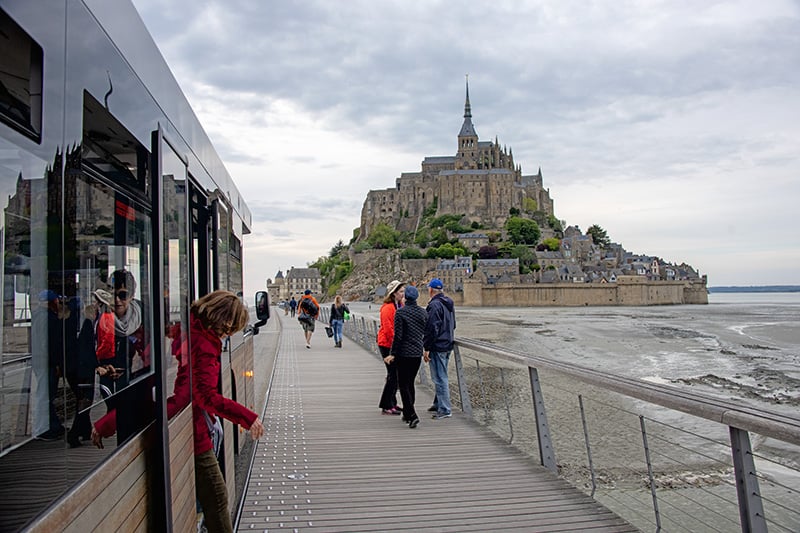
Strategic timing turns the journey to Mont Saint-Michel into a highlight of the trip itself. Arriving via the causeway at dawn or departing after sunset avoids the mid-day shuttle crowds and reveals a more cinematic perspective of the mount. During early morning hours, the shuttle buses are mostly empty, and the walk is serene, with gull calls and tide whispers as your soundtrack. Late evening strolls along the 2.5-kilometer bridge provide unobstructed views of the glowing abbey under twilight or golden hour hues. Walking the causeway during these off-peak times enhances appreciation for the surrounding salt meadows and the mount’s dramatic silhouette. If traveling during full moon periods, reflections in the tidal flats can be striking, especially when the water is calm. Walking takes around 30–40 minutes and is wheelchair accessible, with shuttle stops along the way for flexibility. Evening returns also let visitors witness the abbey’s nightly illuminations from afar—a rare sight missed by daytime-only travelers. Early or late crossings minimize the overwhelming tour bus traffic that often piles up midday. For both visual pleasure and logistical ease, timing your approach to Mont Saint-Michel around sunrise or after dusk ensures a more peaceful and unforgettable entrance or exit.
Left‑Turn to Quiet Ramparts Route

Most visitors instinctively head straight up the Grand Rue upon arrival, but turning left instead leads to a lesser-known path offering a peaceful and scenic ramparts route. This early detour skirts the busy commercial area and instead guides you alongside the fortified stone walls, delivering panoramic views of the tidal flats and surrounding bay. Fewer footsteps echo here, giving photographers, families, and history enthusiasts space to breathe and observe. Ancient cannons, moss-covered staircases, and weathered guard posts lend an unfiltered medieval atmosphere. The ramparts also connect seamlessly to key viewing platforms and allow access to the abbey from a quieter angle. For those sensitive to crowds or seeking alternative photo angles, this route delivers without sacrificing access to major landmarks. Sunrise walkers particularly benefit, as this side path is one of the first to catch golden light on the village rooftops. During high tide, the waves crash just below the rampart base, amplifying the drama. Small signs in French and English guide the way, though many miss them. Veering left becomes a smart move, not just for solitude, but for a richer, more balanced view of Mont Saint-Michel’s layered defenses and breathtaking surroundings. It’s an underrated path worth prioritizing.
Pre‑Book Abbey Entry Ticket Online

Securing your entry ticket to Mont Saint-Michel’s abbey in advance avoids unnecessary lines and ensures access, especially during popular months. While some travelers arrive unprepared, the abbey enforces timed ticketing during peak periods, and walk-up availability can be limited or require long waits. Booking online through the official site is fast, secure, and allows you to choose a preferred time slot based on your itinerary. QR codes are accepted directly at the entrance, so printing isn’t necessary. Pre-booking also provides clarity on special closures, maintenance schedules, or restricted access areas that may not be posted elsewhere. For groups or multilingual audio guide users, booking ahead guarantees availability and often provides bundled discounts. Early time slots are ideal to beat crowds, while late-afternoon visits capture the abbey in warm light and quiet ambiance. Whether visiting in summer or winter, locking in your spot gives peace of mind. Additionally, pre-booking helps plan around tides, ensuring you’re not stranded or rushed due to timing mishaps. Tickets are typically priced affordably, and certain age groups or EU citizens may qualify for free entry. For a smooth, seamless visit that prioritizes your time and access, securing abbey tickets ahead is a small but critical step.
Evening Rampart Stroll After Crowds

Late in the day, when buses and tours retreat, Mont Saint-Michel transforms into a serene haven perfect for an unhurried rampart stroll. Wandering the ancient stone walls just before or after sunset offers a glimpse into the island’s quiet side—one that eludes the midday masses. With the shops closing and day-trippers gone, the wind carries only whispers through the narrow alleys, and the village lights start to flicker on. This is the hour for reflection and unobstructed views, particularly from the south-facing ramparts where the sky shifts through orange and violet hues. Streetlights cast warm glows on weathered stones, enhancing the mount’s fairytale presence. Photographers will find less foot traffic and easier access to prime lookout points, while history lovers can better appreciate the scale of the island’s fortifications. The elevated walkways remain open well into the evening, allowing you to pause, lean into the breeze, and absorb the vast tidal flats stretching into the horizon. If you’re staying overnight, this post-sunset walk becomes your quiet introduction to the mount’s nocturnal rhythm. It’s a sacred pause in a place otherwise shaped by bustling tourism. Timing your visit to include this peaceful evening ritual offers perspective—and unmatched ambiance.
Shoreline Meadow Sheep & Reflection Shots

Woolly silhouettes grazing on the salt meadows surrounding Mont Saint-Michel create one of the region’s most iconic and photogenic scenes. These sheep, known locally as “pré-salé” lambs, are more than just pastoral charm—they’re part of a protected culinary tradition and landscape. To capture them in the best light, head toward the shoreline meadows during golden hour, ideally when the tide is out and shallow pools form reflective patches across the flats. Patience and positioning are key. Standing further back with a zoom lens allows for respectful distance while preserving natural behavior. The juxtaposition of the animals with the distant abbey provides layers of scale, especially with cloud-reflected water underfoot. Mornings with soft fog create ethereal moods, while late afternoon sun enhances the contrast between grassy fields and the island’s dramatic silhouette. A tripod can help stabilize long exposures during low light conditions. These shots have grown in popularity among nature photographers seeking balance between man-made marvels and rural calm. Visitors should remain mindful not to cross fencing or disturb herding patterns, as the flocks are often under active management. This visual moment—a tranquil flock beneath a medieval monument—encapsulates the unique beauty of Normandy’s tidal ecosystem and its centuries-old agricultural roots.
Dam Viewpoint for Wide‑Angle Sunrise

Positioning yourself at the Sélune river dam offers an unbeatable wide-angle vantage point to photograph Mont Saint-Michel bathed in sunrise hues. Located along the causeway’s mainland access, this elevated viewpoint provides a full panoramic sweep of the island, tidal flats, and shifting morning light without obstructions. Early risers are rewarded with breathtaking shots of the abbey’s silhouette framed by mirror-like water during high tide or textured sand during ebb. Wide-angle lenses work beautifully here, capturing not just the structure but the entire atmospheric setting—from streaked clouds to glinting tidal channels. On calm mornings, the stillness of the river near the dam allows for clean reflections, particularly striking when paired with the abbey’s spire. This spot is also popular for time-lapse enthusiasts and drone operators (within legal restrictions). Arriving at least 30 minutes before sunrise ensures prime positioning and gives time to adjust settings before the sky begins its dramatic color shift. While it’s easily accessible by car or bike, those on foot should allocate extra time in the dark. For visitors seeking a lesser-known but impactful photographic angle, this dam viewpoint consistently delivers cinematic results with minimal interruption from tour crowds—especially in off-peak seasons or misty weather windows.
High‑Tide by Causeway for Water Photos
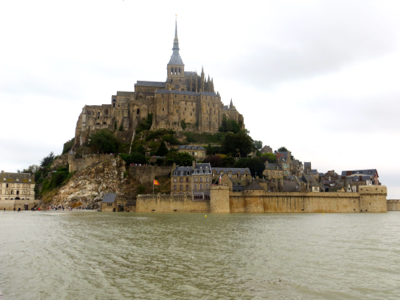
When the sea swells in and surrounds Mont Saint-Michel, the island once again lives up to its mythical identity. Planning your visit to coincide with high tide—especially spring or fall tidal surges—unlocks an ethereal perspective where the mount appears to float. The best spot for this spectacle is along the causeway bridge during high water levels, particularly from the mid-span area facing west. The motion of the tide transforms the flat, muddy surroundings into a dramatic reflective moat, perfect for long-exposure shots or mirror-like symmetry. Photographers should bring waterproof footwear if venturing near splash zones and be prepared to move quickly, as the tide here rises fast and unpredictably. Afternoon tides during sunset periods create golden glows on the water, while early morning tides allow cooler, bluish reflections of the sky. Even casual visitors can appreciate how the abbey’s foundation visually dissolves into the sea during these moments. Checking the local tidal forecast is essential—some peak tides only happen a few times per month and are influenced by the moon’s cycle. Watching the mount slowly become an island again is more than a photo opportunity; it’s a return to its elemental roots, blending natural forces with architectural legend.
Nighttime Illuminated Abbey Views

As the sun fades, Mont Saint-Michel reveals its most enchanting form—an illuminated silhouette glowing like a beacon above the bay. Once darkness falls, strategically placed lights bathe the abbey in warm tones, emphasizing its flying buttresses, towers, and turrets against a darkened sky. The nighttime ambiance transforms the mount into a cinematic spectacle, with fewer crowds and quieter surroundings enhancing the mood. Prime viewing areas include the causeway mid-bridge, the shoreline viewpoint to the northeast, and the southern ramparts near the cemetery. Long-exposure photography works especially well in capturing the glow and ambient lighting trails from lanterns and passing shuttles. Reflections in wet sand or tidal pools amplify the drama, especially during moonlit nights. Staying past sunset is highly recommended for anyone seeking a more magical connection with the monument, particularly in the off-season when the atmosphere is hushed and wind carries the sound of chapel bells. Evening light shows are not overdone—they preserve the mount’s historical dignity while offering just enough luminescence to make the structure feel alive. For travelers drawn to atmospheric beauty, spiritual quietude, or unforgettable photography, these evening moments offer a reverent close to a day spent exploring France’s legendary island fortress.
Stay Overnight Inside Walled Village
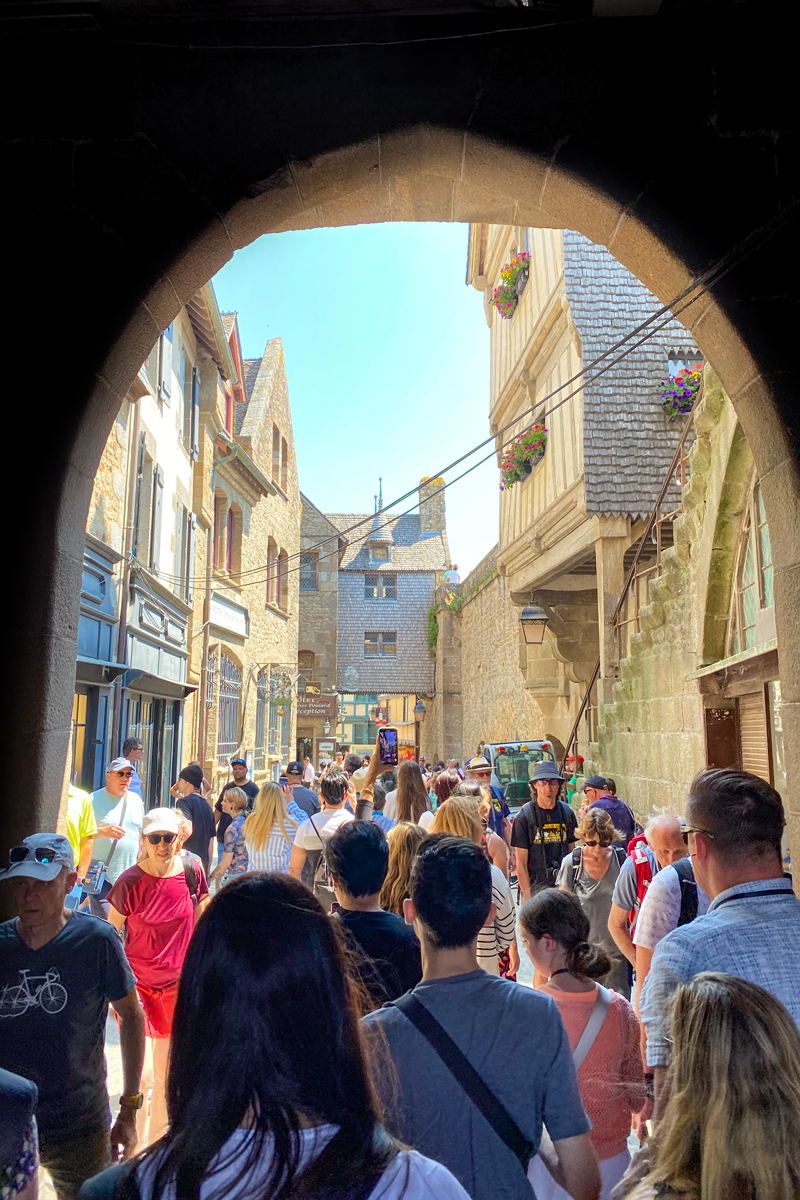
Overnighting within Mont Saint-Michel’s ancient walls transforms a typical visit into a fully immersive medieval escape. As day-trippers leave and shopkeepers shutter their doors, the village reverts to its historic rhythms. Staying in one of the modest yet charming inns or boutique hotels allows you to wander cobblestone alleys beneath starlit skies, hear footsteps echo in silence, and enjoy meals without crowds. Rooms inside the ramparts offer views of the bay, rooftops, or narrow streets—each with its own atmospheric charm. Some lodgings are centuries old, with timber beams, stone walls, and creaking floorboards that whisper of monastic pasts. Mornings begin with mist and gull cries, while evenings bring a sense of solitude rare in such a famous destination. Booking far in advance is essential, especially during spring and autumn. While accommodations are compact and occasionally rustic, the trade-off is authenticity and proximity. It’s also practical: early abbey access becomes seamless, and nighttime views of the illuminated structure are just steps from your bed. Luggage transfers are available for those unable to carry bags uphill. For travelers seeking more than a photo op—a real connection to Mont Saint-Michel’s history and heart—an overnight stay delivers unmatched intimacy and storytelling potential.
Guided Tidal Flats Walk for Safety

Crossing the shifting sands and tidal flats that surround Mont Saint-Michel can be a breathtaking adventure—but only under expert supervision. Local guides offer daily excursions across the bay, timed around the tides to ensure safety and accessibility. These treks provide more than just exercise; they unlock hidden perspectives of the island, explain unique marine ecosystems, and share centuries of lore passed down by monks, fishermen, and shepherds. The terrain is a blend of firm sand, clay, and soft silt known for sudden sinkholes or deceptive mud patches. Even experienced hikers should never attempt the walk alone, as the tide can rise faster than a sprinting human. Certified guides not only chart a safe path but often enrich the journey with stories of Viking invasions, medieval pilgrimages, and tidal science. Barefoot walking is common for better grip and connection with the earth, though water shoes are also acceptable. Duration ranges from 2 to 3 hours, depending on the route. Photography along the way is incredible, especially with reflections of the mount on wet sand and wide, uninterrupted views of the horizon. Booking in advance is crucial, and weather conditions may cause delays. For those craving an active, meaningful experience, this walk delivers awe and context in equal measure.