
Deep beneath the lush hills of New Zealand’s North Island, an ancient cave system glows with life—literally. Thousands of tiny bioluminescent glowworms illuminate the darkness, turning the Waitomo Caves into a surreal, star-like galaxy underground. This natural wonder isn’t just about visual spectacle; it’s a unique biological phenomenon that offers a once-in-a-lifetime encounter with nature’s most delicate light show. Whether you’re drifting silently through the dark on a boat or trekking past limestone chambers, the experience leaves an impression that words rarely capture. This guide covers everything needed to plan your visit to one of New Zealand’s most magical experiences.
Early Access Glowboat at Dawn Mist Entry

Mist lingers like silk above the still water as the earliest boats glide silently into the Waitomo cave system. This pre-tour entry unlocks an unmatched tranquility—there’s no tourist chatter, no competing lights—just the gentle oar dips and a soft ambient glow emerging from the darkness. Being among the first grants access to undisturbed glowworm constellations in their most vibrant state before foot traffic dulls the experience.
The glowboat’s slow movement paired with cool morning humidity enhances the bioluminescent shimmer along the cavern ceiling. Reflections in the calm stream create a mirrored dome effect, doubling the magic for photography and contemplation. Guides during this early slot tend to linger longer, offering deeper insight into the ecosystem and lifecycle of Arachnocampa luminosa.
Photographers can capture the ceiling’s density without noise pollution from later crowds or ripple distortions caused by overlapping tours. Visitors report more bird calls and forest edge sounds during this timeframe, enriching the natural ambiance before the area stirs into full operation.
Booking the first slot not only guarantees a peaceful ride but also respects the nocturnal rhythm of the glowworms themselves, catching their full illumination before exposure fatigue begins. For those seeking depth, clarity, and serenity, this is the Waitomo moment to claim.
Glowworm Time-Lapse Hack with Long Exposure at Low Drift Speed

Gaining crisp time-lapse footage of glowworms requires more than setting a camera—it’s about manipulating your boat’s drift speed to balance motion and light capture. Waitomo’s gentle stream current allows slow movement, which is ideal for long exposures. Using a lightweight tripod or raft clamp with a phone or mirrorless camera set to manual mode enables frame-by-frame buildup without blur.
Timing is everything. Aim for mid-tour drift zones where the guide pauses talking. These moments minimize vibration, and boat lighting is often dimmed or off. A shutter speed between 10 to 30 seconds works best depending on device capability, paired with the lowest ISO possible to reduce grain.
Most successful attempts come from securing a stable angle facing upward where glowworm colonies are densest—look for mossy stalactite clusters. Activate burst time-lapse manually, and allow the exposure to run as long as conditions stay steady.
While this method demands patience, it produces stunning celestial-like visuals—mimicking a galaxy swirl across the cave ceiling. Some visitors attach a weighted mini-tripod to the center of the boat using velcro strips or water bottle holders for hands-free control. When executed correctly, the result is one of the most breathtaking natural light shows captured without artificial interference.
Spelunking to Lesser-Known Cave Tubes Behind Main Chamber

Beyond the popular guided drift, experienced spelunkers can request access to the less-traveled cave tubes hidden behind the Waitomo main chamber. These smaller passageways wind through more intimate glowworm colonies, untouched by daily footfall. Entry typically requires a separate permit or inclusion in an advanced tour like Black Water Rafting’s deeper explorations.
Inside these narrower routes, low ceilings and tighter rock bends yield a different experience—one of quiet closeness. Glowworms form dense clusters in total darkness here, uninterrupted by overhead noise or external vibrations. Guided by helmet torches with red filters to minimize disruption, explorers can crawl or gently walk through pockets of geological formations while observing glowworms at eye level.
Some tubes reveal miniature waterfall trickles, calcite pillars, or fossilized shells embedded in limestone. The soundscape shifts to subtle water droplets and the occasional wing flutter from native cave insects, offering raw immersion in New Zealand’s subterranean biosphere.
These offbeat routes are often missed by casual visitors but reward the curious with unmatched proximity and a more primal connection to the cave’s living ecosystem. Proper footwear, waterproof gear, and respectful silence are critical, as the glowworms here are extra sensitive due to limited light exposure and echo bounce.
Moonlight Forest Walk to Cave Entrance Before Group Tours Arrive
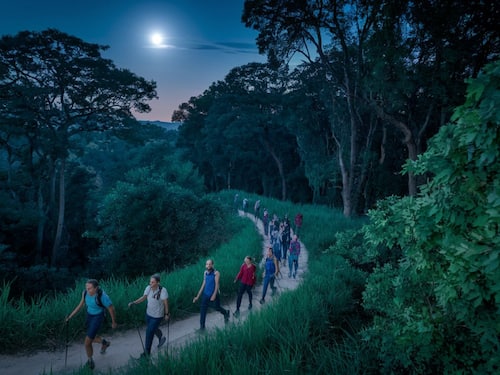
Forest shadows stretch long and low during the hour before sunrise, setting the stage for a tranquil moonlit walk toward the Waitomo entrance. This lesser-known ritual—often enjoyed by photographers and solitude-seekers—involves arriving an hour before opening, allowing time to stroll the lush trails bathed in soft lunar light.
Native bushland hums with nocturnal energy as tuis, moreporks, and insects wind down or awaken. Tree ferns cast intricate silhouettes across the path, while mosses glisten from dew. This approach heightens sensory awareness, prepping visitors for the darkness ahead.
A few vantage points on the way offer glimpses of distant mist hovering near the cave’s edge, signaling the moist underworld that awaits. Torches with red filters are recommended for minimal disruption. Those who reach the staging zone early often secure priority entry, reducing group crowding and allowing more time to take in the cave’s pristine glow.
Beyond ambiance, the walk doubles as a mindfulness ritual—shedding external rush and syncing with the natural rhythm of Waitomo. For those staying at nearby eco-lodges or camping zones, it’s the perfect way to merge forest calm with geological wonder. This experience feels personal, intentional, and unrepeatable once the tourist flow begins.
Floating Selfie Under Glow Dome (Black Rafting Frame Shot)
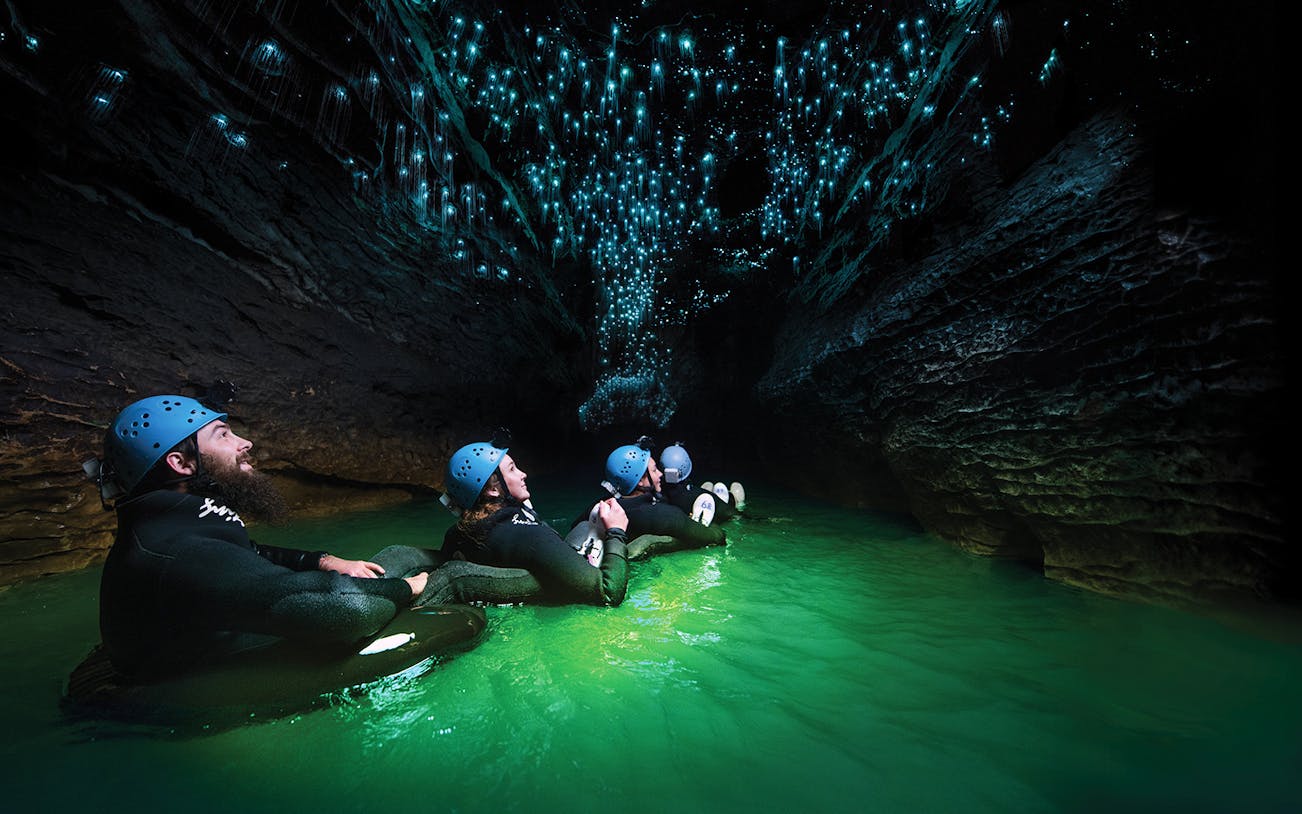
Drifting silently beneath the glowworm ceiling during a blackwater rafting tour offers a surreal photo moment—if you know how to time it. While phone usage is restricted during parts of the tour, specific zones allow waterproof devices secured via chest mounts or floating grips.
To frame the shot correctly, lie back on your raft with your face upward, centered beneath the densest glow cluster. Guides often point out “glow domes”—ceilings with maximum bioluminescent concentration. Stabilize your device to reduce shake, then enable front camera and slow shutter if available.
Using ambient light alone creates a soft silhouette of your face against the blue luminescence, while still emphasizing the starfield effect overhead. Some rafters dip one arm in the water to add depth and reflective contrast, while others pull hoodie hoods over their heads to avoid light bounce on facial edges.
The key is minimal movement. Let the current do the drifting while holding your expression and framing for several seconds. Post-tour editing with shadow lift and contrast balance brings the glow into sharper relief without overexposure.
This selfie becomes more than a social post—it captures the exact stillness and awe that defines Waitomo’s underground magic in a single floating frame.
Sound-Free LED Torch Entry Trail to Avoid Spooking Glowworms

Glowworms are incredibly sensitive to vibrations, sound, and sudden light. Quiet entry is key for anyone approaching the Waitomo Caves via forest trails or during nighttime tours. Swapping standard torches for low-lumen, red-filtered LED lights significantly reduces disturbance. These tools prevent the abrupt brightness that triggers glowworm shutdown, allowing travelers to maintain their natural luminescence along the cave walls and ceilings.
Steps and whispers should be soft. Footwear with rubber soles minimizes crunch against forest paths and metal stairways, preventing echo bounce in the natural acoustics. Many seasoned travelers use hand signals or whispered cues to communicate before entering proximity zones where glowworms thrive near entrances.
Some trails leading toward the Ruakuri or Aranui sections offer quiet approaches perfect for first impressions. A few early-morning or twilight private groups have permission to pause near mossy rock formations harboring smaller, undisturbed colonies.
By avoiding sound and harsh light from the very beginning, visitors experience glowworm displays in full, uninterrupted splendor. It’s not about total silence—it’s about tuning into the slower rhythm of these bioluminescent organisms. This respect ensures the glowworms remain active, vibrant, and visible, especially in early hours or during shoulder seasons when fewer crowds are present.
Drone‑Free Vertical Shot Hack from Bottom-Up GoPro Suspension

Achieving dramatic vertical shots inside Waitomo’s chambers doesn’t require a drone—just creativity and the right rig. Travelers have innovated a bottom-up hack using GoPros or small action cameras suspended upward from a flexible tripod or suction-mount pole.
Once aboard the glowboat or float raft, attach the device securely facing the glowworm-covered ceiling. Extend the rig to mid-chest height or slightly higher, ensuring it remains below your line of sight but centered for even framing. Use a time-lapse or burst mode while keeping the boat’s drift stable.
Glowworms illuminate best when the water surface is undisturbed, so begin the setup during natural pauses in the guide’s narration or after group shuffling settles. Waterproof remotes or phone apps help manage shutter timing hands-free.
The effect mimics a drone’s overhead view—an expansive canopy of light beams captured in pure symmetry. This method is discreet, complies with cave regulations, and avoids spooking the sensitive ecosystem with propeller vibrations.
Post-shot, enhance with minimal editing: increasing shadow detail without blowing highlights. This angle brings a cinematic dimension to the Waitomo visit, turning your footage into a sweeping vertical panorama—proof that innovation and care can outmatch high-tech gear in sensitive natural environments.
Private Eco Tour via Ruakuri for Zero-Flash Star Swarm View

Ruakuri Cave, the less-crowded sibling of Waitomo Glowworm Cave, offers private eco-tours that prioritize sustainability and exclusivity. The real gem here isn’t just fewer people—it’s the “zero-flash policy” that preserves the glowworms’ natural behavior.
Visitors walk a suspended spiral ramp into the cavern’s belly, eventually reaching dim, humid tunnels where glowworms cluster in dense “star swarms” above and along narrow stone ledges. These colonies remain fully active due to low visitor volume and minimal artificial disruption.
Eco-tours allow extra time for acclimation. Guides encourage visitors to sit silently in marked zones, letting eyes adjust before revealing breathtaking bioluminescent displays without any flash or spotlight interference. Advanced options permit camera use under strict conditions—typically with manual settings and red-light filtering.
Unlike crowded main tours, Ruakuri’s setup grants time to observe the complete life cycle, from hanging larval threads to adult fly emergence. Interactive models and soundscapes deepen the scientific narrative without affecting the ecosystem.
This route is ideal for those prioritizing education, conservation, and uninterrupted immersion. Each glow pulse feels richer, more honest—an unfiltered look into New Zealand’s subterranean biodiversity. Booking ahead is essential, as limited group size is strictly enforced for both preservation and quality experience.
DIY Glowworm Bioluminescence Jar Craft at Exit Kiosk

Waitomo’s post-tour exit kiosk includes an unexpected creative outlet—a glowworm-inspired DIY bioluminescence jar station. Designed primarily for kids but enjoyed by adults alike, this craft experience brings a piece of the underground magic into hands-on reality.
Participants use safe, UV-reactive gel beads combined with phosphorescent thread and tiny suction strands that mimic the glowworms’ hanging silk lines. The jars come in reusable sizes, sealed with natural cork tops and labeled with fun facts about Arachnocampa luminosa.
The kiosk offers templates to recreate the glow gradient seen inside the caves, with sections for layering darker hues toward the top and more scattered lights at the base—replicating natural distribution. Blacklight pens allow users to accent their jars with invisible notes that glow later under UV.
This tactile interaction isn’t just a souvenir—it’s an educational snapshot. Visitors learn about the glowworms’ enzyme-based light emission, lifecycle, and why their habitat must be protected from excess light and noise.
Those traveling with families often find this activity a calming decompression after the sensory overload of the cave tour. The jar becomes a glowing memory capsule—proof that even ephemeral experiences can leave behind a lasting impression with the right creative spark.
Low-Flow Stream Boot Walk Beneath Glowworm Ladders

Shallow offshoots within the Waitomo cave system sometimes offer ankle-deep stream passages where glowworms nest in high crevices, forming what guides refer to as “light ladders.” These vertical formations appear when larval threads descend from tight spaces directly above water channels.
Visitors on certain advanced or specialty eco-walks may be permitted to enter these sections wearing waterproof boots. Walking slowly under these delicate threads offers a near-vertical viewing angle rarely seen from boats or platforms.
Each step must be measured to avoid splash or sediment disruption. Look for light clusters where limestone ridges provide grip for glowworm colonies. Red-filtered headlamps are used sparingly, only to guide footing when absolutely necessary.
The mirrored reflections in the water create the illusion of infinite ladders climbing into darkness—a visual poetry that no camera fully captures. Some visitors crouch for upward shots with minimal gear, using long exposure settings when possible.
These low-flow stream walks bring a humbling awareness of scale. Glowworms above seem more like celestial beings than biological organisms. Walking beneath their trails—not just viewing from afar—invites a deeper intimacy with this fragile, alien world tucked beneath New Zealand’s forest floor.
Headlamp‑Off Moment for Full Immersion on Exit Curve

Silence and darkness converge during the final bend of many Waitomo tours, where guides often prompt visitors to switch off headlamps and phones. This pause—often just one to two minutes—becomes the most profound part of the experience.
As artificial light fades, the cave ceiling slowly reveals its natural brilliance. Thousands of glowworms activate in clusters, forming a moving galaxy above the slow stream. With no competing light source, your eyes fully adjust, and the bioluminescent strands shine their brightest.
Sound softens too. No splashing, no voices, just the quiet lap of water echoing gently against stone. Some travelers describe this moment as meditative or even spiritual—an organic hush that heightens awareness of the cave’s pulse.
This headlamp-off tradition started as a conservation effort to preserve the glowworms’ activity, but it’s now a core ritual across many guided routes. It’s also where the contrast between natural wonder and human noise becomes most evident.
Refraining from light or speech during this section deepens the sensory imprint. The exit curve, no longer just a passage out, transforms into a slow-motion farewell under nature’s purest illumination. It’s the kind of silence that speaks louder than any guide’s narration ever could.
Glowworm + Milky Way Double Shot at Cave Mouth After Sunset
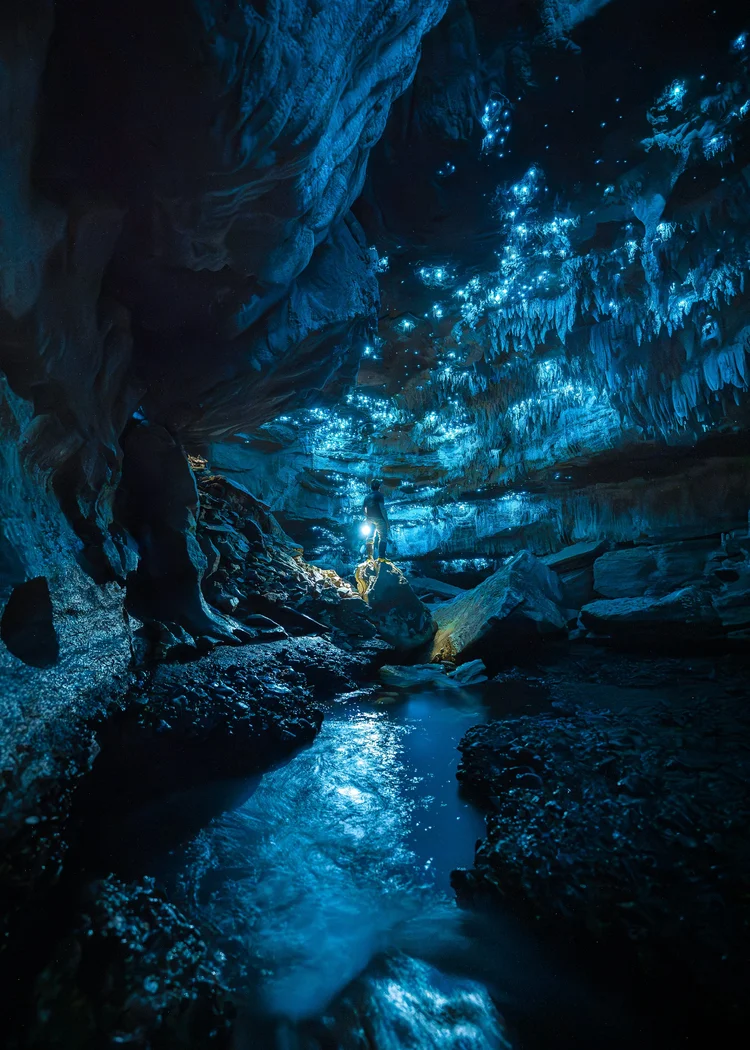
Few visitors realize that one of the most spectacular composite shots near Waitomo isn’t deep underground—but right at the cave mouth. On clear evenings after sunset, the Milky Way stretches high above the forest canopy while glowworms near the entrance still emit their soft radiance inside.
Position your camera just outside the main entrance facing upward. Use a tripod with a wide-angle lens capable of long exposure. Frame part of the cave ceiling in the foreground, allowing the glowworm clusters to remain visible while the Milky Way climbs into view.
Manual settings with a shutter speed of 20–25 seconds, paired with ISO 800–1600, tend to yield the best results without blowing out the stars or losing glow detail. For the sharpest results, stack two exposures: one inside for glowworms, one outside for the sky, and blend during editing.
This juxtaposition of underground life and celestial expanse captures the essence of Waitomo—where bioluminescence meets astrophotography.
Timing is critical. Aim for new moon phases and check cloud cover in advance. Guided night access may be needed for proximity, or use nearby walkways during off-hours.
This rare double glowshot turns two light worlds—one above, one below—into a single, unforgettable image of cosmic harmony.