
Carved into a horseshoe-shaped gorge in Maharashtra, the Ajanta Caves stand as a masterpiece of ancient Indian art and architecture. Dating back to the 2nd century BCE, these rock-cut Buddhist monuments feature exquisite frescoes, intricate sculptures, and chaitya halls that narrate the life of the Buddha and stories from Jataka tales. Recognized as a UNESCO World Heritage Site, Ajanta offers travelers a chance to witness India’s artistic and spiritual heritage in its purest form. This Ajanta Caves India Travel Guide provides essential insights, practical tips, and cultural context to make your visit both meaningful and memorable.
Hidden Entry Paths & River-Bridge Views

Approaching the Ajanta Caves is as much a journey through history as it is through nature. Winding paths cut through dense forest, guiding visitors to quiet bridges spanning the Waghora River. These bridges provide remarkable vantage points where the horseshoe-shaped cliffs suddenly reveal themselves, dotted with ancient cave openings. Early morning walks here often reward travelers with mist rising above the river, amplifying the mystery of the site. For those seeking more than just the main approach, side trails branch into hidden entryways once used by monks and workers centuries ago. These passages add a sense of authenticity, reminding travelers how the caves were accessed in earlier times without modern conveniences. Standing on a river bridge, one can admire the sheer scale of the basalt cliffs and the ingenuity required to carve such masterpieces into unforgiving rock faces. Many visitors pause here to capture panoramic views before entering the caves themselves. The sense of anticipation builds with each step, as the faint sound of the river blends with the echo of forest birds. This initial experience sets the tone for the spiritual and cultural depth awaiting inside, making the approach walk an integral part of the Ajanta journey.
Cave 30: The Early Monastery Discovery

Among the less-visited treasures of the Ajanta complex, Cave 30 stands out for its significance as an early monastery. Believed to date back to the second century BCE, it marks one of the earliest excavations when monks began carving shelters into basalt cliffs for meditation and communal living. Although small in size, its modest scale provides an authentic glimpse into the origins of monastic cave dwelling before Ajanta blossomed into a grand complex of chaityas and viharas. Cave 30’s interior features a simple hall with cells, where monks once practiced meditation and recited scriptures. Archaeologists consider it a transitional example, bridging natural rock shelters and elaborate later caves adorned with art. The cave’s weathered surfaces bear witness to centuries of exposure, yet careful observation reveals remnants of early architectural attempts—rudimentary pillars and rock-cut recesses. Unlike more ornate caves, Cave 30 retains a quiet, unembellished aura that transports visitors to the ascetic life of the earliest inhabitants. For those interested in Buddhist history, this cave represents the beginning of a monumental journey of architectural evolution. Visiting it provides perspective on how Ajanta’s legacy started from simplicity before flourishing into richly decorated spiritual masterpieces seen in later centuries.
Interior Light & Fresco Repair Timing

Sunlight plays an unintentional yet vital role in experiencing the Ajanta interiors. The caves were carved with precise orientation, allowing limited daylight to filter through entrances and strike key frescoed walls during specific hours. This interplay enhances details in paintings, helping visitors appreciate color tones otherwise lost in dimness. Historically, monks likely relied on oil lamps, which, while functional, contributed to soot damage over centuries. Modern conservation efforts now schedule much of the fresco restoration during daylight hours to minimize artificial lighting risks. Specialists carefully time interventions so that natural light aids visibility without overheating fragile pigments. Certain sections, particularly in Caves 1 and 2, reveal their true vibrancy when visited mid-morning, while others glow under softer afternoon illumination. Preservation teams use these timings to stabilize cracks, rebind pigments, and prevent further deterioration. Visitors today often notice scaffolds or temporary barriers in sections where ongoing repair is taking place. Rather than diminishing the experience, these glimpses highlight the fragile balance between art’s survival and natural forces. Appreciating the connection between light, time of day, and conservation not only enriches the viewing experience but also underscores the challenges in safeguarding Ajanta’s priceless artistic heritage for future generations.
Unfinished Viharas & Geological Flaws

Walking deeper into the complex, travelers encounter several unfinished viharas that reveal as much about human endeavor as the completed caves. Carvers often abandoned work due to unexpected basalt flaws—sections where the rock proved too brittle or fractured for sculpting. In some cases, tools marks remain visible, frozen mid-process, offering insight into techniques used more than 1,500 years ago. These incomplete structures serve as open textbooks for archaeologists, demonstrating how ambition was tempered by natural constraints. Geological surveys confirm that certain cave walls contained weak seams vulnerable to collapse, forcing artisans to halt excavation. For visitors, the abrupt endings—pillars partly formed, ceilings half-chiseled—convey the immense labor and risks undertaken by ancient craftsmen. Unfinished viharas also highlight practical decision-making, where resources were redirected toward more promising caves, ensuring the survival of major artworks. Standing inside these halted spaces, one senses both the dedication of the laborers and the uncontrollable force of geology shaping history. Modern preservation experts keep such caves accessible, not for their decoration, but for their educational value. They remind us that Ajanta’s magnificence is not only about polished masterpieces but also about resilience, adaptation, and the respect artisans had for the living rock itself.
Narrative Panels vs Silent Reliefs Tour

Among Ajanta’s many artistic marvels, the contrast between narrative panels and silent reliefs offers a fascinating perspective on Buddhist storytelling. Narrative panels, often painted or carved in detail, unfold the Jataka tales—stories of Buddha’s past lives—through sequential scenes. They resemble ancient picture books, guiding devotees visually through moral lessons. Silent reliefs, on the other hand, feature single serene figures, often of the Buddha in meditation or teaching poses, exuding timeless stillness. Touring the caves with this contrast in mind allows visitors to appreciate the dual artistic approach: one capturing movement and drama, the other emphasizing tranquility and devotion. Caves such as 1 and 2 display vibrant narrative cycles filled with royal processions, forests, and symbolic gestures. Meanwhile, deeper caves reveal pared-down reliefs, where a solitary figure radiates calm against simple stone backdrops. Guides often explain how these artistic choices aligned with different purposes—narratives for teaching masses, silent forms for aiding meditation. The interplay mirrors the balance within Buddhism itself: active engagement with worldly lessons, paired with still contemplation. For modern viewers, alternating between these styles deepens understanding of how Ajanta’s art was not merely decorative but functioned as a spiritual guide across diverse practices.
Off-Peak Whisper Hours & Jungle Dawn
Those who arrive outside peak tourist hours quickly realize the Ajanta Caves hold an entirely different character. Early mornings, when the jungle mist lingers, or late afternoons as crowds thin, transform the site into a sanctuary of quiet whispers. Monks once used these same hours for meditation, relying on the natural rhythm of dawn and dusk for spiritual practices. Birdsong echoes through the ravine, while the gentle sound of the Waghora River amplifies the calm. Travelers strolling through corridors during these times often experience solitude rare at heritage sites. Photography enthusiasts benefit too, as softer light eliminates harsh shadows, capturing fresco tones more authentically. Local guides recommend weekday mornings over weekends, when buses of visitors are absent. The atmosphere during jungle dawn feels especially powerful—sunlight piercing through canopy gaps and illuminating cave facades with a warm glow. For those seeking more than just sightseeing, these off-peak hours allow contemplation of the site’s deeper spiritual resonance. Walking silently between chambers during such times feels like stepping back into the monastic era, when these halls were alive with chants rather than tourist chatter. Experiencing Ajanta during whisper hours reveals its essence as both an archaeological marvel and a living place of reflection.
Forest & Waterfall Approach Walks
One of the most rewarding aspects of visiting Ajanta lies not only within the caves but also along the approach paths framed by dense forest and seasonal waterfalls. The main trail follows the Waghora River valley, where streams carve through basalt rock and cascade dramatically during the monsoon. These natural features once provided water and serenity for monastic life, integrating the caves harmoniously into the environment. Visitors trekking in wetter months may encounter lush greenery, with vines and moss cloaking the cliffs around the caves. Birdlife is abundant, from parakeets to kingfishers, creating a vibrant soundtrack to the journey. Small waterfalls along side trails tempt travelers to pause and enjoy cool mist before continuing uphill. The ascent itself is moderate, though uneven in places, and rewards hikers with glimpses of the cave complex from shifting perspectives. For those preferring gentler access, shuttle options exist, yet many agree walking through the forest enhances appreciation of the site’s isolation and natural beauty. The approach emphasizes how Ajanta was never meant as a standalone monument but as part of a spiritual landscape where nature and architecture intertwined, offering monks—and now visitors—a place for both physical and inner journeys.
Bee & Wild Animal Awareness & Safety
The lush environment surrounding Ajanta supports diverse wildlife, which occasionally poses risks to unprepared visitors. Colonies of wild bees often nest in cliff overhangs near cave entrances, and their swarms can be triggered by loud noises or sudden movement. Signs posted by authorities warn against disturbing them, and visitors are advised to keep quiet, particularly near less-frequented caves. Monkeys, another common presence, are notorious for snatching food or loose belongings, so carrying snacks openly is discouraged. During monsoon, snakes may occasionally emerge onto pathways, although sightings are rare and usually managed by staff. Guides often share simple safety tips: stay on marked trails, avoid feeding animals, and remain calm if wildlife appears nearby. Carrying strong-scented sprays or making sharp movements increases the risk of provocation. Authorities maintain medical support on-site for emergencies, but prevention is the best safeguard. These realities reflect that Ajanta remains a living ecosystem, not just an archaeological site. Awareness of bees, monkeys, and other creatures ensures safety while also respecting the natural habitat that sustained monks centuries ago. For today’s travelers, vigilance and respect turn potential hazards into reminders of Ajanta’s delicate balance between culture and wilderness.
Replica Caves & Visitor Center Insights

Before stepping into the fragile ancient interiors, visitors can acquaint themselves with Ajanta through high-quality replicas housed in the official visitor center. These reproductions meticulously replicate frescoes and carvings that are too delicate for prolonged exposure. Experts used advanced documentation techniques, including 3D scanning and pigment analysis, to create models that preserve both artistic accuracy and scale. Such replicas offer a rare opportunity to study details without the dim lighting or conservation barriers present in the caves themselves. Panels explain the historical significance of each feature, guiding visitors through Buddhist narratives and architectural evolution. Beyond replicas, the visitor center provides context through interactive exhibits, films, and timelines. Travelers also learn about conservation efforts and international collaborations dedicated to protecting Ajanta’s heritage. For those with limited mobility, these exhibits ensure access to the essence of the caves even without climbing steep paths. The center additionally serves as a hub for ticketing, rest areas, and informational booklets, making it a practical starting point for the journey. Experiencing the replicas beforehand enhances appreciation once inside the actual caves, as visitors already understand what details to observe. This thoughtful introduction bridges education, preservation, and accessibility seamlessly.
Preserving Colour: Pigment & Conservation Stories

The vibrant murals of Ajanta owe their survival to both ancient technique and modern preservation. Artists used natural pigments derived from minerals, plants, and earth, applying them over a mud-plaster base. Shades of lapis, ochre, and malachite once glowed intensely under oil lamps. However, centuries of exposure to smoke, moisture, and human presence dulled these colors. Conservation stories highlight the delicate balance of cleaning surfaces without damaging original pigments. Specialists use reversible methods, ensuring future generations can re-treat if better technologies emerge. Infrared analysis reveals original outlines beneath faded sections, while controlled environments slow further degradation. International collaborations, particularly with UNESCO, have introduced advanced chemical stabilizers, yet even these require constant monitoring. Panels inside certain caves describe these efforts, turning visitors into witnesses of ongoing science at work. For art lovers, understanding pigment origins—such as indigo from plants or red from hematite—deepens appreciation of the craft. Beyond science, preservation is also cultural, ensuring that the stories encoded in Ajanta’s walls remain legible. Each restored patch embodies not only artistic resilience but also global commitment to safeguarding shared heritage, reminding travelers that what they admire today exists thanks to centuries of vigilance.
Walking Between Caves: Steps, Terraces & Scenery

Travelers moving between the caves quickly notice the thoughtful design of the pathway system. Stone steps carved into the hillside connect terraces where rows of cave entrances align along the curve of the ravine. Each terrace provides natural resting spots with sweeping views of the Waghora River valley below. The layout reflects monastic planning, where daily movement between viharas and chaityas was part of communal life. For modern visitors, these walks double as both scenic strolls and lessons in ancient spatial design. Certain stairways remain original, their worn surfaces polished by centuries of footsteps, while others have been reinforced with modern materials for safety. Benches and shaded areas along the way encourage slower exploration, giving travelers time to absorb the surrounding cliffs and greenery. The act of walking also helps establish perspective on scale—how dozens of caves were aligned harmoniously along a single horseshoe-shaped cliff. In monsoon season, waterfalls cascading near terraces add dramatic beauty, while dry months reveal more of the basalt formations. This movement between caves is more than logistical—it is an experience of shifting scenery, architectural rhythm, and historical continuity linking each chamber into a greater whole.
Historical Patronage & Inscriptions Spotting
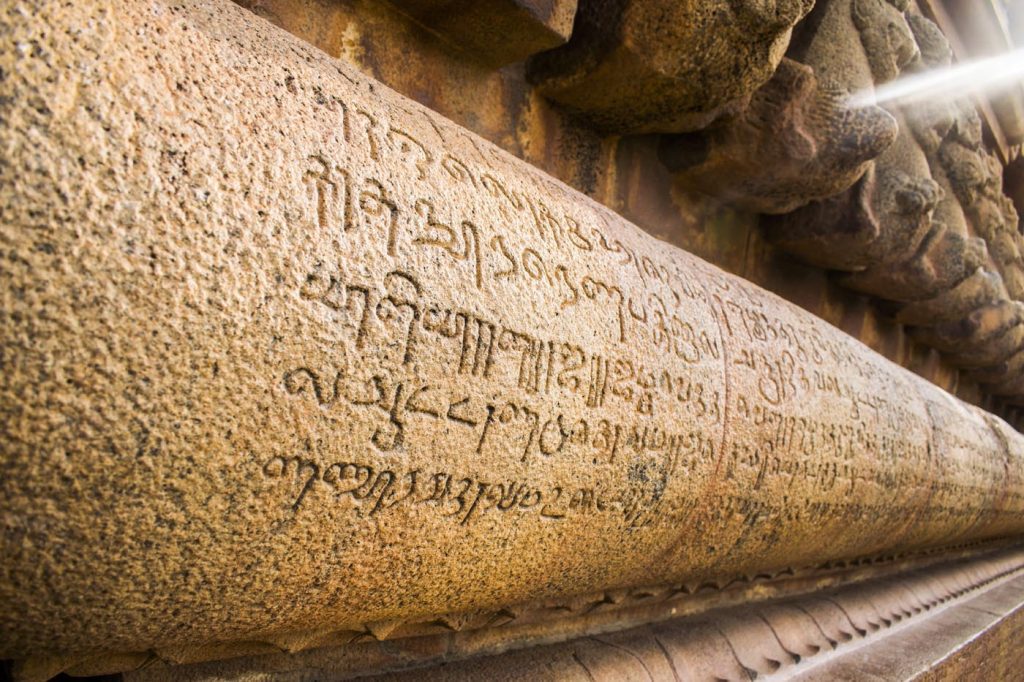
The Ajanta caves were not only spiritual centers but also cultural canvases for patrons seeking religious merit and legacy. Wealthy merchants, local rulers, and sometimes royal dynasties funded excavations and paintings, often leaving inscriptions as testimony. These carved records, etched into doorframes, pillars, or walls, reveal names, donations, and even specific purposes behind certain caves. For historians, they are invaluable, linking art to individuals and timelines. Some inscriptions describe offerings of gold, while others mention devotion to particular Buddhas or Bodhisattvas. Visitors with keen eyes can still spot weathered inscriptions, though many require guidance or translations provided on-site. They demonstrate how Ajanta functioned within broader trade networks, where economic prosperity enabled cultural investment. The Silk Road’s influence ensured that patrons from distant regions also contributed, blending local and international support. For modern travelers, recognizing these inscriptions turns anonymous caves into personal stories, each tied to human generosity and faith. Guides often highlight prominent examples, showing how patronage shaped both architectural scale and artistic content. These carvings transform Ajanta from a collective monument into a mosaic of individual voices, immortalized in stone, offering glimpses into the social and devotional fabric of ancient India.