
Stretching across the plains of central Myanmar, Bagan is home to thousands of ancient temples, pagodas, and stupas that create one of the most extraordinary archaeological landscapes in the world. This historic capital of the Pagan Kingdom remains a treasure for travelers interested in culture, history, and breathtaking scenery. From sunrise hot air balloon rides to exploring ornate temples tucked away on quiet paths, the experience feels timeless yet accessible. This Bagan Myanmar Travel Guide provides essential insights, practical tips, and curated highlights to help visitors make the most of their journey through this remarkable UNESCO World Heritage destination.
Sunrise Temple Chains & Mist Play

Morning in Bagan often reveals a soft haze rising from the plains, weaving through lines of ancient temples that form enchanting chains across the horizon. The mist amplifies the layered silhouettes, creating a sense of depth as spires fade gradually into the background. Photographers favor these conditions for atmospheric shots that highlight both mood and mystery. The interplay of light and fog changes by the minute, rewarding early risers with evolving perspectives. Best vantage points are from elevated pagodas or open fields where multiple structures align naturally. Arriving before dawn ensures time to set up equipment and secure an unobstructed position. Seasonal differences matter: during cooler months, mist is thicker and lingers longer, while in hotter seasons, clarity prevails. The most breathtaking scenes emerge when the first rays strike gilded stupas, piercing the mist with a golden glow. Patience is key, as the spectacle unfolds gradually, offering several distinct compositions within a single morning. Whether viewed with the naked eye or through a camera lens, the merging of temples and shifting fog captures Bagan’s essence—timeless yet ever-changing. Those seeking a serene beginning to the day will find this interplay unmatched anywhere else on the plains.
Off-Grid Temples Free From Crowds

Beyond Bagan’s most photographed pagodas lies a network of lesser-known temples, untouched by mass tourism. These off-grid sites provide tranquility and a deeper connection with the heritage that often gets overshadowed at popular spots. Many of these temples remain active with small local communities, where monks chant quietly or residents bring offerings. Unlike Shwesandaw or Dhammayangyi, you won’t find vendors or heavy traffic here, just unpaved paths winding through fields. Exploring with a local guide or GPS-enabled map reveals clusters hidden behind farmland or bamboo groves. The atmosphere feels raw—weathered frescoes, crumbling brickwork, and overgrown courtyards all telling stories of centuries past. Such settings are perfect for slow travelers seeking authenticity rather than staged moments. Morning visits often grant the company of grazing cattle or farmers starting their day, further grounding the experience in rural Myanmar life. Respect is essential, as some temples double as community spaces or meditation retreats. Removing shoes, dressing modestly, and maintaining silence shows appreciation. These hidden treasures may lack grandeur in scale, but they compensate with intimacy and charm. For travelers wanting respite from tourist-heavy circuits, these secluded temples offer the chance to wander freely, unhurried, and wholly immersed in quiet history.
Hot Air Balloon vs Rooftop Alternatives

The iconic balloon rides over Bagan’s plains remain a bucket-list experience, offering sweeping views of thousands of temples at sunrise. Floating silently above the landscape provides unmatched perspective, with mist and golden light amplifying the spectacle. However, the cost is high, often exceeding several hundred dollars per person, and bookings must be made well in advance. For travelers seeking alternatives, rooftops of permitted guesthouses and purpose-built viewing platforms provide excellent vantage points at no extra cost. Certain temples that once allowed climbing are now restricted, but nearby hills and elevated spots outside archaeological zones still grant panoramic views. Rooftop terraces, especially in Old Bagan, capture the same sunrise transitions as balloons, albeit without the drifting perspective. Another affordable option is renting an electric bike to reach scattered mounds and elevated fields at dawn. Each approach offers trade-offs: balloons give grandeur, rooftops provide accessibility, and ground-level explorations yield intimacy with nearby temples. Weather also plays a role—balloon flights may be canceled due to winds, while rooftops guarantee a stable viewpoint regardless. Ultimately, both experiences complement one another; while balloons deliver aerial spectacle, ground-based alternatives invite closer connection with the historic setting. Travelers can decide based on budget, comfort, and preference for scale versus detail.
Temple Murals & Hidden Frescoes

Behind Bagan’s brick exteriors lie interior chambers adorned with intricate murals that narrate centuries of Buddhist devotion. Many temples, though modest outside, conceal frescoes depicting Jataka tales, celestial beings, and meditative Buddhas. Natural pigments, despite fading with time, retain vibrant reds, ochres, and deep blacks that reflect advanced artistry of the Pagan dynasty. Some frescoes survive in remarkable condition due to limited exposure to sunlight. Access requires a torch or flashlight, as interiors are dim and unevenly lit. Among notable sites are Sulamani and Gubyaukgyi, where painted walls provide rare insight into monastic life and devotional practices. Restoration efforts continue, balancing preservation with authenticity. Beyond famous examples, hidden murals exist in less-visited shrines where details remain largely unrecorded. Visitors willing to explore patiently may encounter delicate lotus motifs, guardian deities, or inscriptions carved beside painted scenes. Respect is vital—flash photography accelerates deterioration, and touching surfaces damages fragile pigments. Scholars emphasize that these murals are not just decoration but integral storytelling devices linking pilgrims with Buddhist teachings. For culturally curious travelers, studying these frescoes enhances understanding of how art, faith, and daily life intersected in ancient Bagan. Each hidden chamber feels like stepping into a preserved moment of devotion.
Riverside Pagodas & Irrawaddy Light Trails
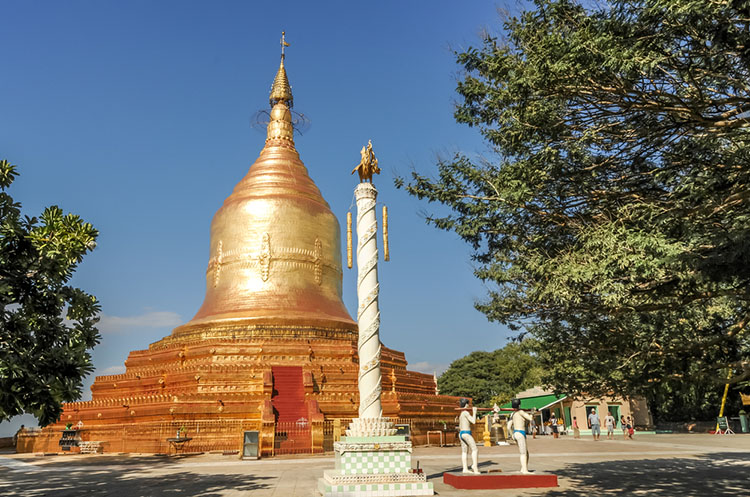
Bagan’s charm extends beyond the temple plains to its riverside sanctuaries along the Irrawaddy. Temples like Lawkananda and Bu Paya stand sentinel at the riverbanks, offering unique perspectives where water, light, and architecture converge. At dawn and dusk, boats glide across the surface, their trails illuminated by the sun’s reflection, creating dynamic compositions for photographers. These riverside pagodas often attract locals for evening prayers, making them culturally vibrant as well as scenic. The contrast of golden spires with rippling currents highlights Bagan’s connection to trade and spirituality—river routes once carried pilgrims, goods, and cultural exchanges. Watching the Irrawaddy shift colors—copper, silver, then indigo—as the day progresses adds another dimension beyond the static grandeur of temples inland. Access is straightforward, often by short bike rides from Old Bagan, and the atmosphere feels relaxed compared to inland tourist hubs. Some spots even double as picnic grounds, where families gather under trees after temple visits. For sunset enthusiasts, combining riverside pagodas with a passing boat scene is among the most evocative sights in Myanmar. These edges of the city remind visitors that Bagan’s spiritual narrative was always tied to the river, weaving commerce, devotion, and natural beauty together.
Local Markets + Artisan Encounters

Traditional markets scattered around Nyaung-U and Old Bagan provide glimpses into the daily rhythms that support temple life. Early mornings bring stalls piled with fresh produce, flowers for offerings, and handmade goods ranging from lacquerware to woven textiles. These markets aren’t staged for tourists alone; locals shop here for essentials, creating authentic scenes of bargaining and exchange. Artisans often sell directly, explaining techniques passed down generations—lacquer artists in Myinkaba, for instance, demonstrate how bamboo cores are layered with resin to achieve durability and shine. Wandering through these stalls reveals cultural continuity that parallels the temples’ spiritual legacy. Sampling local snacks like mohinga (rice noodle soup) or sticky rice parcels connects visitors to Myanmar’s culinary traditions. Photography opportunities abound, but discretion is key—always ask before photographing vendors. Markets also serve as conversation hubs, where travelers can engage with locals beyond transactional interactions. Buying handicrafts here supports village economies more directly than souvenir shops near tourist zones. For travelers wanting depth beyond temple circuits, these encounters root the journey in human connection and living culture. Just as pagodas showcase history, markets highlight resilience, creativity, and everyday devotion to craft. Both dimensions—sacred and secular—complete the narrative of Bagan.
Best Times & Seasons for Light, Weather & Balloon Ops

Seasonality shapes every aspect of visiting Bagan, from photography conditions to balloon operations. The dry season, spanning November to February, provides cool mornings, clear skies, and consistent mist that photographers prize. During these months, balloon rides operate almost daily, offering reliable opportunities for aerial views. March to May brings heat that can exceed 40°C, making midday temple visits challenging but rewarding early risers with unobstructed horizons free from fog. Monsoon season, from June to October, transforms the landscape with lush greenery, though heavy rains sometimes restrict access to dirt roads and limit balloon flights. Light quality differs: winter sun casts softer, golden hues ideal for silhouettes, while summer light is harsher, demanding careful composition. Sunset viewing tends to be more dramatic during monsoon, when storm clouds scatter vibrant tones across the plains. Travelers focused on photography should plan around seasonal nuances—whether aiming for atmospheric mist, fiery sunsets, or lush temple backdrops. Balloon companies prioritize safety, so weather-related cancellations are common, but alternative viewpoints ensure experiences remain rewarding. Aligning travel dates with the season that best matches personal goals—whether comfort, adventure, or visual impact—ensures that time in Bagan unfolds under its most favorable conditions.
Electric Bike or Tuk-Tuk Loops Mapping

Getting around Bagan efficiently requires balancing comfort, flexibility, and budget. Electric bikes remain the most popular choice, offering independence and easy navigation through narrow dirt tracks that connect lesser-known temples. They’re affordable, eco-friendly, and readily available for rent in Nyaung-U. However, travelers preferring more comfort can hire tuk-tuks or small private vehicles, which allow shaded rides and assistance from drivers familiar with temple circuits. Mapping out loops maximizes time: one recommended route focuses on Old Bagan’s central monuments, another extends south toward Myinkaba and Dhammayangyi, while a third ventures north to secluded temples and riverfront pagodas. Using GPS apps ensures smoother navigation, especially when detours arise due to seasonal road closures. Electric bikes suit adventurous travelers eager to stop spontaneously, while tuk-tuks appeal to groups or those less confident driving. Combining both across different days often provides the best mix of independence and guidance. Regardless of transport, carrying water, sunscreen, and a flexible schedule enhances the journey. Exploring Bagan is not just about moving between temples but also experiencing rural backdrops—ox carts, peanut fields, and children cycling home from school. Well-planned loops help balance major highlights with quieter corners, ensuring diverse and memorable encounters across the vast archaeological zone.
Temple Climbing & Viewpoint Access Restrictions

Once central to Bagan’s allure, climbing temple terraces for sunrise and sunset views has been heavily restricted in recent years due to safety concerns and preservation efforts. Earthquakes, erosion, and tourist foot traffic have weakened many structures, prompting authorities to close access to most rooftops. Only a handful of officially designated viewpoints now exist, often man-made mounds built to replicate the elevated perspectives once gained atop pagodas. While some visitors lament the restrictions, conservationists stress their importance in safeguarding heritage. Alternatives include hot air balloons, designated hills, or viewing towers that still capture sweeping panoramas without damaging fragile masonry. Travelers should respect closures, as unauthorized climbing risks fines and further endangers preservation. The shift also encourages appreciation of temples for their architectural and spiritual value, not merely as viewing platforms. Some structures remain partially accessible, but regulations change frequently, so checking with local guides or tourism offices ensures up-to-date information. These restrictions remind visitors that heritage tourism requires balance between experience and protection. While climbing bans may alter the romanticized image of Bagan, they ensure that future generations can continue to marvel at the same skyline—preserved, respected, and sustainably managed.
Sunset Spots Away From Shwesandaw Crowds

Shwesandaw once dominated sunset itineraries, but overcrowding has diminished the experience. Alternatives scattered across the plains offer equally stunning views with fewer people. Law Ka Ou Shaung Hill, for example, provides sweeping panoramas without the stress of jostling for space. Smaller temples near Minnanthu or New Bagan feature open fields where visitors can sit quietly as the sun dips behind the horizon. Riverside pagodas also present unique backdrops, blending glowing spires with reflections on the Irrawaddy. Travelers with e-bikes can venture into agricultural areas where temple silhouettes rise against colorful skies, often shared only with farmers returning from fields. These offbeat spots retain the magic of Bagan’s sunsets—gradual color shifts, lengthening shadows, and the hum of evening rituals—without the distractions of large crowds. Carrying a blanket or simple mat makes waiting more comfortable, as the best colors often appear after the sun has technically set. Respect for local communities is important, as some fields are privately owned. Choosing less-trafficked sunset points rewards visitors with tranquility, intimacy, and authentic atmosphere. Bagan’s beauty thrives when experienced at one’s own pace, unhurried and uninterrupted, away from the mass gatherings at the most advertised viewing sites.
Walking with Locals & Monks in Quiet Hours

Early mornings and late evenings in Bagan open windows into rhythms that most tourists miss. Before sunrise, monks move silently through villages collecting alms, a centuries-old ritual that remains central to community life. Walking alongside locals during these hours offers more than photographs—it provides an intimate glimpse into devotion, humility, and discipline. Streets are hushed except for chanting or the sound of footsteps on dusty lanes. Visitors observing respectfully, with modest dress and quiet demeanor, are often welcomed to witness or even participate by offering food. Unlike organized tours, these moments unfold naturally, rooted in daily life rather than staged encounters. Conversations may follow later at tea shops, where residents gather after morning routines, bridging cultural gaps through simple exchanges. Evening strolls reveal another dimension: families lighting candles in small shrines or gathering at neighborhood temples for prayers. These quiet hours reveal a side of Bagan beyond its monumental temples—a living culture where faith and community intertwine. By walking with locals and monks, travelers discover that Bagan’s spirit resides not only in its architecture but in the enduring traditions that sustain it. Such experiences ground a journey in human connection, complementing the grandeur of the archaeological sites.
Food & Stay Pairings Near Temple Zones

Choosing accommodation in Bagan involves more than comfort—it shapes how easily one engages with the temple landscape and local cuisine. Old Bagan offers upscale hotels with immediate proximity to iconic pagodas, often paired with in-house dining featuring Myanmar classics like tea leaf salad and curries. Nyaung-U caters to budget and mid-range travelers, its lively streets filled with street food stalls and casual restaurants serving mohinga, grilled skewers, and tropical fruits. New Bagan strikes a balance, hosting boutique stays with fusion menus blending Burmese flavors with international dishes. Staying near temples allows travelers to pair meals with exploration: breakfast before a sunrise ride, light lunches between sightseeing loops, and dinners overlooking illuminated pagodas. Many guesthouses also partner with local chefs or families to provide cooking classes, giving visitors hands-on insight into regional dishes. For those seeking authentic immersion, small inns in nearby villages serve farm-to-table meals, emphasizing seasonal ingredients sourced directly from local markets. These pairings—lodging and food—become integral to the journey, ensuring convenience, cultural depth, and comfort. Whether dining at riverside restaurants, rooftop terraces, or roadside stalls, the culinary dimension enriches temple exploration, turning each day into a seamless blend of sacred sights and satisfying flavors.