
Salt-tinged air, wide horizons, and ever-shifting tides define England’s most compelling coastal escapes. From surf-lashed Atlantic coves to calm, family-friendly sands, the shoreline offers far more variety than many expect. These beaches matter for wellness, adventure, and simple restoration, blending sea swimming, cliff walks, fossil hunting, and historic seaside towns into one experience. Travelers planning short breaks or summer holidays gain practical value from knowing where to find clean water, safe swimming, dramatic scenery, and reliable facilities. This guide brings together the finest English beaches, spotlighting regional highlights, seasonal tips, and what makes each stretch of coast truly unforgettable.
Pedn Vounder, Cornwall
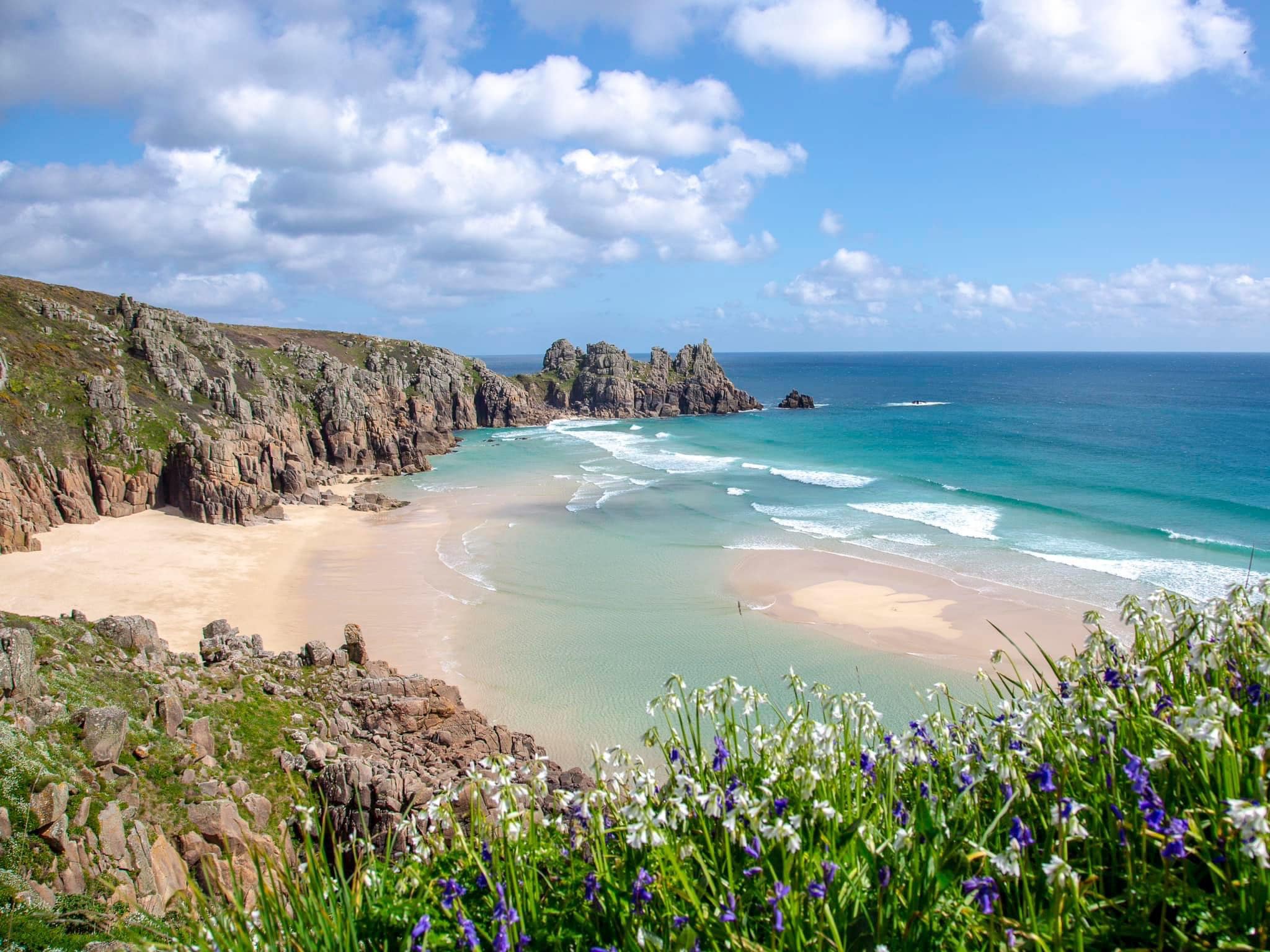
Hidden beneath dramatic granite cliffs near Porthcurno, this remote crescent of pale sand feels closer to a Mediterranean cove than a typical English shoreline. The steep descent adds to the sense of escape, rewarding visitors with turquoise waters, fine sand, and sweeping Atlantic views. On calm days, shallow pools form near the shoreline, reflecting the surrounding cliffs and sky in luminous blues and greens. The beach remains largely undeveloped, preserving its wild character and quiet atmosphere even during peak summer. Wildlife sightings are common, with seabirds circling the cliffs and seals occasionally appearing offshore. The surrounding coastal paths offer elevated viewpoints ideal for photography and sunset watching. Strong tides and shifting currents require caution, but confident swimmers often enjoy the refreshing clarity of the water. Access is limited and weather dependent, making timing essential. The absence of commercial facilities reinforces the untouched feel, so preparation is key. Pedn Vounder stands out for travelers seeking raw beauty, dramatic geology, and the rare sensation of complete coastal solitude along Cornwall’s iconic southern edge.
Holkham Beach, Norfolk

Wide skies and open horizons define this vast stretch of sand backed by dunes and pine woodland. The shoreline unfolds for miles, offering uninterrupted views where sea, sand, and sky meet in expansive silence. Shallow tidal channels weave across the beach, creating constantly changing patterns ideal for walkers and photographers. The dunes provide shelter from coastal winds while framing the beach with soft golden contours. Behind the dunes, nature reserves support rare birds, deer, and coastal plant life, making the area popular with wildlife enthusiasts year-round. The sea here remains gradual and shallow, suitable for paddling and relaxed swimming when conditions allow. Even during busier months, the sheer width of the beach ensures space for quiet exploration. Historic estates nearby add cultural depth without disrupting the natural landscape. Long, flat sands make this coast ideal for peaceful walks, kite flying, and horse riding at permitted times. Holkham’s appeal lies in its sense of scale, undeveloped beauty, and the feeling of being immersed in one of England’s most unspoiled coastal ecosystems.
Hunmanby Gap, Yorkshire

Tucked between towering chalk cliffs and rolling farmland, this quiet section of the Yorkshire coast delivers a powerful mix of height, sea, and open space. A long wooden ramp winds down from the clifftop, revealing a broad sweep of firm sand that stretches toward Filey Bay. The beach transforms with the tides, exposing rock pools, rippled sandbars, and shallow channels ideal for exploring marine life at low water. Waves here attract surfers, especially during stronger swells driven in from the North Sea. Above the shore, grassy cliff paths offer elevated views along the coastline and across the open sea. Birdlife is abundant, with kittiwakes, gulls, and migratory species frequently seen along the cliffs. The surrounding countryside adds rural charm to the coastal setting. Facilities remain minimal, preserving the peaceful atmosphere and natural soundscape. Seasonal changes dramatically alter the beach’s character, from rugged winter seas to broad summer sands. Hunmanby Gap suits travelers seeking wide horizons, raw coastal energy, and a slower, less commercial seaside experience.
Bigbury-on-Sea, Devon
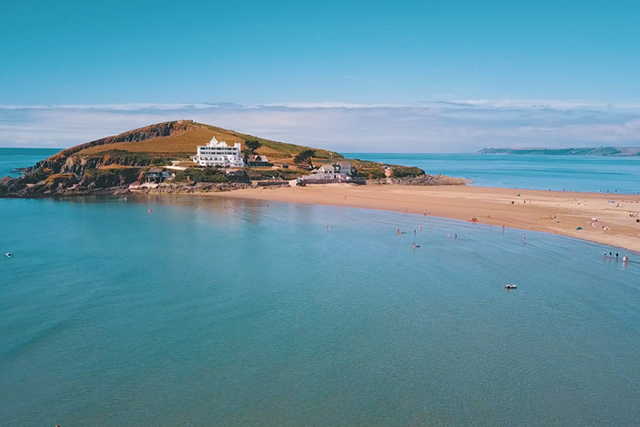
Waves and dramatic tidal shifts define this lively South Devon beach facing the iconic Burgh Island. At low tide, a remarkable sand causeway emerges, allowing walkers to cross directly to the island as the sea temporarily retreats. The wide sandy bay provides ideal conditions for families, surfers, and paddleboarders, with gentle areas near the shore and stronger breaks further out. Rocky outcrops frame the edges of the beach, forming small natural pools perfect for safe exploration. The water quality remains consistently high, drawing visitors throughout the warmer months. Viewing platforms and coastal paths offer sweeping perspectives over the island and surrounding headlands. Seasonal lifeguard patrols add reassurance for swimmers. As the tide returns, the transformation is swift and dramatic, turning the causeway back into open sea within hours. Nearby hillside viewpoints deliver some of the most photographed coastal scenes in Devon. Bigbury-on-Sea combines geological drama, accessible adventure, and one of England’s most memorable tidal spectacles in a single striking location.
Worbarrow Bay, Dorset
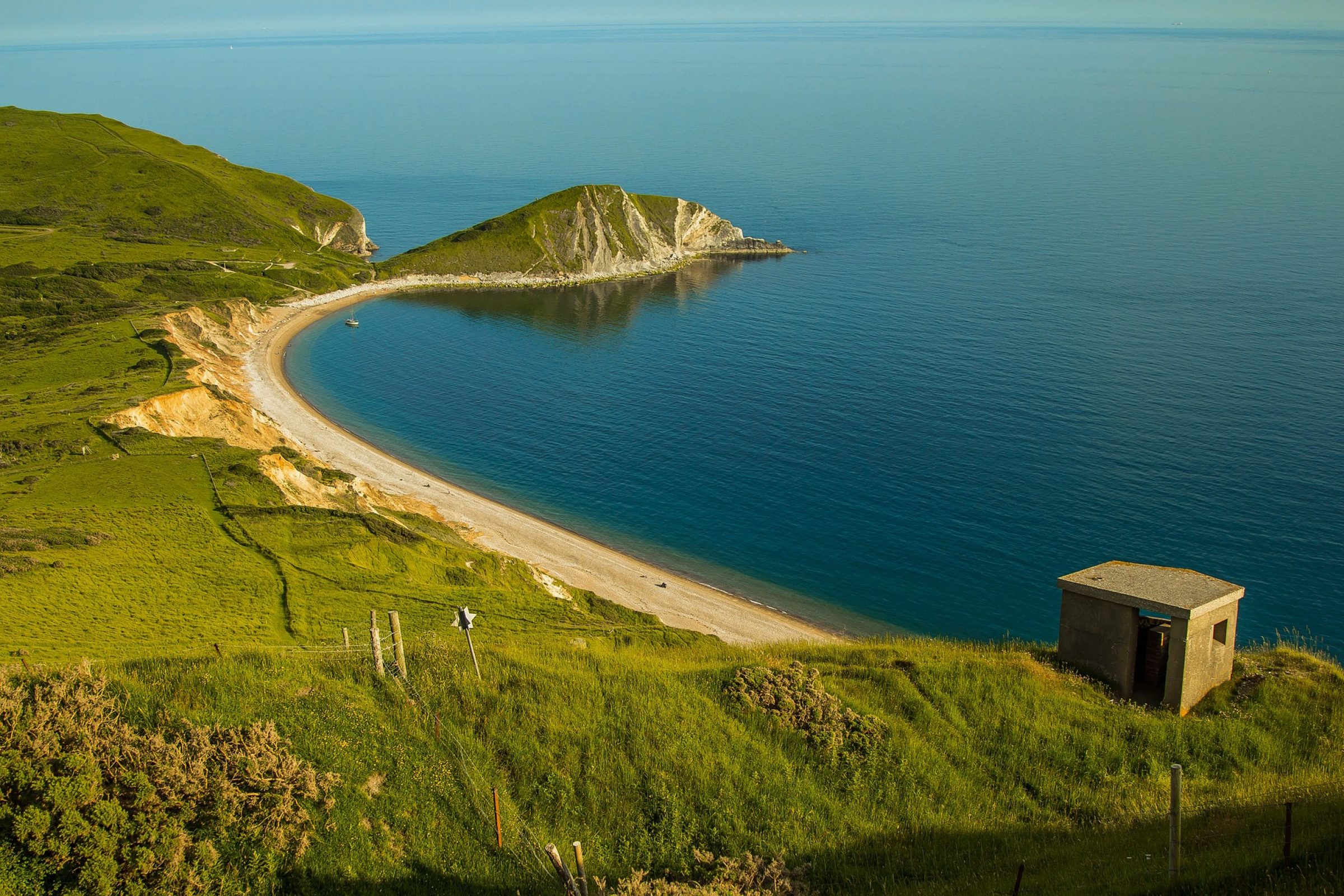
Sheltered within the boundaries of the Lulworth military range, this rarely accessed bay opens only on designated days, enhancing its sense of exclusivity. Chalk cliffs, pebble beaches, and sweeping grassy ridges frame a broad arc of water that often remains clearer and calmer than nearby sections of the Jurassic Coast. The remnants of a former village near the cliffs hint at its unusual past, adding historical interest alongside geological significance. When access is permitted, visitors can wander freely along the shingle, climb surrounding paths, and explore rock formations shaped by centuries of erosion. The bay’s orientation helps shield it from strong winds, offering peaceful conditions for paddling and shoreline photography. Wildlife thrives along the cliffs, with seabirds nesting overhead and marine life visible below the surface on still days. The isolation enhances the sensory experience, where wave sounds carry uninterrupted across the cove. Worbarrow Bay delivers a rare balance of history, geology, and seclusion unique along England’s southern coast.
Botany Bay, Kent

Dramatic white chalk stacks rise from the shoreline here, creating one of Kent’s most photogenic coastal scenes. The towering formations stand against wide skies and shifting tides, changing character throughout the day as light and shadow play across the cliffs. At low tide, broad sandy flats appear, revealing fossil fragments, shallow pools, and winding tidal streams. The calm water makes paddling accessible during settled weather, while the exposed headland can generate impressive wave action on breezier days. Overhead, cliff-top paths connect to wider coastal walks that trace the edge of Thanet’s coastline. The cliffs carry geological significance, reflecting layers formed millions of years ago. Environmental protection helps preserve fragile formations and bird habitats along the rock faces. Photography remains especially popular at sunrise and sunset, when tones shift from pale gold to deep amber. In spite of growing popularity, the bay still offers peaceful moments during quieter hours. Botany Bay blends striking geology, open sands, and classic chalk-cliff drama in a setting unlike anywhere else in southeast England.
Winterton Beach, Norfolk
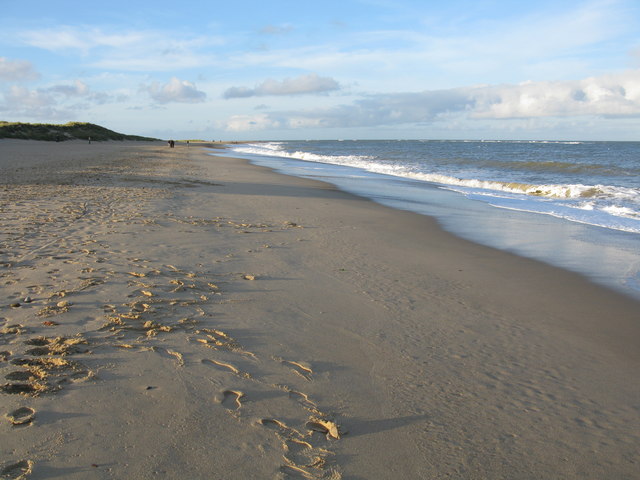
Sweeping dunes stretch endlessly along this exposed and wonderfully wild stretch of the Norfolk coast. Marram grass crowns high sandy ridges that protect the inland landscape from North Sea tides. The beach itself is broad and firm underfoot, making it ideal for long coastal walks at any time of year. During winter months, grey seal colonies gather offshore, providing rare wildlife viewing from the shoreline as hundreds of pups rest on nearby sands. Timber sea defenses form repeating geometric lines along portions of the coast, contrasting with the natural contours of dunes and shore. Wind conditions often favor kite surfers, while calmer spells suit relaxed paddling. The surrounding dune system supports rare plants and insects, adding ecological importance to the scenery. Access points remain limited, helping to preserve the area’s open character and unspoiled feel. Seasonal light transforms the landscape from bright summer golds to steel-grey winter tones. Winterton stands out for those drawn to expansive views, quiet solitude, and close encounters with coastal wildlife.
Woolacombe Beach, Devon
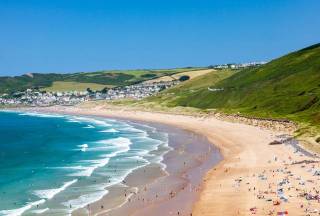
Three miles of uninterrupted golden sand define this vast Atlantic-facing shoreline on Devon’s north coast. Powerful swells roll in from open water, consistently ranking the beach among the country’s top destinations for surfing and bodyboarding. The width of the shore allows space for families, walkers, and sports enthusiasts to enjoy different zones without crowding. Behind the beach, grassy headlands and dunes rise toward coastal paths offering panoramic sea views. On calmer days, shallow tidal pools appear near the shoreline, attracting children and wildlife watchers alike. The beach holds international Blue Flag status for water quality and safety. Seasonal lifeguard services support year-round activity during peak months. Sunsets here regularly draw photographers as skies ignite over the rolling surf. Nearby villages provide amenities without overwhelming the open coastal atmosphere. Woolacombe’s strength lies in its scale, consistent waves, and the feeling of exposure to the full force of the Atlantic, making it ideal for both energetic adventure and open-sky relaxation.
Lekerock Cove, Cornwall

Tucked between rugged headlands along Cornwall’s quieter coastline, this lesser-known cove rewards determined explorers with peaceful seclusion and raw scenery. The route down threads through steep coastal terrain, revealing a narrow sweep of sand and lightly scattered pebbles framed by dramatic rock faces. Clear green water laps gently against the shore during settled weather, while stronger tides bring rolling breakers against the outer rocks. Rock pooling becomes a highlight at low tide, with starfish, crabs, and sea anemones visible in sheltered corners. The surrounding cliffs shelter the beach from much of the wind, creating a surprisingly calm microclimate on many days. Overhead, seabirds ride coastal thermals along the ridgeline, adding movement to the otherwise quiet landscape. With no nearby facilities, visitors experience a rare sense of complete escape from built surroundings. The cove’s isolation discourages large crowds, keeping the atmosphere intimate and natural. Lekerock Cove suits travelers seeking hidden beaches, quiet exploration, and the reward that comes from finding what most visitors never reach.
Castle Cove, Dorset
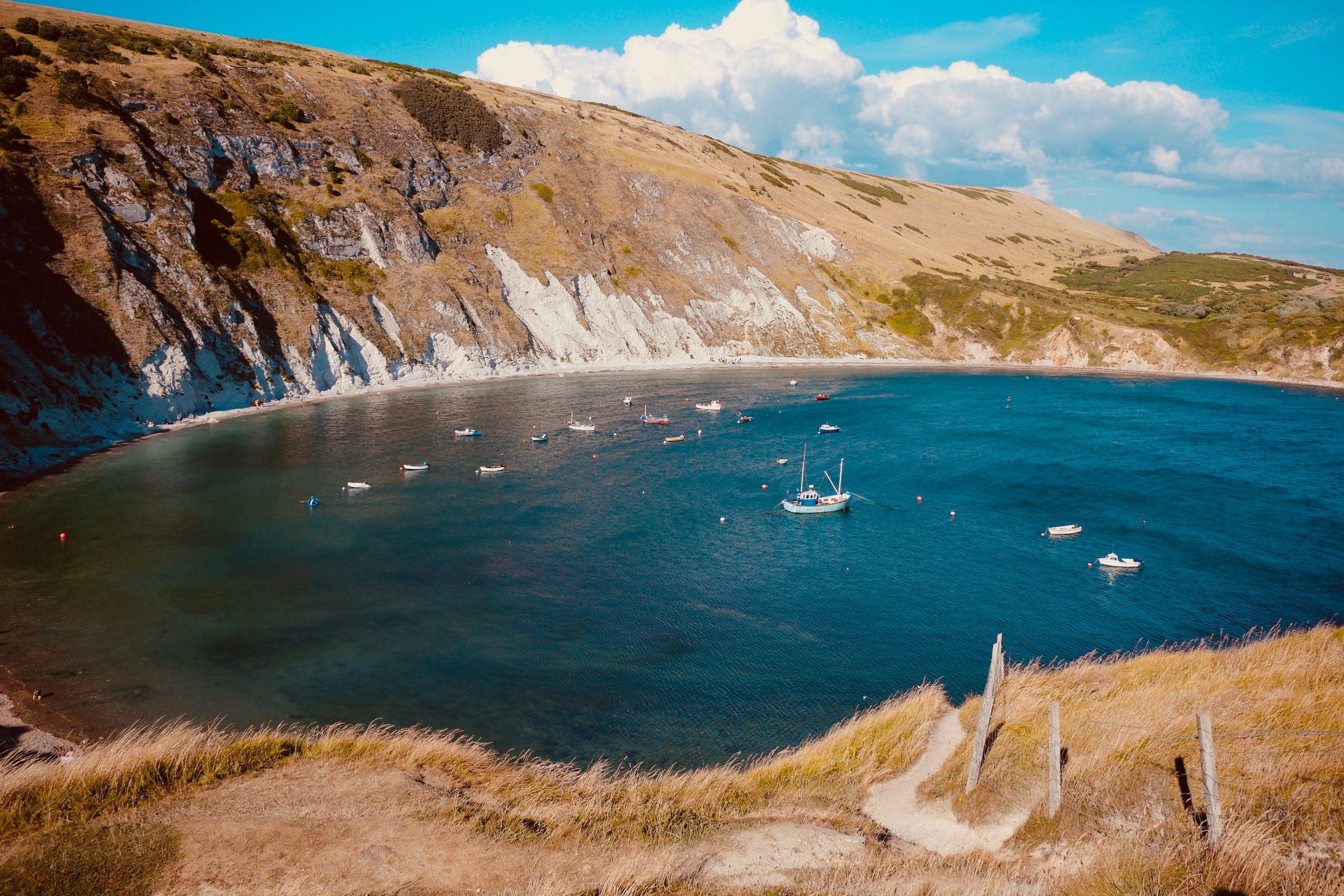
Curving beneath rugged limestone cliffs near Weymouth, this compact bay blends urban accessibility with natural coastal charm. A narrow belt of shingle slopes into clear water that often remains calmer than neighboring open beaches due to the bay’s sheltered shape. Strong tidal movement keeps the water fresh and inviting for swimming on warm days. Local anglers favor the deeper drop-offs just offshore, while paddle craft glide easily along the cliff-lined edges in quieter conditions. Coastal footpaths above the cove deliver elevated views across the Jurassic Coast and Portland headlands. The surrounding geology displays folded rock layers that reveal millions of years of erosion and tectonic movement. Sunlight reflects sharply off the stone, giving the cove a bright, almost luminous quality during midday hours. Despite its proximity to town, the atmosphere retains a peaceful character, especially outside peak summer periods. Access steps add to the sense of separation from the busier waterfront nearby. Castle Cove offers a balanced mix of geological interest, sheltered swimming, and striking cliff scenery within reach of Dorset’s historic coastline.
Combe Martin, Devon
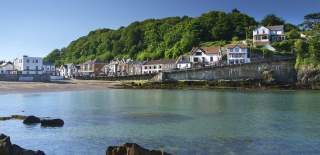
Steep wooded hills funnel down toward this narrow, pebble-backed beach at the western edge of Exmoor. The shoreline curves inward, forming a sheltered pocket where tidal conditions remain gentler than open coastline beyond. At low water, broad flats of firm sand emerge, ideal for walking, paddling, and uncovering rock pools dotted with small marine life. Fishing boats often rest along the waterline, reinforcing the village’s long maritime heritage. Coastal paths rising above the bay connect to dramatic clifftop walks with broad views across the Bristol Channel. Water clarity improves notably during calmer summer spells, drawing swimmers and snorkelers into sheltered shallows. The surrounding landscape blends woodland, pasture, and sea in a compact setting that changes rapidly with shifting light and tide. Seasonal seabirds follow offshore currents, regularly visible from the shore. Despite its modest scale, the beach delivers layered scenery and a strong sense of place. Combe Martin appeals to those who value traditional coastal villages, sheltered swimming conditions, and easy access to dramatic upland-meets-sea landscapes.
Broad Sands, Devon
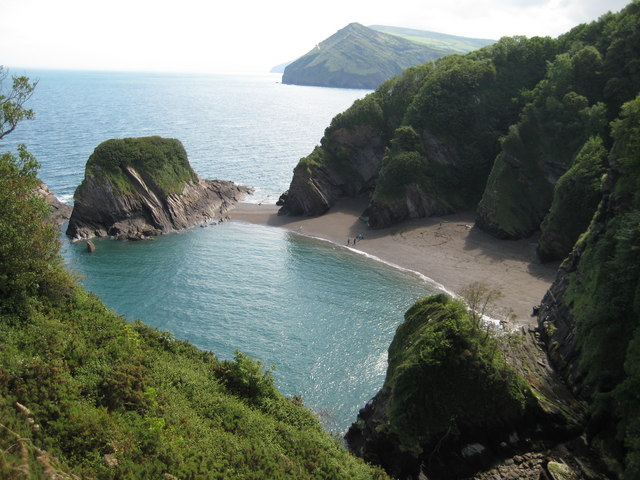
Sheltered between red cliffs and low green headlands, this wide sandy bay rests quietly on the outskirts of Torbay. The beach slopes gently into the sea, making it particularly suitable for families, paddling, and long wades during calm conditions. At low tide, the sand extends far inland, revealing firm, walkable flats and shallow rippled channels. The surrounding cliffs display rich rust-colored rock faces that glow warmly in afternoon light. Coastal trails above the shoreline connect toward nearby coves and viewpoints, offering uninterrupted views across the bay. Water clarity remains high through much of the year, thanks to steady tidal flow. Gentle breezes often replace the stronger coastal winds found elsewhere on Devon’s open shores. Rock pools near the cliff edges host small crabs, fish fry, and seaweed forests ideal for relaxed exploration. Despite its accessibility, the beach rarely feels overly crowded outside peak holiday weeks. Broad Sands delivers an appealing blend of shelter, soft sand, family-friendly waters, and scenic headland framing along one of South Devon’s most approachable coves.