
Ocala National Forest & Silver Springs

Pristine wilderness blends with crystal-clear waterways in Ocala National Forest, one of Florida’s most underrated escapes. Stretching across more than 600 square miles, the forest offers endless opportunities for outdoor lovers, from canoeing and kayaking down the Silver River to hiking shaded trails lined with towering pines and oaks. Silver Springs, famous for its glass-bottom boat tours, reveals an underwater world teeming with fish, manatees, and freshwater springs that bubble up from underground aquifers. Visitors can spend the day swimming in turquoise pools or exploring the historic park, which has roots dating back to the 1870s. Wildlife encounters are common, with sightings of black bears, alligators, and migratory birds creating a true wilderness experience. For those seeking tranquility, the area’s campgrounds and picnic spots make it easy to immerse in nature without crowds. Silver Glen Springs and Juniper Springs are particularly loved for their cool, refreshing waters, ideal on warm Florida days. Whether you’re exploring by kayak or strolling shaded trails, this region combines adventure with relaxation. Few places in the state capture such a balance of raw wilderness and natural beauty, making Ocala and Silver Springs a hidden gem that feels worlds away from urban Florida.
Bok Tower Gardens, Lake Wales

Soaring melodies and lush landscapes define Bok Tower Gardens, a serene retreat nestled in Lake Wales. Built in the 1920s as a gift of beauty and peace, this National Historic Landmark centers around the striking 205-foot Singing Tower. The tower houses one of the world’s finest carillons, filling the air daily with harmonious chimes that enhance the garden’s tranquil atmosphere. Surrounding the tower, winding paths lead through 250 acres of rolling hills, shaded woodlands, and vibrant floral displays that change with the seasons. Camellias, azaleas, and magnolias burst into color, drawing nature lovers and photographers alike. Wildlife thrives here too—expect to spot butterflies, rare bird species, and curious squirrels among the greenery. The site also includes Pinewood Estate, a Mediterranean-style mansion offering a glimpse into Florida’s architectural past. Families enjoy exploring interactive areas like Hammock Hollow Children’s Garden, designed for play and discovery. Beyond its beauty, Bok Tower Gardens is rooted in conservation, preserving native habitats and offering educational programs. With its blend of art, music, and nature, the gardens provide a peaceful escape that feels timeless. Visitors often describe it as a spiritual experience, a reminder of Florida’s quieter, more contemplative side away from beaches and theme parks.
Little Moir’s Food Shack, Jupiter

Food lovers in search of a truly local gem find it at Little Moir’s Food Shack in Jupiter. Tucked unassumingly in a strip mall, this restaurant has built a loyal following with its inventive seafood dishes and quirky, laid-back vibe. Daily menus are handwritten, showcasing what’s freshest from local fishermen and farms. Expect plates like sweet potato-crusted fish, tuna poke with tropical flavors, and unique salads bursting with textures and colors. The portions are generous, and the flavors are bold, combining Caribbean, Asian, and Floridian influences in surprising ways. Regulars rave about the atmosphere—walls lined with eclectic art, upbeat music, and staff who treat guests like old friends. Despite its humble setting, the Food Shack consistently lands on foodie bucket lists for those in the know. The restaurant’s dedication to freshness means no two visits are alike; dishes rotate depending on what the chef can source that day. Even the desserts, often made in-house, highlight local ingredients. It’s not a place for fine dining formality but rather a celebration of Florida’s coastal bounty prepared with creativity. For anyone seeking authentic flavor beyond tourist menus, this hidden spot delivers an unforgettable dining experience that embodies Jupiter’s laid-back coastal spirit.
Walker’s Landing, Amelia Island

Hidden among moss-draped oaks and overlooking salt marshes, Walker’s Landing is one of Amelia Island’s most scenic and lesser-known treasures. Nestled within the Amelia Island Plantation, this venue offers breathtaking sunset views across the Intracoastal Waterway. Though often reserved for weddings and private gatherings, its boardwalks and natural surroundings remain a serene spot for those who stumble upon it. Wooden walkways lead to open marshlands where herons, egrets, and ospreys can often be spotted hunting in the shallows. The atmosphere is peaceful, with golden light casting reflections across tidal creeks at dusk. Locals treasure it as a place for quiet reflection, kayaking, or simply enjoying an unhurried stroll through natural landscapes. Because it’s not widely publicized, Walker’s Landing retains an intimate charm that feels worlds away from Amelia Island’s busier beaches and attractions. Evenings bring spectacular skies painted in shades of orange, pink, and purple—making it a favorite spot for photographers and couples. Its location within a private community means it often goes unnoticed by casual visitors, but those who venture here are rewarded with one of Florida’s most memorable and tranquil vantage points. Walker’s Landing represents the untouched beauty that makes Amelia Island so captivating.
Ann Norton Sculpture Gardens, West Palm Beach

Art and nature blend seamlessly at the Ann Norton Sculpture Gardens, a hidden cultural escape in West Palm Beach. Once the home and studio of sculptor Ann Weaver Norton, the site now spans two acres filled with towering brick sculptures and lush subtropical gardens. Visitors stroll shaded pathways where massive monolithic forms rise among palms, bamboo, and native plants. The effect is both striking and serene, offering a space where art feels alive within the natural world. Norton’s works, many exceeding 20 feet in height, are complemented by rotating exhibitions from contemporary artists, ensuring each visit feels fresh and inspiring. The historic home, preserved with original furnishings and artwork, provides insight into Norton’s life and creative process. Beyond the art, the gardens serve as a sanctuary for wildlife, including migratory birds and butterflies. Events such as outdoor concerts, lectures, and seasonal displays add to the cultural richness of the experience. Despite being just minutes from bustling downtown, the gardens maintain an intimate atmosphere, often surprising first-time visitors with their tranquility. It’s a place where creativity, history, and horticulture converge, making it one of Florida’s most enchanting and underappreciated attractions for those seeking inspiration and quiet beauty.
Peanut Island, Riviera Beach
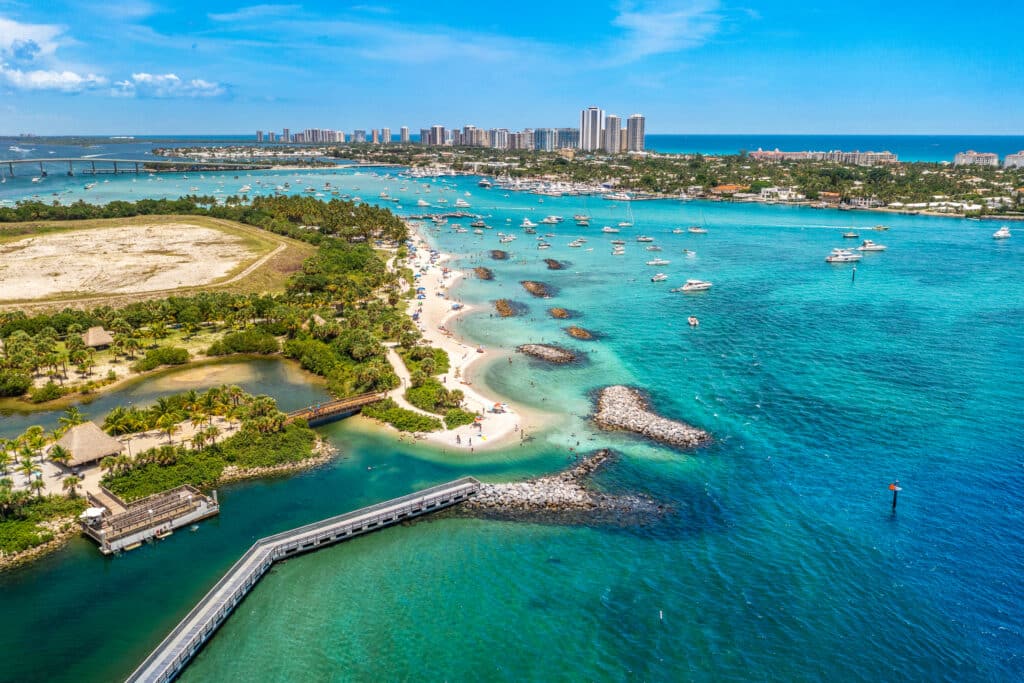
Turquoise waters surround Peanut Island, a small but fascinating destination off Riviera Beach that holds more than just scenic appeal. Accessible only by boat, kayak, or water taxi, this 80-acre island offers snorkeling in crystal-clear lagoons where colorful tropical fish and rays swim just offshore. Its sandy beaches make it a favorite day trip for locals seeking a quieter alternative to crowded stretches. History buffs are often surprised to learn the island hides a Cold War-era nuclear fallout shelter built for President John F. Kennedy, now preserved as a historic site. Trails wind through mangroves and shaded picnic areas, perfect for a relaxed outing with family or friends. The island’s position within the Lake Worth Lagoon ensures calm waters ideal for paddleboarding and swimming. On weekends, boaters often anchor nearby, creating a festive atmosphere without overwhelming the natural setting. The mix of recreation, history, and wildlife makes Peanut Island stand out as a destination that feels worlds away despite being minutes from the mainland. Its accessibility, coupled with its off-the-radar charm, ensures visitors experience one of Palm Beach County’s most unexpected and memorable coastal escapes.
Pelican Island National Wildlife Refuge, Vero Beach

History and conservation converge at Pelican Island National Wildlife Refuge, the first federally protected refuge in the United States. Established in 1903 by President Theodore Roosevelt, this Vero Beach treasure safeguards critical habitats for countless bird species. Wooden observation decks and boardwalks provide panoramic views over the Indian River Lagoon, where pelicans, herons, and spoonbills thrive. Visitors can explore hiking trails lined with mangroves and marsh grasses, offering glimpses of dolphins and manatees in the surrounding waters. Birdwatchers especially appreciate the refuge during migration seasons when flocks of wading and shorebirds arrive in abundance. Educational signage explains the refuge’s historic role in protecting Florida’s wildlife from overhunting and habitat loss. Despite its significance, Pelican Island remains relatively quiet, with a peaceful atmosphere perfect for those who prefer natural landscapes over commercial attractions. The area is managed to maintain ecological balance, creating a sanctuary that feels untouched by modern development. For anyone seeking a deeper appreciation of Florida’s environmental heritage, this refuge delivers both serenity and education. It’s a reminder that even small stretches of land can play an outsized role in preserving biodiversity for generations to come.
Yulee Sugar Mill Ruins Historic State Park, Homosassa
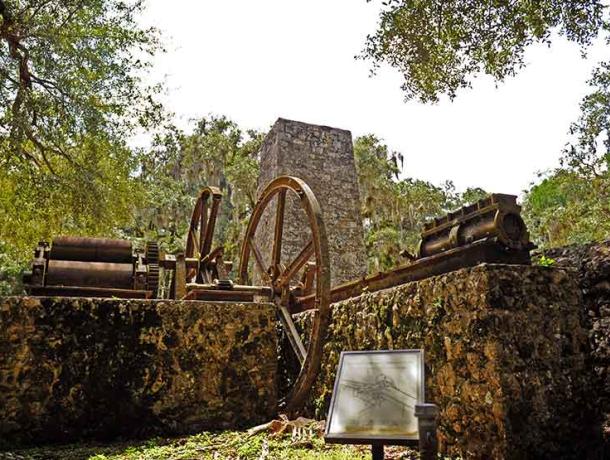
Remnants of Florida’s past are preserved at Yulee Sugar Mill Ruins Historic State Park in Homosassa. This quiet site features the remains of a 19th-century sugar plantation once owned by David Levy Yulee, Florida’s first U.S. senator. The centerpiece is a massive limestone masonry structure that once powered grinding machinery used to process sugarcane into syrup, molasses, and rum. Informative displays detail the plantation’s history, including the role enslaved labor played in its operation and the economic challenges of the Civil War era. Shaded picnic tables and oak trees make the small park inviting for reflection and rest. Unlike larger attractions, it’s rarely crowded, allowing visitors to contemplate the historical significance at their own pace. Its location near Homosassa Springs makes it an easy stop when exploring the area’s natural attractions. For history enthusiasts, it offers a tangible link to Florida’s antebellum past. The preserved ruins, weathered yet sturdy, stand as a reminder of the state’s complex cultural and industrial heritage. Though modest in size, the site provides a meaningful glimpse into a time when sugar was central to Florida’s economy, making it a hidden gem for travelers interested in both history and quiet beauty.
Boneyard Beach, Big Talbot Island State Park

Striking natural beauty sets Boneyard Beach apart, located within Big Talbot Island State Park near Jacksonville. Unlike typical sandy beaches, this shoreline is dotted with sun-bleached driftwood trees, their twisted trunks and branches creating an almost surreal, otherworldly scene. The skeletal remains of fallen oaks and cedars line the shore, shaped by tides and time into dramatic sculptures. Photographers flock here for sunrise and sunset shots when golden light accentuates the textures of the driftwood against the Atlantic surf. Despite its stark appearance, the beach supports diverse ecosystems, with seabirds soaring overhead and tidal pools filled with crabs and small fish. A short hike through maritime forest leads to the beach, adding to its sense of discovery. Because it’s a protected area, visitors are encouraged to leave the driftwood untouched, preserving its raw, haunting beauty. Unlike Florida’s bustling tourist beaches, Boneyard Beach offers a meditative, almost artistic experience that highlights nature’s cycle of life and renewal. It’s a destination where quiet walks inspire reflection, and the landscape feels both timeless and ephemeral. For those looking to escape the ordinary, this shoreline delivers one of the state’s most unique and visually striking coastal experiences.
Fort Clinch State Park, Amelia Island
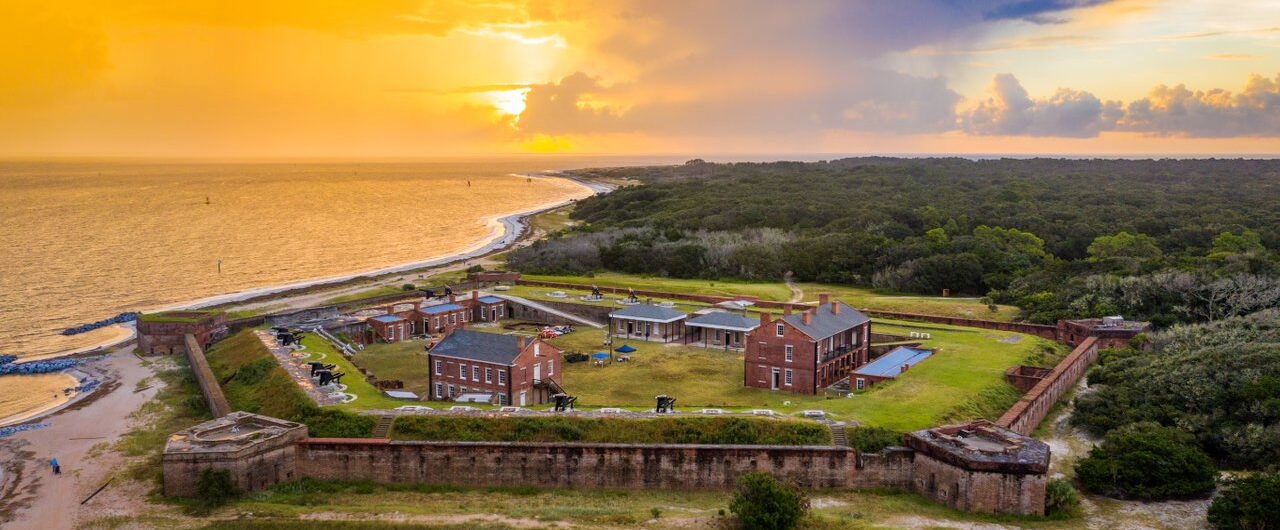
History meets natural beauty at Fort Clinch State Park on Amelia Island, where a 19th-century brick fortress overlooks the Cumberland Sound. Built in the mid-1800s, the fort was never fully completed yet played roles in both the Civil War and Spanish-American War. Today, visitors can tour its preserved bastions, brick corridors, and cannons, often accompanied by costumed reenactors who bring history to life. Beyond the fort itself, the park encompasses over 1,400 acres of maritime forest, dunes, and pristine shoreline. Hiking and biking trails wind through oak-canopied paths, while birdwatchers enjoy sightings of painted buntings, owls, and migratory species. The beach offers opportunities for shelling, fishing, and dolphin watching, making it a versatile destination for outdoor enthusiasts. Campgrounds provide overnight stays where starry skies and ocean breezes set a peaceful scene. Despite its significance, the park often feels uncrowded, allowing exploration without the rush of large crowds. Fort Clinch offers both educational depth and natural splendor, giving visitors a rare chance to step into Florida’s history while enjoying the coastal environment. It’s a hidden gem that seamlessly blends cultural heritage with opportunities for recreation and relaxation.
Ballard Park, Melbourne

Community charm and natural beauty converge at Ballard Park, a lesser-known treasure in Melbourne. Nestled along the Indian River Lagoon, this 10-acre park offers visitors a mix of recreation and scenic views. Shaded walking paths wind past towering oaks and palms, while waterfront access provides opportunities for kayaking, boating, and fishing. A small beach area allows children to wade in calm waters, and picnic pavilions make it a popular spot for family gatherings. Tennis courts and open lawns provide additional options for active visitors. What makes the park especially appealing is its tranquil atmosphere, often overlooked in favor of larger regional attractions. Locals appreciate it as a quiet space to enjoy sunsets over the river or to launch a paddleboard adventure into surrounding waterways. The park also serves as a gateway to the lagoon’s ecosystem, where dolphins and manatees are frequently spotted near the shoreline. Seasonal festivals and community events occasionally bring energy to the space, yet most days it retains a peaceful character. Ballard Park captures the essence of small-town Florida—accessible, unpretentious, and naturally beautiful—making it a hidden gem worth discovering in Brevard County.
St. Anne des Lacs Shrine & Lake Ste Anne Woods

Spiritual heritage and natural tranquility define the St. Anne des Lacs Shrine near Lake Ste Anne Woods, one of Florida’s most unexpected cultural landmarks. Built in the early 20th century by French-speaking Catholic settlers, the shrine once drew large pilgrimages, though today it remains a quiet, contemplative site. Stone ruins of the chapel stand amid shaded woodlands, their weathered arches evoking a sense of timeless reverence. Trails meander through surrounding pine and oak forests, offering peaceful walks where birdsong and rustling leaves replace the noise of daily life. Visitors often describe the shrine as serene, a place where history and spirituality linger in the atmosphere. Though services are no longer held, locals and travelers alike stop to light candles or reflect at the site, appreciating its cultural and religious significance. Its relatively hidden location means it rarely appears on typical Florida itineraries, yet those who seek it out find a space that feels sacred and restorative. The shrine, combined with the natural beauty of Lake Ste Anne Woods, offers a reminder of the diverse cultural influences that have shaped Florida beyond its beaches and modern cities.