
Cornwall draws travelers with rugged cliffs, turquoise coves, and villages shaped by sea and stone. This guide highlights standout locations across the county, balancing famous coastal landmarks with quieter bays and inland moorland scenes. Readers gain clarity on where to go for beaches, walking trails, fishing harbors, and historic sites, plus when tides, weather, and crowds matter most. Practical context covers access, parking, coastal paths, and seasonal timing to support efficient planning. Designed for short breaks and longer road trips, the recommendations help prioritize meaningful stops, reduce backtracking, and experience Cornwall’s character through scenery, culture, and everyday coastal life authentically.
Kynance Cove

Turquoise water edged by towering serpentine cliffs gives this sheltered cove near Lizard Point its unmistakable identity. Pale sand appears only at low tide, revealing sea stacks, caves, and tidal pools that attract photographers and coastal walkers throughout the year. Footpaths from the National Trust car park descend steeply, rewarding visitors with dramatic Atlantic views before reaching the beach. Calm summer conditions allow safe paddling, while winter swells highlight the raw power of Cornwall’s southern coastline. Wildlife sightings frequently include seals resting on offshore rocks and seabirds circling the cliffs. Rock formations display rare green and red hues unique to this stretch of coast, making the landscape feel almost otherworldly. A small seasonal café near the beach offers simple refreshments without disrupting the natural setting. Sunset hours bring softer light and fewer crowds, ideal for relaxed exploration. Tidal awareness remains essential, as access routes change quickly. For many travelers, this cove represents Cornwall’s coastal beauty at its most striking and unspoiled.
St. Ives
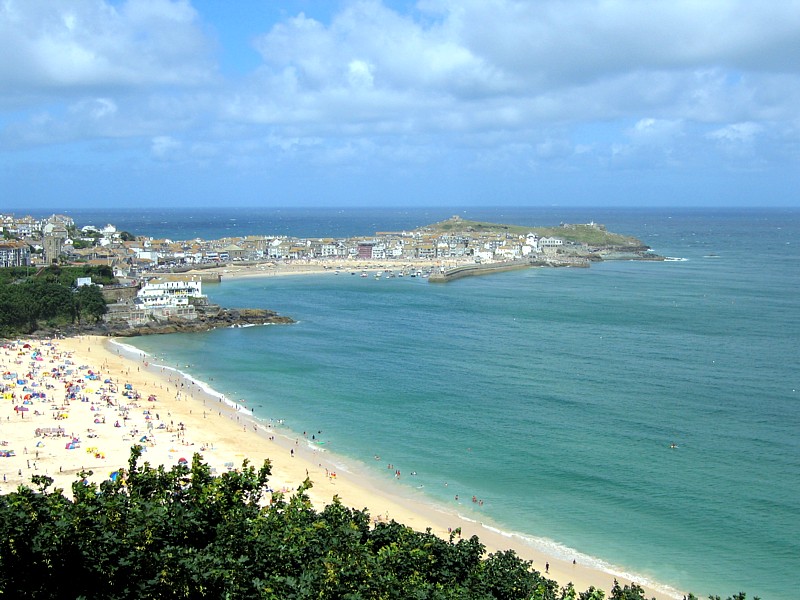
Narrow streets, whitewashed cottages, and a lively harbor define this creative seaside town on Cornwall’s north coast. Golden beaches curve around clear water, making the area popular for swimming, surfing, and paddleboarding during warmer months. Fishing boats still operate from the harbor, preserving a working-coast atmosphere alongside galleries and cafés. The town has a long artistic heritage, supported by the Tate St Ives and numerous independent studios showcasing local talent. Coastal paths link nearby beaches such as Porthmeor and Porthminster, offering scenic walks with constant sea views. Train access along the estuary route adds to its appeal, delivering one of the most scenic rail journeys in England. Seasonal festivals, food markets, and open-air events keep the atmosphere lively year-round. Despite its popularity, early mornings and quieter seasons reveal a calmer side. The blend of culture, beaches, and coastal scenery makes this destination especially versatile for short breaks or longer stays.
Port Isaac

Steep lanes drop sharply toward a small harbor framed by slate-roofed cottages and rugged cliffs. This historic fishing village retains a strong sense of character, shaped by generations of maritime life. Boats still launch from the tidal harbor, maintaining traditional practices despite modern tourism. The surrounding coastline offers dramatic walking routes, with cliff paths leading toward Tintagel and other north-coast landmarks. Television exposure has increased interest, yet the village remains compact and atmospheric. Local pubs and tearooms serve regional produce, adding to its welcoming appeal. Parking sits above the village, encouraging exploration on foot and preserving the narrow streets below. Changing tides dramatically alter the harbor’s appearance, providing varied views throughout the day. Early evenings often bring quiet moments once day visitors depart. This balance of authenticity, scenery, and coastal heritage makes the village especially memorable.
Tintagel Castle

Legends of King Arthur surround this clifftop fortress site, set dramatically above crashing Atlantic waves. Ruins spread across both mainland and island sections, now linked by a striking modern footbridge. Steep paths and stone steps lead visitors through the remains, revealing panoramic views across the north Cornwall coast. Archaeological evidence confirms early medieval settlement, adding historical depth beyond mythology. Information panels explain the site’s strategic importance and long occupation. Below the cliffs, Merlin’s Cave becomes accessible at low tide, drawing curious explorers and photographers. Weather conditions can change rapidly, enhancing the site’s dramatic atmosphere. Nearby Tintagel village offers cafés, shops, and access to coastal walks. This location combines history, legend, and landscape in a way few places in Britain can match, making it a cornerstone of any Cornwall itinerary.
Mousehole

Stone cottages clustered around a tiny harbor give this village a timeless feel. Sheltered waters create calm reflections, particularly during early mornings and high tide. Fishing traditions remain visible, with small boats and lobster pots lining the quay. Narrow lanes encourage slow exploration, revealing galleries, craft shops, and local eateries. The village is closely linked to the tale of Dolly Pentreath, often cited as one of the last native Cornish speakers. During winter, festive harbor lights transform the setting into a seasonal highlight. Coastal paths connect nearby villages and viewpoints, offering gentle walks with constant sea air. Parking limitations help preserve the peaceful atmosphere. Even during busy periods, the scale of the harbor keeps the experience intimate. This village suits visitors seeking quiet charm rather than expansive beaches or nightlife.
Minack Theatre

Carved directly into granite cliffs above the Atlantic, this open-air theatre stands as one of Cornwall’s most remarkable achievements. Terraced seating faces the ocean, where waves and changing light form a dramatic natural backdrop. Performances range from classic plays to concerts, often scheduled around daylight and weather conditions. Outside show times, visitors can explore the site, gardens, and exhibition spaces. Views extend toward Porthcurno and the open sea, making photography a major draw. The theatre’s construction story highlights dedication and craftsmanship, adding cultural significance. Safety rails and clear pathways allow comfortable exploration despite the steep setting. Weather plays a crucial role, with calm evenings offering unforgettable experiences. This venue blends art, landscape, and engineering into a truly distinctive coastal attraction.
Porthcurno

Fine white sand and clear turquoise water define this sheltered beach beneath tall granite cliffs. Conditions often feel surprisingly calm compared to nearby stretches of coast, making it popular for swimming and family visits. The beach sits close to historic cable station buildings, now home to a museum detailing global communications history. Coastal paths provide elevated viewpoints ideal for photography and short walks. The surrounding cliffs offer shelter from prevailing winds, enhancing comfort during summer. Lifeguard services operate seasonally, adding reassurance for swimmers. Rock pools appear at low tide, attracting children and nature enthusiasts. Access involves a short walk down a well-maintained path. This combination of beach quality, history, and scenery makes the area especially appealing.
Boscastle

A narrow valley funnels into a small harbor where river and sea meet. Steep hillsides surround the village, creating a dramatic setting that changes with light and weather. Independent shops, museums, and cafés line the main street, many focused on local history and folklore. Coastal walks from the harbor lead to high cliffs and sweeping ocean views. The village is also known for its resilience following historic flooding, with improved infrastructure now visible. Wildlife spotting remains popular, particularly seabirds and coastal plants. Tidal changes significantly alter the harbor scene, offering variety throughout the day. This location appeals to visitors interested in nature, history, and scenic walking routes.
Padstow

A busy harbor town on the Camel Estuary blends maritime heritage with a strong food culture. Fishing boats, pleasure craft, and estuary ferries create constant activity along the waterfront. Cycle trails extend inland along former railway lines, attracting families and casual riders. Seafood plays a central role in local dining, supported by surrounding waters and farms. Beaches nearby offer calmer conditions than the open Atlantic coast. The town’s layout encourages strolling between harbor, shops, and viewpoints. Seasonal events and markets add vibrancy. Despite popularity, quieter moments appear during early mornings and off-peak months. This destination suits travelers seeking coastal scenery paired with dining and outdoor activities.
St. Michael’s Mount

Rising from Mount’s Bay, this tidal island supports a medieval church and castle above a small harbor village. A causeway appears at low tide, allowing pedestrian access from the mainland. Boat transfers operate when the tide returns, adding to the experience. Historic interiors, gardens, and terraces provide insight into centuries of occupation. Views across the bay remain expansive and ever-changing. The island’s compact size encourages thorough exploration without feeling rushed. Tidal planning is essential to avoid access issues. This landmark combines history, landscape, and a sense of arrival that feels distinctly special.
Land’s End

Sheer cliffs mark mainland Britain’s westernmost point, where Atlantic swells collide with rugged rock formations. Walking routes reveal expansive sea views and distant headlands. Wildlife sightings may include seals and seabirds riding strong air currents. Visitor facilities provide context and amenities without detracting from the landscape. Weather conditions dramatically shape the experience, from calm clarity to stormy spectacle. Sunset hours draw visitors seeking memorable coastal views. Despite its fame, quieter stretches exist along nearby paths. This location symbolizes Cornwall’s wild edge and enduring coastal identity.
Poldhu Cove
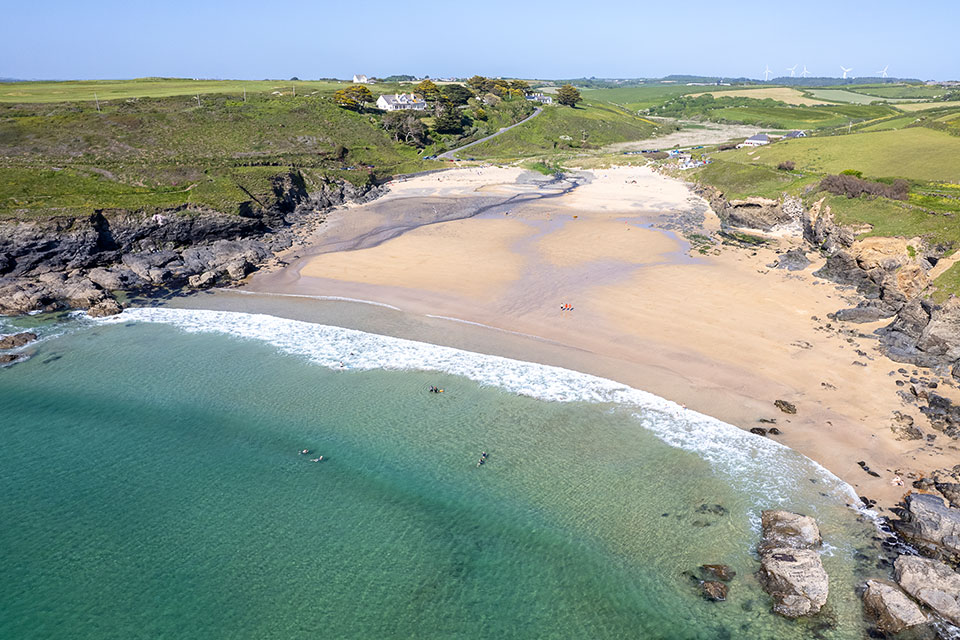
A wide sandy beach backed by grassy slopes offers a relaxed alternative to busier destinations. Consistent surf conditions attract beginners and experienced surfers alike. Rock outcrops at either end create sheltered spots for exploration during low tide. Lifeguard coverage during peak seasons supports safe swimming. Nearby cliffs provide walking routes with elevated coastal perspectives. The beach remains less commercialized, preserving a laid-back atmosphere. Parking sits close to the shore, improving accessibility. Sunsets often bring warm light across the bay. This cove suits visitors seeking space, scenery, and a quieter coastal experience.