
England’s northernmost county rewards travelers with dramatic coastlines, dark-sky landscapes, and centuries of layered history. This guide highlights standout locations across Northumberland, blending iconic landmarks with quieter spots that deliver space, scenery, and authenticity. Readers gain clarity on where to go, when to visit, and how to link places efficiently, whether planning a short break or a longer road trip. Practical context covers walking routes, coastal villages, castles, and national park viewpoints. Designed for photographers, history lovers, and nature seekers alike, the information helps prioritize meaningful stops, avoid peak congestion, and experience the county’s character at a relaxed, rewarding pace.
Bamburgh Beach & Castle Silhouette Walk
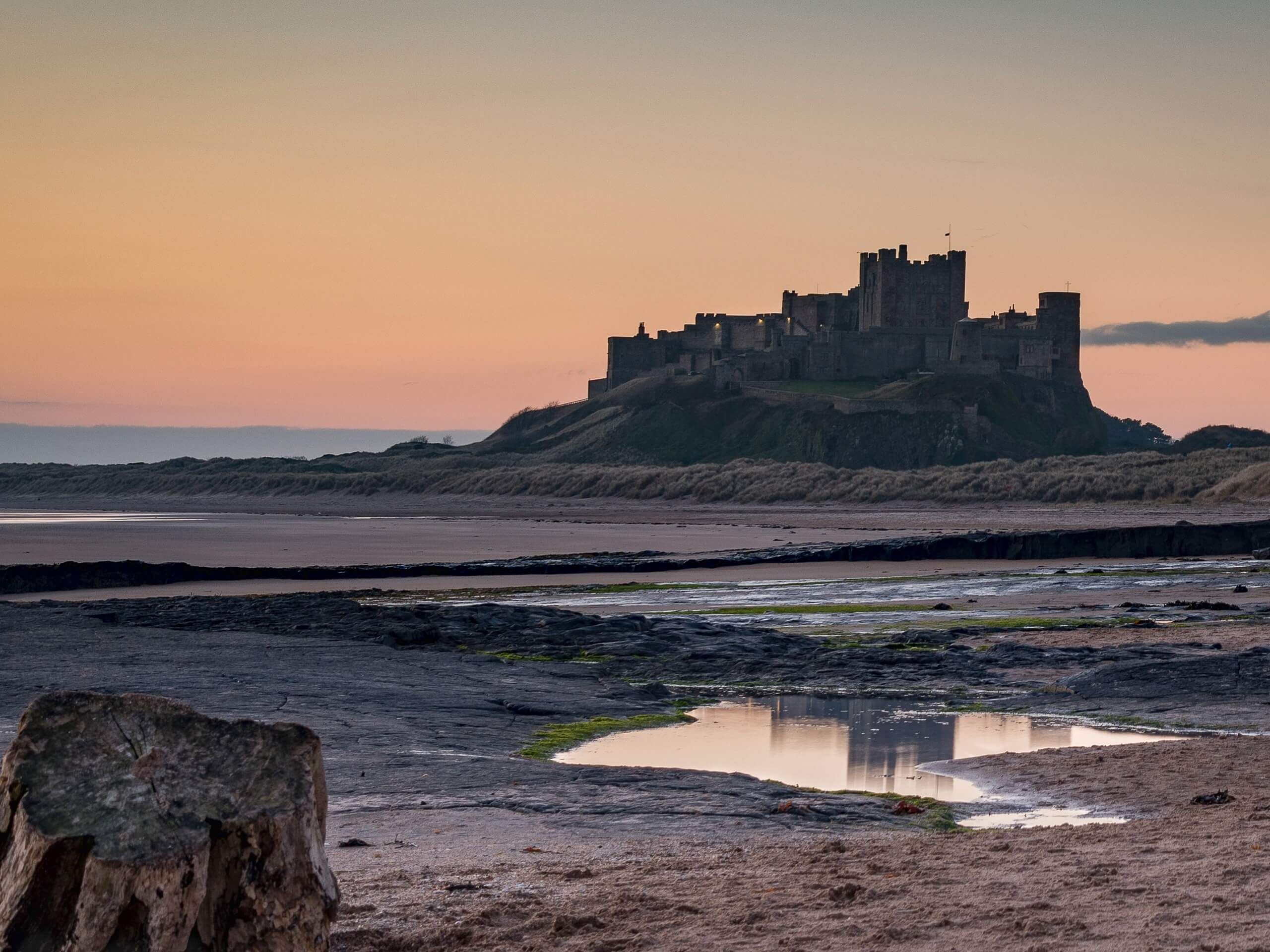
Towering dunes and sweeping sands define this dramatic stretch of Northumberland’s coastline, where history and raw scenery merge effortlessly. Bamburgh Beach unfurls beneath one of England’s most iconic fortresses, offering uninterrupted views of Bamburgh Castle rising starkly against shifting skies. Walking along the shoreline reveals wide tidal flats, pale sand, and windswept grasses that create a sense of scale rarely found elsewhere in the region. The route feels expansive and quiet, particularly outside peak summer months, making it ideal for reflective coastal walks and photography. Seabirds skim low over the surf, while the castle’s rugged stone profile shifts in tone as light changes throughout the day. Low tide exposes firm sands suitable for long walks, while higher tides bring crashing waves that heighten the atmosphere. This area is deeply tied to Northumberland’s early history, once a royal stronghold of Anglo-Saxon kings. Despite its grandeur, the walk remains accessible, with gentle gradients and clear access points from the village. Few places combine medieval architecture, open coastline, and unspoiled beauty with such striking balance.
Dunstanburgh Castle Coastal Cliff Path
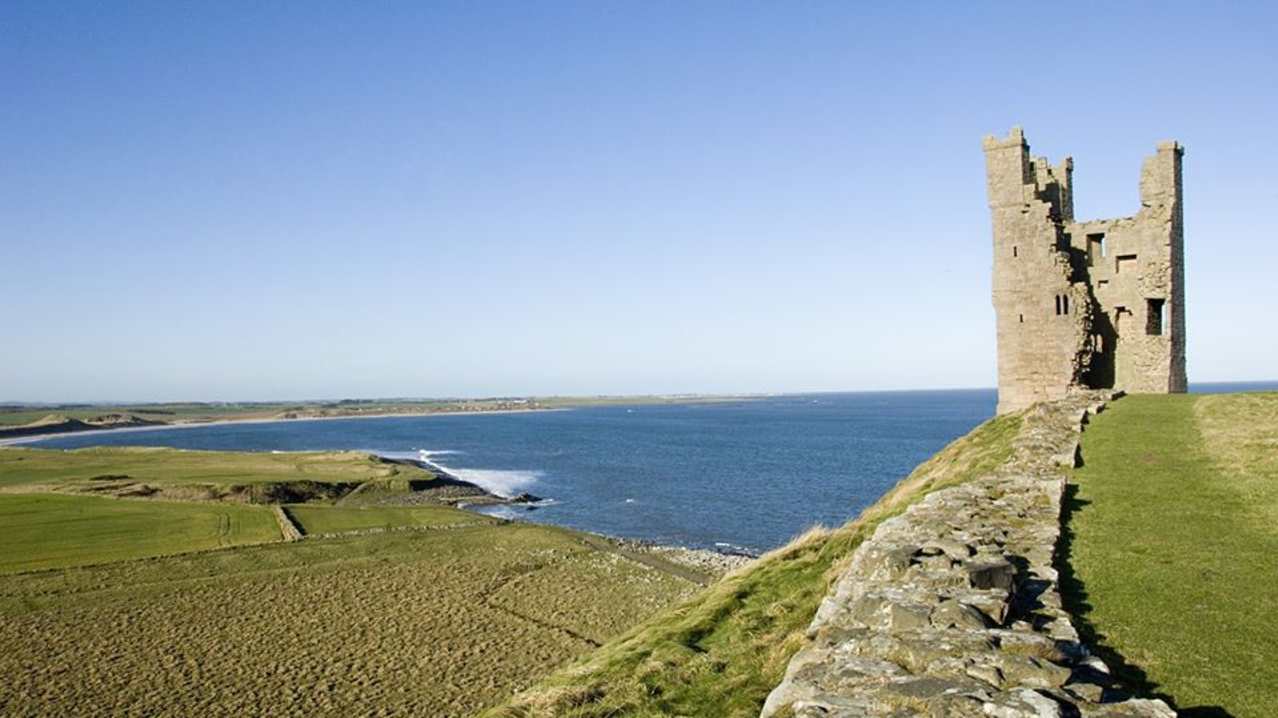
Weather-beaten ruins and rugged headlands shape one of Northumberland’s most atmospheric coastal paths. The walk toward Dunstanburgh Castle follows grassy clifftops above the North Sea, where waves strike dark volcanic rock and seabirds circle overhead. The castle emerges gradually, its broken towers appearing isolated and powerful against the horizon. This stretch feels remote, even though the path is well-trodden, giving walkers a sense of stepping into a wilder landscape. Salt-laden air, expansive sea views, and shifting light make every section visually engaging. Wildflowers line the path in warmer months, while winter brings dramatic skies and crashing surf. The ruins themselves tell stories of medieval ambition and decline, standing exposed to centuries of coastal weather. Unlike manicured heritage sites, Dunstanburgh retains a raw, untamed character that enhances its appeal. The route from nearby villages offers steady footing and rewarding viewpoints without technical difficulty. This walk suits those drawn to coastal solitude, historic landmarks, and expansive seascapes that feel unchanged by time.
Alnmouth’s Colorful Seaside Village Curve

Gentle curves of sand and pastel cottages create one of Northumberland’s most charming coastal scenes. Alnmouth sits at the mouth of the River Aln, where tidal waters meet the North Sea in a broad, open estuary. The village’s distinctive layout follows the natural bend of the shoreline, offering elevated viewpoints and easy access to the beach below. Strolling through Alnmouth reveals traditional stone houses, painted facades, and narrow lanes that reflect its maritime past. The beach itself feels calm and spacious, ideal for relaxed walks, birdwatching, and quiet moments by the water. Riverbanks attract waders and seabirds, while distant dunes frame the horizon. The atmosphere remains unhurried, even during busier seasons, making it popular with those seeking a peaceful seaside base. Historic churches and local cafés add depth without overwhelming the village’s understated character. Alnmouth’s appeal lies in its balance of natural beauty, architectural charm, and gentle coastal rhythms that invite lingering rather than rushing.
Lindisfarne Island at Low-Tide Crossing
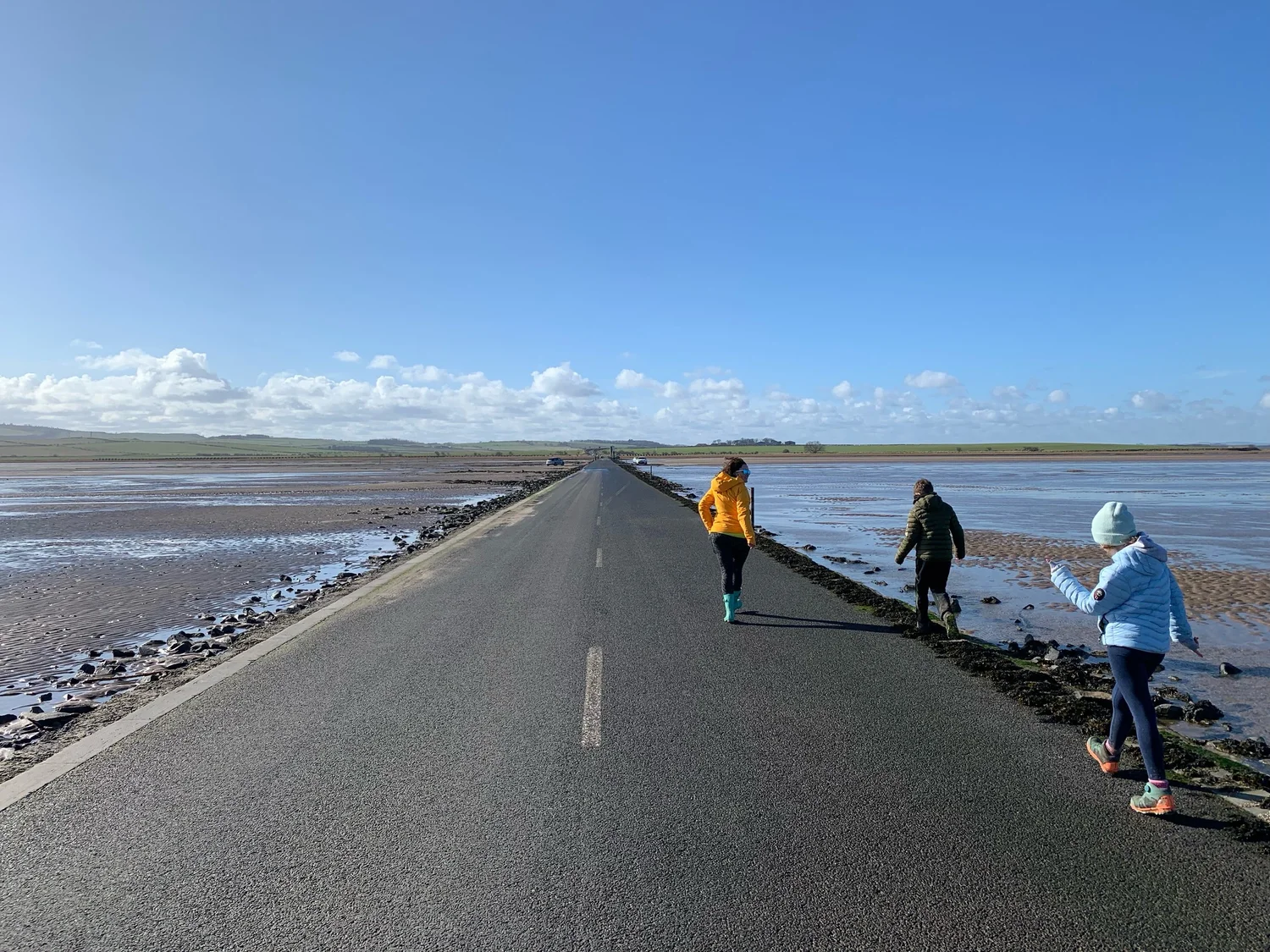
Few journeys in England feel as distinctive as the tidal crossing to Holy Island. Connected to the mainland only at low tide, Lindisfarne offers an experience shaped by time, weather, and tradition. Following the causeway across shimmering sands creates a strong sense of anticipation, heightened by expansive skies and distant silhouettes of the priory and castle. Once on the island, quiet lanes lead through salt marshes, dunes, and historic ruins central to early Christian heritage. The landscape feels open and elemental, with wide horizons and constant birdsong from migrating species that gather along the coast. Lindisfarne Priory provides insight into the island’s spiritual legacy, while Lindisfarne Castle rises dramatically above rocky outcrops. Careful tide planning is essential, reinforcing the island’s separation and unique rhythm. This natural restriction preserves a peaceful atmosphere rarely found at coastal destinations. Visiting during calm conditions allows for reflective walks and uninterrupted views, making the island both visually striking and deeply memorable.
Sycamore Gap & Hadrian’s Wall Ridge Views
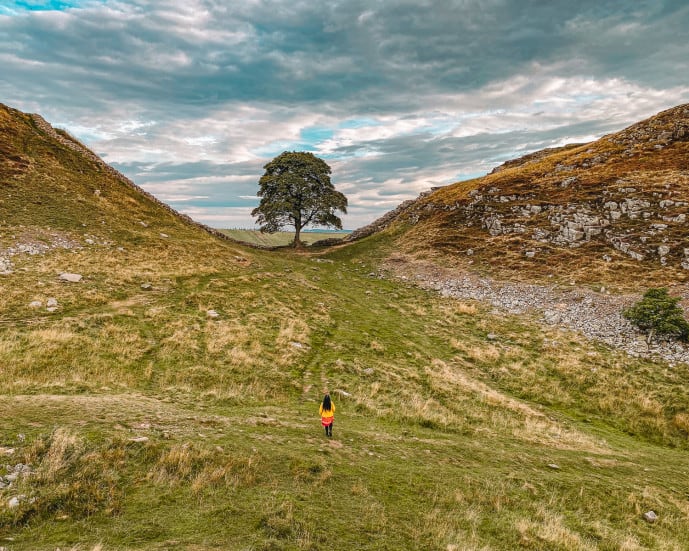
Rolling hills and ancient stonework combine to create one of Northumberland’s most recognizable inland landscapes. Sycamore Gap sits along Hadrian’s Wall, framed by a natural dip in the ridge that draws the eye across sweeping countryside. The walk follows undulating terrain, revealing far-reaching views shaped by glaciers and centuries of human history. The lone sycamore, once a quiet landmark, remains symbolic of the area’s enduring character. Stone walls, sheep-grazed slopes, and exposed ridgelines contribute to a sense of openness and scale. This section of the wall feels particularly dramatic, with steep drops on either side emphasizing Roman engineering skill. Paths are well-marked yet feel immersive, especially in early morning or late afternoon light. Changing weather enhances the experience, from mist-softened valleys to crisp, clear horizons. This landscape rewards steady walking with panoramic viewpoints that connect history, geology, and rural life into one compelling setting.
Craster to Howick Secret Cove Trail

Rocky shoreline and secluded inlets define this lesser-known coastal route between Craster and Howick. The path hugs the edge of the land, weaving past low cliffs, tidal pools, and hidden coves shaped by centuries of erosion. Sea views remain constant, while the sound of waves accompanies each step. This section feels quieter than nearby coastal paths, appealing to walkers seeking privacy and a slower pace. Dark rock formations contrast with pale sea foam, creating striking visual textures. Occasional sandy pockets appear at low tide, revealing sheltered spots ideal for short rests. The trail passes close to historic lime kilns and fishing heritage sites, grounding the walk in local history. Wildlife sightings are common, particularly seabirds nesting along the cliffs. The route remains manageable for most walkers, with natural surfaces that enhance the sense of exploration. This stretch captures Northumberland’s wilder coastal personality without demanding extreme effort.
Warkworth Castle Riverside Loop

River bends and medieval stonework define this picturesque walking circuit near the village of Warkworth. The River Coquet curves gently through open fields, reflecting skies and surrounding greenery as it loops beneath Warkworth Castle’s commanding mound. The castle’s elevated position offers strong visual contrast against the calm river below. Following riverside paths reveals peaceful meadows, grazing livestock, and quiet viewpoints where the castle dominates the scene from multiple angles. The village itself adds charm, with historic buildings and narrow streets that feel well-preserved rather than curated. Seasonal changes transform the route, from lush summer greens to autumnal tones along the riverbanks. Wildlife sightings, including swans and herons, enhance the walk’s tranquil atmosphere. This loop suits relaxed exploration, combining history and nature without steep climbs or difficult terrain. Few places offer such a balanced blend of architectural presence and gentle countryside within a compact, rewarding route.
Embleton Bay’s Hidden White-Sand Stretch

Wide sands and rolling dunes create one of Northumberland’s most visually striking beaches. Embleton Bay feels expansive and open, with pale sand stretching beneath distant views of Dunstanburgh Castle. The beach remains refreshingly undeveloped, allowing natural features to dominate the landscape. Marram grass stabilizes the dunes, while the shoreline provides ample space for long, uninterrupted walks. Tidal changes reshape the beach throughout the day, revealing firm sand and reflective pools. The setting feels airy and calm, even during warmer months. Offshore reefs attract seabirds, adding movement to the otherwise serene scene. Walking here offers a sense of scale that highlights the county’s unspoiled coastline. Nearby footpaths connect the beach to inland trails, allowing flexible exploration. Embleton Bay appeals to those drawn to minimalist coastal scenery, where light, space, and natural textures take precedence over crowds or facilities.
The Alnwick Garden’s Treehouse & Poison Garden
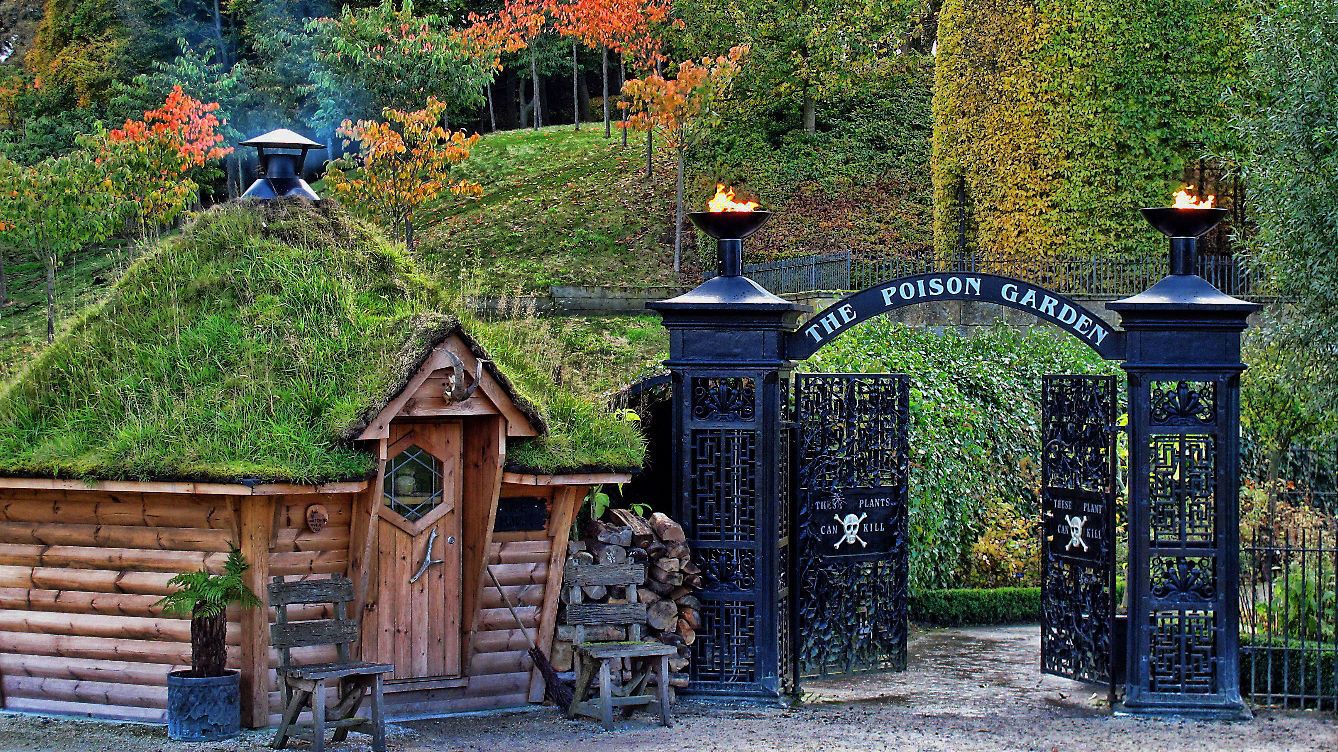
Creative design and horticultural storytelling define this standout attraction in Northumberland. The Alnwick Garden blends formal planting with imaginative features that appeal to all ages. Elevated walkways lead to the Treehouse, a striking wooden structure nestled among mature trees, offering elevated views and a sense of immersion within the canopy. Nearby, the Poison Garden introduces a more unusual experience, showcasing toxic plants within a controlled, educational setting. Clear signage and guided elements explain historical and medicinal uses, making the space both intriguing and informative. Seasonal displays ensure variety throughout the year, from spring blooms to autumn foliage. Water features and sculpted pathways encourage slow exploration, while seating areas provide quiet rest points. The garden complements nearby Alnwick Castle, adding a contemporary contrast to the town’s historic core. This destination suits visitors seeking structured beauty, learning opportunities, and thoughtful landscape design in one cohesive setting.
Seahouses to Farne Islands Wildlife Cruise

Boat journeys from Seahouses offer close encounters with one of England’s most important wildlife habitats. The Farne Islands lie just offshore, forming a protected archipelago known for seabird colonies and grey seal populations. Cruises navigate between rocky outcrops, allowing passengers to observe puffins, guillemots, and terns during breeding season. Knowledgeable guides provide context without overwhelming the experience. The boats approach carefully, respecting conservation guidelines while offering excellent viewing opportunities. Seals often rest on exposed rocks or swim alongside vessels, adding a sense of spontaneity. Sea conditions influence each trip, making every outing slightly different. Clear days reveal expansive coastal views back toward the mainland. This excursion balances accessibility with genuine wildlife immersion, appealing to families, photographers, and nature enthusiasts alike. The experience highlights Northumberland’s ecological significance beyond its landscapes.
Rothbury & Simonside Hills Scenic Pull-Offs
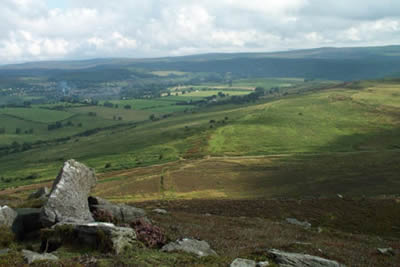
Open moorland and rolling hills surround Rothbury, creating a landscape well-suited to leisurely exploration by road and foot. Scenic pull-offs near the Simonside Hills offer elevated views across the Coquet Valley, with layered ridgelines stretching into the distance. These vantage points provide immediate access to Northumberland’s upland scenery without lengthy hikes. Heather-covered slopes shift color seasonally, while exposed rock formations add visual interest. The nearby town of Rothbury offers a welcoming base, with stone buildings and riverside paths enhancing the experience. Short walks from pull-off points lead to panoramic viewpoints ideal for photography and quiet observation. Changing light dramatically alters the mood, from bright midday clarity to soft evening shadows. This area appeals to those seeking flexible exploration, combining accessible viewpoints with the option for deeper hill walking.
Kirknewton & College Valley Secret Road

Tucked near the Scottish border, this secluded valley feels removed from modern pressures. The narrow road through College Valley winds past open pasture, forested slopes, and distant hills, creating a slow-paced journey through protected countryside. Access is carefully managed, preserving the area’s tranquility and natural character. Views unfold gradually, rewarding patience with sweeping panoramas and quiet beauty. Red deer and birds of prey are commonly spotted, reinforcing the sense of remoteness. Walking routes branch from the valley floor, offering gentle riverside paths and more demanding hill climbs. The absence of commercial development allows the landscape to remain the focal point. Seasonal changes bring subtle variation, from spring greenery to autumnal tones. This area suits travelers seeking solitude, authentic rural scenery, and a deeper connection to Northumberland’s lesser-known landscapes.