
Renowned for mirror-like lakes, rugged fells, and storybook villages, the Lake District offers scenery that rewards thoughtful planning. This guide highlights standout locations across the national park, balancing iconic viewpoints with quieter corners that deliver space and atmosphere. Readers gain clarity on where to go for lakeside walks, mountain panoramas, historic towns, and seasonal color, alongside practical advice on access, parking, and timing. Clear context supports efficient routing for short breaks or longer stays. Designed for walkers, photographers, and slow-travel enthusiasts, the recommendations help prioritize meaningful stops, manage crowds, and experience landscapes that define England’s most celebrated outdoor destination.
Buttermere’s Mirror-Glass Lakeside Loop

Early morning light often turns this quiet valley lake into a flawless reflection chamber, with surrounding fells appearing doubled across the water’s surface. The circular walk around Buttermere remains one of the most accessible scenic routes in the Lake District, offering flat paths, stone bridges, and uninterrupted shoreline views. Sheep-dotted slopes and woodland fringes frame the route, while occasional pebble beaches invite peaceful pauses. Seasonal color shifts enhance the experience, from spring wildflowers to autumn bracken tones mirrored perfectly on still days. Photographers value the eastern shore for its alignment with Fleetwith Pike, especially during calm weather. Local farms and tea rooms near the village add gentle charm without overwhelming the setting. Despite its beauty, the loop maintains a sense of calm compared to busier lakes nearby. Clear signage and well-maintained paths suit casual walkers and families alike. Weather changes dramatically here, lending shifting moods across the landscape within hours. Reflections soften during light rain, creating painterly textures across the water. Each bend reveals a subtly different angle, rewarding slow exploration rather than hurried progress. This balance of ease, atmosphere, and visual drama explains why Buttermere consistently ranks among the region’s most admired natural scenes.
Tarn Hows’ Pastel-Perfect Scenic Circuit

Soft gradients of water, meadow, and woodland give this elevated tarn an almost dreamlike quality throughout the year. The circular trail around Tarn Hows follows a carefully designed landscape originally shaped in the Victorian era, resulting in harmonious sightlines and gentle curves. Smooth gravel paths make the walk widely accessible, including for wheelchairs and pushchairs. Subtle color variations define the scene, from pale green grasses to silvery reflections beneath passing clouds. Mountain silhouettes rise quietly in the distance without dominating the foreground. Spring brings daffodils and lamb-filled fields, while autumn introduces copper-toned foliage reflected across the tarn. Calm conditions enhance mirror-like water effects, particularly during early hours. The surrounding woodland adds texture and shelter, keeping the route comfortable even on breezy days. Informational plaques discreetly explain the area’s heritage without distracting from the view. Artists and photographers appreciate the balanced composition found at nearly every angle. Despite popularity, the spacious loop disperses visitors naturally. Benches positioned at scenic points allow lingering appreciation. Tarn Hows succeeds through restraint rather than scale, offering a gentle, visually soothing experience that contrasts beautifully with the Lake District’s more rugged landscapes.
Grasmere’s Gingerbread Village & Lakeside Views

Literary history and natural beauty intertwine seamlessly within this compact yet deeply atmospheric setting. The village of Grasmere sits beside a calm lake encircled by low fells, creating a sheltered and intimate landscape. Stone cottages, historic churches, and small bridges add character without overshadowing the surrounding scenery. The lakeside footpath provides peaceful walking with constant water views framed by rolling hills. Reflections shift subtly throughout the day as light filters through passing clouds. Local bakeries and cafés contribute to the village’s enduring appeal, grounding the experience in tradition. Seasonal changes shape the atmosphere dramatically, from misty winter mornings to golden summer evenings. Wildlife frequently appears near the shore, adding quiet movement to the stillness. Well-marked trails extend from the village into nearby woodland and hillside routes. Despite its popularity, quieter corners remain easy to find along the lake’s edge. The balance between cultural heritage and natural calm distinguishes Grasmere from larger resort towns. Gentle terrain suits relaxed exploration rather than demanding hikes. This blend of accessible scenery, historical resonance, and village charm explains Grasmere’s lasting reputation as one of the Lake District’s most emotionally resonant locations.
Rydal Cave’s Hidden Slate Cathedral

High above the valley floor, a dramatic cavern carved by former quarrying operations opens unexpectedly from the hillside. Rydal Cave reveals towering slate walls and a still pool that reflects light filtering through its wide entrance. The short but moderately steep walk leading upward rewards effort with an atmosphere unlike any natural lake or fell. Echoes amplify footsteps, creating a cathedral-like sense of scale within the hollowed chamber. From the cave mouth, panoramic views extend across Rydal Water and surrounding peaks. The site blends industrial heritage with striking visual impact, offering insight into the area’s working past. Weather conditions shape the mood significantly, with mist adding mystery and sunlight casting sharp contrasts across stone surfaces. Sturdy footwear remains advisable due to uneven rock and damp ground. The cave interior stays cool even during warmer months. Adventurous walkers appreciate the blend of effort, reward, and uniqueness. Unlike many viewpoints, this location offers both enclosed drama and open vistas in one stop. The experience feels cinematic yet grounded in authentic history, making Rydal Cave one of the Lake District’s most memorable short excursions.
Keswick’s Derwentwater Island Hopping

Wide water expanses and gentle shoreline curves give this northern lake a more open, expansive feel than many others nearby. Derwentwater sits just beyond Keswick town, offering easy access combined with remarkable scenery. Small wooded islands punctuate the lake, creating layered visual depth from every angle. Lakeside paths provide flat walking with continuous views toward Catbells and Skiddaw. Boat launches and jetties allow relaxed exploration across the water, connecting different vantage points effortlessly. Changing light conditions bring constant variation, from bright midday clarity to soft evening tones. Wildlife sightings, including waterfowl and red squirrels along wooded edges, enrich the experience. The lake’s scale accommodates visitors without feeling crowded, even during peak seasons. Gentle ripples enhance reflections rather than obscuring them. Nearby parks and picnic areas support extended stays without disrupting the natural atmosphere. Seasonal rowing boats and cruises offer alternative perspectives from the water itself. This combination of accessibility, breadth, and compositional balance explains Derwentwater’s enduring popularity. The setting delivers classic Lake District views without demanding strenuous walking, making it particularly appealing for relaxed yet rewarding sightseeing.
Wastwater’s Brooding Valley Drama

Steep scree slopes descend abruptly into England’s deepest lake, producing one of the most imposing scenes in the national park. Wastwater’s raw scale and stark geometry create a mood unlike gentler southern lakes. The surrounding Wasdale valley feels isolated, heightening the sense of wilderness. Dark water tones reflect towering cliffs rather than soft pastures, lending a dramatic visual weight. Weather intensifies the experience, with cloud shadows racing across slopes and sudden shafts of sunlight transforming the scene. Minimal development preserves the lake’s untamed character. Walking routes remain simple, often following the shoreline for uninterrupted views. The area attracts photographers seeking bold contrast rather than delicate reflections. Wind conditions frequently add texture to the water’s surface, reinforcing its power. Silence dominates during quieter periods, broken only by distant bird calls. Even brief visits leave lasting impressions due to the sheer scale of the surroundings. Wastwater rewards contemplation rather than casual wandering. This powerful combination of geology, isolation, and atmosphere positions it among the Lake District’s most visually commanding locations.
Ambleside’s Waterfall Staircase at Stock Ghyll Force

Dense woodland frames a cascading series of falls hidden just minutes from Ambleside’s center. Stock Ghyll Force tumbles through narrow rock channels, forming a stepped descent that feels immersive and secluded. Elevated viewing platforms provide safe access while preserving the natural flow of water. Moss-covered stone walls and towering trees soften the scene, filtering light into shifting patterns. Seasonal rainfall dramatically influences the waterfall’s character, ranging from gentle trickles to thunderous torrents. The short woodland walk suits visitors seeking quick immersion in nature without lengthy hikes. Birdsong and rushing water dominate the soundscape, masking nearby town activity entirely. Well-maintained paths and railings balance accessibility with safety. The shaded environment remains cool even during summer. Autumn brings rich foliage colors that contrast beautifully with white water. This spot offers a strong sensory experience within a compact area. The combination of proximity, drama, and forest atmosphere explains its enduring popularity. Stock Ghyll Force demonstrates how small-scale features can deliver memorable impact when framed thoughtfully within the landscape.
Blea Tarn’s Cinematic Mountain Frame

Set between Langdale and Little Langdale, this high tarn presents a perfectly balanced mountain backdrop. Calm waters reflect surrounding peaks with remarkable clarity during still conditions. A simple shoreline path allows gentle exploration without visual interruption. The surrounding fells form a natural amphitheater, focusing attention inward toward the water. Light changes quickly due to elevation, producing shifting tones across grass, rock, and reflection. Early mornings often deliver the clearest mirror effects before breezes develop. Limited development preserves the tarn’s tranquil atmosphere. Photographers favor the southern shore for symmetrical compositions. Grazing sheep contribute subtle movement to an otherwise still scene. Access remains straightforward via nearby parking, yet the location retains a sense of remoteness. Seasonal snow dusting the peaks enhances the cinematic quality during colder months. Blea Tarn excels through proportion rather than scale, offering an easily appreciated yet visually rich experience. This harmonious framing makes it one of the Lake District’s most consistently photographed waters.
Ullswater’s Pooley Bridge & Lakeside Paths
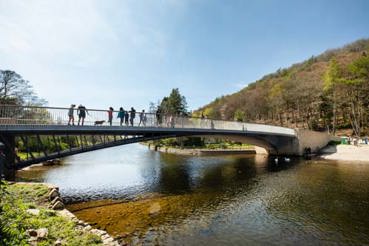
Long, ribbon-like waters stretch through a broad valley, creating extended sightlines across shifting terrain. Ullswater’s northern end near Pooley Bridge offers accessible lakeside paths with constant views. Rolling hills contrast gently with distant higher peaks, creating layered depth. The village itself provides a calm base with cafés and river crossings adding charm. Walking routes follow the shoreline closely, allowing frequent pauses beside the water. Wind conditions influence mood dramatically, from glassy calm to rhythmic waves. Seasonal steamers offer alternative perspectives along the lake’s length. Wildlife appears frequently along reed-lined sections. The scale supports longer, leisurely walks without visual fatigue. Early and late daylight hours soften the scene, enhancing color and reflection. Clear signage supports confident exploration. Ullswater’s blend of openness, gentle movement, and varied viewpoints explains its reputation as one of the district’s most elegant lakes.
Langdale Valley’s Peaceful Meadow Strolls
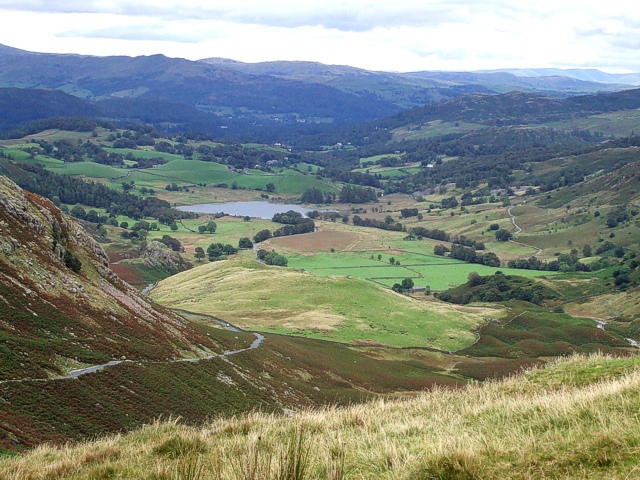
Wide grassy floors spread beneath rugged peaks, creating a striking contrast between softness and stone. The Langdale Valley encourages unhurried walking across open meadows bordered by dramatic rock formations. Footpaths weave gently through pastureland, often crossing clear streams via stone bridges. Sheep grazing adds a pastoral rhythm to the scene. Surrounding crags provide constant visual anchors without overwhelming the foreground. Seasonal wildflowers brighten the valley floor in warmer months. Weather shifts enhance atmosphere rather than detracting from visibility. Paths remain well-defined, supporting relaxed exploration. The sense of space encourages slow observation rather than destination-driven walking. This area feels expansive yet welcoming, offering classic Lake District character. Langdale’s balance of grandeur and approachability makes it ideal for visitors seeking scenery without technical hiking.
Hawkshead & Claife Viewing Station Glow

Historic village streets and elevated viewpoints combine cultural depth with panoramic beauty. Hawkshead’s cobbled lanes lead naturally toward quieter lakeside areas across Claife Heights. The viewing station overlooks Windermere from above, delivering sweeping water and woodland vistas. Reflections shift continuously with light and weather. Woodland paths surrounding the viewpoint provide peaceful access away from crowds. Interpretive panels explain landscape features without dominating the scene. Late afternoon light enhances contrast across hills and water. The village itself adds architectural interest through stone buildings and historic connections. This pairing of settlement and scenery offers layered engagement. Hawkshead’s setting encourages both exploration and stillness, appealing to visitors seeking depth beyond surface beauty.