
Rolling hills, historic charm, and welcoming communities make Tennessee’s small towns some of the most rewarding destinations to explore. Beyond the big cities, these hidden gems showcase a blend of Southern hospitality, cultural heritage, and scenic beauty that reflect the state’s rich character. From quaint main streets lined with local shops to breathtaking mountain backdrops, each town offers its own unique story and attractions. Travelers looking for authentic experiences will find that these destinations combine relaxation, history, and charm. This guide to beautiful small towns in Tennessee highlights must-visit spots that bring the Volunteer State’s true spirit to life.
Jonesborough
Credits: https://www.shutterstock.com/video/clip-3446072107-historic-small-town-jonesborough-tennessee-illuminated-main
Known as Tennessee’s oldest town, this historic gem offers a living timeline of early American life. The brick-lined streets and 18th-century architecture immediately transport visitors to a bygone era. Downtown storefronts house antique shops, family-run cafés, and galleries that celebrate Appalachian culture. The town is most famous for the International Storytelling Center, where traditions of oral history thrive year-round. Heritage is preserved through guided walking tours that highlight sites like the Chester Inn and old courthouse. Seasonal festivals add color, with autumn craft fairs and holiday parades drawing locals and travelers alike. Outdoor enthusiasts enjoy the town’s proximity to the Nolichucky River, offering rafting and kayaking opportunities. A strong sense of community blends seamlessly with its historical significance, making Jonesborough a destination where culture and recreation coexist. Whether you’re sampling southern dishes at a local diner or attending a performance on Courthouse Square, the atmosphere carries a warmth that feels authentically Tennessean. It is a place that rewards slow exploration and provides insight into the roots of the Volunteer State, making it one of the most meaningful small towns to visit when traveling through Tennessee.
Bell Buckle

This railroad town has become synonymous with small-town charm and vibrant creativity. Colorful storefronts line the streets, showcasing boutiques filled with antiques, handmade crafts, and quirky collectibles. Visitors quickly notice murals and art displays that reflect the town’s strong cultural spirit. Bell Buckle is nationally known for the annual RC Cola and MoonPie Festival, a celebration that mixes nostalgia with Tennessee hospitality. Food lovers flock to the Bell Buckle Café, where down-home cooking and famous desserts are served in generous portions. The historic downtown is on the National Register of Historic Places, with architecture that speaks to the town’s late 19th-century roots. Beyond shopping and dining, local music events and craft fairs fill the calendar, keeping the atmosphere lively throughout the year. Rolling countryside surrounds the community, offering a peaceful backdrop for scenic drives. Schoolhouse antiques and charming bed-and-breakfast inns welcome travelers seeking a slower pace. Its proximity to Nashville makes Bell Buckle an easy day trip, though many visitors choose to linger longer to enjoy its unique character. The combination of artistic energy and historic preservation creates a destination that feels timeless yet continually fresh, making Bell Buckle one of Tennessee’s most beloved small towns.
McMinnville
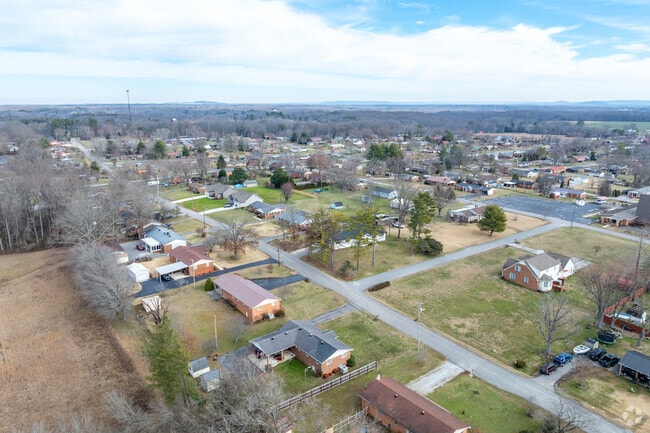
Nestled in the foothills of the Cumberland Plateau, McMinnville is often celebrated as the “Nursery Capital of the World.” The town’s horticultural heritage is evident in the sprawling greenhouses and nurseries that surround the community, producing plants shipped nationwide. Downtown McMinnville features restored architecture and a courthouse square that anchors local commerce. Cafés, art galleries, and specialty shops add to the appeal for those exploring on foot. Outdoor adventurers are drawn to Cumberland Caverns, one of the largest cave systems in the United States, offering guided tours and unique concerts in its underground Volcano Room. Scenic beauty abounds nearby with Rock Island State Park, where waterfalls and hiking trails provide year-round recreation. Festivals such as the Autumn Street Fair showcase music, crafts, and local foods, reinforcing McMinnville’s strong sense of community. History enthusiasts will find interest in the Falcon Rest Mansion, a Victorian landmark with guided tours and themed events. Known for blending natural beauty with small-town hospitality, McMinnville captures the essence of Tennessee living. Whether strolling the courthouse square or exploring caves deep beneath the earth, the town delivers memorable experiences that highlight both cultural heritage and outdoor adventure in equal measure.
Gatlinburg Arts & Crafts Community

Hidden within an eight-mile loop near the Smoky Mountains, this community is a showcase of Appalachian artistry and craftsmanship. Over 100 studios and shops line the route, where artisans practice time-honored skills such as woodworking, weaving, pottery, and painting. Unlike tourist-heavy downtown Gatlinburg, the loop offers a quieter, more authentic connection to local traditions. Visitors can watch craftspeople at work, ask questions, and purchase one-of-a-kind pieces directly from the makers. Seasonal festivals bring the community together, with demonstrations, workshops, and live music highlighting Appalachian heritage. Dining options include rustic cafés and family-owned restaurants where recipes have been handed down for generations. The loop is easily drivable, but many prefer to take their time, stopping at galleries, glass-blowing studios, and quilt shops. The surrounding mountain scenery enhances the experience, especially during autumn when the leaves turn vibrant shades. Established in the 1930s, the community continues to preserve and promote Tennessee’s cultural legacy. It remains the largest organization of independent artisans in the United States, offering visitors a rare opportunity to engage with living history. For travelers seeking something beyond mainstream attractions, this artistic enclave provides a rewarding and educational journey into Tennessee’s creative heart.
Beersheba Springs

Perched atop the Cumberland Plateau, Beersheba Springs blends history with tranquil scenery. The town began as a resort destination in the 19th century, attracting visitors for its mountain air and mineral springs. Historic structures, including the Beersheba Springs Hotel, still stand as reminders of its heyday. The community now serves as a quiet retreat, with hiking trails, scenic overlooks, and cool mountain breezes providing a restorative atmosphere. The nearby Savage Gulf State Natural Area offers dramatic sandstone cliffs, waterfalls, and wildflower meadows, making it a favorite spot for outdoor enthusiasts. Despite its small size, the town holds annual events such as the Beersheba Springs Arts and Crafts Fair, drawing vendors and visitors from across the region. Locals value the unhurried pace, where porches and front yards still serve as gathering places. Travelers often remark on the peaceful quality of the area, enhanced by the sounds of birds and flowing streams. Its location away from busy highways adds to the appeal for those seeking solitude. Beersheba Springs exemplifies the type of Tennessee town where heritage, community, and nature intersect, offering a slower rhythm that feels both restorative and deeply authentic.
Franklin
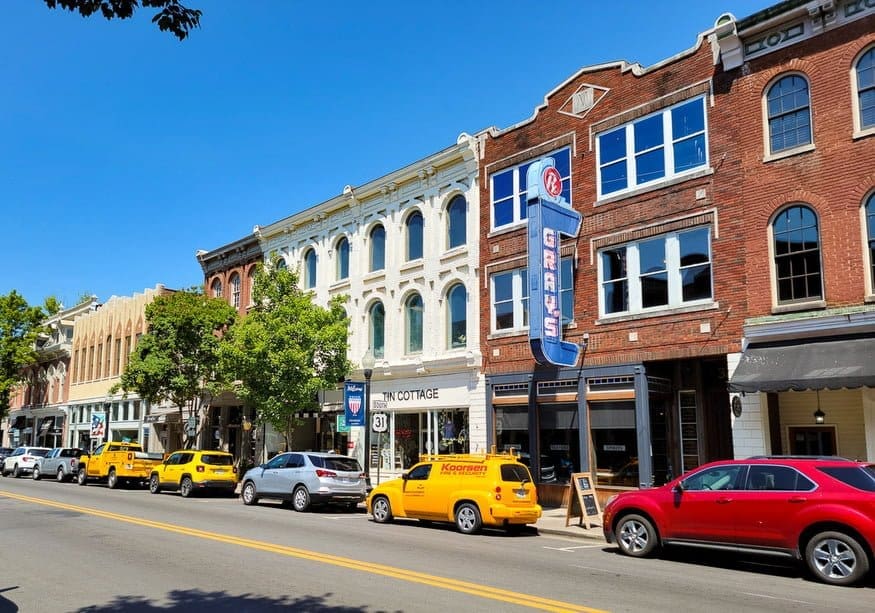
Southern sophistication blends seamlessly with historic preservation in Franklin, one of Middle Tennessee’s cultural centers. The downtown district brims with restored Victorian buildings housing boutiques, bookstores, and renowned restaurants. Franklin is deeply tied to Civil War history, with landmarks such as the Carter House, Lotz House, and Carnton Plantation offering guided tours that recount pivotal battles fought here. Music plays a central role in the community, reflecting its proximity to Nashville. The Franklin Theatre hosts live performances, while street festivals bring country, blues, and folk sounds to Main Street. Seasonal events like Pumpkinfest and Dickens of a Christmas draw thousands, transforming the town into a lively stage for tradition and celebration. Antique shops, art galleries, and wine bars create an atmosphere that balances modern style with Southern roots. Outdoor enthusiasts enjoy nearby parks and scenic byways, ideal for cycling and drives through Williamson County’s rolling hills. Recognized nationally as one of America’s best small towns, Franklin appeals to history buffs, food lovers, and cultural explorers alike. It’s a destination where past and present harmonize, delivering experiences that range from battlefield tours to evenings filled with live music and local cuisine.
Pigeon Forge Mountainshire-Style Villages
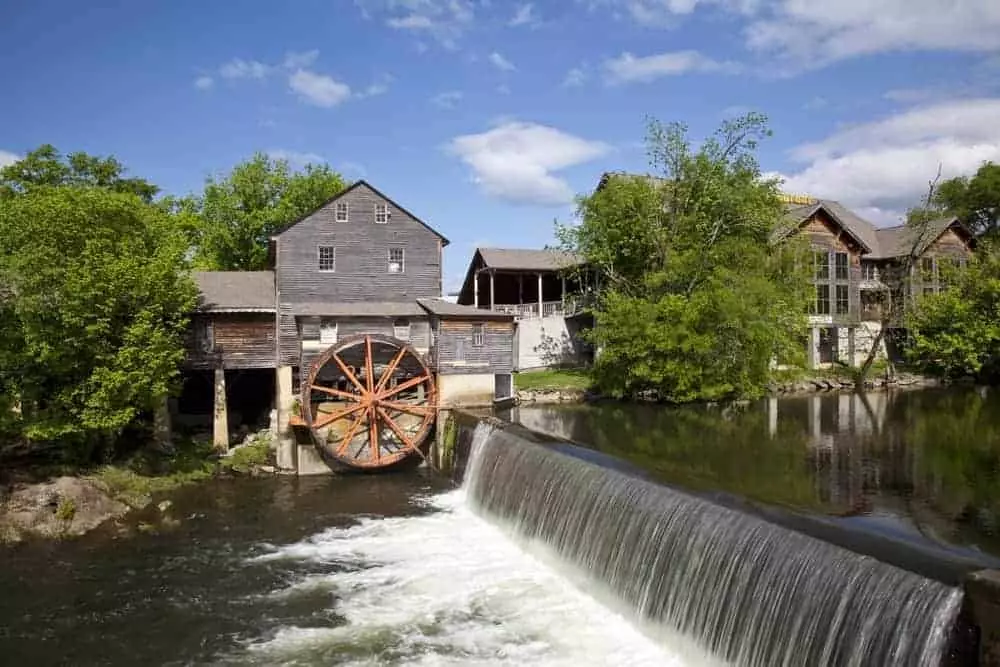
Visitors seeking a mountain retreat with family-friendly energy find it here. Pigeon Forge is known for its unique mix of entertainment and scenic beauty, with village-style developments that resemble alpine settings. These areas combine rustic architecture, cobblestone paths, and specialty shops that echo a European mountain town atmosphere. Beyond the villages, Pigeon Forge offers attractions such as Dollywood, dinner theaters, and seasonal light festivals that draw millions annually. Artisan shops sell handmade goods, from leatherwork to quilts, while restaurants feature Southern staples alongside international dishes. Music and performance venues highlight everything from bluegrass to gospel, keeping the cultural calendar lively. The Little Pigeon River runs through town, offering peaceful spots for walking or picnicking. Families appreciate the abundance of arcades, rides, and shows, while outdoor enthusiasts head toward the nearby Great Smoky Mountains National Park. Seasonal changes bring new experiences, from spring wildflowers to autumn foliage and winter holiday lights. Though modern tourism has shaped its growth, Pigeon Forge retains the warm hospitality of a mountain village. Its alpine-inspired districts provide a distinctive setting that blends small-town charm with entertainment, making it a must-visit stop on any Tennessee itinerary.
Nolensville

Situated just south of Nashville, Nolensville has evolved from a farming community into a thriving small town while retaining its historic roots. The downtown strip features preserved 19th-century buildings now repurposed as antique shops, boutiques, and eateries. Family-owned businesses dominate the area, giving visitors a sense of authenticity. Farmers’ markets and food trucks add a modern touch, showcasing local produce and artisanal goods. Nolensville is also known for its barbecue, drawing enthusiasts from across the region to sample pit-smoked specialties. Community events such as parades, craft fairs, and seasonal festivals bring residents together, fostering a warm, neighborly spirit. Parks and greenways provide recreational opportunities, including walking trails and sports fields for families. The town has become increasingly popular with newcomers drawn to its blend of small-town atmosphere and proximity to Nashville’s cultural offerings. Despite growth, Nolensville has preserved its quiet charm, where historic churches and landmarks stand alongside modern developments. Travelers often appreciate its laid-back pace compared to nearby urban centers. With heritage preserved and community life thriving, Nolensville serves as an inviting destination for those seeking both history and contemporary small-town living in Middle Tennessee.
Adamsville

Best known as the home of legendary sheriff Buford Pusser, Adamsville carries a strong sense of identity rooted in law enforcement history. The Buford Pusser Home and Museum attracts visitors eager to learn about the sheriff’s fight against crime, immortalized in the “Walking Tall” films. Beyond its famous resident, Adamsville thrives as a close-knit community with annual events like the Buford Pusser Festival and Adamsville Fall Festival. Downtown storefronts house small shops, family-run restaurants, and gathering spots that highlight Southern hospitality. Outdoor opportunities abound nearby with Pickwick Lake and Shiloh National Military Park, where fishing, boating, and historical exploration attract travelers. The town’s school sports culture also plays a central role in community pride, often bringing residents together on Friday nights. Adamsville’s atmosphere reflects both resilience and warmth, where history and present-day life intersect seamlessly. While modest in size, it offers visitors meaningful experiences that showcase regional heritage, outdoor recreation, and a welcoming spirit. For travelers exploring West Tennessee, Adamsville presents a destination rich with character, ensuring that its legacy extends well beyond the story of one famous lawman.
Cades Cove
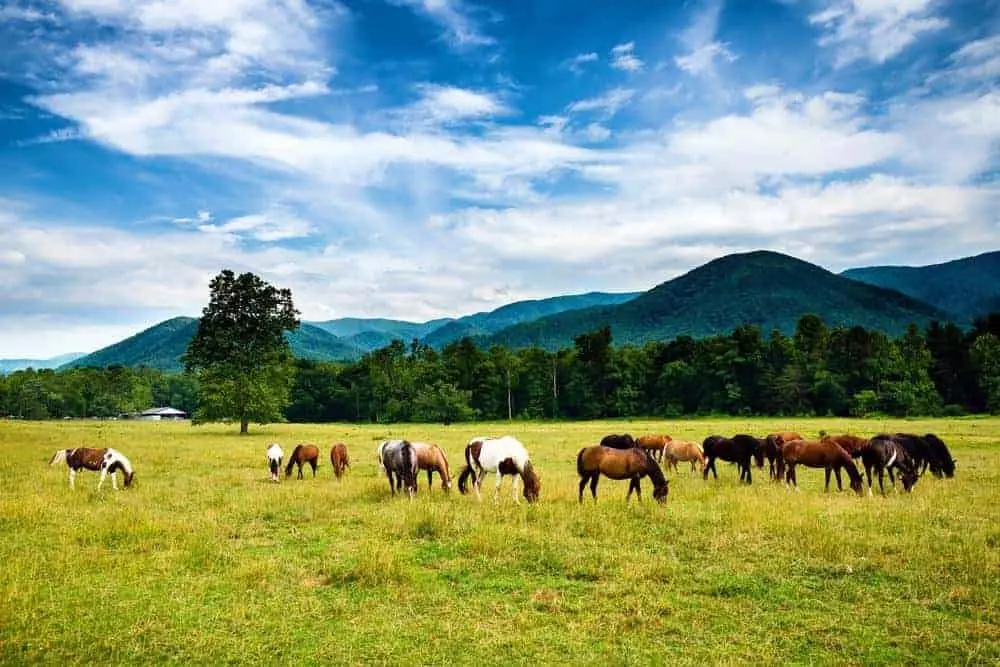
Tucked within the Great Smoky Mountains National Park, Cades Cove stands as one of Tennessee’s most scenic valleys. The area is celebrated for its preserved log cabins, churches, and barns that reflect 19th-century Appalachian settlement. Wildlife viewing is a highlight, with deer, black bears, and wild turkeys commonly spotted along the 11-mile loop road. Visitors can bike or drive the route, pausing at historical landmarks and scenic overlooks. Hiking trails branch from the cove, leading to waterfalls and ridgelines that provide sweeping mountain views. Photographers particularly favor the area at sunrise and sunset, when the valley glows with soft light. Seasonal changes add variety, from spring wildflowers to vivid autumn colors. Rangers and interpretive signs provide context, ensuring that visitors understand both the natural and cultural history of the region. Cades Cove remains one of the most visited areas of the park, yet it retains a sense of tranquility, especially during early morning hours. Its combination of history, scenery, and wildlife makes it a must-see for travelers exploring Tennessee’s natural treasures, offering a window into the lives of early settlers amid breathtaking mountain landscapes.
Tanasi / Chota Region

History and heritage converge in this area once home to important Cherokee towns. Tanasi, the namesake of Tennessee, and Chota, the capital of the Overhill Cherokee, were thriving communities before European settlement. Today, markers and interpretive exhibits near Tellico Lake honor the significance of these sites. Visitors can learn about Cherokee governance, culture, and daily life while reflecting on the lasting impact of displacement. Scenic trails and waterways nearby offer recreation, including boating, fishing, and birdwatching. The Sequoyah Birthplace Museum in Vonore provides deeper context, highlighting the life of the Cherokee scholar who created the written syllabary. This region also connects to the Cherokee Heritage Trails, making it an essential stop for those interested in Native American history. Beyond heritage, the natural surroundings offer stunning mountain views and peaceful lakeshores that invite exploration. Seasonal events often highlight Cherokee traditions, art, and storytelling, helping preserve the cultural legacy. The Tanasi and Chota region provides both education and reflection, blending history with scenic beauty. For travelers seeking more than sightseeing, it offers a powerful connection to Tennessee’s earliest roots, ensuring these stories remain remembered and respected.
Beersheba Springs Old Resort Retreats

Echoes of 19th-century leisure still resonate in the historic retreats of Beersheba Springs. Once a fashionable summer destination for wealthy Southerners, the town drew visitors with its cool plateau air and mineral springs. The Beersheba Springs Hotel, a striking structure dating back to the 1850s, remains the centerpiece, now hosting retreats and gatherings. Walking through its halls offers a sense of stepping back in time, where dances, social events, and long porch conversations once defined leisure. The surrounding landscape features rugged gorges, waterfalls, and wildflower-filled meadows, making it equally attractive for modern nature lovers. The town’s historic district includes preserved homes and churches, showcasing architectural styles of the era. Seasonal fairs and craft events breathe life into these spaces, inviting visitors to connect both with history and community. Many retreats now focus on wellness, creativity, or spirituality, continuing the tradition of restoration that began with mineral springs. While the grandeur of its resort era has faded, Beersheba Springs retains a timeless quality, offering visitors a peaceful environment steeped in heritage. It represents the enduring appeal of Tennessee’s mountain retreats, where history, community, and natural beauty converge.