
Cobblestones worn smooth by centuries, colorful townhouses, and winding medieval lanes reveal Britain’s character at street level. These streets matter because they reflect layers of history, local culture, architecture, and everyday life more vividly than landmarks alone. From Georgian crescents and waterfront promenades to hidden alleys bright with flowers and cafés, each route tells a visual story worth slowing down for. Travelers, photographers, and city walkers gain real value from knowing where to wander for atmosphere rather than crowds. This guide highlights beautiful streets across the UK you must see, offering location insights, timing tips, and what makes each stretch unforgettable for relaxed strolls and memorable photos.
Shambles, York
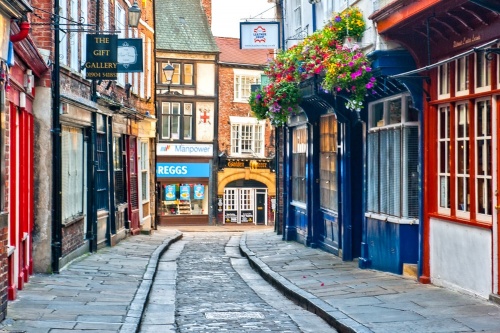
Narrow medieval lanes rarely feel as alive as this timber-framed stretch tucked inside York’s historic walls. Overhanging buildings lean so closely that upper floors seem to whisper across the cobbles, creating a storybook scene shaped by centuries of trade. Originally home to butchers, the street still retains visible meat hooks beneath shopfronts, quietly preserving its origins. Today, independent chocolate shops, artisan boutiques, and traditional sweet stores draw visitors at every hour. Morning brings shutter clicks and early walkers; afternoons carry a gentle hum of shoppers and guided history tours. Seasonal decorations transform the entire lane during Christmas markets, turning windows into glowing displays. Photographers favor soft early light when shadows slide across warped beams. Proximity to York Minster makes it effortless to pair architectural exploration with cathedral views. Street-level cafés serve hot drinks that suit the northern climate year-round. The uneven stone underfoot reflects medieval planning rather than modern symmetry, adding to the street’s authenticity. Despite its popularity, small side angles reveal quieter pockets where the past feels unfiltered. This balance between preserved heritage and lively present-day commerce makes the experience enduring rather than fleeting.
Cockburn Street, Edinburgh
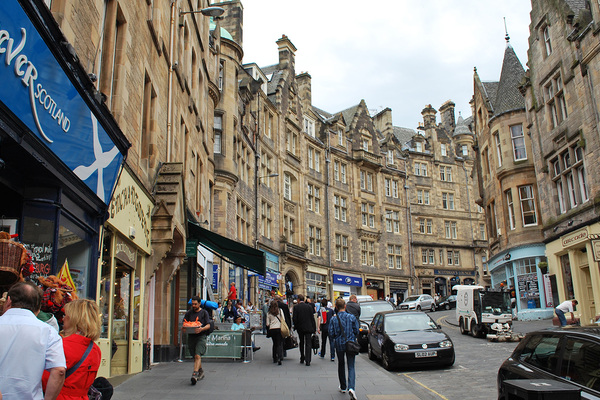
Curving steeply between the Royal Mile and Waverley Station, this theatrical ribbon of stone showcases Edinburgh’s layered personality in one continuous sweep. The view unfolds gradually as the bend reveals rooftops, chimneys, and sudden glimpses of distant spires. Built in the Victorian era to improve Old Town access, the street now houses record shops, vintage stores, cafés, and creative workspaces. Stone façades change character as daylight shifts, adding drama without needing ornament. Foot traffic flows steadily yet never feels overwhelming due to the street’s wide arc. Weathered steps and railings hint at decades of daily climbs by residents and commuters. Window displays rotate with local designers rather than global chains, giving the street a distinctly Scottish creative signature. Evening brings a cinematic glow as lamps reflect off damp stone after rainfall. Close links to Grassmarket, Princes Street, and historic closes allow seamless exploration on foot. The incline tests calves, but rewards walkers with layered perspectives at every pause. This balance between practical movement and visual theatre places the street among the capital’s most memorable urban corridors.
Gold Hill, Shaftesbury
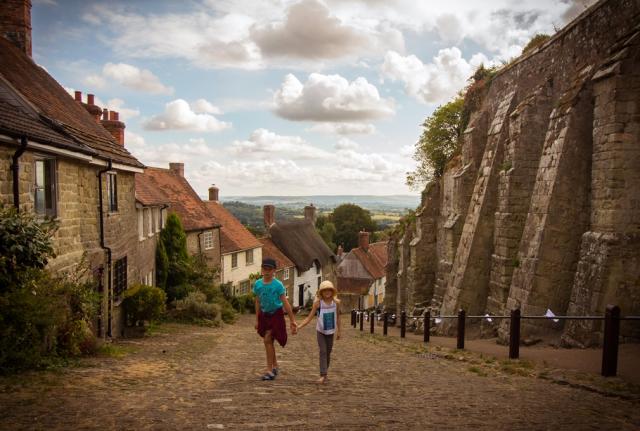
One glance downward reveals why this steep cobbled slope has become one of England’s most instantly recognisable scenes. Thatched roofs tumble along the hillside like stepped layers of living history, framed by rolling Dorset countryside in the distance. The incline itself is demanding, yet every pause feels worthwhile as each turn of the head reveals new alignments of stone, chimney stacks, and sky. Early light catches the rooftops with soft contrast, making dawn a favored moment for photographers. The street’s connection to Shaftesbury Abbey deepens its historical weight, tying domestic life to centuries of spiritual presence above. Period cottages retain uneven walls and low doorways that reflect pre-industrial craftsmanship. Rain glosses the cobbles into reflective ribbons, heightening atmosphere rather than diminishing it. Despite global recognition, village life continues with remarkable calm away from peak hours. Seasonal flowers soften the stone palette in warmer months, while winter brings crisp silhouettes against open farmland. Each visit feels different depending on weather and light, ensuring the climb remains rewarding regardless of season or pace.
Royal Crescent Lane, Bath
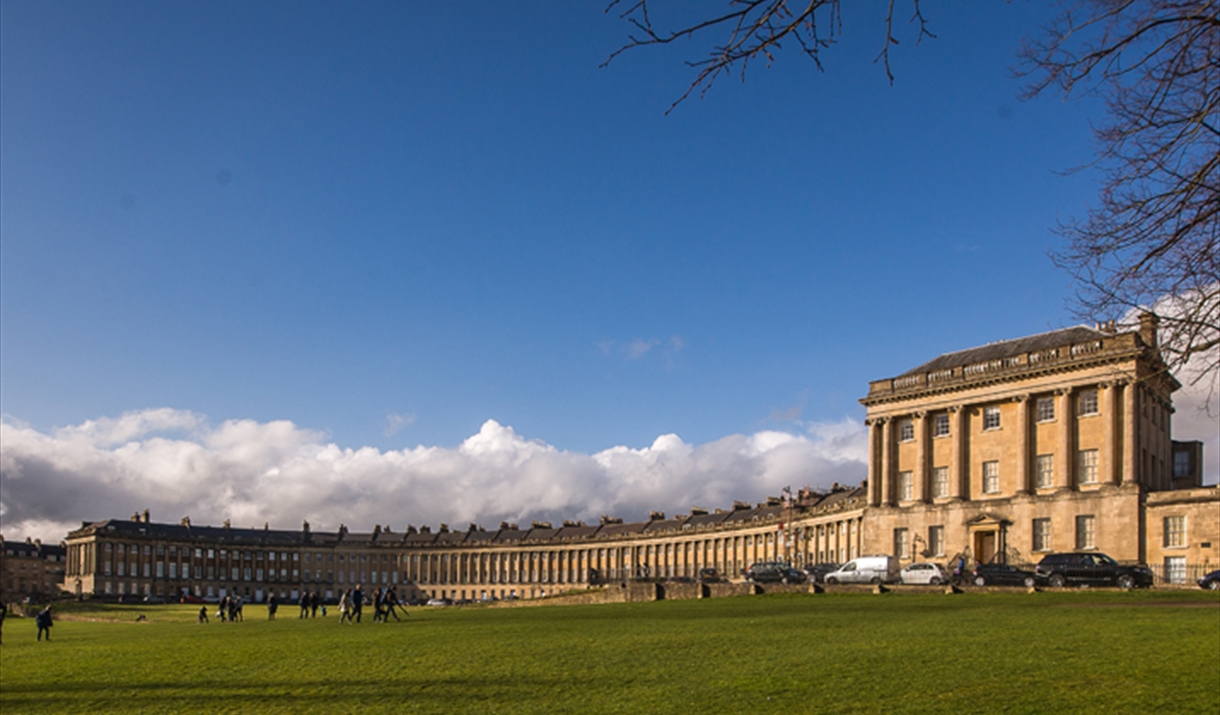
Hidden between Georgian symmetry and quiet residential order, this tucked-away lane reveals a gentler side of Bath’s grand architectural identity. Running discreetly behind the sweeping curve of the Royal Crescent, the narrow passage contrasts formal elegance with domestic calm. Arched garages, ivy-covered walls, and honey-colored stone create an understated atmosphere removed from tour bus routes. The subtle rise and fall of the lane mirrors the city’s natural contours rather than rigid planning. Sound softens here, replaced by birdsong and distant footsteps echoing through stone arches. Residents move unhurriedly, maintaining the lived-in character that keeps the area authentic rather than theatrical. The consistency of Bath stone ties the lane visually to surrounding landmarks without replicating their scale. Light slips through at angled intervals, creating gentle shadow patterns that shift hour by hour. Proximity to Victoria Park allows effortless transitions between landscape and architecture in a single short walk. Visitors drawn by the grandeur of the crescent often miss this quieter parallel route, yet those who find it experience an unfiltered moment of everyday Bath that feels both private and timeless.
Elm Hill, Norwich

Tucked between the cathedral quarter and the river, this preserved medieval lane offers one of the most atmospheric walks in East Anglia. Uneven cobbles guide visitors past flint-walled buildings, timber façades, and small independent galleries housed within restored merchant homes. The street’s gentle curve adds visual intrigue without disrupting its calm rhythm. Window boxes burst with seasonal color, softening the solid stone surroundings. Antique shops coexist comfortably with artisan cafés, giving the area a quiet commercial charm rather than a tourist-heavy buzz. Rain enhances the texture of flint and brick, amplifying contrast under changing skies. The nearby cathedral spire rises into view at subtle intervals, grounding the street in Norwich’s ecclesiastical past. Twilight is especially striking as warm interior lights glow through leaded windows. The lane often features in historical dramas due to its minimal modern interference. Footsteps echo softly rather than sharply, adding to the street’s intimate feel. This sense of uninterrupted continuity—from medieval commerce to modern creative life—gives the walk a depth rarely matched by wider, busier historic streets.
Arlington Row Lane, Bibury
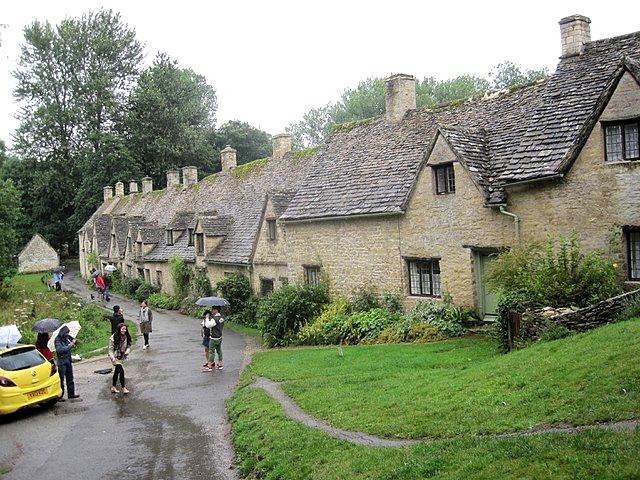
Stone cottages lining this gentle approach feel less like a street and more like a living museum of rural craftsmanship. Built in the 14th century as a wool store and later converted into weavers’ homes, the row reflects a direct link between industry and domestic life. Steeply pitched roofs, mullioned windows, and consistent limestone textures establish immediate visual harmony. Morning mist drifting across nearby water meadows heightens the softness of the scene. Unlike busier village centers, the lane maintains a hushed rhythm shaped by resident life rather than visitor movement. Seasonal changes leave clear visual signatures, from spring blossoms edging stone walls to frost outlining rooflines in winter. The narrow footpath encourages slow movement, allowing full attention to architectural details often missed on wider roads. The nearby River Coln adds natural sound without disturbing the stillness. Despite global recognition through photography and film, the area retains its quiet dignity. This delicate balance between preservation and habitation makes every step feel quietly respectful of centuries gone by.
Polperro Harbour Walk, Cornwall

Tightly packed cottages spilling down a steep coastal fold form one of Cornwall’s most visually dramatic harbour approaches. The descent toward the water guides visitors through winding stone passages where fishing heritage remains etched into doorways and walls. Salt air sharpens the senses as gull calls echo between close-set buildings. Boats rise and fall gently against the quay, maintaining rhythms unchanged for generations. The harbor’s protective curve creates water so calm it mirrors rooftops on still days. Small art studios and seafood cafés line the route without disrupting its working character. Tide shifts subtly alter the appearance of the shoreline, offering a fresh perspective with each visit. Narrow viewpoints open suddenly between cottages, revealing the open sea beyond. Late afternoon sunlight warms the stone and intensifies water reflections. The compact nature of the walk makes it immersive rather than sprawling. Even during busier months, pauses between foot traffic restore calm quickly. This blend of maritime function, dramatic geography, and closely clustered dwellings ensures lasting appeal well beyond postcard impressions.
Main Street, Haworth
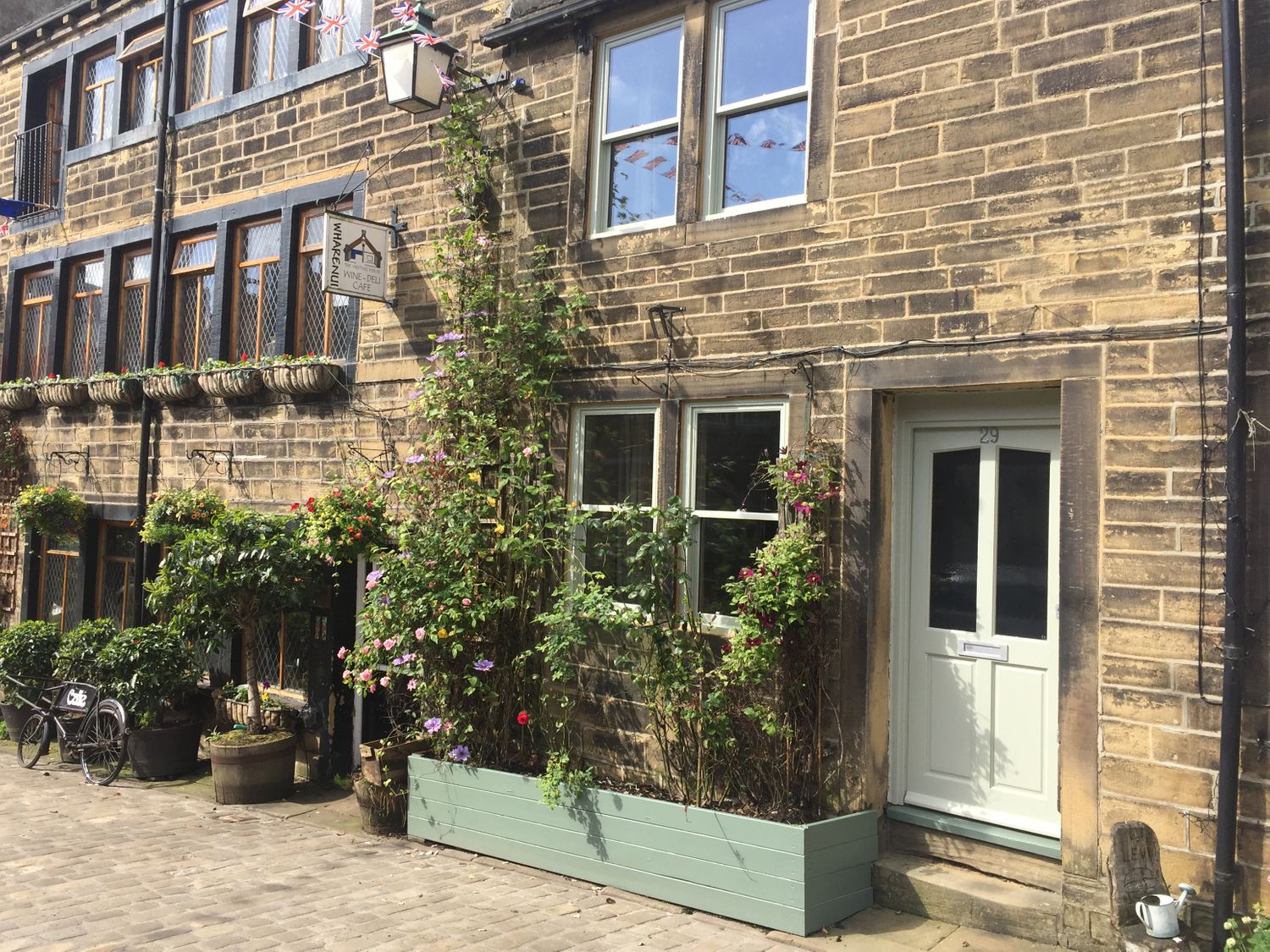
Climbing sharply toward open moorland, this historic spine carries centuries of literary and village life in every rise of stone. Home to the Brontë family, the street balances its global literary legacy with everyday Yorkshire rhythms. Independent bookshops, tearooms, and traditional pubs punctuate the climb without overwhelming its scale. Gritstone buildings retain their rugged texture despite constant foot traffic. The street’s alignment pulls the eye steadily upward, ending in wide skies and windswept landscapes beyond the final bend. Seasonal changes reshape the mood dramatically, from blooming summer planters to frost-dusted winter steps. Narrow side alleys break the steady ascent with quiet residential corners. Evening lights draw gentle warmth into shop windows as darkness settles over the moors. Despite its fame, the community presence remains visible through daily routines rather than staged heritage. Visitors drawn by literary history often stay longer for the village atmosphere. This union of cultural influence, physical effort, and rural setting creates an experience that feels earned rather than simply observed.
Chipping Campden High Street

Broad pavements and honey-toned façades establish an inviting gateway to the northern Cotswolds. The street forms the social heart of the town and the ceremonial starting point of the famous Cotswold Way long-distance footpath. Independent outfitters, bakeries, and locally run inns reflect a community shaped by walking culture and countryside trade. Architectural proportions remain balanced rather than grand, encouraging steady exploration without visual fatigue. Seasonal walkers add shifting layers of energy throughout the year, from spring hikers to autumn ramblers returning from the hills. Stone detailing varies subtly from doorway to doorway, revealing individual craftsmanship beneath uniform materials. Market days bring extra animation without overwhelming the street’s relaxed character. Early mornings feel particularly peaceful before footpath traffic builds. Nearby open countryside ensures fresh air and distant bird calls drift into town. The absence of heavy traffic reinforces the pedestrian-friendly atmosphere. This quiet confidence, rooted in landscape access rather than spectacle, gives the street its enduring charm and steady appeal.
Gandy Street, Exeter

Unexpected angles and playful shopfronts give this compact Exeter lane its creative reputation. Running between High Street and the Cathedral quarter, it compresses artistic energy into a short but vivid stretch. Independent fashion outlets, record shops, and vintage interiors dominate the scene. Textured paving and slightly irregular building lines keep the visual rhythm lively without disorder. Street musicians often choose the lane for acoustics shaped by close walls. Window displays change rapidly, reflecting the district’s experimental retail culture. Foot traffic flows between shopping zones, giving the area consistent motion without congestion. Nearby cathedral spires occasionally appear between rooftops, blending historic landmarks with contemporary creativity. Nighttime lighting shifts the atmosphere from daytime retail hub to social meeting point. Despite its modest size, the lane anchors a significant slice of Exeter’s modern identity. Color, sound, and movement remain balanced rather than overstimulating. This careful mix of heritage context and independent enterprise keeps the street distinctive without feeling forced or overly curated.
Victoria Street, Edinburgh

Sweeping in a graceful curve through the Old Town, this multicolored terrace sits beneath towering historic layers. Shopfronts display bold hues framed by dark stone, creating visual contrast that shifts constantly with light and shadow. The street’s design predates many modern retail principles, yet functions seamlessly for foot traffic today. Upper-level walkways add depth and observation points often missed at ground level. Boutiques, chocolatiers, and artisan cafés fill arched openings that once served as traditional workshops. The curve naturally guides the eye forward, making each step feel progressive rather than repetitive. Views toward the Royal Mile appear suddenly at the upper end, linking commerce with monumental history. Evening light intensifies color saturation, giving the street a cinematic feel without artificial staging. Despite high visitor numbers, movement rarely becomes congested due to its generous width. The layered construction and rotating shop identities maintain long-term interest well beyond first impressions.
Steep Hill, Lincoln
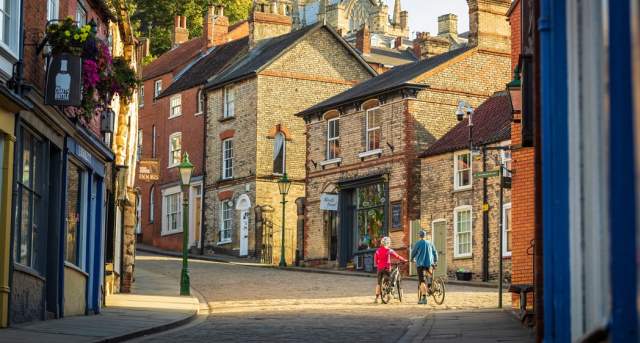
Rising sharply from the city’s lower quarter toward cathedral heights, this demanding ascent rewards persistence with architectural variety and sweeping perspective. Stone steps transition into cobbled segments, marking the gradual shift from commercial bustle to historic calm. Independent galleries, antiques stores, and artisan workshops line the climb in steady sequence. Each pause reveals expanding views across Lincoln’s rooftops, reinforcing the hill’s physical drama. Timber-framed buildings punctuate otherwise stone-dominated scenery, adding visual punctuation along the route. The cathedral’s presence grows steadily larger overhead, drawing walkers upward with quiet authority. Seasonal light reshapes the climb, from soft spring haze to crisp winter clarity. Despite the effort required, the atmosphere never feels exhausting due to frequent visual breaks. Local residents move with practiced ease, reinforcing the street’s everyday function beyond tourism. The summit delivers both spatial release and architectural reward in equal measure. This blend of exertion, heritage, and evolving vantage points makes the route one of England’s most memorable uphill walks.