
Dunvegan Castle & Seal Lagoon Overlook
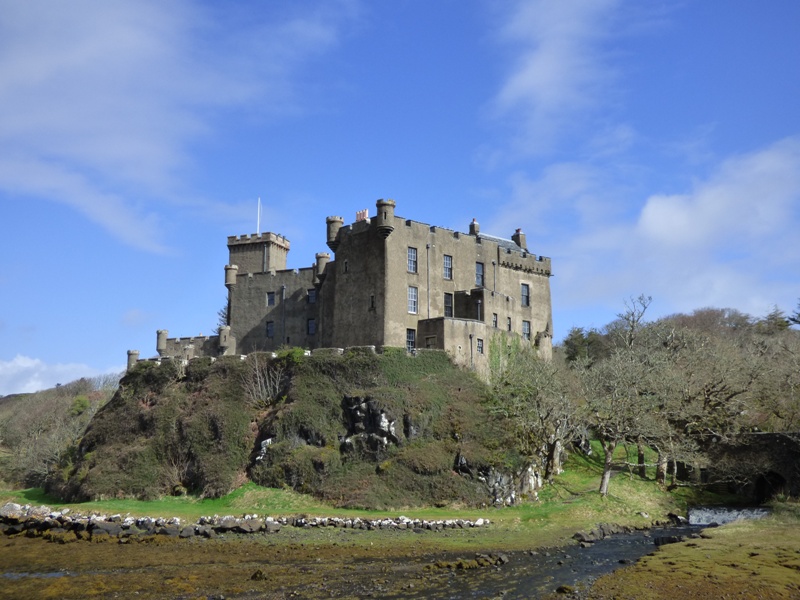
Visitors arriving at Dunvegan Castle quickly sense why this historic seat of Clan MacLeod remains one of Skye’s most enduring landmarks. The estate presents a rare combination of lived-in heritage, well-preserved architecture, and natural scenery that rewards slow exploration. Beyond the castle’s stone walls, the viewpoint overlooking the Seal Lagoon becomes a highlight for many travelers, offering the chance to watch resident colonies bask along the shoreline or glide through calm waters. The gentle coastal air, shifting tides, and open Skye skies give this vantage point a tranquil rhythm that contrasts with the castle’s centuries-old stories of battles, alliances, and clan legacy. Trails around the grounds lead through gardens, wooded walks, and shoreline paths, each revealing another dimension of the estate’s setting. Photography enthusiasts appreciate the interplay of water, wildlife, and castle silhouettes, especially during early morning or late afternoon light. Those interested in Scottish history find detailed exhibits inside the castle, providing context for the clan’s influence across the Highlands. Whether enjoying the lagoon overlook or wandering deeper into the estate, the experience balances cultural insight with natural beauty. Dunvegan consistently stands out as a rewarding stop on any Isle of Skye itinerary.
Armadale Castle Garden Trails
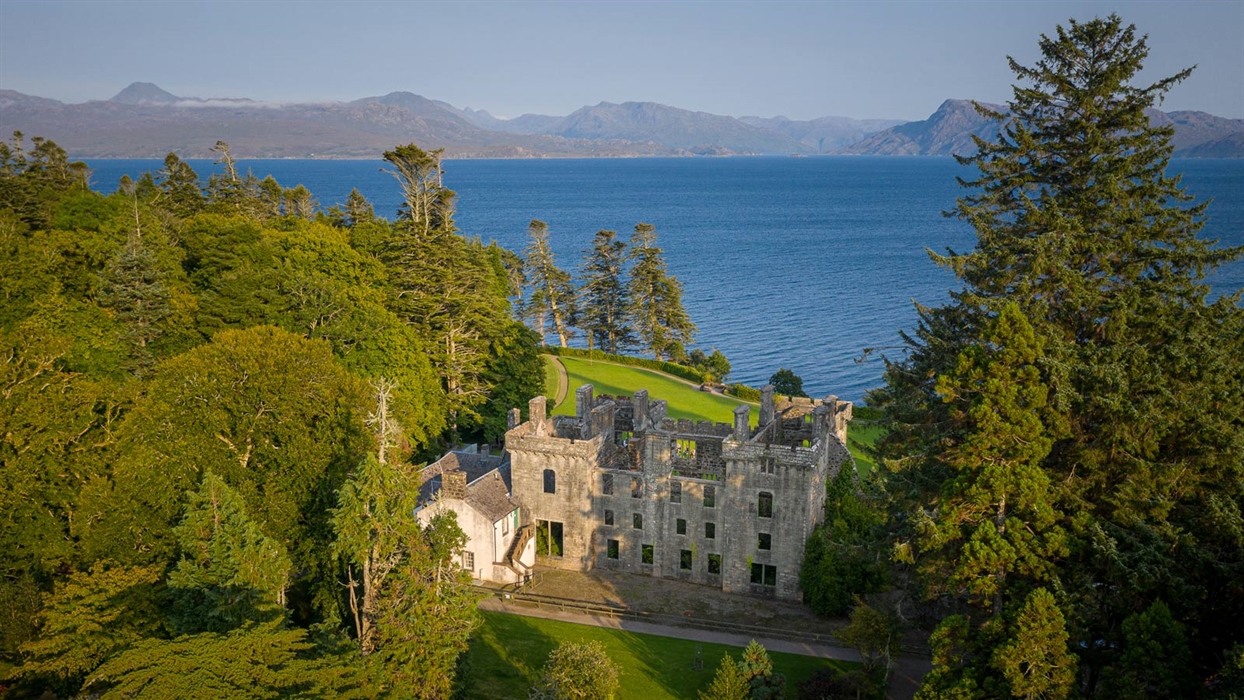
Wandering through the Armadale Castle gardens allows visitors to follow gently flowing paths shaped by centuries of clan heritage and thoughtful landscape design. These trails lead through lush woodland pockets, quiet lawns, and open viewpoints that frame the waters of the Sound of Sleat. The garden routes showcase seasonal color, from spring blooms to late-summer greens, creating a calming backdrop for travelers seeking a slower-paced stop on Skye. Interpretive signs provide historical context about the MacDonald clan, shedding light on the site’s significance and the former castle’s role as a powerful seat in the region. Wildlife often appears along the trails, including songbirds and butterflies that thrive among the carefully maintained plant life. Families enjoy the accessible paths, while photographers find plenty of opportunities to capture layered textures, stone remnants, and sweeping coastal light. The museum nearby deepens the experience with artifacts and stories that link the landscape to broader Highland history. Many visitors spend longer here than expected, drawn by the peaceful atmosphere and the way the gardens blend natural growth with curated design. Armadale’s trails offer a refreshing contrast to Skye’s rugged cliffs and dramatic peaks, making them a rewarding detour for travelers who appreciate nature paired with cultural heritage.
Knock Castle Coastal Cliff Ruins

Approaching Knock Castle involves following a shoreline route where the land gently rises toward a ruined structure positioned above the sea. The remnants sit quietly on a grassy ridge, offering expansive views across coastal waters and toward distant hills. Although the castle has long since crumbled, the setting maintains a sense of quiet drama, shaped by wind, shifting light, and the rhythmic sound of waves below. Walkers often use this site as a brief but memorable stop while traveling through Sleat, choosing the ruins for their atmosphere rather than architectural detail. The surrounding cliffs give the location a rugged appeal, especially for visitors who appreciate more remote-feeling corners of Skye. Stories attached to the site hint at the MacDonald clan’s history in the region, adding a cultural layer to the landscape. The route is relatively short, making it a practical addition to longer drives while still delivering rewarding coastal scenery. On clear days, the vantage point is ideal for watching boats move through the sound or spotting sea birds that nest along the shoreline. Knock Castle’s minimal remains are offset by its powerful sense of place, offering a moment of stillness and connection to Skye’s layered past.
Moy Castle Lookout Path

Walking toward Moy Castle brings travelers through gentle woodland stretches and lakeside scenery that feels distinctly peaceful compared to Skye’s wilder northern landscapes. The trail is not demanding, making it suitable for a wide range of visitors interested in history paired with natural surroundings. Although the castle itself sits in a ruined state, the outlook around it creates a memorable experience, especially where the path opens to views across Loch Buie and the hills rising beyond. The location once held strategic value, reflected in the castle’s positioning near the water and its sturdy stone footprint. Today, most people come for the atmosphere rather than detailed architectural study. The quiet path, soft woodland light, and occasional bird calls encourage a slower pace, offering a small retreat from busier attractions across the island. Those who enjoy photography find opportunities in reflections on the loch and shifting cloud patterns over the ridges. Interpretive information available from local resources helps visitors understand the site’s connection to clan history and coastal defense. The route’s manageable length and scenic payoff make it appealing for travelers seeking a balance of culture and nature without committing to a lengthy hike. Moy Castle provides exactly that blend.
Camas Malag Ruins by the Water
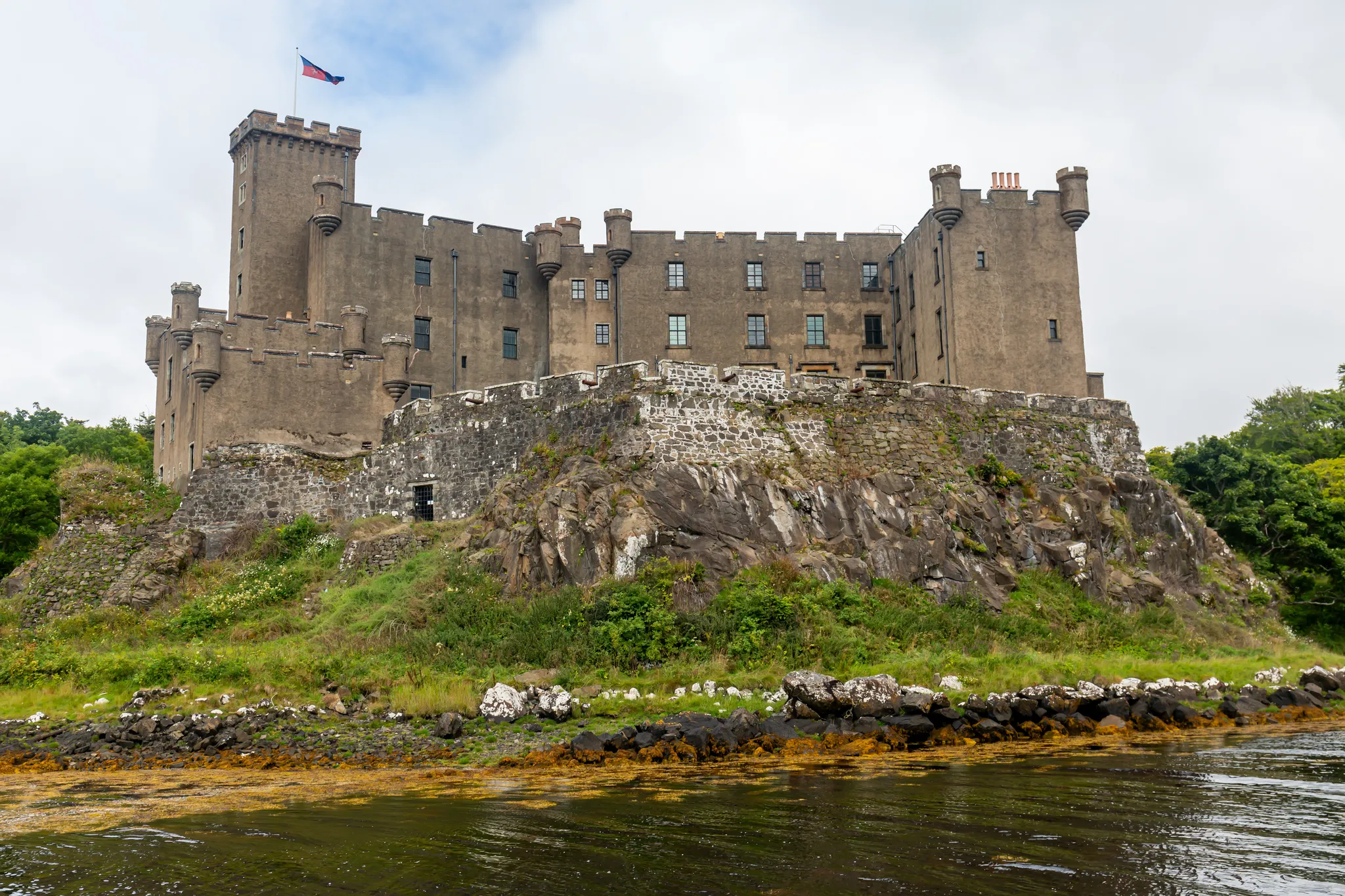
Reaching Camas Malag introduces visitors to a tucked-away shoreline where ruins rest close to the water, creating a setting defined by open sea views and gentle coastal curves. The area feels refreshingly quiet, often attracting those who prefer less-visited sites on Skye. Small stone remnants scatter the landscape, hinting at older activity that once shaped this part of the coastline. The waterfront across Loch Slapin offers impressive views of the surrounding hills, with the rugged outline of the Cuillin range adding depth to the scenery. The walk to the location is manageable, making it accessible for travelers who appreciate a casual outing with strong visual rewards. Wildlife sightings—particularly seabirds and occasional grazing animals—add to the sense of natural immersion. The setting works especially well for visitors who enjoy exploring places where history and nature blend subtly rather than dramatically. Many stay longer than planned, using the peaceful surroundings as a break from more crowded Skye attractions. The shoreline’s shifting tide patterns and wide-open horizon offer a calm backdrop for reflection or photography. Camas Malag stands as a reminder that not all historic sites require extensive structures to leave an impression; sometimes the landscape itself carries the narrative.
Trumpan Church Fortified Remnants
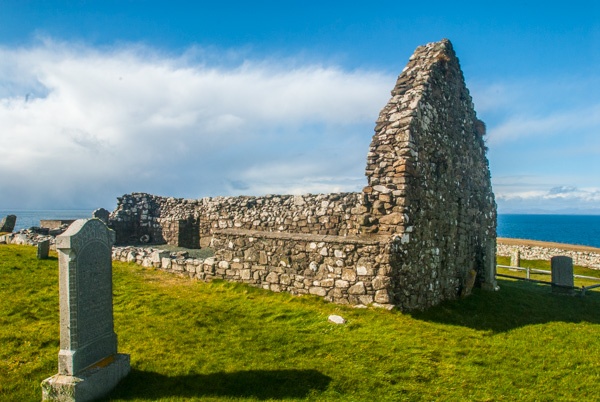
Standing at Trumpan Church places visitors in one of Skye’s most atmospheric historic settings, where the ruins and surrounding graveyard overlook sweeping views across the Waternish peninsula. Although modest in size, the structure carries significant history tied to clan conflict and the tragic events once recorded here. The stonework, weathered yet still recognizably fortified, hints at its defensive past and the role it played in regional tensions. The location’s elevated position allows travelers to appreciate expansive coastal vistas, with the Outer Hebrides visible on clear days. The combination of quiet surroundings, open landscape, and cultural significance creates a reflective environment. Interpretive information available in the area helps visitors understand the historical context behind the site, adding depth to the experience. The surrounding field paths are easy to navigate, making it a comfortable stop even for those with limited time. Photographers will find dramatic skies common here, thanks to Skye’s shifting weather patterns and the unobstructed horizon. Many visitors describe the site as haunting yet peaceful, offering a moment of pause during a day of sightseeing. Trumpan Church remains a meaningful stop for travelers who value heritage-rich locations framed by powerful natural scenery.
Duntulm Castle Cliff-Edge Base

Arriving at Duntulm Castle leads visitors to one of the most striking cliff-top settings on the Isle of Skye. The ruined castle sits dramatically above the sea, but viewing it from the base along the lower coastal path gives a unique angle that highlights the sheer drop and rugged coastline. The site once served as a stronghold for clan leadership, and though little remains today, the location’s commanding position makes its historic importance easy to imagine. The surrounding cliffs attract seabirds, adding movement and sound to the landscape, while waves crash below depending on tide and weather. Travelers walking the coastal stretch often pause to admire the interplay of light and shadow against the ruins and rock formations. The area feels exposed, creating a sense of raw natural power that contrasts with more sheltered Skye locations. While the upper ruins require caution due to erosion, the base viewpoint offers safer access and equally dramatic scenery. This part of Trotternish is known for sweeping views, especially during late afternoon when the coastline glows under warm light. Duntulm’s cliff-edge setting consistently leaves a strong impression, making it a popular highlight for those exploring northern Skye.
Caisteal Uisdean (Hugh’s Castle) Field Walk

Walking out to Caisteal Uisdean takes visitors through open fields where the landscape gradually rises toward the tower-like remains of this 17th-century structure. The ruin stands alone, creating a compelling silhouette against Skye’s wide skies. Although small compared to older clan strongholds, the castle carries a dramatic backstory tied to political intrigue and betrayal, which adds narrative depth to the journey. The route is generally straightforward, passing through grassy terrain that offers uninterrupted views of the surrounding peninsula. Photographers often enjoy capturing the castle from different angles, especially where its stark stone profile contrasts with the natural landscape. Wind and shifting weather contribute to the site’s atmosphere, giving each visit a slightly different feel. Travelers seeking quieter historic locations appreciate that the area tends to stay peaceful throughout the day, even during peak travel seasons. The openness of the fields allows visitors to take in long-range views across the coastline and inland hills, making the walk rewarding beyond the ruins themselves. Though the structure is fragile, its isolated setting enhances its impact and provides a strong sense of Skye’s rural character. Caisteal Uisdean remains a memorable stop for those drawn to remote historic sites.
Dunscaith Castle “Shadow of Skye” Ruins

Standing before Dunscaith Castle brings visitors into contact with one of Skye’s most storied fortresses, known in Gaelic tradition as the “Shadow of Skye.” Positioned on a rocky promontory along the Sleat peninsula, the ruins offer panoramic views across the water toward the Cuillin mountains. Access involves a short but engaging walk across uneven terrain, where remnants of walls, gateways, and defensive positions gradually come into view. Legends connected to warrior training and clan history enrich the visit, giving the structure a mythic presence. The castle’s elevated location allows sunlight and coastal winds to shape the atmosphere throughout the day, creating a dynamic setting for photography and quiet exploration. Visitors often pause to observe seabirds and shifting cloud patterns moving across the landscape. Although only fragments remain, the site’s placement reveals why it once held strategic power. The surrounding coastline provides additional viewpoints, making it easy to spend extra time exploring nearby rocks and grassy pathways. This blend of history, myth, and striking geography gives Dunscaith a unique identity among Skye’s castle ruins. For travelers seeking dramatic scenery paired with cultural depth, the “Shadow of Skye” remains an essential stop.
Castle Maol Harbour Viewpoint

Positioned near the harbor of Kyleakin, Castle Maol offers travelers an accessible yet rewarding historic stop with strong visual appeal. The path leading upward is short but slightly uneven, eventually opening toward views of the Skye Bridge, Loch Alsh, and the mainland beyond. The structure, though heavily weathered, still reflects its role as a lookout and toll point long used by local rulers. Its location above the shoreline gives visitors a chance to appreciate both maritime activity and Skye’s rugged edges. Many stop here during a drive across the bridge, taking advantage of the quick walk to stretch their legs while enjoying a meaningful landmark. The viewpoint especially benefits photographers, offering angles that combine the castle’s silhouette with modern engineering in the distance. Interpretive signs help explain the site’s history, making it easy for visitors to understand its strategic significance. The surrounding grassy slopes often provide peaceful seating spots for those who want to pause and take in the scenery. During clear weather, sunlight across the water enhances the harbor’s reflective qualities, adding to the experience. Castle Maol remains an inviting stop for those who enjoy history paired with convenient access and strong coastal views.
Castle Suardal Ancient Foundations

Exploring the site of Castle Suardal introduces visitors to a lesser-known historic location marked by low stone foundations that blend into the surrounding moorland. While the visible remains are minimal, the area carries archaeological value tied to early settlement and defensive activity. Travelers who appreciate quieter landscapes often find this site appealing, as it sits away from busier Skye routes. The terrain around the foundations opens to views of rolling hills and distant ridgelines, offering a sense of spaciousness that contrasts with more dramatic coastal ruins. The walk to the location is gentle, making it suitable for visitors seeking a low-effort stop with historical context. Those interested in ancient sites will find that the simplicity of the remnants encourages imagination, inviting reflection on how communities once organized life in this part of the island. The open environment also suits photography focused on textures, light, and the interplay between earth and sky. Wildlife sightings, including grazing animals and birds, add further interest. Castle Suardal may not present towering walls, but its landscape-driven character makes it a meaningful stop for travelers who enjoy uncovering subtle traces of Skye’s layered past.
Dun Beag Broch Hilltop Fort

Climbing toward Dun Beag Broch gives visitors a chance to explore one of Skye’s best-preserved Iron Age structures while enjoying wide-reaching views across the island. The ascent is steady rather than steep, guiding travelers through open hillside terrain toward a circular stone fort positioned prominently above the landscape. On arrival, the impressive thickness of the broch’s walls becomes immediately noticeable, reflecting its defensive purpose and the engineering skills of its builders. The interior space, though roofless today, allows visitors to walk among the ancient stonework and imagine daily life for those who once occupied the site. The hilltop setting delivers expansive vistas of nearby lochs, scattered crofts, and rugged ridges, making it a favorite location for photography and quiet observation. Interpretive signs provide context that enriches the visit without overwhelming visitors with detail. Many travelers appreciate how the fort blends archaeological importance with natural beauty, offering a balanced experience that suits history enthusiasts and casual explorers alike. The site remains accessible throughout most of the year, and its position ensures changing light conditions create different moods for each visit. Dun Beag Broch stands as a remarkable testament to early Highland history.