
Just beyond Bristol’s city limits, historic cities, wild coastlines, and storybook countryside unfold within easy reach. Day trips matter because they turn limited time into high-impact travel, balancing culture, nature, and food in a single, manageable escape. Roman baths in Bath, dramatic Cheddar Gorge cliffs, Welsh beaches, and Cotswold villages all sit close enough for spontaneous plans. Smart route choices save hours, cut transport stress, and unlock quieter experiences beyond peak crowds. This guide to the best day trips from Bristol highlights fast connections, must-see attractions, and realistic itineraries so readers can plan rewarding short adventures that feel far bigger than a single day away.
Cheddar Gorge Cliff Walk & Cheese Stop

Towering limestone walls rise dramatically on both sides of this iconic Somerset gorge, setting the stage for one of southern England’s most striking short walks. Well-marked cliff paths trace the upper edges of Cheddar Gorge, delivering far-reaching views across the Mendip Hills, patchwork farmland, and winding valley roads below. Wild goats often roam the rock faces, adding a raw edge to the landscape. The route offers varied terrain, from exposed ridgelines to gentler descents toward the village. After the walk, the experience naturally flows into Cheddar village itself, where traditional dairies and independent shops celebrate the area’s world-famous cheese heritage. Tasting locally matured Cheddar straight from the source adds depth to the visit, connecting landscape and produce in one seamless outing. Small museums, craft stores, and relaxed cafés make it easy to linger without rushing. With its blend of geology, wildlife, viewpoints, and food culture, this trip balances physical activity with indulgent rewards. Just over an hour from Bristol, it remains one of the region’s most dependable half-day adventures for walkers and food lovers alike.
Wells Medieval Teatime Stroll
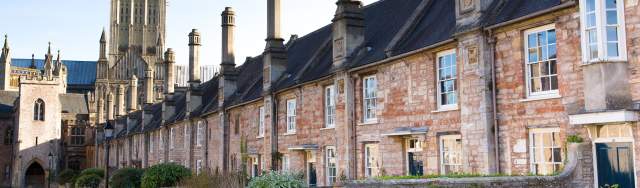
Stone streets quietly unfold around England’s smallest city, where centuries of history shape every gentle turn. Wells feels instantly intimate, anchored by its magnificent cathedral with sculpted west front, medieval scissor arches, and reflective green lawns. A slow walk through the Bishop’s Palace gardens reveals leafy pathways, a swan-filled moat, and views across the cathedral towers from unexpected angles. The ancient Vicars’ Close, often described as Europe’s oldest continuously inhabited residential street, adds another layer of visual richness with its sloping cobbles and uniform stone façades. Mid-afternoon naturally invites a pause at one of the traditional tearooms tucked beside the cathedral precinct. Fresh scones, clotted cream, and loose-leaf blends suit the city’s unhurried rhythm perfectly. Independent bookshops and small galleries provide quiet browsing between landmarks without overwhelming the experience. Wells offers history without heaviness, beauty without crowds, and comfort without excess. As a compact day trip from Bristol, it suits travellers who value atmosphere, heritage, and slow discovery over packed itineraries and constant motion.
Hidden Cotswolds Canal Village
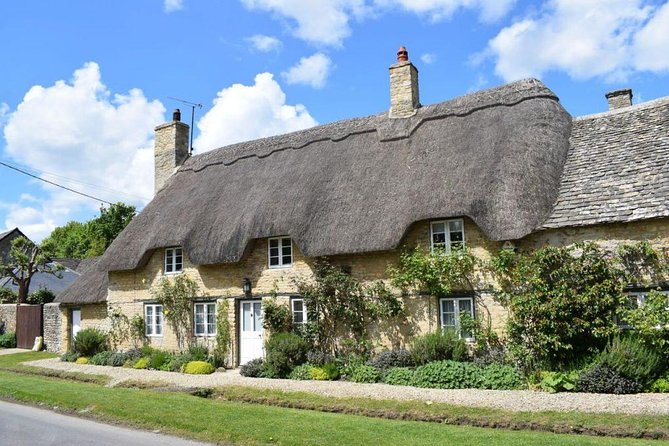
Willow-lined waterways quietly thread through a lesser-known corner of the Cotswolds where stone cottages cluster close to narrow locks and reflective basins. Unlike headline villages shaped by busy high streets, canal settlements reveal their charm gradually, guided by towpaths rather than traffic. Walks typically follow calm stretches of water bordered by wildflowers, arched footbridges, and slow-moving narrowboats. Former mill buildings often sit alongside the canal, repurposed as cafés, studios, or waterside inns that retain original brickwork and timber beams. Seasonal wildlife adds movement to the stillness—moorhens drift between reeds, dragonflies skim the surface, and swans glide through mirrored skies. The pace here encourages wandering without agenda, stopping for coffee, and watching boats pass through hand-operated locks. With few tour buses and limited signage, these villages feel discovered rather than displayed. As a day trip from Bristol, this type of canal village suits travellers seeking quieter scenery, local character, and gentle walking routes that reveal the softer, slower side of the Cotswolds landscape.
Weston-super-Mare Pier & Sunset
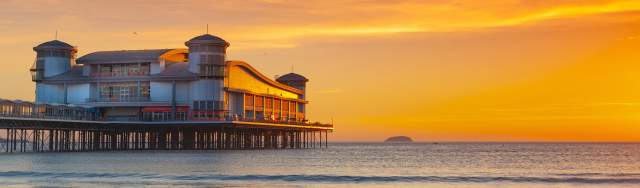
Sea air, wide horizons, and Victorian seaside nostalgia define this classic Bristol Channel escape. Weston-super-Mare’s long promenade stretches parallel to sweeping sands that expand dramatically at low tide, revealing one of Britain’s widest beaches. The Grand Pier anchors the seafront with its illuminated arcades, rides, and viewing decks stretching over the water. As evening approaches, the sky often transforms into layered bands of gold, coral, and violet reflected across wet sand flats. Walkers drift along the shoreline while locals gather at railings with hot drinks and fish-and-chip parcels. The rhythm of waves, distant calls of seabirds, and steady hum of arcade lights create an atmosphere that shifts from lively to reflective within minutes. Coastal cafés, ice cream parlours, and modern bistros offer relaxed dining options facing the sea. Less than an hour from Bristol by train or car, this coastal outing blends simple pleasures with cinematic sunsets, making it an easy choice for low-effort, high-reward day trips.
Westonbirt Arboretum Canopy Walk
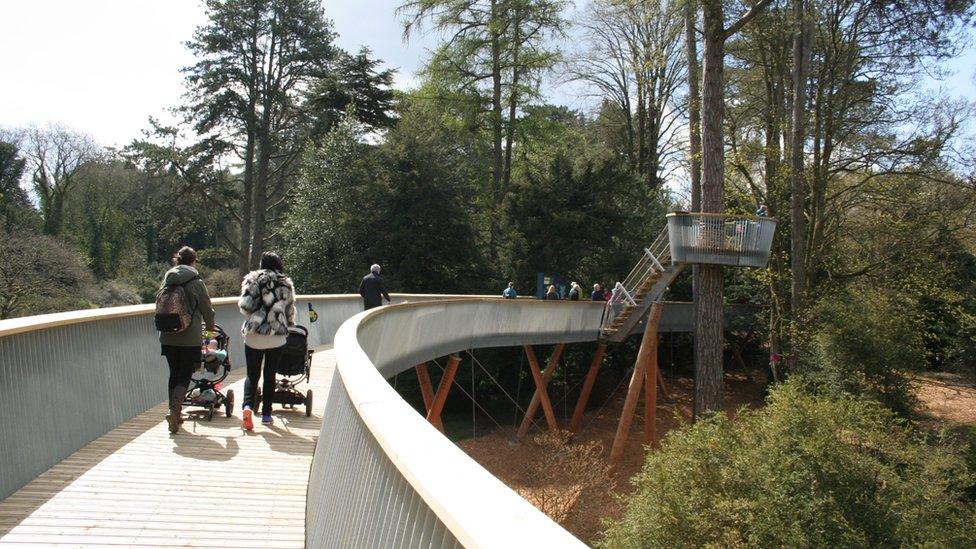
Trails weave through one of Britain’s most celebrated tree collections, where seasonal colour reshapes the landscape week by week. Westonbirt Arboretum spans over 600 acres and features thousands of trees sourced from across the world, including rare maples, magnolias, and ancient oaks. Elevated walkways bring visitors closer to the treetops, offering shifting perspectives through dense foliage and open glades. The canopy walk provides gentle height without exposure, making it accessible for most fitness levels. Spring brings blossom corridors, summer delivers layered greens, autumn erupts into amber and scarlet, while winter reveals sculptural branches against pale skies. Interpretation boards add depth without overwhelming the experience, explaining global tree origins and conservation work. Well-maintained paths suit slow exploration, photography, and mindful wandering. With cafés, picnic lawns, and clear route markers, the arboretum functions as both a nature reserve and a refined outdoor garden. Located about an hour from Bristol, it offers restorative scenery without demanding long hikes.
Berkeley Castle Countryside Picnic

Norman stone walls rise unexpectedly above green pastureland, marking one of England’s most atmospheric living castles. Berkeley Castle traces its origins back nearly 900 years and still retains family ownership, giving the site both historical weight and personal character. Inside, visitors encounter medieval halls, ancient tapestries, and rooms tied to royal intrigue, including the imprisonment of Edward II. Outside the walls, open lawns stretch toward the River Severn, forming a natural setting for relaxed outdoor meals. Shaded spots under mature trees offer protection from sun or passing showers, while distant views across flat wetlands emphasize the castle’s dominance of the landscape. Footpaths connect the grounds to nearby villages and riverbanks, extending the visit beyond the castle interior. Local farm shops supply picnic provisions, reinforcing the rural setting. Less formal than major heritage estates yet rich in story, Berkeley blends history with informal countryside leisure. Its location north of Bristol makes it an easy transition from city bustle to quiet pastureland.
Wookey Hole Caves & River Path

Water has shaped this dramatic limestone landscape for thousands of years, carving chambers deep beneath the Mendip Hills. Wookey Hole’s extensive cave system reveals soaring caverns, reflective underground pools, and stalactite formations formed by constant mineral-rich drips. Guided tours illuminate both geological processes and archaeological discoveries, including prehistoric remains found within the chambers. Above ground, the River Axe emerges from the cave mouth and flows gently through open meadows and wooded banks. A level riverside path follows its course, offering an easy outdoor extension to the underground adventure. Wildlife thrives along the water’s edge, with ducks, trout, and kingfishers frequently spotted. Seasonal activity areas nearby add lighter attractions without detracting from the natural setting. The contrast between echoing cave interiors and the quiet movement of open water creates a balanced day out suitable for families and relaxed walkers alike. Located near Wells and within straightforward reach of Bristol, Wookey Hole combines natural spectacle with accessible outdoor paths.
Mendip Hills Sunrise Hike

First light spills across rolling limestone uplands where dry-stone walls and grazing sheep define the horizon. The Mendip Hills rise south of Bristol as a designated Area of Outstanding Natural Beauty, offering open ridgelines ideal for early morning walks. Starting before dawn allows hikers to follow faint footpaths as the sky gradually brightens behind distant church towers and low valleys. As the sun climbs, shadow and contour shape the hills into layered ridges, revealing Chew Valley, Glastonbury Tor, and occasional glimpses of the Bristol Channel on clear days. The terrain alternates between grassy tracks, rocky outcrops, and gentle ascents that reward steady pacing rather than technical climbing. Skylarks, rabbits, and grazing livestock provide early movement across otherwise quiet slopes. The stillness of sunrise turns even well-used trails into reflective spaces. With multiple access points and short circular routes available, the Mendips make sunrise hiking achievable without long drives or extreme fitness demands from Bristol.
Hay-on-Wye Booktown Escape
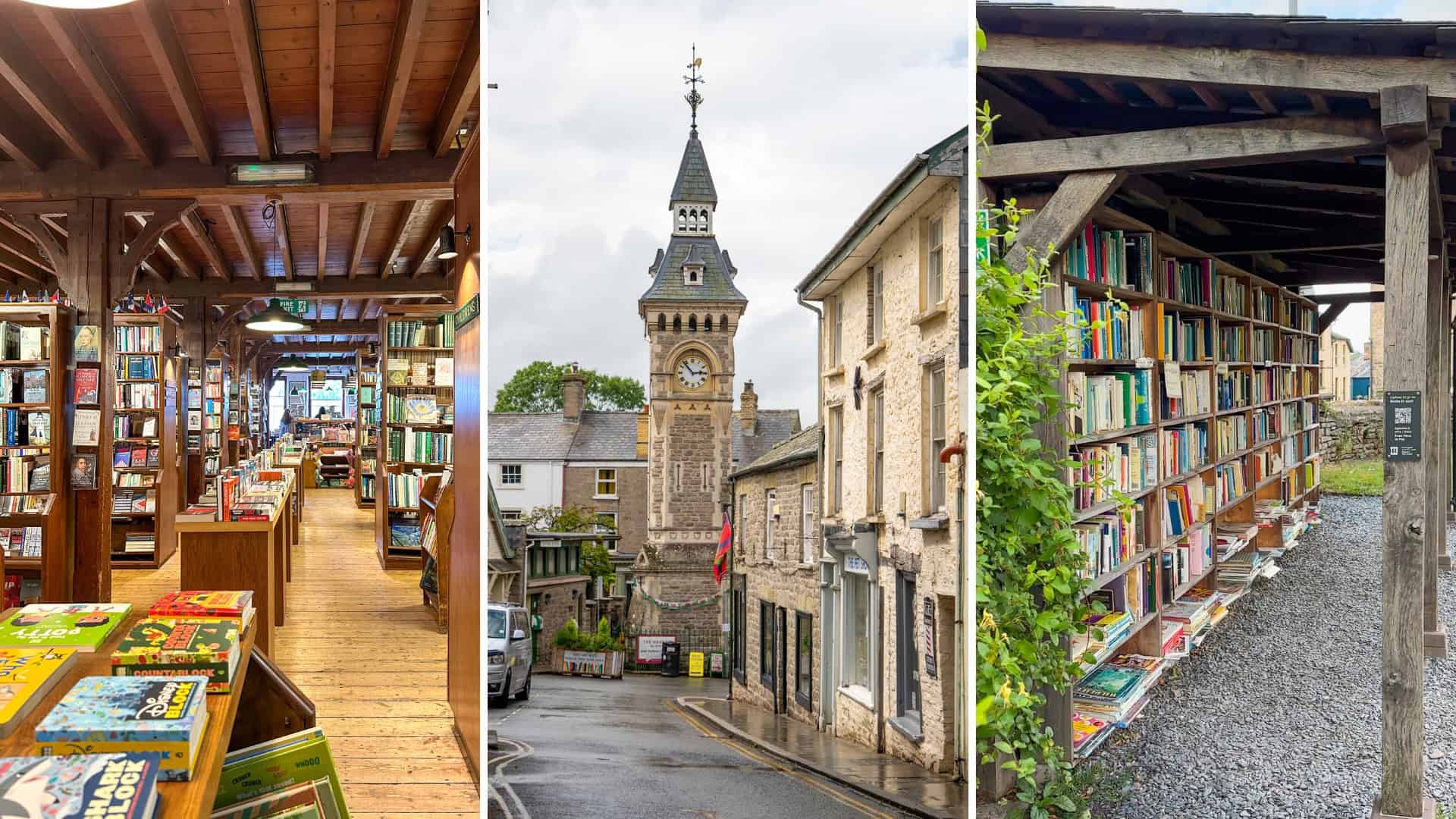
Shelves spill from doorways, windows display rare paperbacks, and quiet lanes reveal more bookshops than cafés—Hay-on-Wye thrives on literary obsession. This small border town on the River Wye earned global recognition as the original “book town,” drawing collectors and casual readers alike. Independent shops range from specialist antiquarians to relaxed second-hand stores packed floor to ceiling with discoveries. The ruined Norman castle crowns the town, offering elevated views over patchwork fields and distant hills. Riverside paths follow the Wye’s gentle curves, creating a peaceful counterbalance to hours of browsing indoors. Each spring, the Hay Festival transforms the town into a global meeting place for writers and audiences, yet outside festival season the atmosphere remains gentle and unforced. Tearooms, bakeries, and informal bistros support slow exploration without rush. Roughly two hours from Bristol, Hay-on-Wye rewards those willing to travel slightly farther with a deeply distinctive identity built on books, views, and riverside calm.
Glastonbury Abbey & Hill Walk

Myth, archaeology, and sweeping views converge at one of Britain’s most evocative historic landscapes. The ruins of Glastonbury Abbey stand within peaceful lawns and reflective ponds, marking what was once one of medieval England’s wealthiest monastic centres. Stone arches and roofless naves allow the sky to frame centuries-old masonry, creating a powerful sense of openness and loss. Leaving the abbey grounds, footpaths climb toward Glastonbury Tor, a steep-sided hill crowned by the solitary St Michael’s Tower. The ascent reveals expanding views across the Somerset Levels, where waterways and wetlands create shimmering mosaics below. On clear days, the Bristol Channel appears on the far horizon. The walk is short but steadily challenging, rewarding effort with unmatched perspective across southwest England. Spiritual symbolism, Arthurian legend, and tangible history overlap here without overwhelming the experience. From Bristol, the combination of abbey ruins and hilltop walking delivers both grounded heritage and elevated scenery in a single, well-balanced day trip.
Hidden Estate Forest Trails
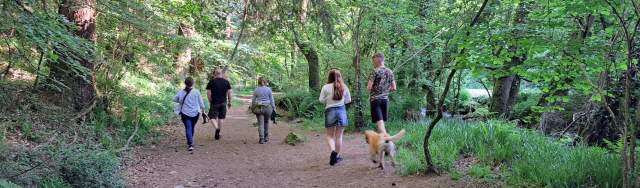
Sheltered woodlands and landscaped parkland open quietly behind high stone walls, revealing paths few visitors encounter without intention. Many historic country estates across the West Country retain forest trails that wind through mixed woodland, ornamental lakes, and ancient coppice. These routes often follow long-established carriage tracks before narrowing into softer earth paths under dense tree cover. Seasonal changes bring wild garlic carpets in spring, deep shade and birdsong in summer, copper leaf fall in autumn, and textured bark patterns through winter. Deer and fox tracks appear along muddy stretches, hinting at unseen movement. Estate cafés or tearooms near the entrance provide simple refreshments without disrupting the seclusion deeper inside the grounds. Without the crowds drawn to headline landmarks, these hidden trails offer uninterrupted walking, photography, and quiet restoration. Just beyond Bristol’s outer suburbs, such estates deliver woodland immersion without lengthy travel, ideal for those seeking calm, controlled landscapes shaped by both nature and careful stewardship.
Bristol Street Art & Riverside Coffee

Brick walls become open-air galleries across neighbourhoods shaped by creativity and counterculture. Bristol’s street art scene ranges from small stencil work tucked into alley corners to towering murals that dominate entire building façades. Guided walking routes through areas such as Stokes Croft, Bedminster, and the city centre reveal politically charged pieces, abstract patterns, character-driven artworks, and evolving tributes connected to the city’s creative identity. After exploring the streets, waterside paths along the Floating Harbour offer a contrasting pace. Converted warehouses now house independent coffee roasters, bakeries, and relaxed cafés with outdoor tables overlooking the water. Paddleboarders drift past moored boats while restored cargo cranes and industrial remnants reflect Bristol’s maritime past. This combination of urban art and waterfront calm reflects the city’s layered character—energetic yet balanced. As a home-based day outing rather than a journey outward, this experience suits visitors who want culture, walking, coffee, and atmosphere without leaving Bristol’s boundaries.