
Crystal-clear waters, vibrant coral reefs, and thriving marine life make Florida a true paradise for snorkeling enthusiasts. From the Florida Keys’ tropical reefs to the hidden coves of the Panhandle, every region offers underwater adventures filled with color and wonder. Whether you’re swimming alongside sea turtles at Dry Tortugas or spotting angelfish near Key Largo, these sites reveal Florida’s unmatched natural beauty beneath the surface. This guide highlights the best places for snorkeling in Florida, helping travelers plan unforgettable coastal escapes where calm tides meet extraordinary marine ecosystems waiting to be explored firsthand.
John Pennekamp Coral Reef State Park (Key Largo)
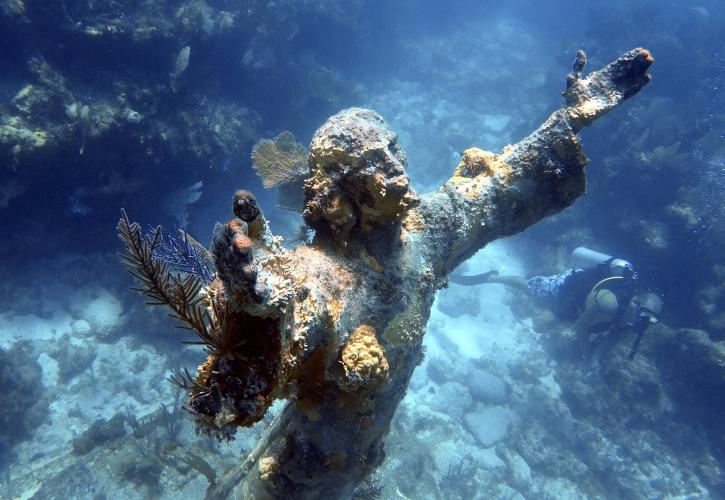
Beneath the turquoise waters of Key Largo lies one of Florida’s most treasured underwater destinations—John Pennekamp Coral Reef State Park. Known as the first undersea park in the United States, it offers an extraordinary snorkeling experience with vibrant coral formations, colorful parrotfish, and graceful angelfish gliding through the reefs. The famed Christ of the Abyss statue rests serenely underwater, surrounded by schools of tropical fish that shimmer in the sunlight. With glass-bottom boat tours and beginner-friendly reefs like Cannon Beach, the park caters to both novice and seasoned snorkelers. Clear visibility and calm waters make it ideal for families exploring marine life safely. Beyond snorkeling, visitors can kayak through mangrove tunnels, adding another layer of adventure to the day. The area’s pristine condition, protected since 1963, ensures a thriving ecosystem and unforgettable underwater sights. Convenient rental facilities, guided tours, and interpretive exhibits make the experience educational as well as breathtaking. For travelers seeking the best introduction to Florida’s coral reefs, John Pennekamp offers unmatched access and beauty within an easy drive from Miami. Every visit promises encounters with vibrant coral gardens and sea creatures that define Florida’s unparalleled snorkeling heritage.
Dry Tortugas National Park
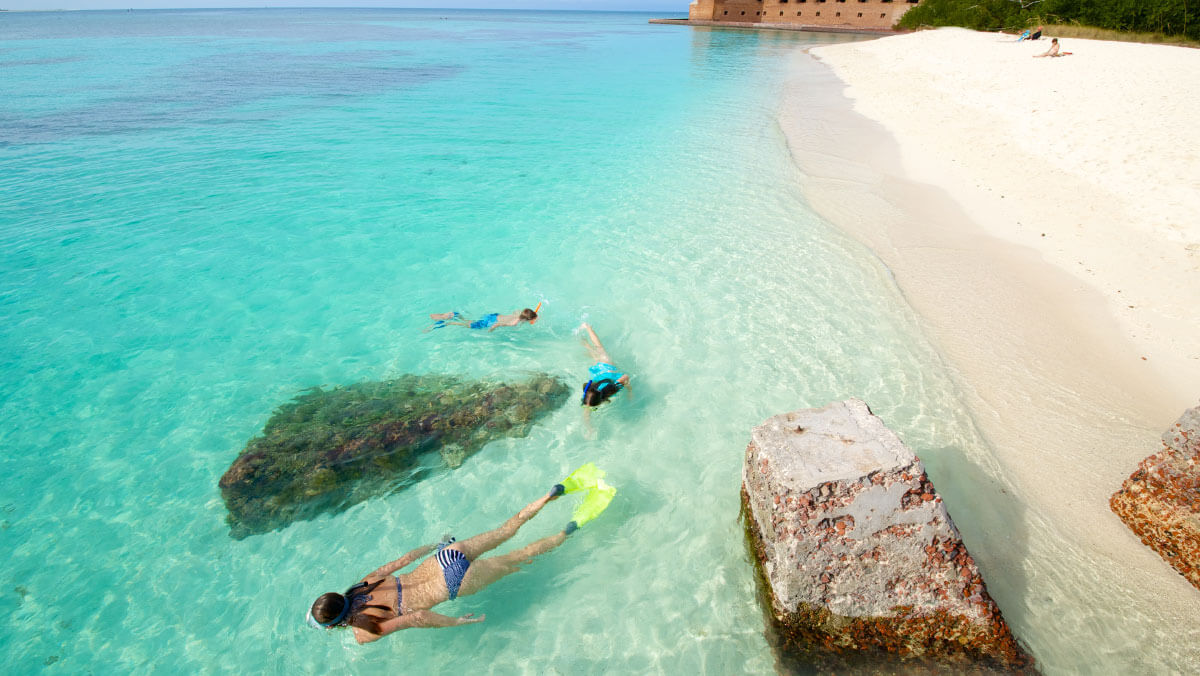
About 70 miles west of Key West, Dry Tortugas National Park unveils a remote snorkeling paradise surrounded by crystal-clear Gulf waters. Accessible only by seaplane or ferry, it offers an unspoiled escape where coral heads, sponges, and tropical fish flourish around historic Fort Jefferson. The shallow reefs near Garden Key make this spot perfect for beginners, while more adventurous snorkelers can explore the moat wall and surrounding seagrass beds teeming with queen conchs and sea turtles. Visibility often exceeds 100 feet, revealing an underwater realm untouched by crowds. The fort’s walls create calm, protected coves ideal for relaxed exploration, and the remoteness ensures wildlife thrives in abundance. Vibrant parrotfish, angelfish, and damselfish dart among corals in a spectacular display of color. With no commercial development or noise pollution, this park delivers pure tranquility and natural wonder. Bring gear and sunscreen—facilities are minimal but the experience is world-class. Whether snorkeling near the historic fortress or along Loggerhead Key’s coral formations, visitors experience Florida’s marine ecosystem at its most pristine. Dry Tortugas stands out as one of the most exclusive and rewarding snorkeling destinations in the state, offering beauty that feels truly untouched.
Ginnie Springs (High Springs)
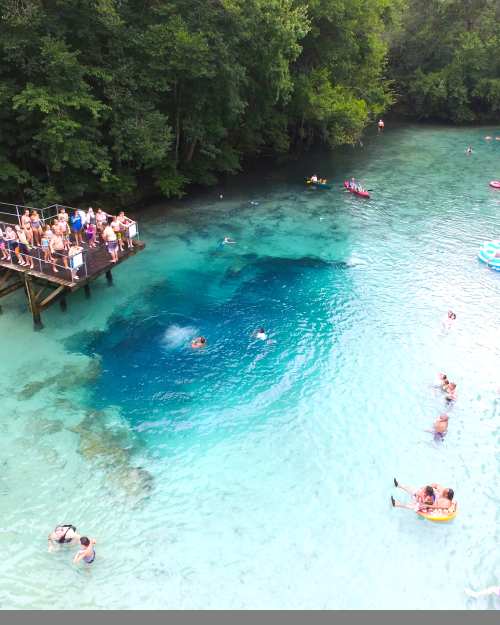
In North Florida, Ginnie Springs presents a freshwater snorkeling experience unlike any coastal reef. Its crystal-clear springs maintain a constant 72°F year-round, offering incredible visibility that reveals limestone caverns and shimmering aquatic plants below the surface. Snorkelers often drift along the Santa Fe River, where bubbling springs feed into deep blue pools surrounded by lush greenery. The clarity rivals that of tropical destinations, making underwater photography spectacular. While you won’t find coral reefs here, schools of freshwater fish, turtles, and even playful otters add unique charm to the adventure. Floating through Ginnie’s interconnected springs—such as Devil’s Eye and Devil’s Ear—feels serene and rejuvenating. Visitors enjoy the gentle current and peaceful natural surroundings, ideal for families and beginners. Equipment rentals and picnic areas make it easy to spend an entire day enjoying both land and water. The blend of calm waters and vivid underwater scenes creates a magical, mirror-like world beneath the surface. Ginnie Springs remains a hidden gem for those who prefer clear freshwater exploration over the ocean’s salt and waves. For nature lovers seeking relaxation with unforgettable visibility, this High Springs destination promises pure Florida beauty and tranquility.
Biscayne National Park (Near Miami)
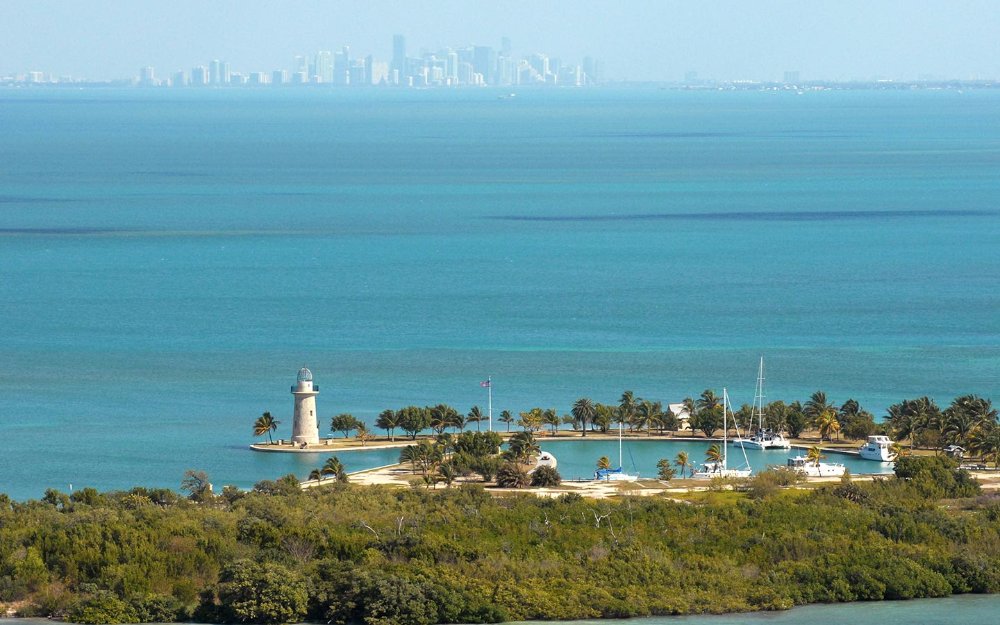
Just a short drive from downtown Miami, Biscayne National Park immerses snorkelers in a tropical underwater world rich with coral reefs, mangrove shorelines, and seagrass meadows. Nearly 95% of the park lies underwater, offering some of South Florida’s most diverse marine ecosystems. Guided boat tours take visitors to offshore reefs like Mandalay and Anniversary Reef, where sponges, coral fans, and schools of vibrant fish create mesmerizing scenery. The park also features intriguing shipwrecks along the Maritime Heritage Trail, ideal for those who enjoy combining history with exploration. Calm, warm waters and high visibility make Biscayne perfect for snorkelers of all levels. You might encounter lobsters hiding under coral ledges or rays gliding effortlessly over sandy bottoms. The nearby islands, such as Elliott Key, add opportunities for picnicking and kayaking between snorkel sessions. Unlike crowded beaches, Biscayne’s serenity and protected waters preserve its ecological richness. Each outing feels like a private journey through a living aquarium. With easy access from Miami yet a world apart in atmosphere, Biscayne National Park delivers a unique blend of marine biodiversity, adventure, and relaxation that makes it one of Florida’s most accessible and awe-inspiring snorkeling destinations.
Looe Key Reef (Florida Keys)

Looe Key Reef, located off Big Pine Key, is celebrated for its striking coral formations and abundant marine life. As part of the Florida Keys National Marine Sanctuary, it features an intricate reef structure shaped like an atoll, teeming with tropical fish and colorful corals. The shallow areas are perfect for snorkelers, providing close encounters with parrotfish, sergeant majors, and butterflyfish darting among the coral towers. Deeper sections attract divers, but snorkelers can still experience dazzling underwater views with crystal-clear visibility. The reef’s protection ensures healthy coral growth, with vibrant elkhorn and brain corals dominating the landscape. Boat tours depart daily, offering guided excursions with gear included and helpful marine education. Calm waters and mild currents make it an ideal family-friendly outing. Visitors often spot spotted eagle rays and barracudas gliding through open channels, while the sunlight filtering through the water highlights the coral’s radiant hues. The reef’s unique ecosystem supports over 150 species of fish, making every snorkel session distinct and rewarding. Looe Key’s balance of accessibility and ecological richness makes it one of Florida’s premier snorkeling destinations, where every moment beneath the surface feels alive with color and motion.
Phil Foster Park / Blue Heron Bridge (Palm Beach County)
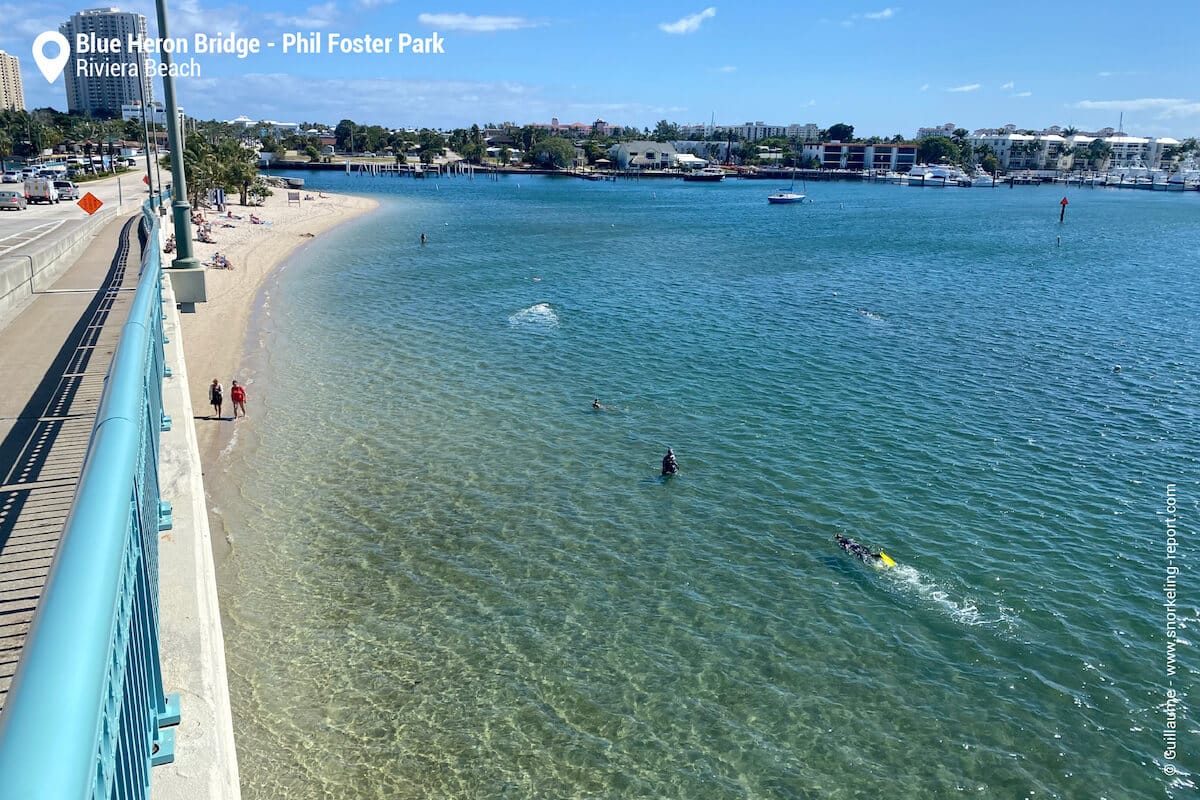
Phil Foster Park / Blue Heron Bridge (Palm Beach County)
Nestled under the Blue Heron Bridge, this Palm Beach County gem delivers an exceptional shore-snorkeling experience that rivals any reef. Shallow waters, usually between six and ten feet deep, reveal an incredible array of marine life thanks to the bridge’s pilings and artificial reefs. Snorkelers frequently encounter octopuses, seahorses, angelfish, and even small rays gliding along the sandy bottom. The site’s accessibility and rich biodiversity have made it a favorite among underwater photographers. Because tidal changes affect visibility, the best time to snorkel is during slack high tide when the water is clearest. A designated snorkel trail dotted with man-made reef structures enhances exploration and supports coral growth. Families appreciate the easy beach access, calm conditions, and lifeguard presence. Even without a boat, visitors can witness Florida’s coastal marine life up close within minutes of arriving. The variety of species—ranging from tropical fish to starfish and sponges—makes every visit different. With educational signage, rental options nearby, and its convenient location in Riviera Beach, Phil Foster Park offers one of the state’s best urban snorkeling experiences. It’s proof that world-class underwater adventures can exist just steps from the shore.
St. Andrews State Park (Panhandle Gulf Coast)
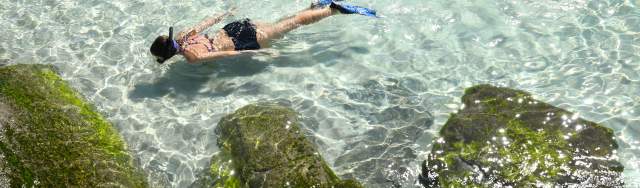
Situated near Panama City Beach, St. Andrews State Park offers a vibrant snorkeling environment where the Gulf meets St. Andrews Bay. Its rock jetties create calm, protected waters that attract tropical fish, crabs, and sea urchins. The clarity of the water and gentle current make it ideal for beginners and families, especially along the lagoon side. Schools of colorful sergeant majors and damselfish dance through the sunlight, while hermit crabs scuttle over rocks below. Visibility is often excellent, particularly on calm days with minimal surf. Beyond the water, pristine white sand beaches and coastal dunes offer perfect spots for relaxing after snorkeling. Equipment rentals are available seasonally, and guided eco-tours highlight the area’s marine ecosystems. Dolphins and rays are occasionally spotted near the jetty channel, adding excitement to each outing. The mix of accessible shore snorkeling and natural scenery makes St. Andrews one of North Florida’s standout snorkeling destinations. The park’s balance of recreation, wildlife, and coastal beauty ensures a rewarding visit for anyone exploring the Panhandle’s aquatic treasures. Whether floating along the jetty or exploring nearshore reefs, you’ll discover vibrant marine life thriving in crystal Gulf waters.
Alligator Reef Lighthouse Area (Islamorada)

South of Islamorada, the Alligator Reef Lighthouse marks one of the most breathtaking snorkeling locations in the Florida Keys. Named after the USS Alligator shipwreck, this area shelters a flourishing coral ecosystem within shallow waters just 20 feet deep. The historic lighthouse stands sentinel over crystal-clear seas filled with colorful parrotfish, snappers, and angelfish weaving through elkhorn and star corals. Calm currents and exceptional visibility create ideal conditions for exploring the reef’s intricate formations. The site’s protected status keeps marine life thriving, and frequent encounters with sea turtles and rays add thrill to every swim. Tour operators from Islamorada offer half-day snorkeling trips that include gear and guidance for beginners. The calm, clear environment ensures safety and enjoyment for families and solo travelers alike. Sunlight filtering through the turquoise water enhances every coral detail, creating a vibrant, almost surreal underwater landscape. Because motorized activity is restricted, the serenity amplifies the natural wonder. Alligator Reef combines historical significance, accessibility, and pure natural beauty in one remarkable snorkeling site. Its reputation among locals and visitors alike continues to grow as a must-see destination for anyone exploring the underwater majesty of the Florida Keys.
Sombrero Reef / Marathon (Middle Keys)

Off the coast of Marathon, Sombrero Reef dazzles with its coral-laden landscapes and abundant marine life. Its namesake Sombrero Key Lighthouse rises above the turquoise sea, marking the entrance to one of the Keys’ most popular reef systems. The shallow waters—typically 10 to 25 feet deep—offer perfect visibility for spotting angelfish, blue tangs, and barracudas weaving through coral towers. Brilliant elkhorn and brain corals dominate the scene, forming a living tapestry beneath the waves. Local tour operators provide guided snorkeling excursions complete with gear and educational insights about reef preservation. The area’s calm seas and protected marine zone ensure safe conditions even for first-time snorkelers. Many describe the reef as a living garden of color, where sunlight dances through the water, illuminating coral fans and sea plumes. Conservation measures have helped maintain its biodiversity, making it one of the healthiest reef systems in the Keys. Visitors often combine snorkeling with boating or picnicking on nearby sandbars. Whether floating quietly over coral gardens or exploring near the lighthouse, Sombrero Reef delivers an unforgettable marine experience. It captures the true spirit of the Florida Keys—vivid, serene, and alive with underwater life.
Red Reef Park (Boca Raton)

Situated along Boca Raton’s scenic coastline, Red Reef Park provides one of South Florida’s best beach-access snorkeling experiences. The nearshore artificial reef lies just 50 feet from the sand, allowing snorkelers to step right into clear waters filled with angelfish, sergeant majors, and colorful wrasses. The reef structures attract a remarkable variety of marine life, making each swim engaging and easy to enjoy without a boat. Lifeguards monitor the area, ensuring safe conditions for families and beginners. During calm seas, visibility often exceeds expectations, revealing intricate coral formations and small crustaceans hiding among rocks. The park’s location between Gumbo Limbo Nature Center and the Atlantic Ocean adds ecological depth, with educational trails and turtle nesting sites nearby. Picnic pavilions and shaded areas make it easy to spend a full day enjoying both land and sea. The reef’s accessibility makes it perfect for spontaneous snorkeling sessions or planned family outings. With parking, facilities, and lifeguards steps away, Red Reef Park blends convenience with natural beauty. This coastal sanctuary demonstrates that outstanding marine experiences can thrive right beside urban comfort, offering a quick yet fulfilling gateway into Florida’s underwater world.
Coral Cove Park (Tequesta / Jupiter Area)

Coral Cove Park, located in northern Palm Beach County, offers a fantastic snorkeling escape along Florida’s Atlantic coast. Unique limestone rock formations create natural reef structures teeming with fish, lobsters, and sea urchins. Shallow depths make it ideal for casual snorkelers, while the mix of sandy patches and rocky ledges keeps the underwater scenery diverse and visually stunning. Calm conditions prevail in the morning, especially during low tide when marine activity peaks. Snorkelers often encounter angelfish, parrotfish, and even juvenile sea turtles exploring crevices between rocks. Because the park sits within a protected coastal zone, the ecosystem remains vibrant year-round. Beach facilities—including showers, restrooms, and shaded areas—enhance comfort for day trips. The striking contrast of turquoise water against rugged rock adds to its scenic charm. Nearby Jupiter Inlet provides additional exploration opportunities for those wanting extended marine adventures. With easy beach access and uncrowded waters, Coral Cove Park appeals to both locals and visitors seeking authentic snorkeling away from heavy tourist traffic. Its blend of geological beauty and marine diversity makes it a hidden coastal gem that perfectly captures Florida’s natural coastal allure.
Fort Zachary Taylor State Park (Key West)

At the southern tip of Key West, Fort Zachary Taylor State Park combines history and marine adventure in one remarkable setting. Its calm, clear waters host one of the island’s top snorkeling beaches, where coral rock formations attract tropical fish and sponges just offshore. The blend of natural reefs and man-made rock piles creates habitats for angelfish, yellowtail snapper, and the occasional barracuda. Visibility is excellent, especially during early morning or late afternoon hours. The park’s beach facilities, shaded picnic areas, and proximity to Fort Taylor’s Civil War-era structure make it ideal for a full day of exploration. Snorkeling requires no boat—simply swim a short distance from the shore to encounter thriving marine life. The tranquil setting appeals to families and solo travelers alike, offering a balanced mix of recreation and relaxation. Visitors appreciate the combination of historical tours, beachside lounging, and underwater discovery in one destination. As one of Key West’s most beloved outdoor spots, Fort Zachary Taylor continues to draw nature enthusiasts seeking colorful fish and serene waters. It perfectly captures the laid-back, tropical spirit of the Keys while offering one of Florida’s most accessible snorkeling experiences.