
Dark winter skies, low light pollution, and strong solar activity combine to create rare aurora sightings across parts of Britain. These events matter because they offer a bucket-list experience without flying to Iceland or Norway. Northern Scotland, remote islands, and northern coastlines provide the best odds when timing, weather, and geomagnetic forecasts align. For photographers, night-sky lovers, and curious travelers, understanding where and when to look turns chance into opportunity. This guide to the best places to see the Northern Lights in the UK explains regional hotspots, viewing seasons, forecast tools, and practical tips so readers can plan realistic trips.
Shetland’s Remote Clifftop Pull-Over Points
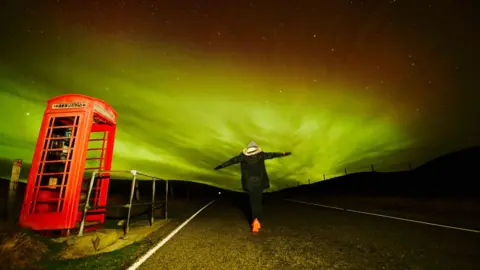
Atlantic gusts and uninterrupted northern horizons make Shetland’s roadside cliff pauses among the most reliable aurora-view pull-overs in the UK. These informal stopping points scatter along windswept coastal roads between Sumburgh, Eshaness, and Muckle Roe, where jagged sea stacks block coastal glare while leaving the magnetic north fully exposed. During geomagnetic storms, green arcs frequently rise above the North Sea, often mirrored by pale surf far below. Cold air, minimal humidity, and near-zero light pollution boost clarity even during moderate solar activity. Locals often track conditions using NOAA KP forecasts before driving to these exposed lay-bys after midnight. Patience is rewarded with moving curtains rather than static glows. Access remains simple even in winter when many remote Scottish regions become unreachable. Short gravel shoulders provide safe parking without blocking single-track roads. Warm layers and wind protection matter more than technical gear due to relentless coastal drafts. These cliffside halts deliver one of the purest northern sky experiences left in Britain, especially during equinox months when aurora frequency peaks across high latitudes.
Northumberland’s Hadrian Wall Dark Ridge Spots

High above Roman stonework and rolling Tyne valleys, scattered ridgeline positions along Hadrian’s Wall create rare inland aurora vantage points for northern England. These elevated stretches between Steel Rigg, Housesteads, and Cawfields eliminate lowland light pools while preserving expansive north-facing exposure. Ancient crags naturally shield headlights and distant settlements, producing dark-sky pockets unusual so far south. During strong geomagnetic conditions, faint green ribbons often rise behind drifting cloud bands, framed by frost-dusted turf and dry-stone remnants. Cold northerlies enhance visibility by clearing moisture from the air. Parking areas built for daytime walkers double as excellent overnight watching platforms during quiet winter hours. Footpaths from lay-bys reach exposed edges within minutes, allowing full-sky scanning without long hikes. Aurora hunters commonly arrive after 11 pm when tourism traffic vanishes. Red headlamps protect night vision while preserving safety on uneven ground. These ridge locations combine archaeological grandeur with northern-sky spectacle, offering one of England’s most unexpected natural night displays when solar storms intensify.
Isle of Lewis Hidden Moorland Lay-Bys

Peat-dark moors and isolated Atlantic shorelines shape the aurora potential across western Lewis, where scattered roadside recesses act as stealth viewing shelters. Low-lying villages withdraw inland, leaving broad coastal margins untouched by artificial glow. The island’s latitude rivals southern Norway, allowing aurora arcs to climb high during active solar cycles. Lay-bys near Uig, Callanish fringes, and the west-facing moor roads provide wide northern outlooks paired with horizon-length skies. Wind sweeps moisture offshore, sharpening star contrast even on colder nights. During solar peaks, shimmering green curtains often ripple between cloud gaps, sometimes stretching from horizon to zenith within minutes. Sheep fencing blocks headlight spill while keeping terrain secure. Locals monitor space weather forecasts daily during equinox months when displays intensify across the Hebrides. Stillness, long exposure patience, and thermal layers matter far more than extreme trekking skills. These moorland pull-ins remain among Scotland’s least crowded aurora locations, offering vast solitude beneath one of Britain’s clearest northern skies.
Cairngorms Quiet Ski-Road Switchbacks
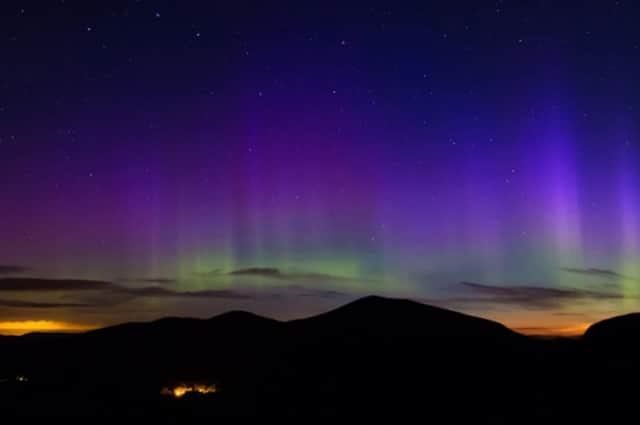
Rising into alpine terrain normally reserved for winter sport, quiet upper-road switchbacks in the Cairngorms form rare high-elevation aurora platforms well above surrounding valleys. Routes near Glenmore, upper Braemar approaches, and inactive ski-road climbs reach darkness levels impossible in populated lowlands. Snowpack often reflects faint aurora glow, amplifying visual intensity during winter storms. Cold continental air masses suppress haze, improving sharpness during geomagnetic surges. Turnouts along hairpin bends create safe standing zones where northern sightlines remain uninterrupted by forests. Spectral green bands frequently emerge during KP 5 or higher events, shifting rapidly across star-dense skies. Wind chill dominates these uplands, requiring full thermal gear even during brief stops. Road closures occasionally restrict access after heavy snowfall, making forecast timing essential. When conditions align, these switchbacks deliver some of the brightest inland aurora sightings in mainland Britain, rivaling northern coastal regions while remaining fully road-accessible during calm winter stretches.
Orkney’s Beach-Edge Sand Dunes With Wind Breaks
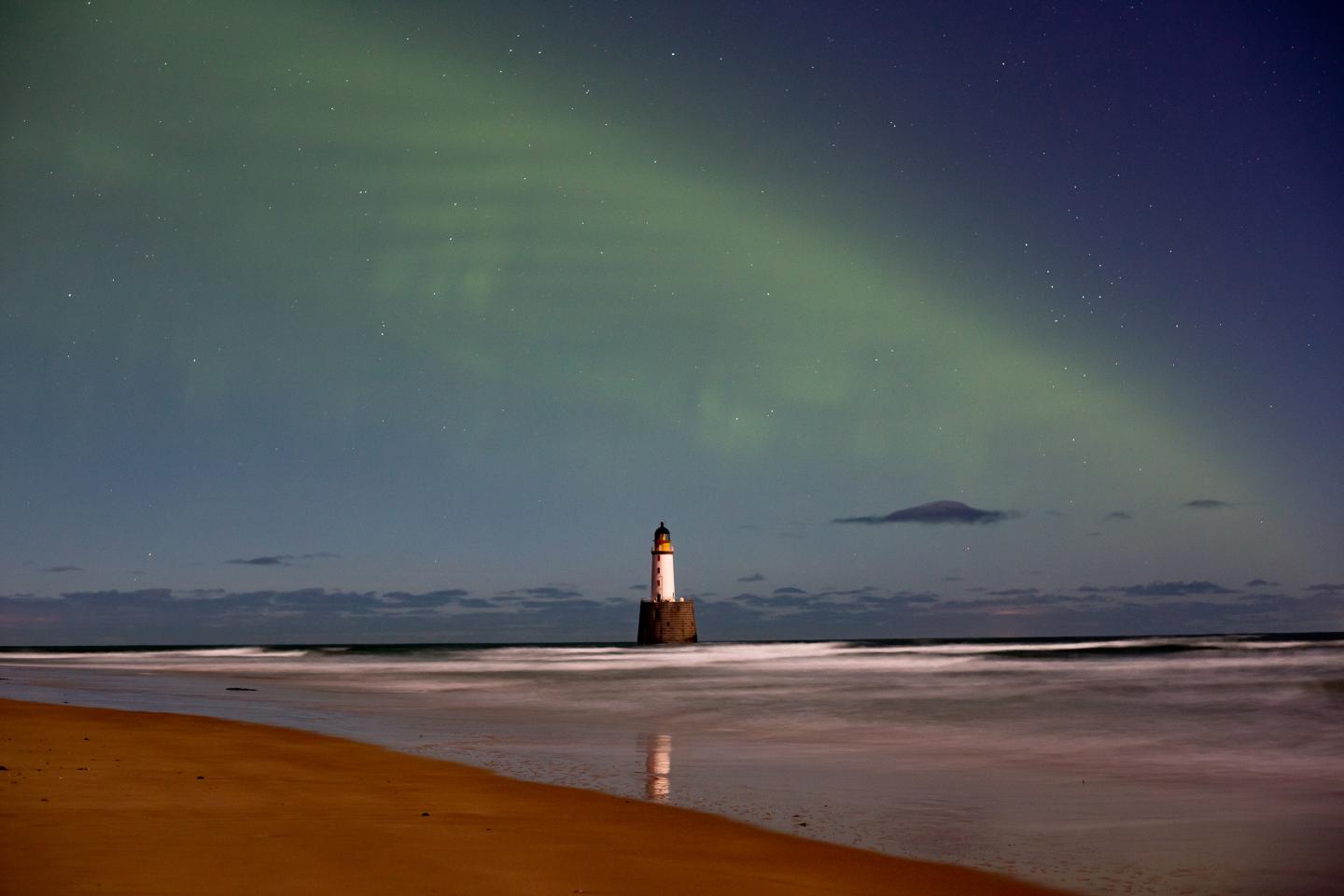
Wind-carved dune ridges and shallow Atlantic bays along Orkney’s northern coast create sheltered night-sky pockets beside open marine horizons. Wide sand systems near Birsay, Sandwick, and the Bay of Skaill naturally block surface glare while preserving uninterrupted northern exposure. These dune-backed lay-bys allow watchers to step down behind grassy banks for wind protection without sacrificing sky visibility. Orkney’s latitude places it squarely within frequent auroral reach, especially during solar maximum phases. Reflected moonlight off pale sand enhances visibility of weaker structures, making faint green glows easier to trace. Offshore cloud breaks often serve as projection screens for shifting aurora bands. Locals favor colder months when tourism fades and maritime air stabilizes. Vehicle access remains smooth even during winter gales, making these sites dependable when inland terrain becomes inaccessible. Stillness, layered clothing, and tripod stability ensure extended sessions beneath moving polar lights shaped by one of Britain’s most exposed northern shorelines.
Isle of Skye’s Mostly-Unknown Glen Pull-Ins
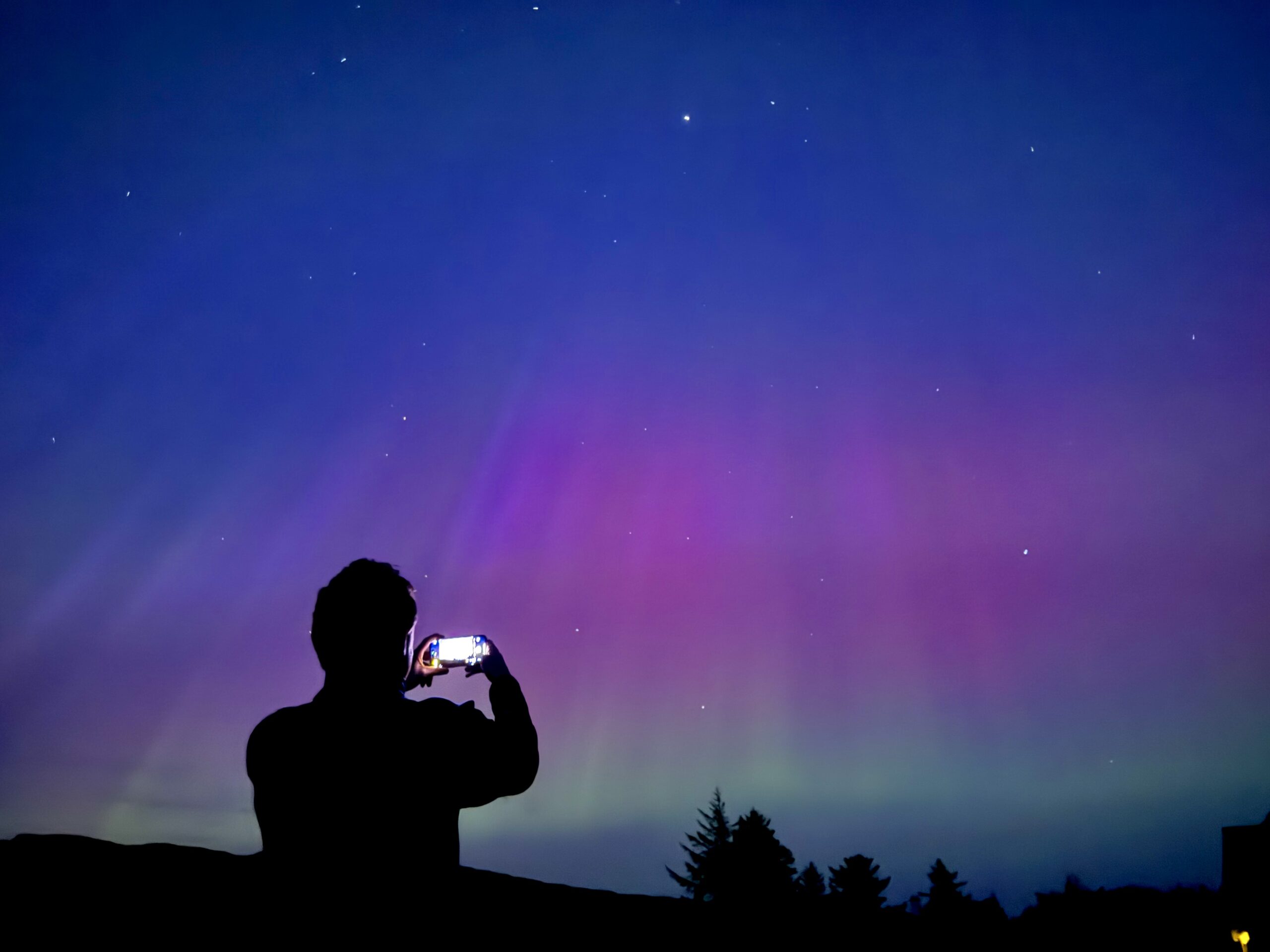
Mist-draped valleys and steep rock walls hide numerous roadside recesses across northern Skye where aurora activity regularly escapes notice. Backroads threading through glens near Staffin, Trotternish, and the eastern Cuillins offer deep darkness paired with expansive northern views beyond narrow valley mouths. Mountain silhouettes block stray settlement lighting while opening wide sky windows above sea-facing gaps. These pull-ins remain largely untouched by tour traffic after dusk, allowing quiet long-exposure viewing. Skye’s position beneath the auroral oval delivers frequent displays during moderate solar storms. Green arches commonly drift across cloud breaks, sometimes pulsing in waves above jagged ridgelines. Moist air rapidly clears after passing fronts, producing sudden high-contrast visibility. Ground frost improves light reflection without generating disruptive glare. Road shoulders provide safe stops without climbing steep terrain. With patience and accurate storm tracking, these hidden glen lay-bys reveal one of the island’s most dependable northern-light watching environments.
Durness Quiet Lakeside Jetty Corners
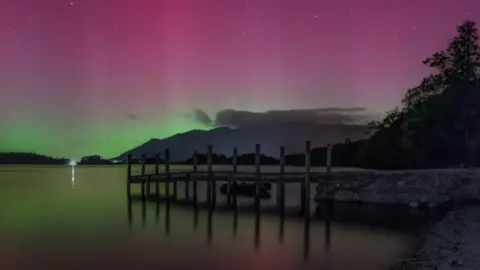
Far above Arctic Circle latitudes for mainland Britain, remote lochside clearings near Durness yield surprising aurora reflections across glass-dark freshwater. Small jetties along Loch Croispol and nearby inland water pockets provide dual-sky perspectives where green arcs ripple both above and below. Northern exposure remains uninterrupted by hills due to the region’s open tundra-like terrain. During winter geomagnetic events, pale auroral curtains shimmer beyond dune-backed beaches while mirror images dance across still lochs. Wind often calms late at night, creating perfect reflection symmetry. Access tracks remain driveable even outside summer months, making these platforms unusually reliable in harsh seasons. Headlights vanish entirely after evening fishing traffic ends, preserving night adaptation. Thermal comfort becomes the primary challenge rather than visibility limitations. These lakeside recesses combine coastal aurora frequency with inland reflection potential, producing rare double-sky compositions that rank among Scotland’s most photogenic northern-light settings.
Aberdeen’s Coastal Cliff-Top Grass Patches

Salt-laced headwinds and chalky grass terraces above Aberdeen’s northern coastline form natural aurora amphitheaters where city glow quickly dissolves into open sea darkness. Elevated margins along Balmedie, Newburgh, and the Ythan estuary cliffs offer north-facing drop-offs without overhead light interference. Offshore cloud banks often act as contrast backdrops for faint auroral glow during moderate storms. Arctic air surges sweep pollution away, sharpening visibility during winter geomagnetic peaks. These grassy plateaus allow safe standing well back from cliff edges while still preserving full sky width. Flickering green bands frequently hover above distant fishing boat silhouettes, producing layered depth rarely found in inland settings. Parking remains accessible year-round via coastal access roads. Wind protection improves slightly inland behind dune ridges. These cliff-top grass patches deliver one of northeast Scotland’s most dependable aurora viewing environments without requiring remote expedition logistics.
Isle of Mull’s Farm-Track Viewing Tunnels
Narrow agricultural lanes weaving through Mull’s interior hills hide occasional straight-line clearings where fences frame uninterrupted northern horizons. These quiet farm-track windows near Dervaig and the Sound of Mull offer remarkable isolation after nightfall. The island’s latitude regularly supports auroral activity during heightened solar cycles. Headlight absence preserves full night vision within minutes of arrival. Distant sea channels reflect faint color pulses back toward the hillsides. During calm geomagnetic storms, translucent curtains ripple silently between drifting cloud gaps. Moist Atlantic air quickly clears under northerly flow, stabilizing visibility for extended observation sessions. Gravel shoulders and field gates allow discreet parking without obstructing working farmland. Frost-coated pasture sometimes mirrors weak aurora tones beneath star-filled skies. With careful site selection and respectful land access, these viewing tunnels deliver unexpected northern-light experiences in landscapes better known for daylight wildlife and seascapes.
Galloway Forest Park’s Open-Sky Picnic Clearings

Vast conifer shadows and peat-clear meadow spaces across Galloway Forest Park provide some of southern Scotland’s darkest night-sky real estate. Open picnic clearings along forest service roads near Loch Trool and the Raiders Road corridor allow full northern exposure without overhead canopy obstruction. Galloway’s Dark Sky Park designation ensures long-term light suppression across massive distances. During stronger geomagnetic storms, aurora bands frequently extend far enough south to paint these clearings with pale green veils. Dry winter air enhances contrast between stars and sky structures. Frost often brightens ground surfaces without producing disruptive glare. Arrival after midnight removes even the faintest vehicle interference. These clearings provide safe flat observation zones ideal for extended sessions and wide-field photography. The combination of managed darkness and geographic position makes Galloway one of the UK’s most consistent mainland aurora fallback locations during active solar periods.
Moray Coast’s Harbor-Edge Lofty Platforms

Stone piers and raised harbor walkways along the Moray Firth create elevated vantage points where aurora reflections meet open marine skies. Quiet platforms near Lossiemouth, Hopeman, and Burghead offer direct northern exposure above dark tidal flats. Water surfaces magnify subtle color shifts during moderate geomagnetic events. Cold offshore winds strip cloud layers quickly, improving clarity without inland fog buildup. Fishing traffic fades early during winter nights, restoring total darkness along pier lines. These lofty edges allow sky scanning without shoreline obstruction. During stronger solar storms, rolling green bands often extend across the full width of the firth, occasionally blending with faint pink auroral edging. Light discipline remains essential due to reflective wet stone. These harbor-edge platforms deliver a rare blend of accessibility, elevation, and marine darkness, making them prime choices for aurora watching without leaving populated coastal corridors.
Yorkshire’s High Moors Paved View Shelters
High-altitude shelters scattered across Yorkshire’s northern moor roads provide one of England’s most reliable aurora fallback zones during intense solar storms. Stone-walled lay-bys and emergency pull-ins near Blakey Ridge and Chimney Bank eliminate valley light pools while maintaining open northward sightlines. Moorland peat absorbs stray glare, preserving deep sky contrast even under partial cloud cover. During KP 6 and above events, faint green curtains regularly stretch across the horizon behind drifting snow bands. Winter air clarity enhances star density and auroral definition. Roadside shelters offer wind breaks while still allowing 360-degree sky access for full scanning. Traffic drops sharply after late evening, restoring darkness within minutes. These exposed moors deliver rare England-based aurora opportunities when solar conditions intensify beyond typical southern reach.