
Music enthusiasts drawn to the legacy of The Beatles often look to the UK for meaningful places that shaped the band’s journey and global influence. From iconic recording sites to hometown landmarks tied to each member’s early life, these destinations offer fans a deeper connection to the stories behind the songs. Planning a trip around these historic spots helps travellers experience the cultural roots, creative milestones, and enduring spirit of the world’s most influential band. This guide highlights the best places to visit in the UK for Beatles fans, offering clarity, context, and practical value for your itinerary.
Abbey Road Crossing & Studios Mural Wall
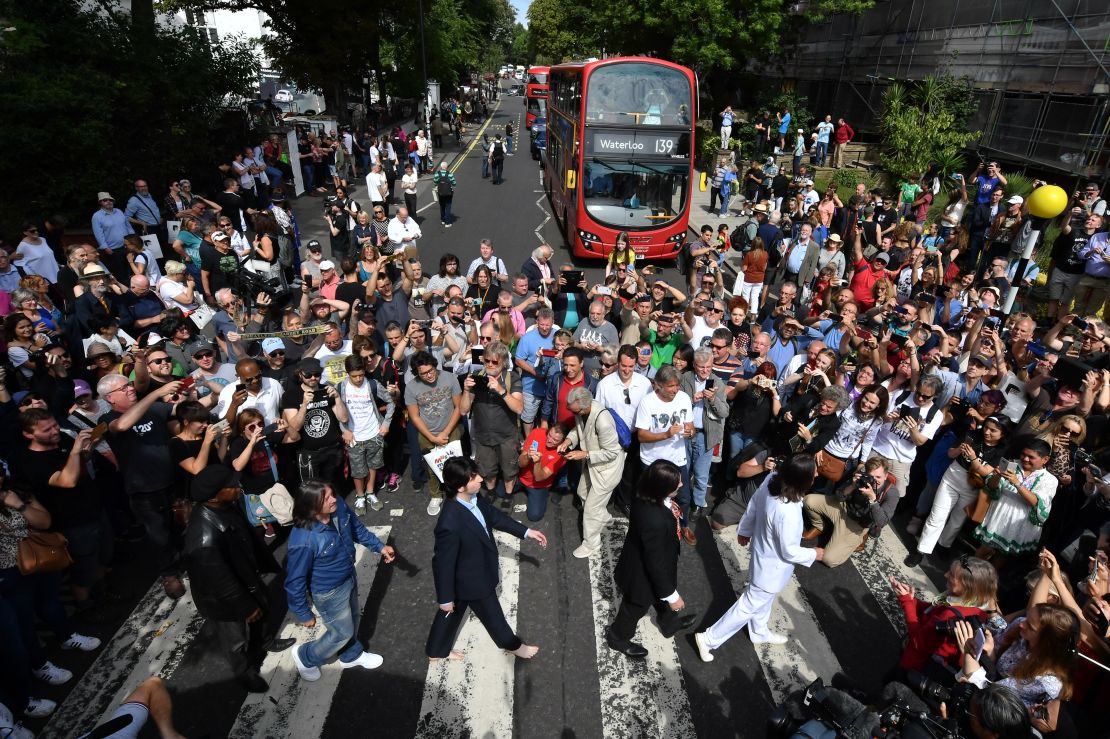
Visitors arriving at Abbey Road instantly feel the cultural weight that defines this London landmark. The famous zebra crossing continues to draw Beatles fans who want to walk the same steps captured on the 1969 album cover. While the crossing remains a public road, the constant flow of respectful enthusiasts keeps the atmosphere lively and nostalgic. A short distance away, the exterior of Abbey Road Studios offers another highlight: the mural wall where fans leave heartfelt messages. These handwritten notes, lyrics, and tributes change regularly, turning the wall into a living canvas of global admiration for the band. Although studio access is restricted, the shop beside the entrance provides memorabilia, archival prints, and rare items worth browsing. The surrounding St John’s Wood neighborhood also adds charm with quiet streets, cafés, and architecture that encourages visitors to linger. Photographers appreciate the natural lighting around the crossing, especially during early mornings when fewer cars pass through. Whether reenacting the iconic walk or exploring the studio’s legacy, the location delivers a balanced blend of history and emotion. For Beatles fans planning a UK itinerary, Abbey Road offers an essential, immersive moment connected directly to the band’s most recognized visual legacy.
Penny Lane Street Sign & Local Landmarks

Travelers exploring Penny Lane quickly realize how many lyrical references still exist within this Liverpool district. The original street sign, often repainted due to its popularity, stands as a central attraction where visitors pause for photos. Nearby, several locations mentioned in the song remain part of the community’s everyday life. Smithdown Place, known as the “roundabout,” features the shelter in the middle that inspired part of the lyrics. The barbershop, although updated, still displays elements connected to its musical fame, giving fans an authentic sense of place. Walking through the neighborhood reveals residential streets, cafés, and shops that preserve a warm, local character, making the area feel genuine rather than overly commercialized. Tour groups frequently stop here, but independent exploration allows more time to appreciate each detail. Informative plaques and local stories deepen the experience while helping visitors understand how everyday surroundings shaped Lennon and McCartney’s songwriting. The environment remains safe and easy to navigate, with plenty of transportation links nearby. For those seeking tangible pieces of Beatles history, Penny Lane delivers a meaningful combination of real-life landmarks and lyrical nostalgia. Each stop helps fans visualize the world that influenced the song and strengthens their connection to the band’s creative roots.
Strawberry Field Visitor Experience
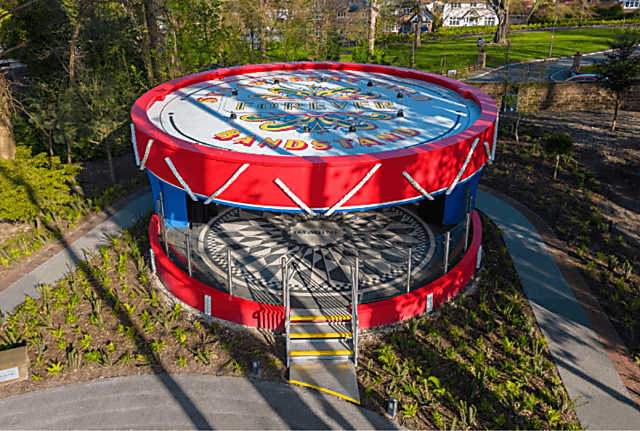
Visitors stepping into Strawberry Field discover a thoughtfully designed attraction that honors both Beatles history and the site’s broader social impact. The red gates, once closed to the public, now welcome guests into a tranquil space once frequented by a young John Lennon. Exhibits inside the main building use immersive audio, personal stories, and archival footage to explain how the former Salvation Army children’s home inspired “Strawberry Fields Forever.” The museum-style layout keeps the narrative clear, highlighting Lennon’s emotional connection to the grounds and the creativity that emerged from those memories. Outside, the peaceful gardens offer quiet walks, reflecting zones, and seating areas that encourage contemplation. Many visitors spend time here absorbing the calm atmosphere and considering how the site shaped Lennon’s imagination. The attraction also supports a vocational training program for young adults, adding meaningful purpose beyond tourism. The on-site café provides comfortable space for breaks, and the gift shop includes unique merchandise exclusive to Strawberry Field. Transport links from Liverpool city center make visiting straightforward, whether using public buses or ride-share options. As part of a larger Beatles-themed trip, Strawberry Field stands out for its thoughtful presentation, emotional depth, and well-maintained grounds that respect both history and community.
The Cavern Club Live Music Sessions
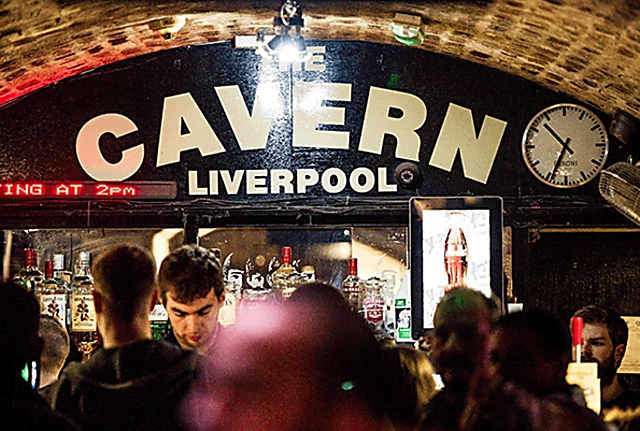
Music fans entering the Cavern Club often feel an immediate connection to Liverpool’s energetic live scene. The underground venue retains its original charm through arched brick walls, intimate lighting, and a close-up performance space that encourages audience engagement. While the structure has been rebuilt, the club still celebrates its legacy as the venue where The Beatles performed hundreds of early shows. Live sessions run throughout the day, featuring local musicians, tribute acts, and acoustic performers who keep the spirit of Merseybeat alive. Many visitors appreciate how the schedule includes both upbeat sets and relaxed afternoon performances, allowing people to choose the atmosphere that suits their plans. Informational displays around the venue highlight milestones from the club’s history, offering context between shows. The entrance fee varies depending on the time and event, but most sessions remain accessible and welcoming. Nearby, the Cavern Pub extends the experience with additional memorabilia and free live music. Photographs, plaques, and instruments displayed across both venues make the area feel like an open museum woven into everyday nightlife. Whether attending a daytime gig or an evening performance, the Cavern Club delivers an energetic tribute to Liverpool’s musical heritage and remains a must-visit stop for Beatles enthusiasts.
Beatles Story Museum at Albert Dock
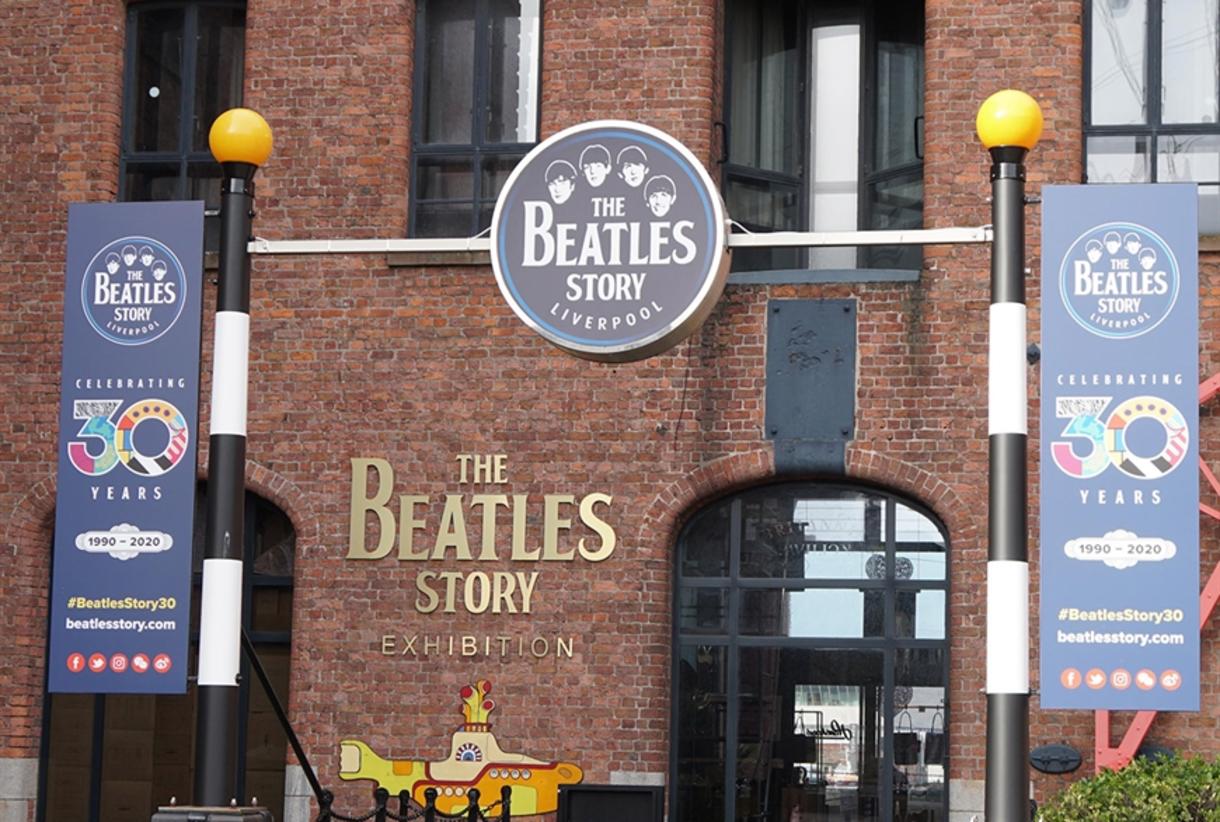
History enthusiasts visiting the Beatles Story Museum find an extensive, well-curated exhibition that traces the band’s journey from their early years to global fame. Located within Liverpool’s Albert Dock, the attraction uses atmospheric sets, detailed displays, and audio guides to create an engaging narrative. Each section highlights distinct phases of the band’s story, including Hamburg’s club scene, the rise of Beatlemania, and their groundbreaking studio years. Authentic artifacts, replica rooms, and personal accounts add depth, giving visitors a clear understanding of how their music evolved. The museum also includes dedicated exhibits for each band member, presenting individual influences, achievements, and personal backgrounds. The learning zone and temporary exhibitions rotate throughout the year, ensuring returning visitors always find fresh material. Families appreciate the blend of interactive elements and child-friendly activities, making the experience suitable for various age groups. Accessibility features, including step-free paths and audio support, ensure comfortable navigation. The gift shop offers officially licensed merchandise ranging from books to rare collector’s editions. Cafés and shops throughout Albert Dock make it easy to spend a full afternoon exploring the surrounding waterfront. For any Beatles fan seeking a comprehensive, thoughtfully arranged experience, the museum stands as an essential highlight in Liverpool.
Childhood Homes of John & Paul (National Trust Tours)

Exploring the childhood homes of John Lennon and Paul McCartney provides an intimate perspective on their early lives. Managed by the National Trust, these guided tours offer access to Mendips, Lennon’s former home, and 20 Forthlin Road, McCartney’s family residence. Each property has been restored to reflect its 1950s appearance, allowing visitors to step into rooms where early songwriting sessions once took place. Knowledgeable guides share family stories, personal habits, and anecdotes that illuminate how their upbringing shaped their musical path. The tours include small groups, ensuring a quiet, respectful environment. Photography restrictions inside preserve the authenticity of each room, but visitors often appreciate the unfiltered view of their domestic spaces. Transport to both houses is provided as part of the official tour, simplifying logistics for travelers unfamiliar with Liverpool’s suburbs. The surrounding neighborhoods remain peaceful, revealing the modest settings from which two major musical talents emerged. Many fans describe the experience as grounding, offering a rare glimpse into formative environments that influenced their creativity. For those seeking historical accuracy and emotional closeness to the band’s origins, these National Trust properties offer one of the most meaningful Beatles-related experiences in the UK.
Magical Mystery Bus Tour in Liverpool

Colorful storytelling defines the Magical Mystery Bus Tour, making it a lively option for visitors wanting a guided overview of key Beatles landmarks. The tour covers essential locations such as Penny Lane, Strawberry Field, the childhood homes, and various sites linked to the band’s early career. Knowledgeable guides offer a mix of historical facts, personal anecdotes, and local humor, creating an enjoyable journey through Liverpool’s musical landscape. The buses themselves, decorated in vibrant retro style, contribute to the playful atmosphere and provide comfortable seating throughout the route. Audio tracks and commentary highlight the significance of each stop, ensuring even first-time visitors understand the context behind each location. Tours typically last around two hours, offering an efficient way to visit several landmarks without arranging individual transport. Tickets include priority entrance to the Cavern Club, allowing travelers to extend their Beatles-themed experience the same day. Routes operate regularly, making scheduling easy, especially during weekends or peak travel periods. Clear signage and designated meeting points help visitors start the tour smoothly. For fans who want an entertaining, well-organized introduction to Liverpool’s Beatles heritage, the Magical Mystery Bus Tour delivers a memorable, fast-paced overview that balances information with lighthearted fun.
Eleanor Rigby Statue on Stanley Street
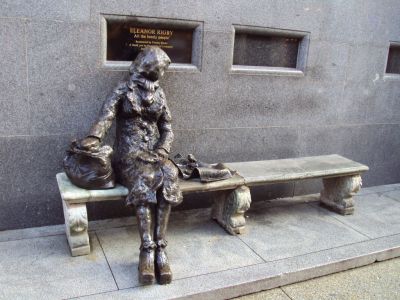
Visitors approaching the Eleanor Rigby statue on Stanley Street encounter a quietly expressive tribute created by sculptor Tommy Steele. The bronze figure depicts a solitary woman seated on a bench, symbolizing themes of loneliness and the overlooked individuals referenced in the song. Positioned in Liverpool’s city center, the statue is easy to reach and often becomes a reflective stop for fans exploring nearby attractions. Informational plaques offer context about both the sculpture and its donation to the city, adding depth to the experience. Many travelers take time to sit beside the statue, appreciating its emotional simplicity and the song’s broader message. The surrounding Cultural Quarter features independent cafés, street art, and accessible walkways, making the area pleasant for an unhurried visit. Photographers often enjoy capturing the statue from different angles due to its expressive posture and textured surface. While the stop is brief compared to larger attractions, it provides a meaningful moment that adds contrast to the more energetic locations on a Beatles-themed itinerary. Whether included between museum visits or as part of a walking route, the Eleanor Rigby statue offers a thoughtful reminder of the band’s ability to address universal themes with poetic clarity.
Hard Day’s Night Hotel Experience
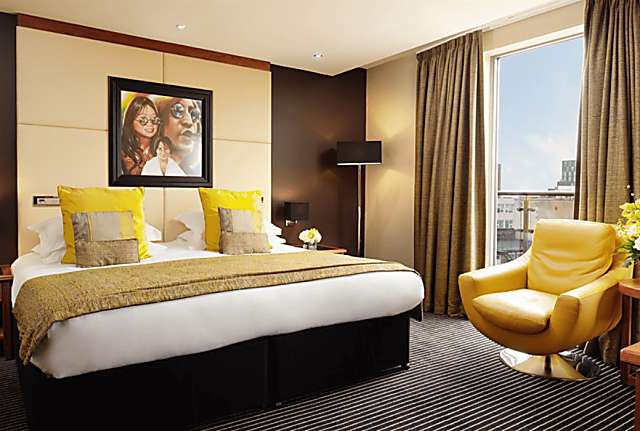
Guests staying at the Hard Day’s Night Hotel encounter a boutique environment infused with curated Beatles artwork and themed décor. Located near Liverpool’s Cavern Quarter, the hotel blends modern amenities with stylish references to the band’s legacy. Rooms feature photographic prints, lyric-inspired details, and subtle design elements that appeal to fans without feeling overly theatrical. Suites named after individual band members offer additional memorabilia, creating a premium experience for travelers seeking deeper immersion. Public spaces throughout the hotel showcase limited-edition pieces, sculptures, and framed historic moments. The in-house restaurant and bar provide convenient dining options, often complemented by live music or curated playlists that reinforce the theme. Staff members remain knowledgeable about local Beatles history, making the hotel a useful starting point for exploring nearby attractions. Its central location ensures guests can walk to the Cavern Club, Liverpool ONE, and various museums with ease. Many visitors appreciate the balance between comfort and themed presentation, noting that the hotel maintains a refined atmosphere while honoring the band’s cultural significance. For fans wanting both convenience and character during their stay, the Hard Day’s Night Hotel delivers an engaging blend of hospitality and musical heritage.
Liverpool College of Art & Surroundings

Exploring the Liverpool College of Art offers insight into John Lennon’s early artistic development and the creative environment that shaped his formative years. The building, part of the Liverpool Institute for Performing Arts campus, retains architectural details that reflect mid-20th-century educational design. While official tours of the interior are limited, the exterior remains a popular stop for fans tracing the band’s roots. Nearby streets feature cultural institutions, theatres, and historic pubs where art students once gathered, adding layers of context to the area. Visitors often appreciate the creative energy surrounding the campus, as murals, public sculptures, and performance venues highlight Liverpool’s commitment to the arts. Mount Street and Hope Street provide pleasant walking paths, connecting the college to landmarks such as the Philharmonic Dining Rooms and the Everyman Theatre. These spots offer additional insight into the social spaces frequented by creative communities during Lennon’s time. The neighborhood maintains a vibrant yet relaxed feel, making it easy for travelers to explore at their own pace. For those interested in understanding the artistic influences behind Lennon’s worldview, this area offers a compelling blend of educational heritage, cultural history, and atmospheric streets that reflect Liverpool’s long-standing artistic identity.
The Beatles’ Rooftop Concert Tribute in London (Savile Row)
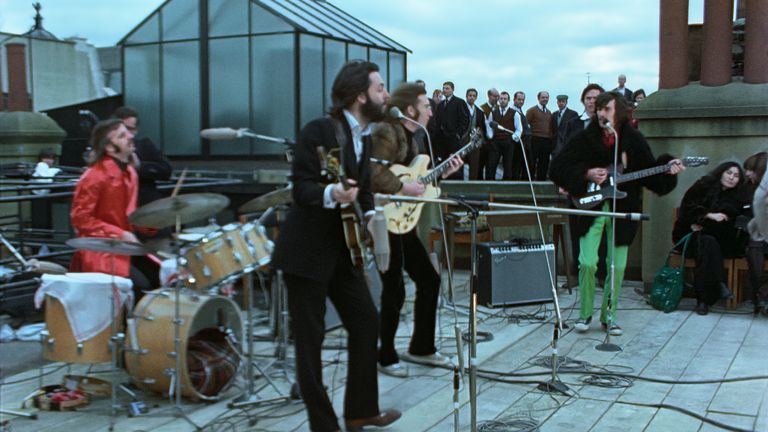
Standing outside 3 Savile Row allows fans to reflect on the location of the Beatles’ final live performance, often referred to as the rooftop concert. Although the original Apple Corps building is now a commercial property, the exterior remains recognizable and draws visitors interested in this pivotal moment in music history. Informational signs in the area summarize the significance of the 1969 event, which took place during the Let It Be sessions. The surrounding Mayfair neighborhood adds an elegant backdrop, with well-preserved architecture and quiet streets ideal for photographs. While rooftop access is not available, fans often enjoy listening to the concert recordings on-site to appreciate the atmosphere. Guided tours that include Savile Row provide additional insights into the band’s activities in London during this era. Nearby shopping streets, cafés, and galleries make it easy to extend the visit without straying far from the location. The stop remains brief yet impactful, especially for those seeking to connect with moments that shaped the band’s legacy. As part of a broader Beatles trail across London, Savile Row offers a thoughtful pause that commemorates the spontaneity and cultural influence of their final performance together.
Beatlemania Walking Trail Around Soho
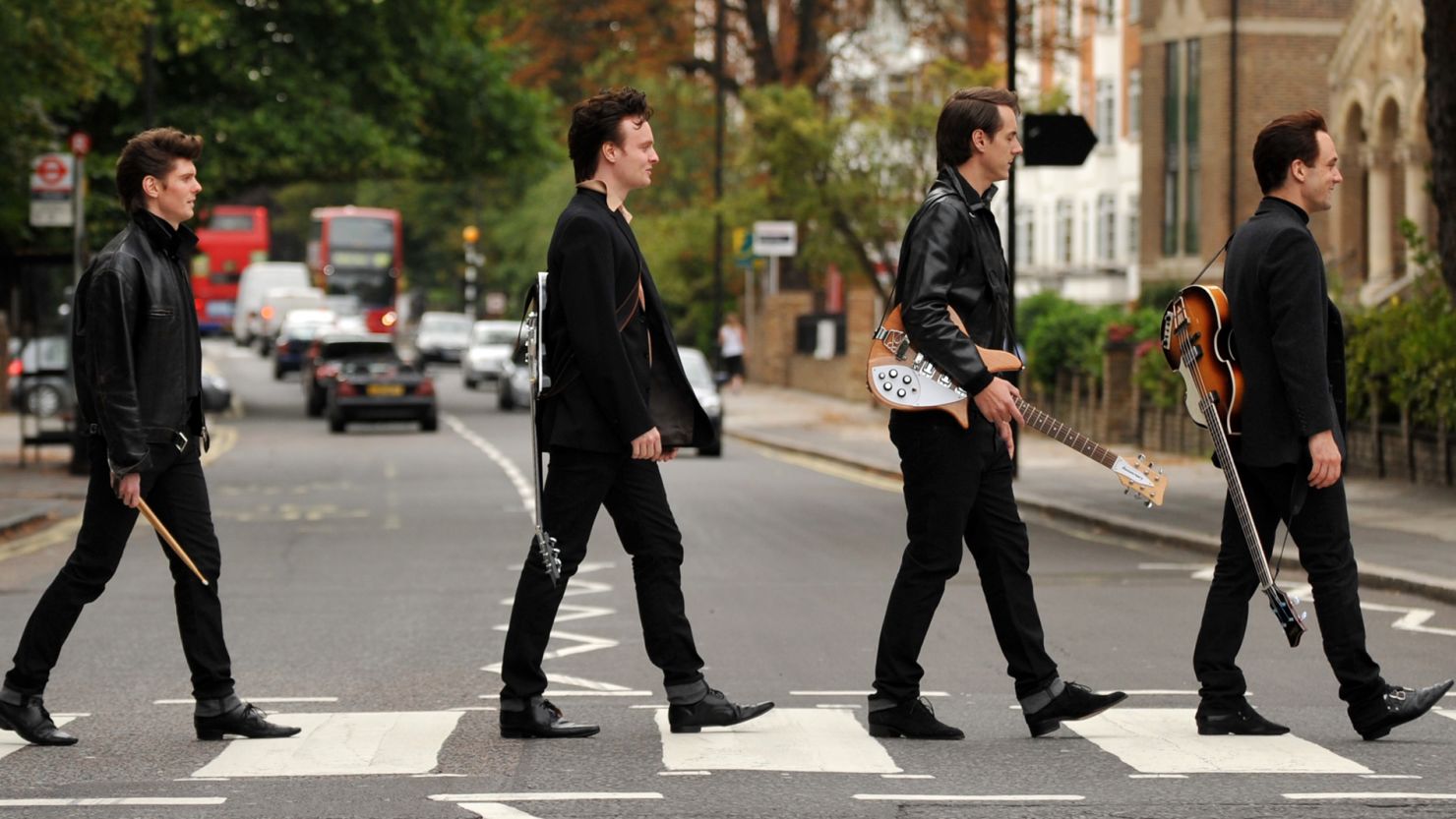
Walking through Soho reveals several sites linked to the height of Beatlemania and the band’s presence in London’s creative core. This lively district features venues, recording locations, and former offices associated with their 1960s rise. Fans exploring the area often begin near De Lane Lea Studios or Trident Studios, where the band recorded sessions that shaped later albums. Carnaby Street adds a vibrant touch, reflecting the fashion and youth culture movement that paralleled the Beatles’ global influence. Informational plaques scattered throughout Soho help visitors understand each location’s relevance without requiring a guided tour. The neighborhood’s narrow lanes, music shops, and independent cafés create an energetic backdrop for a self-paced walk. Many travelers enjoy discovering lesser-known details, such as restaurants the band visited or clubs tied to the wider London music scene. Nightlife remains active, offering live performances that echo the area’s long-standing creative identity. The route is flexible, allowing visitors to adjust the pace or add nearby points of interest. For Beatles fans wanting a mix of history, culture, and authentic city atmosphere, Soho’s walking trail provides a dynamic journey through places that once fueled London’s vibrant musical evolution.