
Scotland’s smaller communities reveal the country’s character through harbors, stone cottages, and long-held traditions shaped by landscape and weather. This guide spotlights villages and towns where everyday life, history, and scenery intersect, helping travelers look beyond major cities. Readers gain clarity on where to experience coastal walks, Highland settings, local food, and historic streets without heavy crowds. Practical planning context covers driving routes, seasonal access, and ideal stop lengths. Suitable for road trips and slow travel itineraries, the recommendations help prioritize places offering genuine atmosphere, cultural depth, and memorable encounters that reflect Scotland’s heritage in a more personal, unhurried way.
Plockton’s Palm-Lined Waterfront Charm
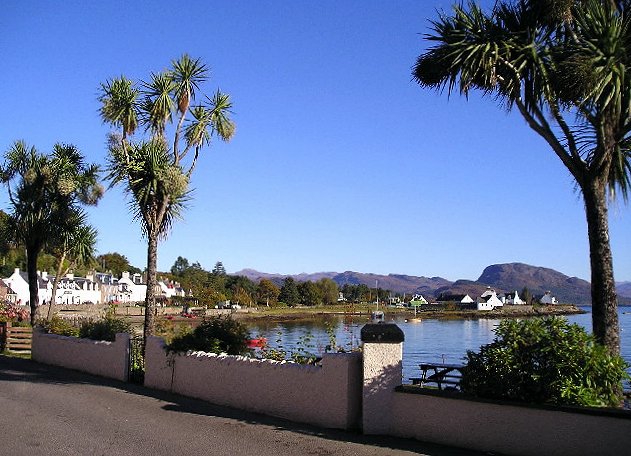
Warm Gulf Stream currents lend this Highland village an unexpected Mediterranean mood, visible in the palm trees edging Loch Carron. Gentle reflections ripple across the sheltered bay as fishing boats drift between pastel cottages and small guesthouses. Narrow lanes guide visitors toward viewpoints overlooking Applecross Peninsula, where light shifts constantly across the water. Fresh seafood features heavily on local menus, often sourced directly from nearby creel boats. Kayaking, short coastal walks, and wildlife spotting—particularly seals and seabirds—fill unhurried days. Railway access adds to the appeal, allowing scenic arrivals without a car. Evenings settle into calm stillness, with soft skies and quiet shorelines defining the experience. Plockton’s charm lies in balance: remote yet welcoming, dramatic yet soothing. Small galleries, cafés, and harborside benches encourage lingering rather than rushing. Seasonal festivals and local music nights reinforce a strong sense of community. Photographers value the interplay of palms, mountains, and water, while slow travelers appreciate how little effort is required to feel immersed. Few places in Scotland offer such a surprising blend of Highland ruggedness and coastal gentleness within such a compact, walkable setting.
Tobermory’s Color-Pop Harborfront

Curving around a sheltered bay on the Isle of Mull, this town greets visitors with a vivid row of waterfront buildings painted in bright, cheerful hues. Fishing boats, tour vessels, and yachts animate the harbor throughout the day, creating constant movement against calm waters. Independent shops, bakeries, and seafood cafés line the shore, making exploration easy on foot. Boat trips to nearby islands and wildlife hotspots depart regularly, offering chances to spot dolphins, eagles, and seals. Inland paths rise quickly toward hills with sweeping coastal views, adding variety to short stays. Local history weaves through the town via museums and restored structures that reflect maritime roots. Even busy summer days retain a relaxed rhythm, helped by friendly locals and compact distances. Sunset brings softer tones as reflections dance across the bay. Tobermory succeeds as both a practical base for exploring Mull and a destination in its own right. Its harborfront energy, paired with island calm, creates an instantly recognizable Scottish coastal experience.
Culross’ Frozen-in-Time Cobbled Lanes

Stone streets climb gently from the Firth of Forth, framed by ochre-colored buildings and centuries-old roofs. Daily life moves quietly here, allowing architectural details to stand out—crow-stepped gables, timber doors, and small gardens tucked behind walls. The village layout remains largely unchanged, offering a rare sense of continuity. Visitors wander between palace grounds, hillside paths, and shoreline views within minutes. Historic homes and modest museums provide insight into former prosperity built on trade and craftsmanship. Light filters beautifully through narrow lanes, rewarding slow exploration and photography. Seasonal flowers soften the stone-heavy landscape without disrupting its authenticity. Cafés and tearooms maintain traditional character while offering modern comfort. Culross appeals to travelers seeking depth rather than spectacle, where atmosphere matters more than attractions. Its preserved streetscape offers a clear window into Scotland’s past, making every short walk feel quietly meaningful and unforced.
Luss’ Floral-Trimmed Cottage Rows

Set beside Loch Lomond, this village presents postcard-perfect symmetry through stone cottages trimmed with colorful flowers. Manicured paths and well-kept gardens reflect strong community pride. The shoreline opens directly onto broad loch views, with Ben Lomond rising prominently beyond the water. Short walks lead from the pier to wooded trails, allowing varied scenery within a compact area. Boat cruises and paddle excursions provide alternate perspectives from the loch itself. Despite popularity, the setting remains calm outside peak hours, especially in early mornings. A small church, historic graves, and traditional architecture add layers of interest without overwhelming the landscape. Shops focus on local crafts and simple refreshments rather than mass tourism. Luss works particularly well for first-time visitors seeking classic Highland scenery without strenuous travel. Its combination of accessibility, visual harmony, and natural beauty explains its lasting appeal.
Crail’s Rustic Fishing Nook

Low stone buildings cluster around a small, weathered harbor on the East Neuk coast. Fishing heritage remains visible in boats, nets, and the rhythm of daily activity. Narrow streets curve gently toward the sea, offering glimpses of water between cottages. Fresh lobster and crab often appear on local menus, reflecting the village’s working roots. Coastal paths extend east and west, providing clifftop views and seabird sightings with minimal effort. Light changes quickly here, giving the harbor a different mood each hour. Independent bakeries and galleries add subtle modern touches without erasing tradition. Crail rewards visitors who appreciate understatement, where charm emerges through texture rather than scale. The village feels grounded and honest, shaped by the sea rather than reshaped for visitors.
Portnahaven’s Wildlife-Filled Bay

Located at the southern tip of Islay, this village faces open waters rich with marine life. White cottages arc around a sheltered bay, offering clear sightlines across shifting tides. Seals regularly haul out on nearby rocks, often visible from coastal paths. The pace remains slow, shaped by weather and light rather than schedules. Walks along the shoreline reveal cliffs, sea arches, and distant island silhouettes. Local life centers around the harbor, where boats and seabirds share space. Evenings bring dramatic skies and near-total quiet. Whisky distilleries elsewhere on the island draw crowds, yet Portnahaven retains a peaceful, residential feel. Travelers seeking solitude and nature connection find lasting value here. The setting emphasizes raw coastal beauty without distraction, making each moment feel grounded and authentic.
St Abbs’ Dramatic Clifftop Village

Perched above rugged North Sea cliffs, this village combines visual drama with strong conservation values. Coastal paths trace the headlands, offering expansive views and frequent seabird encounters. The harbor below shelters small boats and divers drawn by clear waters and rich marine habitats. Colorful cottages cluster near the shore, contrasting sharply with surrounding rock and sea. Interpretive centers and marked trails support responsible exploration. Despite exposed positioning, the atmosphere feels welcoming rather than harsh. Seasonal wildflowers soften cliff edges during warmer months. St Abbs appeals to walkers, photographers, and nature-focused travelers seeking active engagement. Its combination of protected landscapes and lived-in community creates a setting that feels both purposeful and scenic.
Dunkeld’s Storybook Bridge & Riverfront
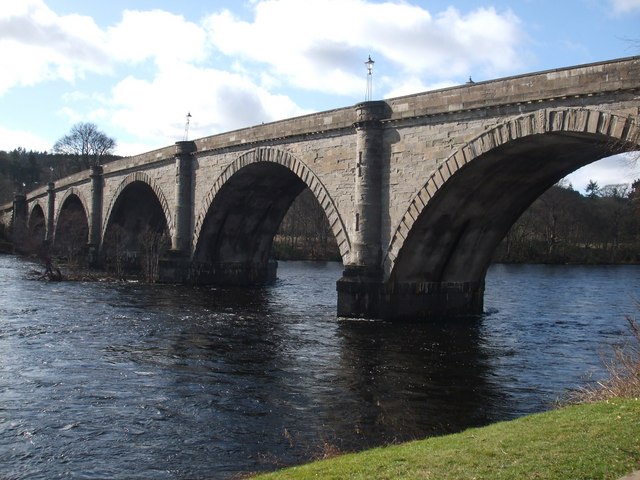
Straddling the River Tay, this town balances woodland calm with architectural interest. A graceful stone bridge anchors views upstream and downstream, linking paths on both banks. Cathedral grounds and mature trees create a sense of enclosure near the water. Trails extend into nearby forests, offering accessible walks with varied terrain. Independent shops and cafés cluster close to the river, encouraging relaxed exploration. Seasonal color changes dramatically enhance the setting, particularly in autumn. Dunkeld functions well as a base for Perthshire exploration while remaining rewarding on its own. The combination of river movement, historic structures, and surrounding nature gives the town a layered, timeless feel.
Falkland’s Royal Market Square
Set against rolling Fife hills, daily life here revolves around a historic square that once hosted markets, proclamations, and royal visits. Stone buildings with slate roofs frame the open space, creating a balanced and dignified atmosphere that reflects centuries of civic importance. Narrow streets lead outward toward Falkland Palace, where formal gardens and wooded paths introduce a quieter, contemplative rhythm. Independent cafés, bakeries, and craft shops occupy restored interiors, offering comfort without disrupting historical continuity. The village layout encourages wandering, with short walks revealing viewpoints across the Lomond Hills. Seasonal events and local gatherings maintain a lived-in feel rather than a staged one. Falkland’s appeal lies in cohesion—architecture, history, and landscape align naturally. Visitors gain insight into Scotland’s royal past while enjoying an approachable, walkable setting. Calm streets, consistent stonework, and surrounding greenery create an environment that feels authentic and enduring, rewarding those who value heritage presented without excess or spectacle.
Pennan’s One-Street Oceanfront Beauty

Pressed tightly between steep cliffs and the Moray Firth, this coastal settlement follows a single curving road that mirrors the shoreline. Stone cottages face directly toward open water, placing the sea at the center of everyday experience. Waves, wind, and shifting light dictate the village mood, changing dramatically throughout the day. Steps lead straight from doorways to the shore, reinforcing a close relationship with the coast. Elevated paths above the village offer sweeping views back across rooftops and out toward distant horizons. Silence dominates outside occasional passing vehicles, heightening the sense of isolation. Pennan’s charm comes from restraint—no unnecessary expansion, no distractions beyond landscape and weather. Visitors drawn here tend to value simplicity and strong visual identity. The village leaves a lasting impression through clarity of setting and scale, offering an uncompromising example of life shaped entirely by the sea.
Pittenweem’s Artist-Friendly Seaside Lanes

Creativity blends seamlessly with fishing heritage in this lively East Neuk village. Working boats still occupy the harbor, while studios, galleries, and workshops fill surrounding lanes. Tight streets curve between stone buildings, opening unexpectedly toward sea views and small courtyards. Artistic activity feels integrated rather than imposed, supported by long-standing community involvement. Annual open-studio events attract visitors without overwhelming local rhythm. Coastal paths connect Pittenweem to neighboring villages, encouraging exploration by foot along dramatic shorelines. Cafés and small shops provide informal gathering points for residents and travelers alike. The village atmosphere remains active yet grounded, balancing productivity with creativity. Pittenweem appeals to those interested in contemporary culture rooted firmly in place. Its lanes reward slow discovery, where working harbors, art spaces, and daily routines coexist naturally within a compact, walkable environment.
Inveraray’s Black-and-White Georgian Symmetry
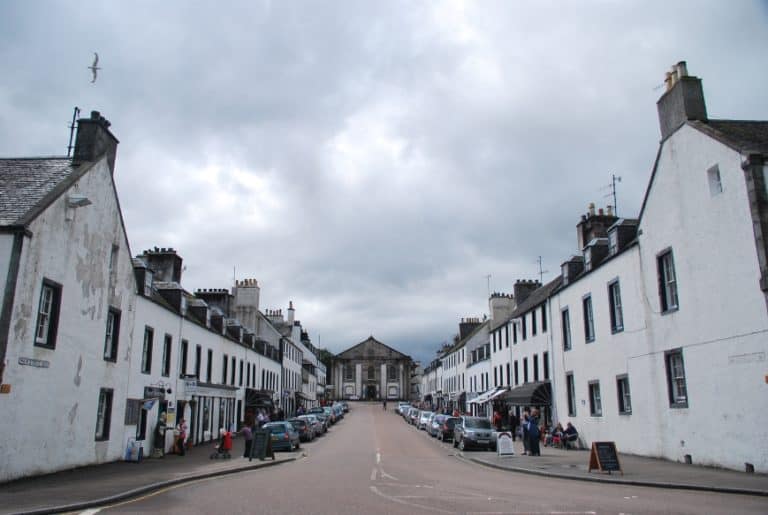
Strong visual order defines this lochside town, where uniform Georgian buildings line broad streets in deliberate alignment. Black-and-white façades create striking contrast against surrounding greenery, mountains, and the waters of Loch Fyne. The town’s planned layout provides clarity and ease of navigation, enhancing its refined character. A prominent castle anchors historical identity, while waterfront paths introduce softer, scenic elements. Museums, shops, and cafés fit neatly within the architectural framework, maintaining consistency throughout the town center. Views extend easily from streets toward water and hills, reinforcing a sense of openness despite formal design. Inveraray appeals to travelers who appreciate structure balanced by landscape. Its elegance feels purposeful rather than ornamental, presenting heritage through proportion and repetition. The result is a town that communicates its identity instantly—orderly, dignified, and closely tied to its natural setting.