
Shaped by shifting tides and centuries of maritime history, the UK’s tidal islands offer access that feels rare and time-bound. This guide highlights standout islands reachable by causeway or sands, where timing, safety, and local conditions matter as much as scenery. Readers gain clarity on tide tables, crossing windows, parking logistics, and seasonal risks, supporting confident planning. Practical context covers walking routes, heritage sites, wildlife interest, and photography considerations. Ideal for coastal explorers and short-break travelers, the recommendations help prioritize islands that combine dramatic settings with safe access, ensuring visits remain memorable for the right reasons rather than rushed or risky.
St. Michael’s Mount, Cornwall
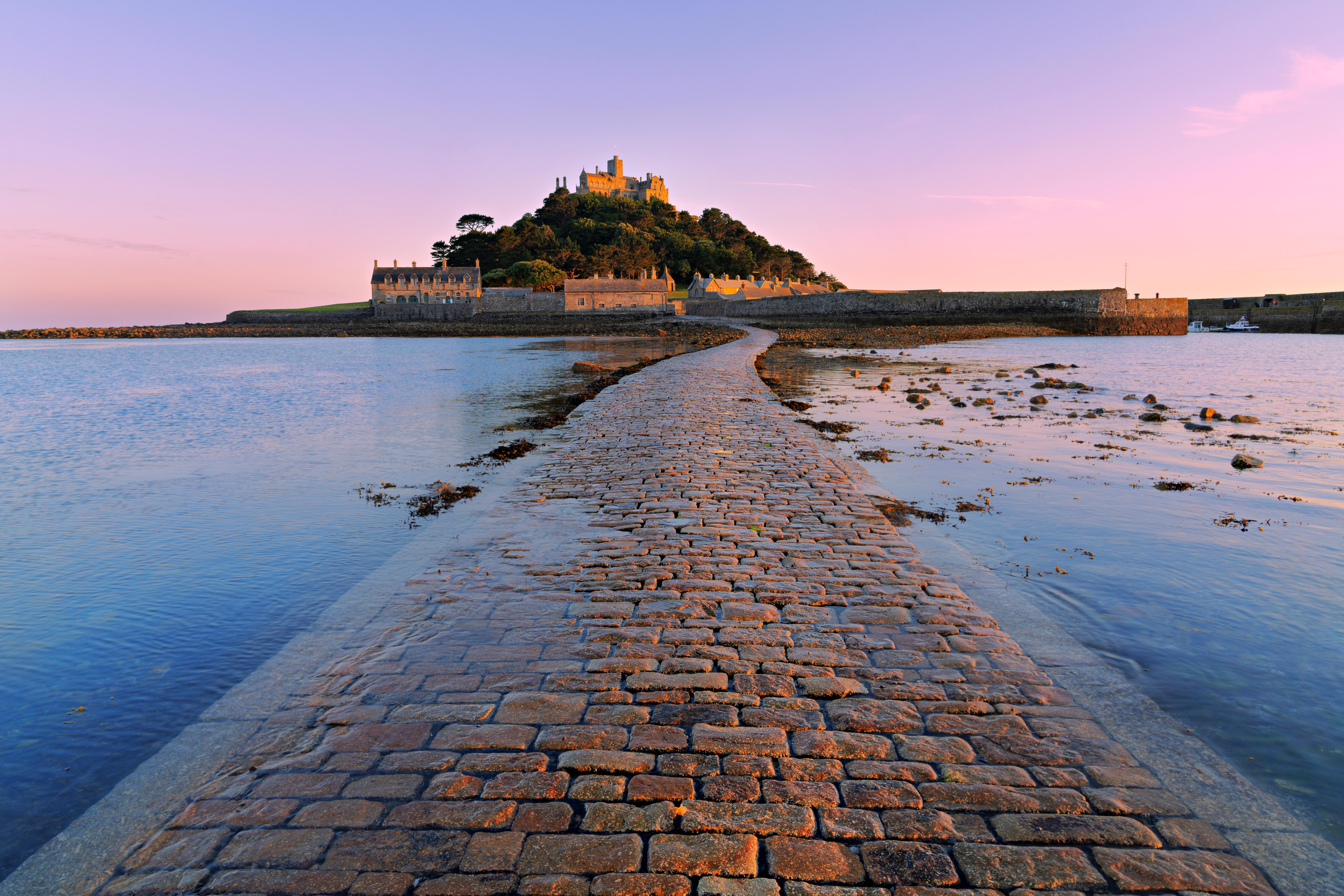
Rising dramatically from Mount’s Bay, this iconic Cornish island delivers one of the UK’s most striking tidal experiences. A medieval causeway appears at low tide, allowing walkers to cross from Marazion, while high tide transforms the route into a short boat journey. Granite slopes lead upward toward a historic castle and terraced gardens, blending Norman, medieval, and later architectural influences. Strong maritime weather shapes the atmosphere here, with shifting light, sea mist, and Atlantic winds adding to the visual impact. Wildlife sightings often include seals and seabirds circling the surrounding waters. Carefully timed visits ensure safe crossing, as tides move quickly and cut off access twice daily. The island’s layered history spans religious pilgrimage, military defense, and private ownership, all preserved through managed access. Coastal paths on the mainland offer panoramic views when crossings are closed. Practical planning remains essential, making this destination ideal for travelers seeking structure, scenery, and heritage within a single tidal island visit.
Lindisfarne (Holy Island), Northumberland
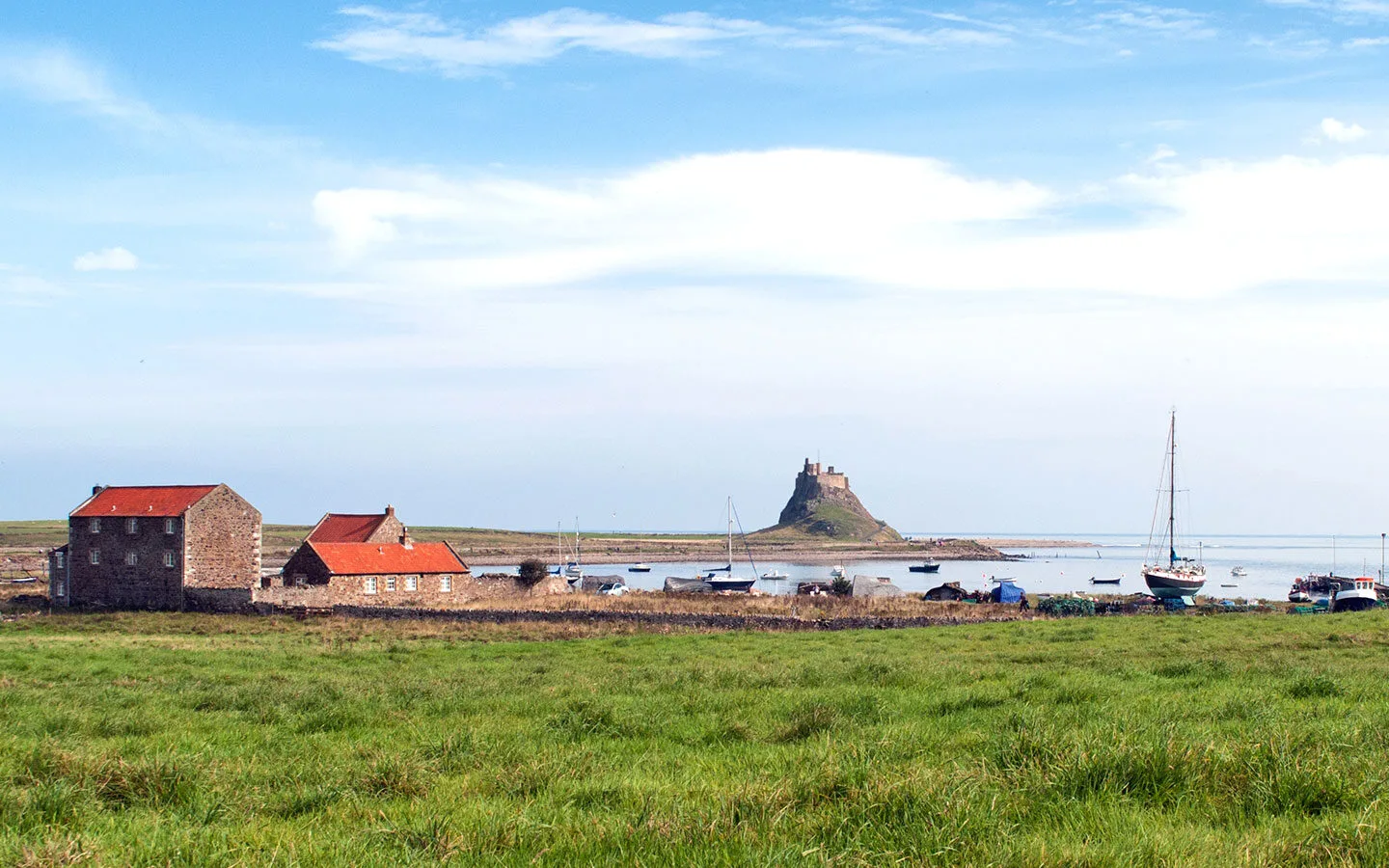
Set off the Northumberland coast, this sacred tidal island blends spiritual heritage with rugged coastal beauty. Access relies entirely on causeway timing, with the road submerged twice daily by the North Sea. Early Christian history dominates the landscape, anchored by the ruins of Lindisfarne Priory and a compact village core. Pilgrimage routes across tidal sands remain marked for experienced walkers who follow tide tables precisely. Coastal grasslands, dunes, and mudflats support birdlife, making the island popular with wildlife watchers year-round. Lindisfarne Castle rises from a volcanic outcrop, offering expansive views across the causeway and surrounding sea. Weather conditions change rapidly, reinforcing the need for careful planning before arrival or departure. Quiet periods during tidal closure create a peaceful atmosphere rarely found elsewhere. Local produce, including mead, reflects longstanding traditions. This island rewards visitors who respect natural rhythms, combining faith, nature, and disciplined travel planning in equal measure.
Burgh Island, Devon
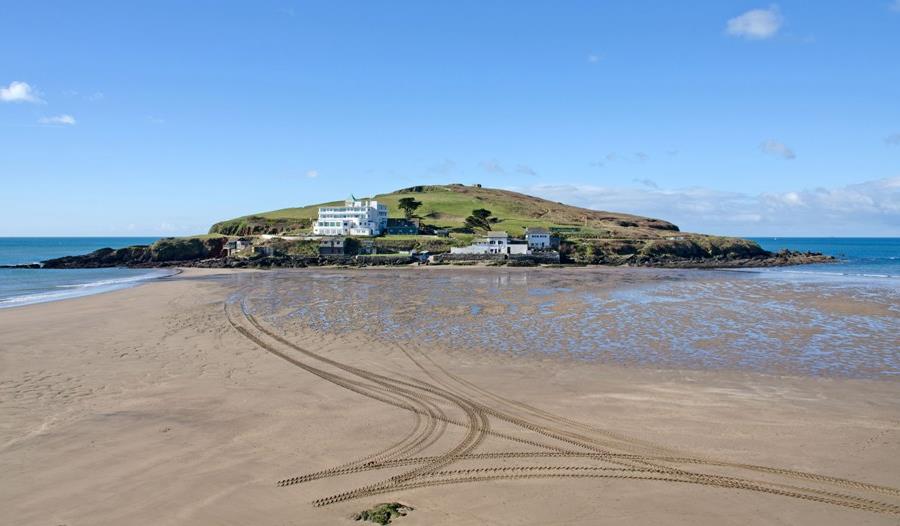
Just off the South Devon coast, this compact tidal island delivers dramatic scenery paired with Art Deco heritage. A sandy causeway links the island to Bigbury-on-Sea during low tide, while high tide requires access by sea tractor or boat. The island’s exposed position produces sweeping coastal views across the English Channel. A historic hotel dominates the summit, famously associated with early twentieth-century leisure culture and literary connections. Rocky outcrops surround the shoreline, attracting seabirds and offering natural viewpoints during calmer conditions. Tidal shifts reshape the beach environment throughout the day, reinforcing the importance of crossing schedules. Limited public access preserves the island’s quiet character, making visits feel exclusive even during busy seasons. Sunsets across the bay frequently rank among Devon’s most photogenic moments. Burgh Island suits travelers seeking controlled access, coastal drama, and heritage within a tightly managed tidal setting.
Cramond Island, Edinburgh

Located at the mouth of the Firth of Forth, this tidal island combines urban proximity with unexpected wilderness. A paved causeway links the island to the mainland village of Cramond, accessible only during safe tidal windows. Once crossed, grassy paths lead through low-lying fields dotted with World War II defensive structures. The surrounding waters host seabirds, seals, and seasonal marine life, visible from multiple vantage points. Panoramic views stretch toward the Forth bridges and distant city skyline, creating a contrast between nature and nearby urban life. Tide times require strict attention, as the causeway floods quickly and unpredictably. The island remains uninhabited, contributing to its open, windswept atmosphere. Simple navigation and relatively flat terrain make exploration straightforward within permitted timeframes. This destination appeals to walkers seeking history, coastal scenery, and a tidal experience without extensive travel from a major city.
Ynys Llanddwyn, Anglesey

Situated off the southwest coast of Anglesey, this serene tidal island holds deep cultural and romantic significance in Welsh history. Access is possible on foot across a broad beach during low tide, with sand conditions varying depending on recent weather. The island is closely associated with St. Dwynwen, Wales’ patron saint of lovers, and features chapel ruins, stone crosses, and a historic well. Coastal views extend across Snowdonia’s mountains on clear days, creating a striking natural backdrop. Lighthouse structures mark the western edge, adding navigational history to the landscape. Wildlife thrives along the shoreline, particularly seabirds and coastal flora adapted to salt exposure. Strong winds and shifting sands reinforce the importance of tide awareness. Managed conservation efforts protect fragile habitats throughout the island. Visitors drawn to symbolism, scenery, and coastal walking find this island offers calm exploration shaped entirely by tidal rhythm.
St. Mary’s Island, Whitley Bay

Positioned along the North Tyneside coast, this tidal island is defined by its historic lighthouse and exposed rocky shoreline. A stone causeway links the island to the mainland at low tide, closing quickly as water returns. The surrounding intertidal zone reveals rock pools rich with marine life, including crabs, anemones, and seaweed species. Lighthouse access provides educational insight into coastal navigation and maritime safety. Open views across the North Sea dominate the experience, particularly during changing weather conditions. Tide awareness remains essential, as crossings become hazardous when misjudged. The island’s compact size allows full exploration within safe windows. Coastal paths nearby offer alternative viewpoints when access is restricted. This destination suits visitors interested in geology, marine ecology, and practical tidal navigation within an easily reachable coastal setting.
Worm’s Head, Rhossili Bay
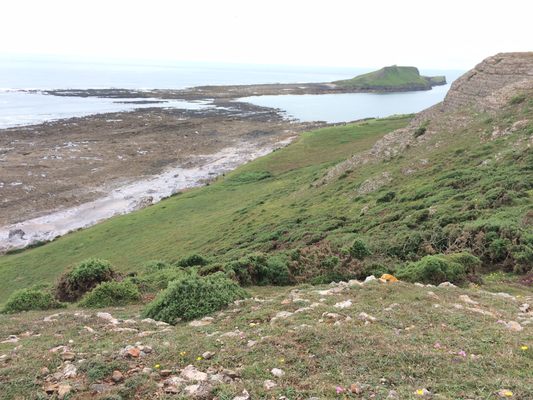
Extending dramatically into the Atlantic from the Gower Peninsula, this tidal headland delivers raw coastal power rather than sheltered charm. A rocky causeway links the mainland to the island, exposed only during limited low-tide periods. The route requires sturdy footing, as uneven stone and sea spray increase difficulty. Once across, grassy clifftops offer expansive views over Rhossili Bay and the open ocean beyond. Strong winds, crashing waves, and seabird colonies define the atmosphere. Timing remains critical, with clearly marked warning systems in place to prevent stranding. The island’s name derives from Viking descriptions of its serpentine shape. Minimal infrastructure preserves the wild character, placing responsibility on visitors to plan carefully. This location appeals to experienced coastal walkers seeking dramatic scenery shaped entirely by Atlantic conditions.
Sully Island, Vale of Glamorgan

Located near the Cardiff coastline, this lesser-known tidal island offers layered history within a compact footprint. Access occurs via a short causeway exposed during low tide, though mudflats can make crossings challenging after rainfall. Archaeological remains suggest Roman, medieval, and later occupation, visible through structural remnants scattered across the island. Grassy terrain supports coastal plants adapted to salt exposure. Views extend across the Bristol Channel, with shipping routes and distant shorelines visible on clear days. Tide times must be monitored closely, as surrounding waters rise quickly. Quiet conditions dominate outside peak summer periods, creating a reflective environment for exploration. Limited facilities reinforce the need for preparation. This island suits visitors interested in overlooked heritage sites shaped by tides rather than tourism infrastructure.
Hilbre Islands, Wirral

Lying at the mouth of the Dee Estuary, this small group of tidal islands becomes accessible via expansive sand flats at low tide. Clearly marked walking routes guide visitors safely across, provided tide tables are followed precisely. The islands host seabird colonies, grey seals, and protected habitats, making conservation a central focus. Hilbre Island itself contains historic buildings, including a former lifeboat station and small chapel. Surrounding views stretch across Wales, Liverpool Bay, and the Wirral coastline. Weather conditions can shift rapidly, particularly wind strength and visibility. Rangers often provide guidance during peak seasons. The experience rewards careful timing and respect for natural systems. This destination appeals to nature-focused visitors seeking wildlife encounters within a structured tidal environment.
Thorney Island, West Sussex
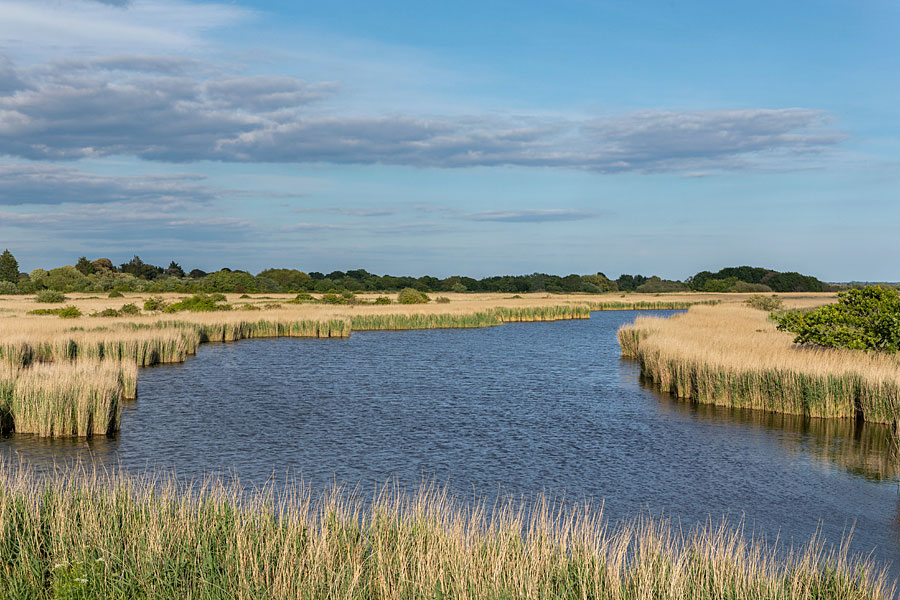
Situated near Chichester Harbour, this tidal island blends coastal wetlands with controlled access due to its military presence. Causeways link the island to the mainland, though public entry remains restricted to designated areas and times. Salt marshes dominate the landscape, supporting extensive bird populations throughout the year. Historical associations range from early monastic use to modern defense infrastructure. The surrounding harbour provides calm waters compared to open-sea islands. Tidal awareness remains relevant for navigation around the perimeter rather than full island access. Viewing points along nearby footpaths allow observation without entry. This island primarily serves those interested in coastal ecology, military history, and estuarine environments rather than traditional island exploration.
St. Agnes & Gugh, Isles of Scilly

Forming a unique twin-island connection, these two Scilly islands join by a sandy tombolo revealed at low tide. Clear turquoise waters, white sand, and granite formations define the scenery. St. Agnes supports a small community, while Gugh remains uninhabited, offering open walking routes and elevated viewpoints. Subtropical plants thrive due to the mild climate. Seabirds nest along rocky edges, and marine life remains visible in shallow waters. Tide timing determines access between the islands rather than mainland connection. Footpaths remain simple but exposed to wind. This setting appeals to travelers seeking remote coastal beauty shaped by Atlantic conditions and tidal change.
Looe Island, Cornwall

Located just offshore from Looe, this protected island remains inaccessible by foot, requiring boat access regardless of tide. Managed as a nature reserve, it supports diverse wildlife, including seabirds and marine species. Historic structures reflect former fishing and pilgrimage use. Access restrictions preserve fragile ecosystems, with guided visits offered seasonally. Surrounding waters shift dramatically with tides, exposing reefs and altering currents. Views back toward the Cornish coastline provide strong visual contrast between inhabited shore and protected island. This destination suits visitors prioritizing conservation-led experiences within a controlled tidal environment.