
Towering granite cliffs, roaring waterfalls, and ancient sequoias set the stage for one of America’s most iconic landscapes. Yosemite National Park draws millions each year, yet its scale and serenity still manage to feel untouched. Whether you’re planning a weekend escape or a deeper backcountry adventure, timing, route choices, and must-see landmarks make all the difference. From the awe of El Capitan to hidden valley trails few tourists tread, Yosemite rewards those who arrive prepared. This guide lays out everything you need—from logistics to unforgettable highlights—to experience California’s crown jewel the way it was meant to be explored.
Reserve Summer Entry in Advance

Planning a summer visit to Yosemite without a reservation can lead to disappointment at the gate. With the park’s peak season drawing in thousands daily, the National Park Service enforces a timed-entry reservation system from late spring through mid-fall. Securing a permit online via Recreation.gov is essential to guarantee access during your preferred dates. This isn’t just a formality—it’s a vital crowd-control measure to preserve Yosemite’s fragile ecosystem and visitor experience.
Reservations typically open months in advance, and prime weekends fill rapidly, so early booking is highly encouraged. Entry slots are limited, especially during holidays and school vacations. If you’re hoping to drive in between 5 AM and 4 PM, you’ll need a reservation even with a valid pass. Visitors staying inside the park or holding wilderness permits are exempt but should still verify current guidelines.
Without this step, travelers risk being turned away at Arch Rock, South, or Big Oak Flat entrances. Don’t gamble with a long drive and no park access—lock in your date, download the digital QR code, and carry backup documentation in case of signal loss. Timely booking ensures you’ll enjoy Yosemite’s grandeur instead of searching for a plan B.
Sunrise Tunnel View Drive-In
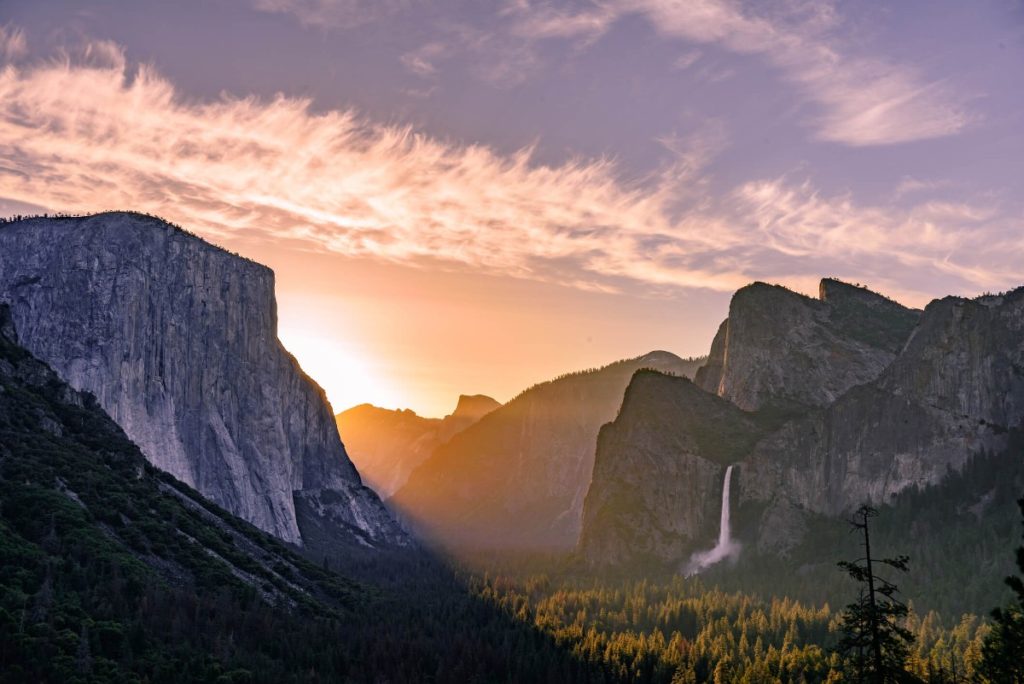
Few views in the world rival the ethereal beauty that unfolds at Tunnel View during first light. As golden rays creep across El Capitan and Bridalveil Fall, the valley awakens in silence—a moment that lasts only for early risers. By arriving just before dawn, you’ll witness the granite cliffs shift from shadow to brilliance while avoiding the rush that builds later in the day.
This iconic overlook sits just beyond Wawona Tunnel and offers postcard-worthy views with minimal effort. Parking is limited, so an early arrival ensures not only front-row visuals but a relaxed atmosphere before tour buses and late arrivals fill the lot.
Photographers favor this hour for the soft alpenglow that kisses Half Dome in the far distance. Pack a thermos and layer up—the valley floor may be warm later, but Tunnel View can be brisk at sunrise.
Plan this stop on your inbound route if entering via South Entrance. It’s an ideal welcome into Yosemite, setting the tone for a day of awe. Whether you stay for ten minutes or linger longer, the serenity of sunrise here is one of those rare moments where nature’s drama and tranquility meet.
Hidden Meadow at Cook’s Meadow
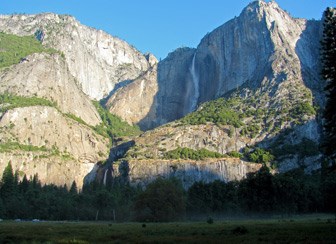
Tucked between Yosemite Falls and Sentinel Bridge, Cook’s Meadow feels surprisingly untouched despite its central location. Visitors often walk past without realizing that a short detour onto its boardwalk reveals a wildflower-strewn expanse where deer graze freely and towering granite walls mirror in flooded springtime pools.
Timing is everything. Late spring and early summer showcase lush grasses and blooming lupines, while autumn adds warm hues and crisp air to the experience. The loop trail, less than a mile and fully flat, is accessible for all ages and fitness levels, making it perfect for families or relaxed morning strolls.
Photographers and nature lovers will appreciate the unobstructed 360° view—Yosemite Falls thunders to the north, Half Dome peers from the east, and Sentinel Rock towers nearby. Few places in the valley allow such a wide-angle grasp of its grandeur without climbing or crowds.
For the best experience, walk the loop just after sunrise when wildlife is most active and the lighting flatters the landscape. Even with its popularity, the meadow maintains a sense of peace, especially in the early hours. Don’t rush—slow down and soak in a quiet pocket of Yosemite that feels both central and hidden.
Artist Point Offbeat Tunnel View

Just above the crowds at Tunnel View lies a lesser-known gem that rewards a modest uphill hike with solitude and a unique perspective. Artist Point, once a popular overlook in the 1800s, offers a similar view to Tunnel View but without the constant stream of visitors and tour groups.
To reach it, begin at Tunnel View parking lot and follow the Pohono Trail west. Within the first 0.6 miles, you’ll split off toward Artist Point. The trail isn’t marked clearly, so downloading a GPS-enabled map or using an offline trail app is wise.
The payoff is substantial: El Capitan, Bridalveil Fall, and Half Dome unfold in front of you—but framed with fewer distractions and quieter surroundings. It’s especially striking during golden hour when shadows play across the cliffs and light streaks down the valley.
Wear sturdy shoes, as the path can be slick or muddy depending on recent weather. This quick escape rewards effort with a peaceful, panoramic experience ideal for those wanting a fresh angle on Yosemite’s most famous scene.
Whether you’re a photographer looking for a unique shot or a hiker chasing stillness, Artist Point offers both in one short journey.
Taft Point + Roosevelt Point Hike

Sweeping drop-offs, dizzying cliff edges, and soul-stirring views define this high-country hike. Starting from the Glacier Point Road trailhead, the 2.2-mile round trip to Taft Point promises much more than just a lookout—it’s a visceral experience. Sheer fissures cut into the granite, daring brave visitors to peer into Yosemite Valley from the edge.
Just beyond Taft Point, a lesser-known spur leads toward Roosevelt Point, where crowds thin and quiet prevails. It’s a place for reflection, where you can sit alone above the Merced River, hearing only wind and distant waterfall echoes.
Start early to beat the crowds and afternoon thunderstorms that can build quickly. The trail is moderately easy but includes roots, rocks, and exposed areas, so proper footwear and balance are essential.
Bring water, sun protection, and keep a respectful distance from the cliffs—there are no guardrails. For sunset, many photographers hike out with tripods, but it’s equally stunning in the morning with golden light flooding the canyon.
This short loop delivers outsize rewards and unforgettable views for relatively little effort. It’s one of the most accessible yet dramatic hikes in Yosemite’s high country.
Sentinel Dome 360° Evening Climb

Few Yosemite hikes offer such a grand payoff for minimal effort as the short ascent to Sentinel Dome. Starting from the same trailhead as Taft Point, the 2.2-mile round trip leads you to one of the highest accessible points on the south rim of Yosemite Valley.
What makes Sentinel Dome special is the unobstructed 360-degree panorama—Half Dome, El Capitan, Yosemite Falls, and even the Sierra crest unfold from a single point. Timing your visit near sunset transforms the view into a glowing landscape where light and shadow weave across the valley below.
The final scramble up the granite dome is steep but short. Wear shoes with good grip and avoid the climb during stormy weather, as the exposed summit is prone to lightning. Bring a flashlight or headlamp if you linger after sunset.
Though popular, the dome never feels overcrowded thanks to its open summit. Settle in with a camera or just soak up the silence as the day winds down.
This quick evening hike offers a visual summary of Yosemite’s vastness, all captured in a single, breath-stealing view.
Glacier Point Early Shuttle Visit
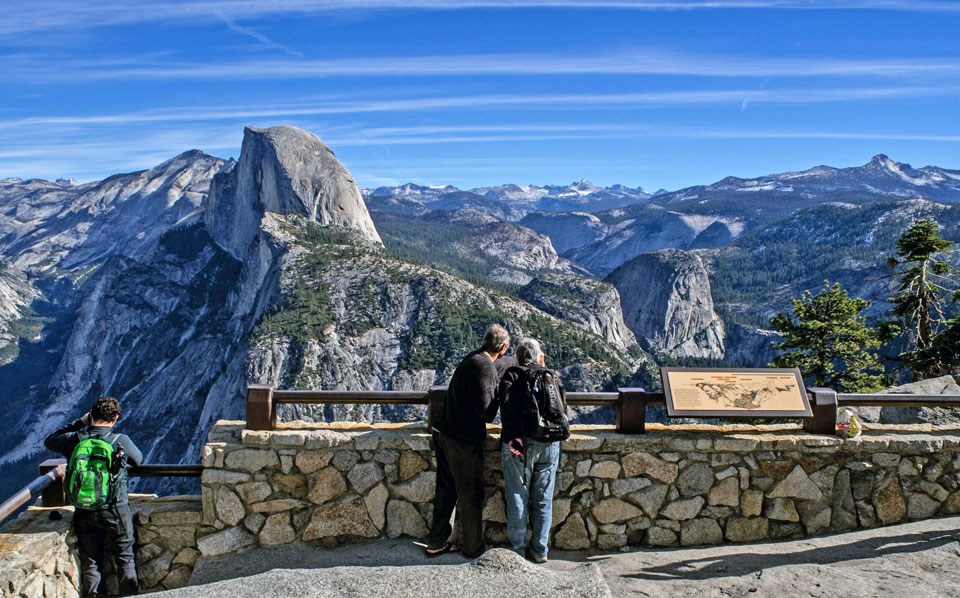
The sweeping views from Glacier Point, one of Yosemite’s most iconic spots, are worth waking up early for. The 30-minute shuttle ride from the valley floor provides a hassle-free journey to one of the highest vantage points in the park. Arriving early ensures you can enjoy the grandeur of Half Dome and the Merced River without the crowds.
Not only does this early start guarantee great views, but it also offers a serene atmosphere perfect for photographers and nature lovers. The soft morning light makes the granite cliffs glow, and the valley below is often bathed in mist, adding an ethereal feel to the landscape.
Be sure to book your shuttle tickets in advance during peak season to avoid disappointment. The service typically runs from late spring to fall, but check schedules before your visit. The shuttle stops at key points along the route, so you can plan a series of short, leisurely hikes upon arrival at Glacier Point.
A morning visit also allows more time to explore nearby attractions, such as the Panorama Trail or the famed 4-Mile Trail down to the valley. Whether for photography, hiking, or simply to take in the view, an early shuttle to Glacier Point is an unmissable experience.
Tioga Road Olmsted Point Stop
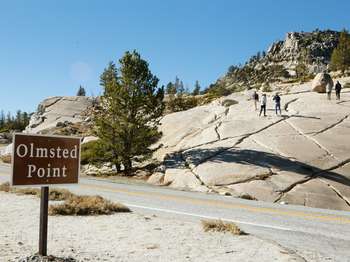
Tioga Road offers one of the most scenic drives through the park, and a stop at Olmsted Point, located along this high-altitude route, is a must for those seeking a quieter corner of Yosemite. As you exit the vehicle, you’ll be met with panoramic views of the Tuolumne Meadows, the Cathedral Spires, and distant peaks in the Sierra Nevada.
This spot is less frequented than Yosemite Valley, giving you space to take in the raw beauty of granite outcrops and alpine lakes. The rock formations here are uniquely exposed, with expansive views across the Tuolumne River basin. A short walk along the paved path will lead you to a series of viewpoints, offering excellent photo opportunities.
Olmsted Point is also notable for its connection to the park’s design—named after Frederick Law Olmsted, the man behind Central Park’s design. It’s an ideal location for a picnic, with ample space to sit and enjoy the surrounding wilderness.
If visiting in late spring or summer, the drive along Tioga Road is especially beautiful, with wildflowers dotting the landscape. Make sure to check for road closures in winter, as the pass is often snowed in and closed from October to May.
Three Chute Hidden Waterfall Hike

For those looking to experience Yosemite’s natural beauty away from the crowded main attractions, the Three Chute Waterfall Hike is a hidden gem that offers a serene and less-explored side of the park. Located just outside the main valley, this moderate hike takes you past three cascading waterfalls, each with its unique charm.
The trailhead begins near the Bridalveil Falls turnoff, but the hike quickly veers away from the crowds. As you trek deeper into the forested canyon, you’ll encounter wildflowers in spring, cool shaded areas, and stunning rock formations along the way. The path is well-marked, but it does involve some elevation gain, so sturdy footwear and a reasonable level of fitness are required.
Each waterfall in the Three Chute series is more than just a scenic view—it’s an opportunity to pause and connect with nature. At the final chute, you’ll feel the cool mist from the cascading water, which is a refreshing reward after the hike.
The fall colors in autumn make this hike particularly beautiful, while springtime brings the full force of melting snow. Regardless of when you visit, the Three Chute Waterfall Hike is an immersive way to enjoy Yosemite’s pristine wilderness without the crowds.
YARTS Shuttle Avoidance Parking
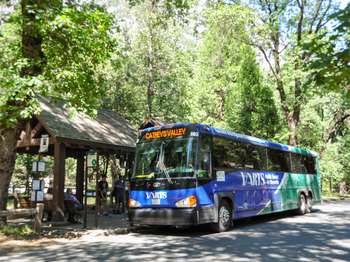
If you plan to visit Yosemite during peak season, knowing the ins and outs of parking and shuttle systems can make your trip more efficient and enjoyable. Yosemite Area Regional Transportation System (YARTS) provides a shuttle service from multiple gateways around the park, including from nearby towns like Mariposa and Oakhurst. However, if you prefer driving into the park and avoiding crowded shuttle lines, parking at designated lots outside the park and using a park-and-ride system is an excellent option.
Certain parking lots in the surrounding areas—such as the one at El Portal, along Highway 140—provide ample spaces for visitors who want to avoid the chaos of in-park parking. Once parked, the shuttle service runs throughout the day, taking you directly to Yosemite Valley without the hassle of driving on winding roads or searching for a space.
YARTS buses run from various locations, including the gateway towns, so you can avoid parking frustrations during peak hours. Remember to check the shuttle schedules in advance and plan accordingly, as the buses can fill up quickly during the busy summer months. By opting for this park-and-ride option, you ensure a smoother, more stress-free park experience.
Pack Trash & Wildlife Smart

Yosemite National Park is known for its pristine beauty, and it’s crucial to keep it that way by following Leave No Trace principles. One of the most important aspects of preserving Yosemite’s landscape and wildlife is packing out all trash and food waste. Yosemite has a zero-tolerance policy for littering, and the park’s wildlife can be easily attracted to improperly disposed food scraps, leading to dangerous encounters and potential harm to both visitors and animals.
Yosemite’s bears, in particular, are known to seek out human food. Park officials have set up bear-proof trash bins, but it’s important that you carry your trash out with you to minimize any risk. Small items like gum wrappers, granola bar wrappers, or beverage containers might seem insignificant, but they contribute to the park’s litter problem.
Along with packing out your trash, visitors are also encouraged to store food in airtight containers and use bear-proof lockers at campgrounds and trailheads. This simple step helps keep both the park clean and its wildlife safe.
Remember, protecting Yosemite means respecting its rules and ensuring that future generations can enjoy its wonders without the threat of human intervention disturbing its delicate ecosystems.
Post-Valley Sequoia Grove Day Trip

After exploring Yosemite Valley, consider taking a day trip to the Mariposa Grove of Giant Sequoias, located in the park’s southern reaches. This serene grove offers a chance to walk among some of the largest and oldest living organisms on Earth. The Mariposa Grove is home to over 500 sequoia trees, including the famous Grizzly Giant, which stands at 209 feet tall and is estimated to be over 2,700 years old.
The grove is accessible via a short shuttle ride from the parking area, followed by an easy to moderate hike through the towering trees. The Grizzly Giant and California Tunnel Tree are two highlights that attract visitors, but it’s worth taking time to explore the quieter areas of the grove as well.
In addition to the impressive trees, the grove offers sweeping views of the surrounding foothills and valleys. It’s also less crowded than Yosemite Valley, providing a peaceful escape to continue your exploration of the park’s diverse landscapes.
This day trip offers a perfect complement to your Yosemite experience, allowing you to witness the grandeur of nature from a different perspective. Plan your visit in early morning or late afternoon to avoid crowds and fully appreciate the quiet majesty of the sequoias.