
Glacial valleys, turquoise lakes, and snow-capped peaks form the backdrop of one of Canada’s most iconic landscapes. Banff National Park isn’t just a scenic detour—it’s a full-spectrum experience for hikers, photographers, and nature lovers seeking raw alpine beauty. From the mirror-like calm of Moraine Lake to the towering ice fields of the Columbia Glacier, every stop feels like a postcard brought to life. But planning the perfect Banff visit takes more than admiring Instagram views. This guide unpacks the best times to go, routes worth exploring, and practical insights to make your journey through Canada’s wild crown jewel unforgettable.
Rise-for-Light Sunrise Canoe Paddle
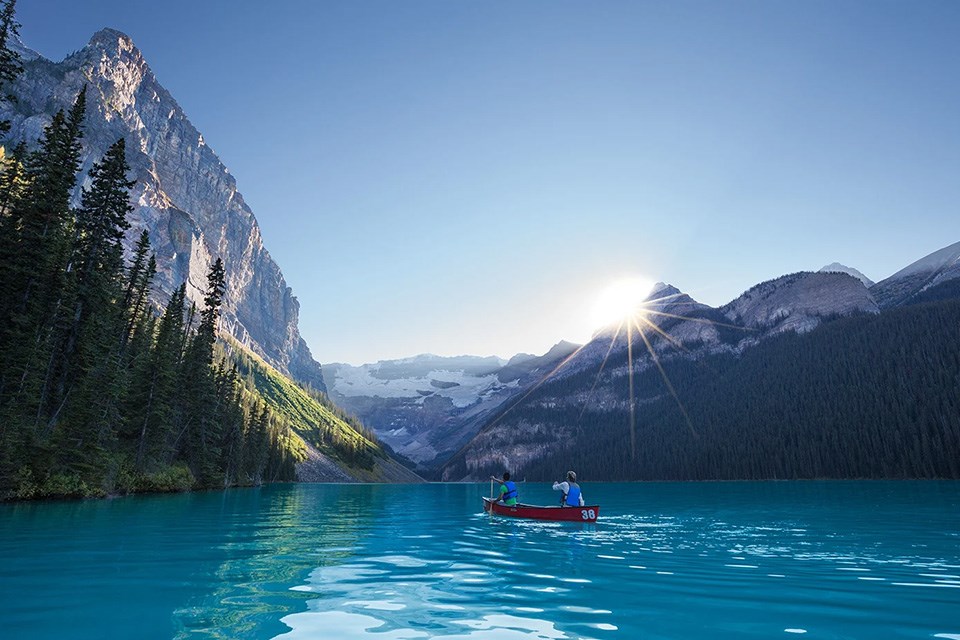
Stillness on the lake before sunrise offers a kind of silence that stirs the soul. As early mist rolls over the glassy water of Lake Louise or Moraine, paddling out in a rented canoe becomes more than just an activity—it’s a meditative ritual. The morning chill bites lightly at your cheeks while the sky warms with pre-dawn hues, mirrored perfectly in turquoise clarity below. This experience is especially magical when the surrounding peaks—like Mount Victoria or the Ten Peaks—start to glow in shades of peach and gold. Paddling silently lets you hear the call of loons or spot elk grazing near the waterline. For photographers, this is a golden-hour jackpot, with symmetrical reflections and undisturbed water. Rentals are available by the boathouse early, and it’s best to line up before the rush begins. Whether solo or sharing the silence with a companion, this serene paddle delivers unforgettable tranquility. Make sure to layer up and bring a dry bag for your camera gear. Early light, misty air, and untouched waters—this sunrise paddle is pure Banff magic, ideal for those chasing both peace and perfect photos in one flawless glide.
Guided Glacial Rock-Flour Kayak Tour

Turquoise water owes its hue to glacial silt, and there’s no better way to explore this phenomenon than by kayak. Setting off with a guide from Bow Lake or Lake Minnewanka, paddlers are immersed in a vivid world sculpted by ancient ice. Guides explain the unique science behind rock flour—pulverized stone suspended in meltwater that refracts sunlight into brilliant shades of blue-green. As you slice through still waters, rugged cliffs and alpine forests stretch beside you, with each paddle stroke revealing new scenery. Glaciers, like Crowfoot or Peyto, glint in the distance, reminding you of the forces at play. Tours often include interpretive stops, giving you a chance to rest while learning about indigenous history, glaciation patterns, and surrounding wildlife. Expect to spot bald eagles, mountain goats, or even moose along the shorelines. Gear, life jackets, and dry bags are typically provided, and no prior experience is required—just a love for nature and a steady rhythm. The slow pace allows for incredible photo opportunities, especially when the light hits the water just right. It’s a guided journey through time and geology—both educational and soul-stirring, giving you a new appreciation for the natural wonder beneath your kayak.
Sulphur-Mountain Hot-Spring Cliff Dip

Few moments compare to lowering into mineral-rich waters while snow-dusted peaks loom all around. The cliffside pools near Sulphur Mountain offer more than warmth—they offer recovery, especially after long hikes or paddle sessions. Fed by hot springs originating deep beneath the Canadian Rockies, these pools are known for their soothing properties and panoramic views. As steam curls skyward, you can gaze out across the Bow Valley and catch glimpses of Banff’s skyline framed by spruce-covered slopes. These hot springs have drawn visitors for over a century, prized for their therapeutic benefits and natural setting. The sulfuric scent, while earthy, signals the spring’s authentic mineral makeup. On-site lockers, change rooms, and towel rentals make visits easy, even spontaneous. For an extra treat, visit during snowfall or just before dusk when the horizon glows pink and the water feels especially inviting. Health-conscious travelers appreciate the temperature-controlled pools, usually hovering around 38–40°C (100–104°F), perfect for easing joint tension. As the sun dips and alpine shadows stretch long, every soak becomes a quiet celebration of nature’s elemental balance—fire beneath earth, water above rock, and your body suspended in healing stillness.
Icefields Pkwy Hidden Lake-View Stops

Tucked between famed destinations, lesser-known viewpoints along the Icefields Parkway reward those who pause for unmarked turnouts. While most speed between Lake Louise and Jasper, savvy road-trippers pull over near Bow Summit, Waterfowl Lakes, or Herbert Lake, where still waters mirror towering peaks without the tourist crowds. These unofficial stops, often just gravel pullouts or narrow trailheads, offer pristine panoramas perfect for reflective moments or mid-drive stretches. Bow Lake’s calm shoreline makes an excellent stop for quick glacier-view shots, while the emerald tones of Lower Waterfowl Lake glimmer brilliantly in morning light. Spotting a moose grazing or an osprey circling above isn’t uncommon. Carry a small tripod or phone stabilizer for crisp landscape captures, and keep a thermos of coffee handy for quiet roadside picnics. Each lake offers a slightly different hue, based on light conditions and glacial silt levels, so expect surprises. These pauses along the Icefields Parkway aren’t just convenient—they’re unforgettable, turning the drive itself into a destination. While famous lakes draw the headlines, these hidden gems leave lasting impressions on those who chase the quieter beauty of Banff’s high-altitude heart.
Swing-Combo Gondola Sunset + Snow Show

Golden hour from above transforms Banff’s alpine skyline into a fiery horizon of light and frost. Boarding the Banff Gondola in late afternoon offers a front-row seat to this celestial transition, especially when timed with a snowfall or light show atop Sulphur Mountain. As the gondola ascends, sweeping views of Bow Valley, Tunnel Mountain, and the distant peaks of Mount Rundle unfold layer by layer. The summit boardwalk guides you to various lookout points, each framed with interpretive signage and photo-ready angles. Once the sun sinks, a choreographed snow projection or aurora-themed light show often begins, depending on the season. Swing-combo tickets typically bundle gondola rides with evening entertainment or hot drink options at the summit café. Gloves and layers are essential, as wind chills intensify above the tree line, especially at dusk. For those seeking both spectacle and serenity, this combination experience delivers a dose of Banff magic from sky to snow. It’s ideal for couples, solo adventurers, or families chasing that one perfect sunset photo framed by mountain silhouettes and sparkling light. Few experiences rival the blend of natural beauty and curated wonder offered high above Banff’s rooftops.
Tea-Cocktail Glacier Crawl in Town

After a day of trails and alpine air, Banff’s town center invites travelers to unwind with glacier-inspired sips. Local bars and teahouses infuse drinks with flavors as crisp and clear as the nearby lakes—think juniper, mint, spruce tip, and even glacial ice in upscale pours. One popular evening activity is the “glacier crawl,” a self-paced tasting route through cafés and lounges offering themed cocktails and herbal blends. Stops might include a gin-based glacial fizz, a lavender-tea spritz, or an iced pine-needle tonic paired with local cheeses. Trendy venues often highlight the local ingredients, nodding to Banff’s wild terrain in both presentation and palate. Some teahouses offer spiked options—chamomile cider or bourbon-infused earl grey—creating a gentle buzz without sacrificing flavor. For non-drinkers, mocktail menus still serve up botanical complexity. Map out a route along Banff Avenue, hopping between cozy fire-lit interiors and rooftop views. With each glass, you sample not just drink recipes, but the essence of the Canadian Rockies themselves—clean, aromatic, refreshing. This evening crawl doesn’t just quench thirst; it celebrates the cool clarity of the region with every carefully crafted sip.
Art-in-Nature Rocky Stream Walk
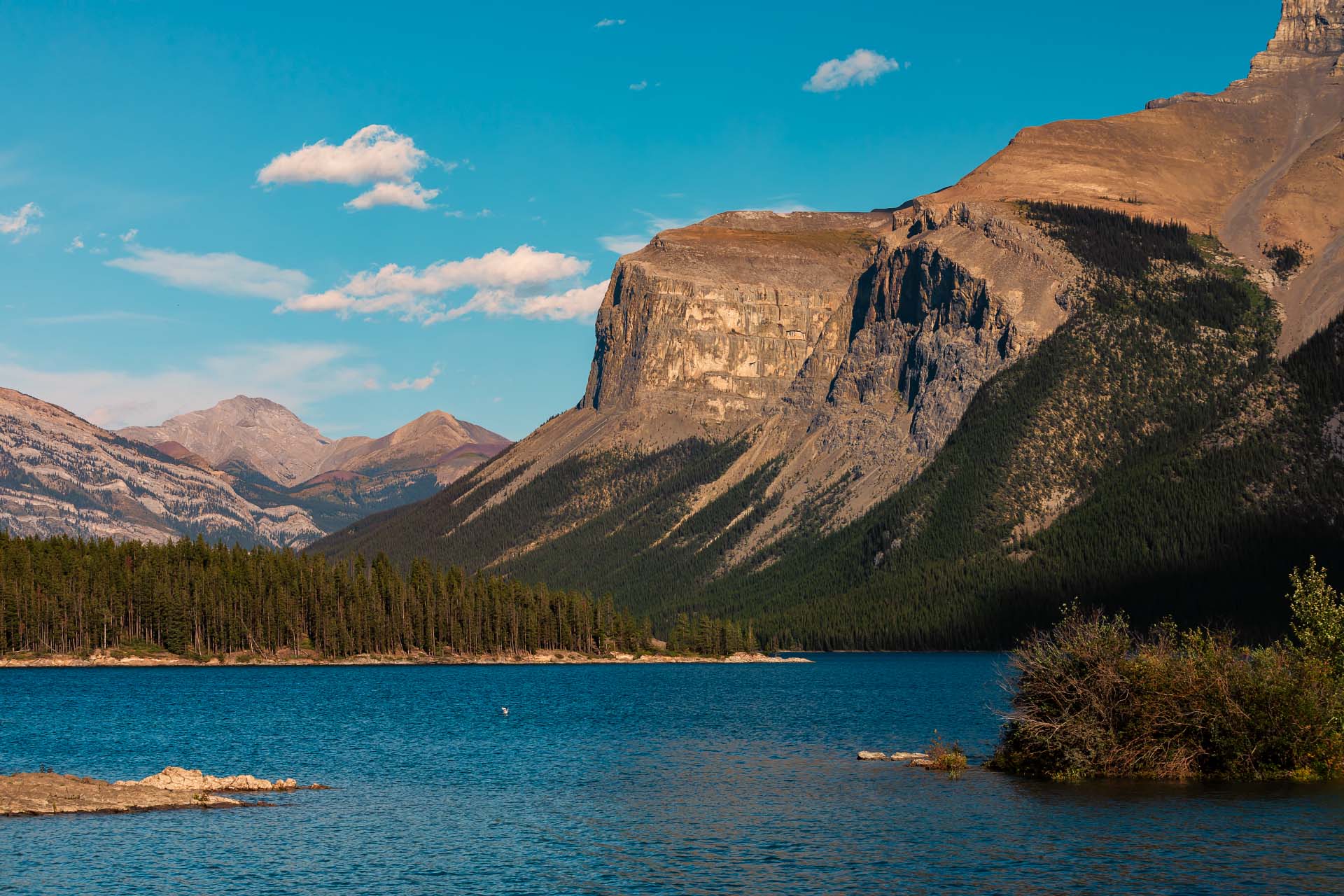
Shaded trails beside glacier-fed streams offer more than nature—they become open-air galleries when framed with the right perspective. Near Cascade Ponds and Fenland Trail, visitors often come across rock cairns, tree etchings, or seasonal land art left by fellow wanderers. These short walks wind past mossy boulders, pebbled inlets, and slow-rippling water where light dances in mosaic patterns. Creative hikers often pause to stack stones, photograph reflections, or sketch textured tree bark along the trail’s quieter bends. It’s not an organized exhibit—it’s nature inviting participation. Children build driftwood sculptures while photographers zoom in on dew-beaded leaves or carved initials aged by lichen. Bring along a sketchpad, colored pencils, or simply a curious lens. The stream’s soundtrack—soft bubbling and birdcall—enhances the artistic rhythm of the journey. Interpretive signs in some areas explain the ecology or First Nations heritage tied to the land, enriching the experience further. Ideal for reflective solo moments or family strolls, this unstructured artistic walk offers a gentle alternative to high-adrenaline hikes. It’s a sensory reset where nature becomes muse, medium, and message all in one flowing landscape.
Glacial-Edge Peyto Lookout Picnic

From the elevated viewpoint above Peyto Lake, visitors are rewarded with one of the most iconic vistas in all of Banff—a turquoise wolf-head-shaped lake carved by ancient glacial forces. Reaching this high-altitude lookout involves a short but steady trail from the parking area, opening up to a panoramic scene that looks painted, not real. While the view gets plenty of attention, few think to stay longer with a packed lunch. Picnic tables along the interpretive deck and forested edge offer perfect perches for a scenic meal. Lightweight snacks, thermoses, and foldable seat pads go a long way in making this a restful stop, especially during quieter hours in the late morning or golden hour. Peyto’s intense color comes from rock flour suspended in meltwater, glowing more vibrantly under cloud-filtered sunlight. Mountain goats may be spotted on adjacent ridgelines, and ravens often swoop by looking for crumbs. With layers on hand, you can stay comfortable even if a chill wind picks up. Far above the valley floor and far from noise, this glacial-edge lunch stop becomes a rare opportunity to pause, savor, and truly absorb the beauty of Banff’s raw northern wilderness.
Fairmont Tea-House Glacier Brush Session

For those who enjoy sketching, painting, or simply observing the details others miss, the Lake Agnes Tea House hike delivers the ideal creative setup. After a 3.5 km forested climb from Lake Louise, hikers arrive at a charming alpine lodge surrounded by cliffs, larches, and glacier-fed waters. Many bring along travel brushes or ink pens, setting up near the lake’s shore or tucked under shaded tree clusters. The tea house offers warm drinks and homemade snacks, making it a perfect base for extended observation. From this vantage point, Mount Niblock and Mount Whyte rise dramatically, their ice caps glinting above treeline. Reflections in the lake’s surface shift with cloud movement—perfect for watercolor studies or soft pencil captures. Mornings tend to offer the calmest light, while late afternoons bring contrast and deeper tones. You don’t have to be a seasoned artist to enjoy this—just a notepad and ten minutes of stillness can yield surprisingly vivid results. For creative travelers, this is a chance to blend motion and mindfulness, turning a hike into a visual memory that stays long after boots are cleaned and canvases dry.
Moraine “Twenty Dollar View” Trail
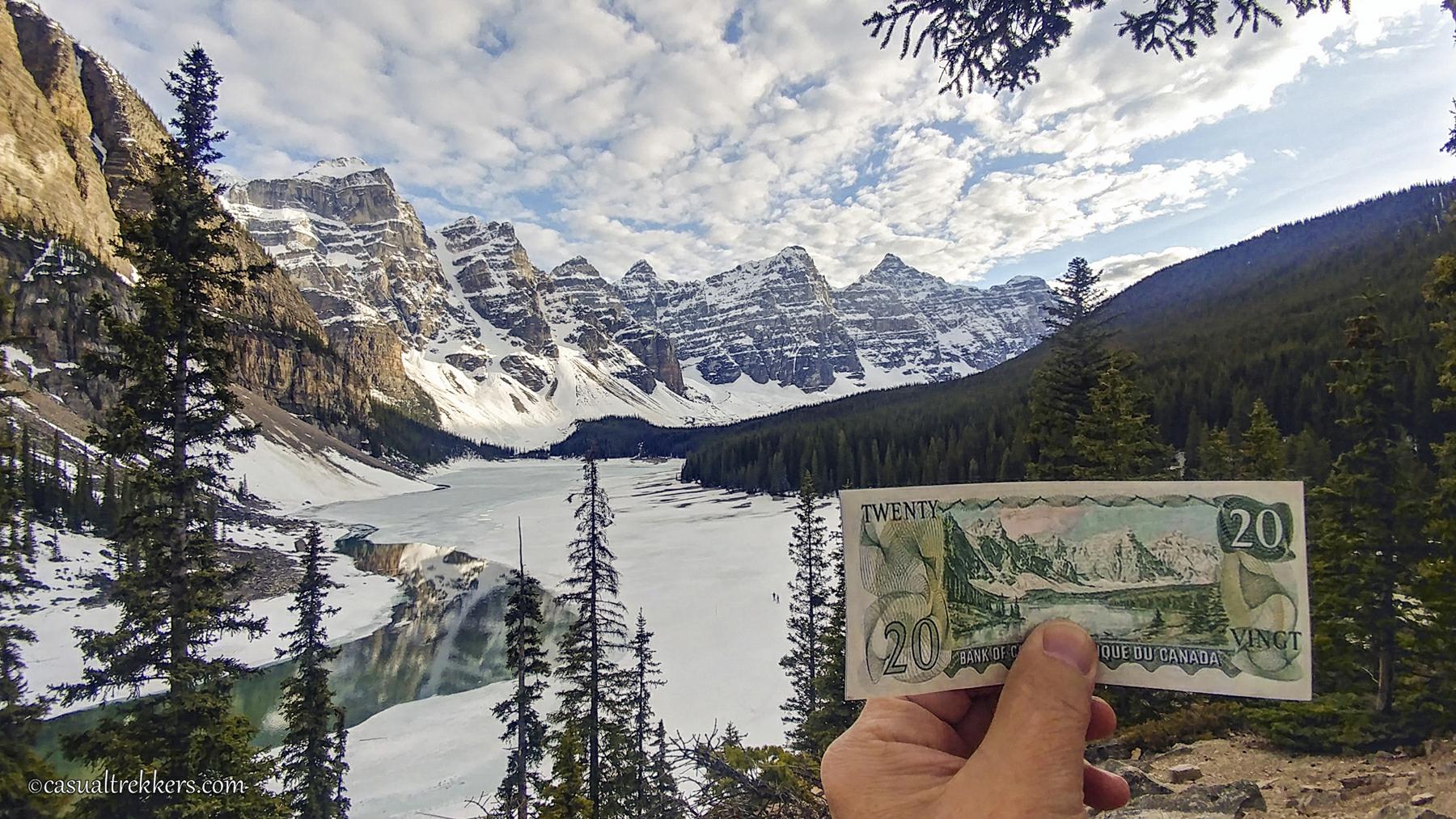
Few panoramas are as instantly recognizable—or as jaw-dropping—as the glacial scene from atop the Rockpile Trail at Moraine Lake. Nicknamed the “Twenty Dollar View” for its appearance on Canada’s old currency, this short trail leads to a lookout that frames the Valley of the Ten Peaks in full splendor. Arriving early is key—both for parking and for light conditions. Just after sunrise, the lake reflects the sharp silhouettes of snow-dusted summits in almost surreal detail, thanks to the suspended rock flour in the meltwater. The short hike up the rockpile involves uneven stones but rewards you with a cinematic vantage point just minutes from the parking area. Tripods, phone stabilizers, and wide-angle lenses all have their moment here, though many visitors find themselves simply pausing to take it in. Photographers wait for the breeze to still, capturing mirror-perfect shots that seem digitally enhanced. For casual visitors, the spot offers ample room to sit, snack, or reflect in silence. The view may be famous, but standing in front of it never feels routine. It’s a postcard come to life—proof that sometimes, the most iconic places still manage to exceed every expectation.
Northern-Lights + Lake Reflection Chase
On crisp, clear nights between late September and March, Banff’s high-altitude lakes become unexpected theaters for celestial drama. When solar conditions align, the northern lights appear in soft ribbons above Lake Minnewanka, Bow Lake, or even Vermilion Lakes—reflected perfectly on calm water surfaces. While sightings aren’t guaranteed, apps like Aurora Watch or space weather trackers can help increase your odds. Locals often set up tripods at midnight along Highway 1A or at quiet pullouts away from town light pollution. Dress in layers, bring a thermos, and prepare for long exposures if photographing—northern lights here tend to emerge in green, purple, or faint pink. A wide lens and manual settings make all the difference. Seasoned aurora chasers know to wait patiently and keep their cameras ready as bursts can appear suddenly and fade within minutes. Reflections on the lake’s surface double the drama, turning the sky and ground into a glowing tunnel of color. Whether you’re lucky enough to catch a full aurora curtain or just subtle streaks above the peaks, this chase becomes a story in itself—one that blends science, magic, and the sheer power of Banff’s wild nighttime beauty.
Mile-Marker Sunset Drive Photo Tour
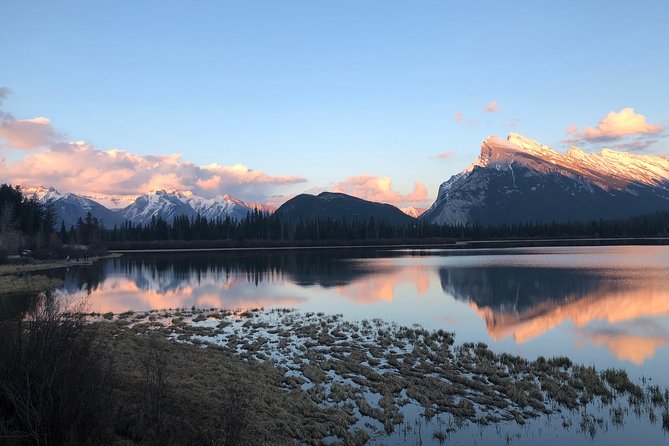
Stretching from Lake Louise to Jasper, the Icefields Parkway ranks among the world’s most scenic highways—and it’s during sunset when its full charm unfolds. Drivers with cameras in tow often turn this into a DIY photo safari, using notable mile-markers to plan golden-hour shots. Favorites include Mile 32 for Bow Lake’s warm glacial tones, Mile 47 for sweeping views of Mistaya River bends, and Mile 85 for Saskatchewan Glacier’s glowing descent. Cloud layers catch fire as the sun dips behind the peaks, casting long shadows across alpine ridges and forested valleys. Pull-offs are plentiful, though it’s smart to scout in advance and time stops around shifting light. Pack extra batteries, lens cloths, and a car-friendly tripod—winds can rise quickly in these exposed areas. Bonus: wildlife tends to appear more frequently in cooler evening hours, with elk, deer, or even bears crossing near forest edges. This drive isn’t about speed—it’s about pacing with the light, shooting fast, and savoring slow. Whether you’re a DSLR veteran or phone-only traveler, these golden markers offer more than directions—they’re visual triggers for capturing Banff’s most breathtaking farewells.