
Hidden in the heart of Colombia’s Serranía de la Macarena, Caño Cristales is often called the “River of Five Colors” for its extraordinary display of red, yellow, green, blue, and black hues. This natural wonder owes its brilliance to aquatic plants unique to the region, turning the river into a living canvas each rainy season. Beyond its striking beauty, the area offers hiking trails, waterfalls, and pristine wilderness. This Caño Cristales Colombia Travel Guide provides essential details, practical tips, and local insights to help travelers experience one of South America’s most breathtaking and ecologically significant destinations.
River of Five Colors Phenomenon Timing

The seasonal burst of colors that makes Caño Cristales world-famous occurs only when conditions align between June and November. During these months, the aquatic plant Macarenia clavigera transforms the riverbed into a natural palette of reds, pinks, yellows, and greens. Too much water drowns the plants, too little dries them out—making mid-season transitions the most spectacular. Travelers should note that outside this period, the river reverts to ordinary tones. Planning a trip around this window is essential, as local regulations restrict access during the dry season to preserve the ecosystem. For those seeking the most vibrant display, September often delivers ideal water levels and plant growth. Guides recommend scheduling visits early in the day for optimal light and cooler conditions, which also enhances photographic detail. Aligning your trip with the height of the rainy season may result in muddy trails and swollen currents, so flexibility in timing is helpful. Local tourism boards publish updates on color intensity, and reputable tour operators can advise when blooms are peaking. This natural calendar, dependent on rainfall and sun exposure, makes each year slightly different, but the heart of the phenomenon reliably shines in late summer through early autumn.
Trail Choices & Key Landmarks (Tapete Rojo, Los Ochos, etc.)

Walking through the protected parklands reveals a series of distinct trails, each highlighting unique river formations and color displays. Tapete Rojo, often called the “Red Carpet,” is among the most photographed spots due to its expansive riverbed glowing with vibrant crimson hues. Another highlight, Los Ochos, features circular pools carved by centuries of water erosion, offering swirling shapes filled with multicolored aquatic plants. Visitors can also trek toward Cascada de la Virgen, where flowing water drapes over mossy rocks into natural pools perfect for observing the phenomenon in motion. Each trail varies in length and difficulty, ranging from short, guided walks to full-day circuits that demand sturdy footwear and endurance. Local guides lead visitors to ensure paths are respected and fragile areas remain undisturbed. Along the routes, lookouts and shaded rest points provide opportunities to pause and appreciate the scenery. Some trails cross shallow sections where river wading is permitted, though only in designated areas to protect the plants. Trail choice often depends on fitness level, time available, and what landmarks you prioritize. Whether chasing waterfalls, natural jacuzzis, or expansive red carpets, every path immerses travelers in a landscape that feels both surreal and scientifically rare.
Getting There: La Macarena Access & Transport Tips

Travel begins with reaching the small town of La Macarena, gateway to Caño Cristales. Most visitors fly from Bogotá, Medellín, or Villavicencio, as road access remains limited and often unsafe due to distance and rough terrain. Charter flights and regional airlines offer regular services, though schedules can be weather-dependent. Upon landing at La Macarena’s modest airstrip, travelers must register with local authorities before entering the park. Transport to trailheads typically involves a combination of motorized canoes along the Guayabero River, followed by jeep rides and short hikes. Local operators coordinate these transfers seamlessly, ensuring that visitor numbers stay within daily caps. Cash is essential, as banking services in La Macarena are limited. Advance booking of flights and tours is strongly recommended, especially during peak months of August and September when visitor demand is highest. For those planning extended stays, basic lodgings and eco-lodges in La Macarena offer comfort with rustic character. Choosing reliable transport providers not only ensures smoother logistics but also supports community businesses that depend heavily on tourism revenue. By factoring in transfer time and potential delays, visitors maximize their chances of experiencing the river’s beauty without rushing through the journey.
Permits, Entrance Rules & Visitor Caps

Strict regulations govern entry to Caño Cristales to protect its fragile ecosystem. All visitors must obtain permits, typically arranged through authorized tour operators who handle coordination with park authorities. Independent entry is not permitted, and certified local guides are mandatory. Daily visitor numbers are capped—usually around 200 people per day—to reduce strain on the environment and maintain the quality of the experience. Entry involves a registration process in La Macarena, where visitors attend a mandatory orientation briefing outlining eco-rules and safety practices. Swimming is restricted to designated spots, and touching aquatic plants is prohibited. Food and drink are generally not allowed along trails, except for water in reusable bottles. Opening dates vary yearly based on rainfall and biological conditions, with the park often closed between December and May. Tours require advance booking, especially during the high season from July to September. Fines apply for rule violations, and repeat offenders may be barred from future visits. Authorities maintain close collaboration with local communities to ensure conservation while supporting sustainable tourism. These measures balance ecological preservation with economic benefit, ensuring that future generations can continue to witness Colombia’s most colorful river in pristine condition.
What to Pack: Sun, Bug & Water Gear Essentials

Preparing correctly for Caño Cristales ensures both comfort and environmental compliance. Lightweight, breathable clothing in neutral colors works best for hot, humid days and avoids disturbing wildlife. Wide-brimmed hats and sunglasses protect against the strong tropical sun, while long sleeves and pants reduce exposure to insects. Since conventional sunscreen and repellents are banned to protect the river, eco-approved alternatives or physical barriers like clothing are necessary. Footwear should be sturdy yet quick-drying, as trails often involve river crossings and muddy sections. Refillable water bottles are crucial, as single-use plastics are prohibited inside the park. Waterproof bags safeguard cameras and electronics during canoe transfers or unexpected rain. Packing snacks is discouraged; instead, meals are arranged in designated areas through tour providers. A lightweight rain jacket helps during sudden showers, particularly between July and September. Travelers should also carry photocopies of identification for checkpoints and small amounts of cash for local services. Minimalist yet practical packing ensures compliance with park rules while keeping visitors safe and comfortable. By focusing on gear that supports both personal needs and ecological preservation, travelers contribute to the sustainable experience that Caño Cristales tourism strives to maintain.
Eco-Rules: No Sunscreen, No Plastic, Protect the Plants

Strict environmental rules govern Caño Cristales to safeguard its delicate ecosystem. Conventional sunscreen, insect repellent, and any chemical products are strictly forbidden, as they damage the aquatic plants responsible for the river’s vibrant colors. Visitors are advised to wear protective clothing instead of applying lotions. Plastic bags and single-use bottles are also banned to reduce waste and prevent contamination of waterways. Refillable containers and biodegradable materials are the only options permitted. Walking is restricted to designated trails, and stepping on or touching aquatic plants is prohibited. Swimming is allowed only in specific zones where the riverbed is less fragile. Guides closely monitor groups to ensure compliance, and violations can result in fines or removal from the park. Authorities emphasize “leave no trace” principles, meaning all belongings and waste must be carried back out. Even food is restricted to designated areas to prevent spills or litter. These eco-rules not only preserve biodiversity but also support long-term sustainable tourism. Respecting them ensures future visitors can experience the phenomenon without ecological damage. By following guidelines strictly, travelers directly contribute to protecting one of Colombia’s most fragile and extraordinary natural wonders.
Nearby Excursions: Caño Cristalitos, Angosturas, etc.

Travelers often extend their visit by exploring nearby attractions around La Macarena. Caño Cristalitos, a smaller but equally colorful tributary, provides a quieter alternative to the main river and is ideal for those seeking a less crowded experience. Another highlight, Angosturas Canyon, showcases dramatic rock formations where the Guayabero River narrows between towering cliffs. Guided boat rides through this canyon reveal both geological marvels and abundant birdlife. For cultural variety, local farms and community projects offer immersive experiences that highlight traditional Llanos hospitality and cuisine. Visitors may also explore natural swimming holes, where permitted, to cool off after long treks. Multi-day tours often combine Caño Cristales with these lesser-known spots, maximizing the value of the journey. Access usually requires short boat rides or jeep transfers, organized directly through La Macarena tour operators. These excursions not only diversify the adventure but also distribute tourism income across surrounding communities. Each destination complements the main attraction while maintaining the ecological principles that define the region. Exploring beyond Caño Cristales enriches the overall experience, blending natural beauty with authentic encounters in Colombia’s Llanos region.
Staying Locally vs. Camp Options
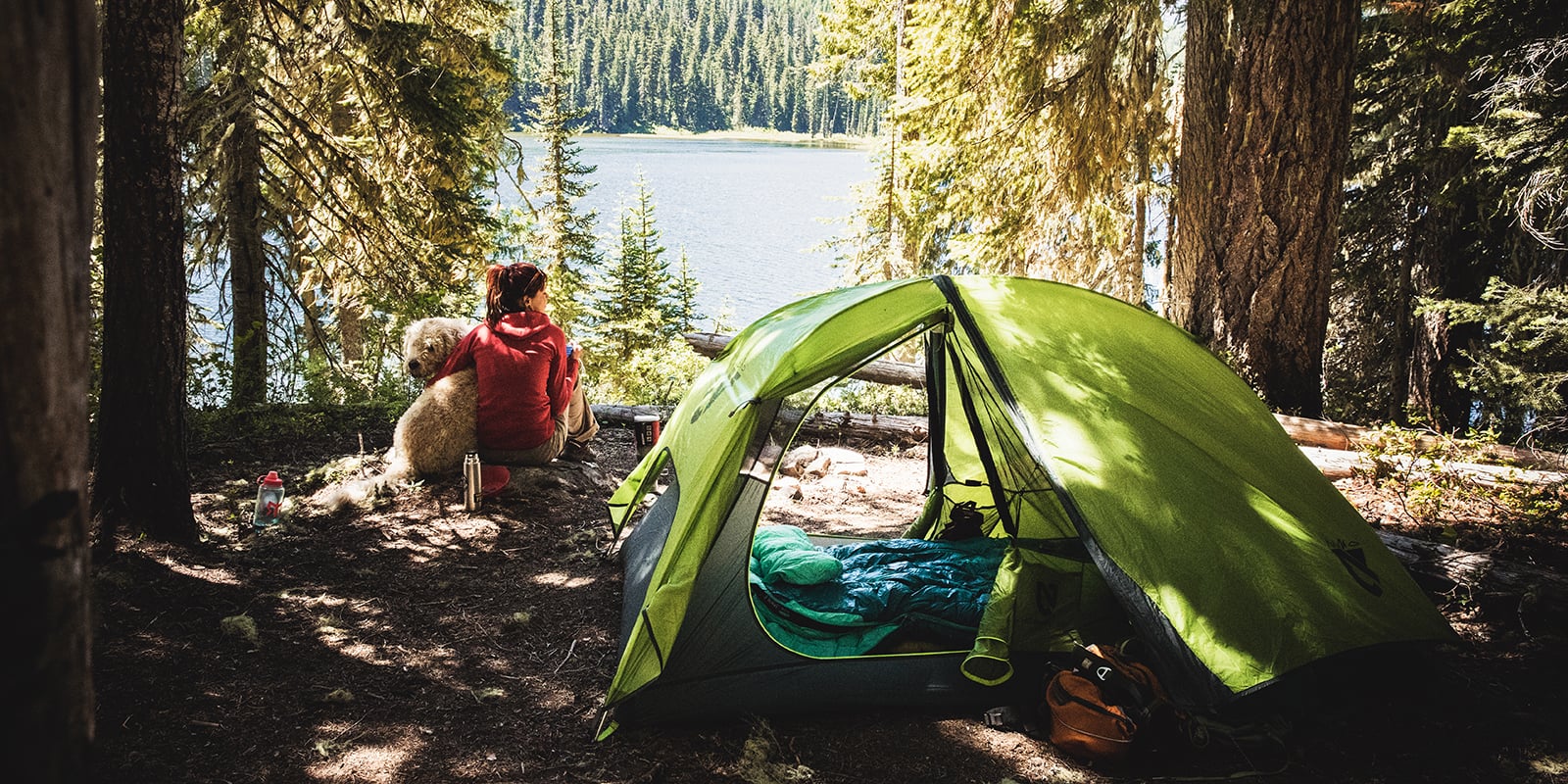
Accommodation choices in La Macarena cater to different travel styles, from rustic charm to modest comfort. Small family-run guesthouses dominate the town, offering simple rooms with fans, mosquito nets, and basic amenities. Staying locally supports community livelihoods while providing insight into regional culture. Meals often highlight traditional Llanos cuisine, with fresh fish, plantains, and yucca featuring prominently. Eco-lodges just outside town offer a slightly more secluded experience, sometimes with hammocks, open-air dining, and solar-powered utilities. For adventurous visitors, camping options exist in designated areas, though permits and guide coordination are mandatory. Campsites provide basic facilities and offer close proximity to trailheads, allowing early access to the river. Regardless of the choice, accommodations are limited, so reservations are essential during peak months. Travelers should not expect luxury but can count on warm hospitality and authentic regional flavors. Evenings in La Macarena often include cultural events such as music and dance, enriching the stay beyond natural exploration. Whether choosing community lodgings or eco-camps, accommodations are deeply intertwined with conservation efforts, ensuring that tourism revenue circulates locally while maintaining respect for environmental sustainability.
Weather Window & Best Months to Visit
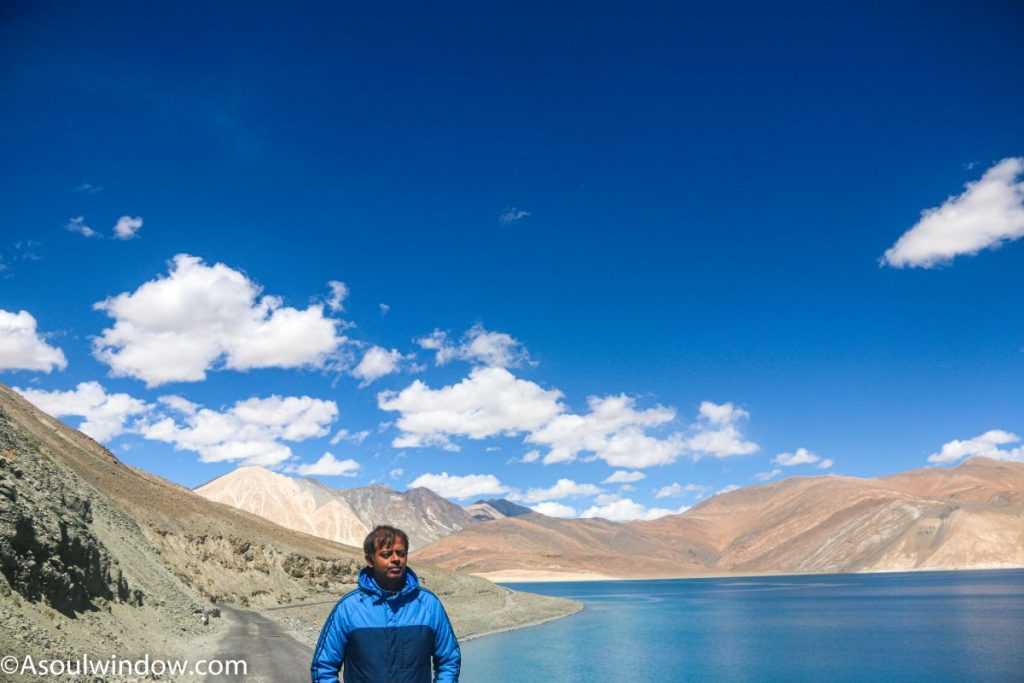
Timing a trip to Caño Cristales depends heavily on weather patterns. The river’s colors appear only during the rainy season, typically between June and November, when water levels are ideal for the aquatic plants to thrive. The dry months from December to May see the park closed to visitors to allow ecological recovery. Within the open season, July to October generally provides the most reliable conditions, though September often offers peak intensity of colors. Rainfall remains unpredictable, so travelers should prepare for sudden showers and muddy trails. Morning visits are recommended, as afternoon storms are common. Temperatures hover between 77°F and 86°F (25°C–30°C), with high humidity adding to the challenge of hiking. Packing light rain gear and quick-dry clothing is essential. Those visiting earlier in June may find trails wetter, while late-season travelers in November often encounter reduced color intensity as water levels shift. By aligning trips with the mid-season sweet spot, visitors enjoy both manageable weather and the river at its most spectacular. This seasonal rhythm makes Caño Cristales a destination that rewards precise planning and flexible expectations.
Photography Spots & Behavior for River Safety
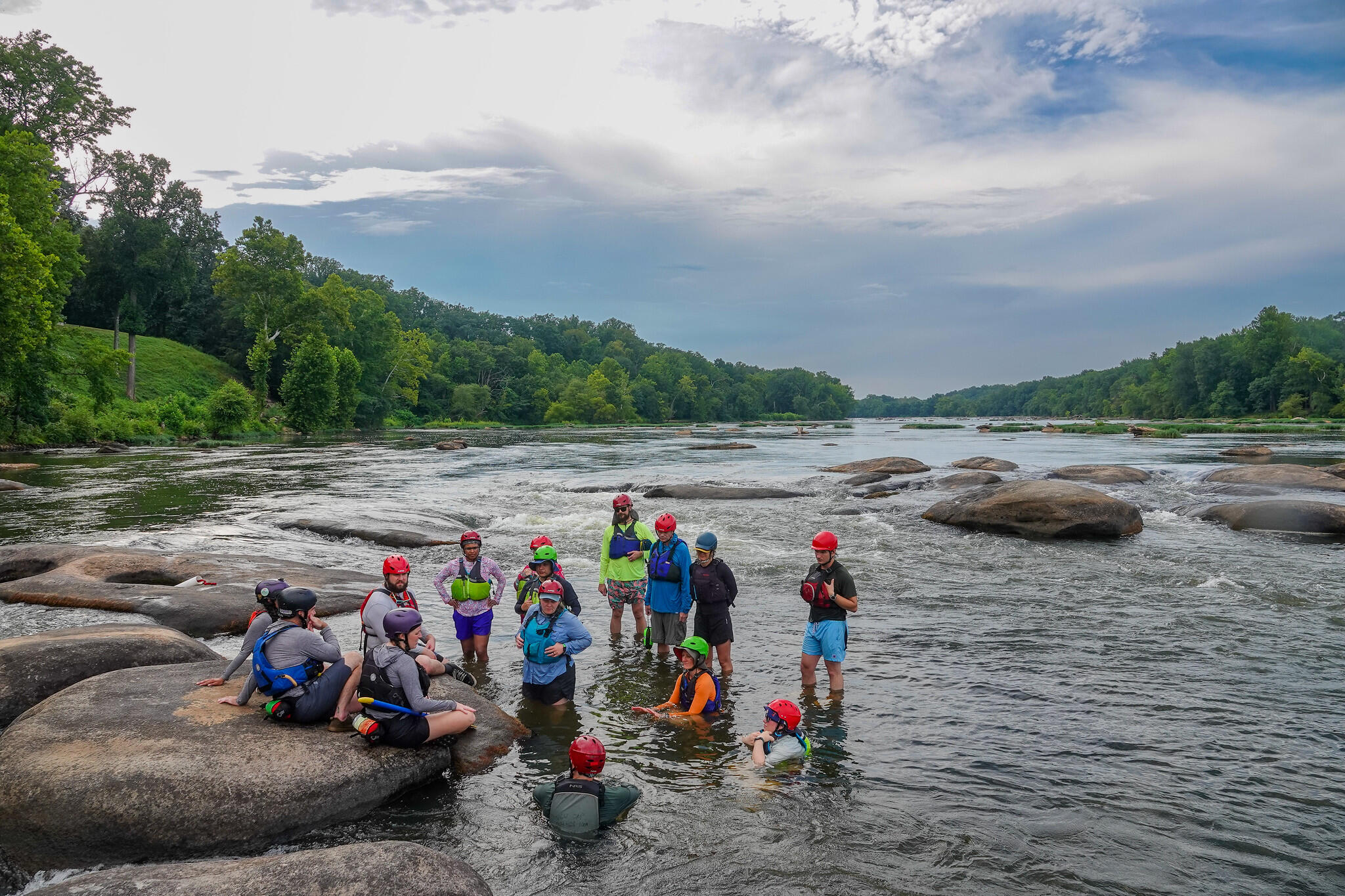
Photographers are drawn to Caño Cristales for its surreal palette, but safety and preservation remain priorities. The best light conditions occur early in the morning, when soft sun enhances the plants’ vibrant tones without harsh glare. Popular photography points include Tapete Rojo for wide red expanses and Los Ochos for geometric water-filled circles. Cascadas and smaller pools provide opportunities for detailed macro shots of aquatic plants. Tripods are allowed but should never touch the riverbed to avoid damaging vegetation. Visitors must remain on designated paths and follow guides’ instructions when approaching water. Swimming is only allowed in authorized sections, where it is safe for both people and plants. Drones are restricted, requiring special permits to ensure wildlife is not disturbed. Waterproof cases and dry bags protect equipment during sudden rain or canoe rides. Respectful behavior—no stepping into sensitive zones, no scattering rocks, and no leaving gear unattended—ensures safety for both the ecosystem and visitors. Responsible photography balances the desire for striking images with the duty to protect one of Colombia’s rarest ecological treasures.
Health & Vaccinations for Remote Jungle/Llanos Region
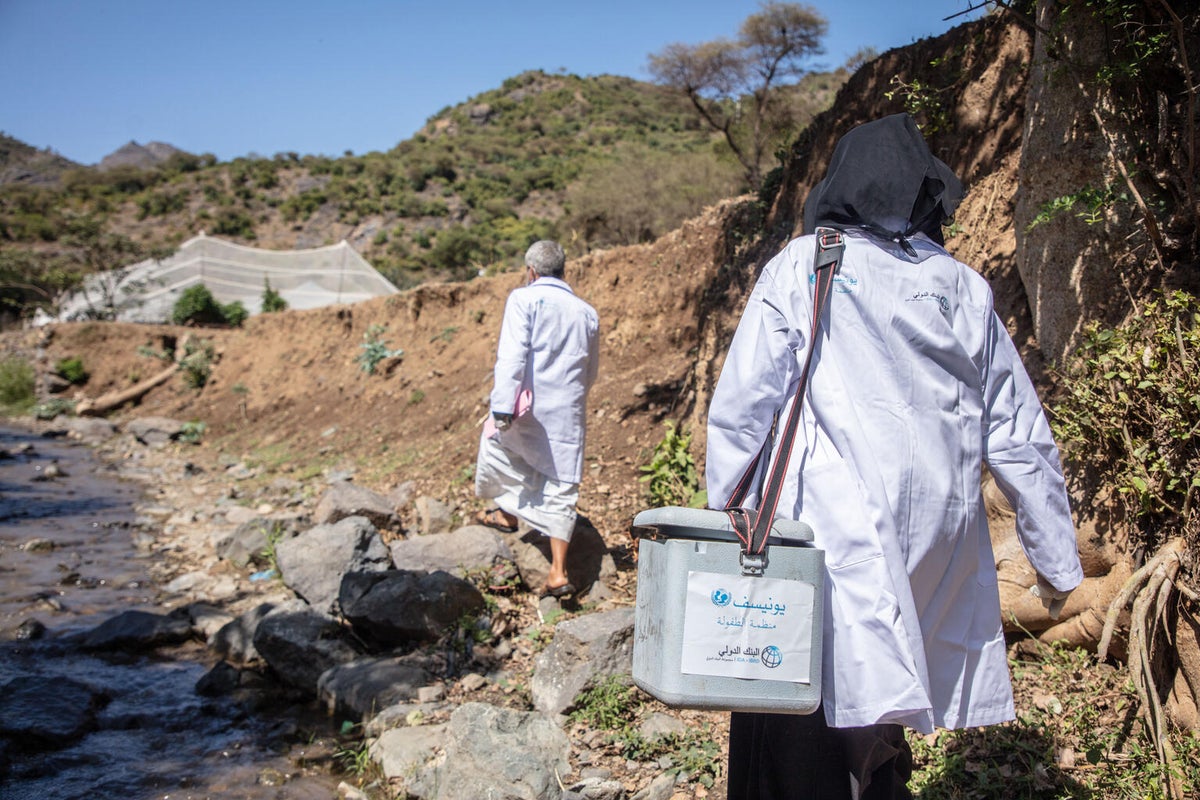
Preparation for a journey to Caño Cristales includes considering health precautions. The region sits within a tropical environment where mosquitoes are common, and preventive measures are essential. Vaccinations for yellow fever are recommended and sometimes required for entry into the Meta Department. Hepatitis A, typhoid, and tetanus boosters are also advisable for jungle travel. Malaria prophylaxis may be considered, though the risk is relatively low in La Macarena. Travelers should carry insect-proof clothing and avoid repellents harmful to the river’s ecosystem, relying instead on physical barriers. Drinking water should always be bottled or purified to avoid gastrointestinal issues. Travel insurance covering medical evacuation is strongly recommended, as healthcare facilities in La Macarena are basic. Bringing personal medications is vital, as pharmacies stock limited supplies. Visitors with respiratory or heart conditions should prepare carefully, as high humidity and strenuous hikes can be taxing. A basic first aid kit, including rehydration salts, blister treatments, and antiseptics, helps manage minor issues on the trail. By addressing these considerations before departure, travelers reduce risks and ensure a safer, more enjoyable adventure in this remote Colombian destination.
Cultural Experiences & Support Local Guides

Engaging with local culture adds depth to any Caño Cristales journey. The town of La Macarena is home to communities with strong Llanos traditions, where cattle ranching, folk music, and dance form part of daily life. Visitors often enjoy evening performances of joropo, a regional style combining harp, cuatro, and maracas. Dining with local families provides opportunities to taste traditional dishes while supporting community livelihoods. Certified local guides not only ensure ecological compliance but also share stories, history, and cultural insights that enrich the experience. Their role is central to sustainable tourism, as income from guiding directly benefits residents and reduces reliance on environmentally harmful industries. Purchasing handicrafts, attending community events, or participating in conservation initiatives are additional ways to contribute. Many tours highlight how past conflict in the region has shifted toward peace through tourism, making every visit part of a broader story of recovery and resilience. Supporting local people transforms the trip into more than just natural sightseeing—it becomes a cultural exchange rooted in respect and sustainability.