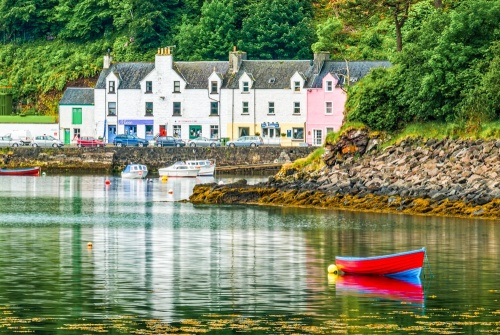
Color-rich streets, painted harbors, and character-filled façades reveal a softer, more playful side of Britain’s built heritage. This guide highlights villages and small towns where distinctive palettes reflect local history, maritime traditions, and creative communities. Readers gain clarity on where to find the most photogenic locations, when light and seasons enhance color, and how to visit respectfully without disrupting daily life. Practical planning context covers transport access, walking routes, and ideal stop durations. Suitable for photographers, weekend explorers, and slow-travel itineraries, the recommendations help prioritize places offering visual impact alongside genuine atmosphere, ensuring visits feel authentic rather than staged or overcrowded.
Tobermory, Isle of Mull
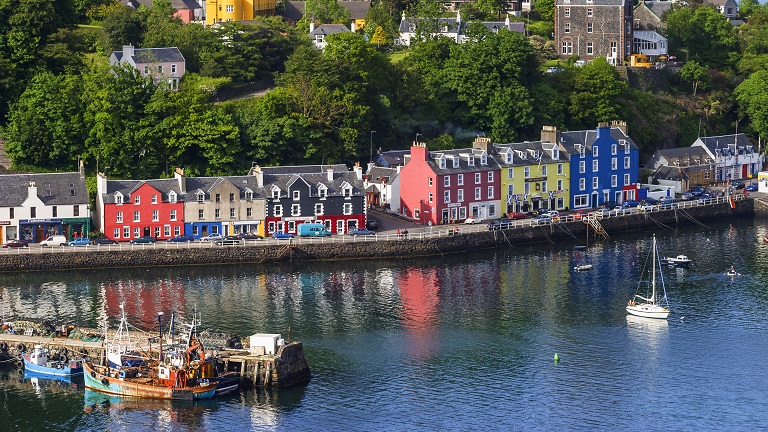
Pastel-painted waterfront buildings curve around a sheltered bay, forming one of Scotland’s most instantly recognisable harbours. The main street follows the shoreline, where restored Georgian houses glow in soft blues, yellows, and pinks, reflecting beautifully in calm waters on clear days. Fishing boats and small yachts still dominate daily life, giving the town a working-harbour feel rather than a staged attraction. Just uphill, quieter lanes reveal stone cottages, sea viewpoints, and access paths leading toward surrounding woodland. The harbourfront is ideal for relaxed walks, wildlife spotting, and photography, especially during golden hour when the colours deepen naturally. Local shops focus on island crafts, wool, and produce, while seafood restaurants highlight Mull’s fishing heritage. Nearby coastal walks often reveal seals, otters, and occasional dolphins offshore. Tobermory also works as a base for exploring the wider island, including dramatic cliffs, hidden beaches, and ancient standing stones. Despite its popularity, the town retains a calm rhythm outside peak hours, making it well-suited for slow travel. Compact, walkable, and visually striking, this harbour settlement delivers colour without feeling overcrowded or artificial.
Portmeirion, Wales
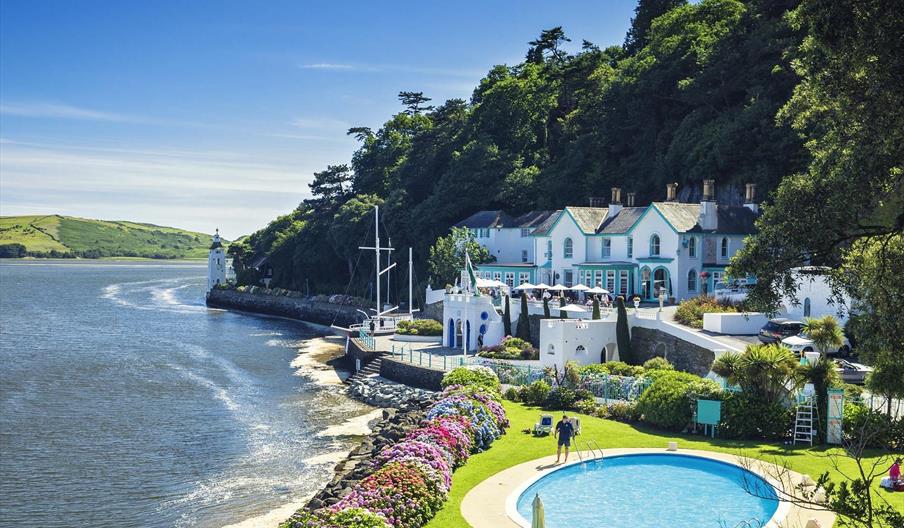
Unexpected Mediterranean styling rises from a wooded peninsula, creating a village that feels entirely separate from its Welsh surroundings. Italianate architecture, domes, arches, and pastel facades form a carefully planned layout designed to surprise at every turn. Winding paths open onto plazas, hidden courtyards, and panoramic viewpoints overlooking the Dwyryd estuary. Bright building colours contrast sharply with surrounding forest greens, especially after rainfall when surfaces appear freshly washed. Despite its theatrical appearance, the village remains peaceful, with limited vehicle access preserving its calm atmosphere. Gardens, terraces, and ornamental details reward slow exploration rather than hurried sightseeing. Visitors often recognise the setting from classic television history, yet the village experience extends far beyond that association. Seasonal flowers and climbing plants soften the bold architecture, keeping the space grounded in its natural environment. Cafés and small shops blend into the scenery rather than dominating it. Portmeirion feels curated without feeling artificial, offering colour through architectural harmony rather than density. The result is a visually rich destination that remains compact, walkable, and immersive, appealing equally to photographers, designers, and travellers seeking something distinctly different.
Tenby, Pembrokeshire
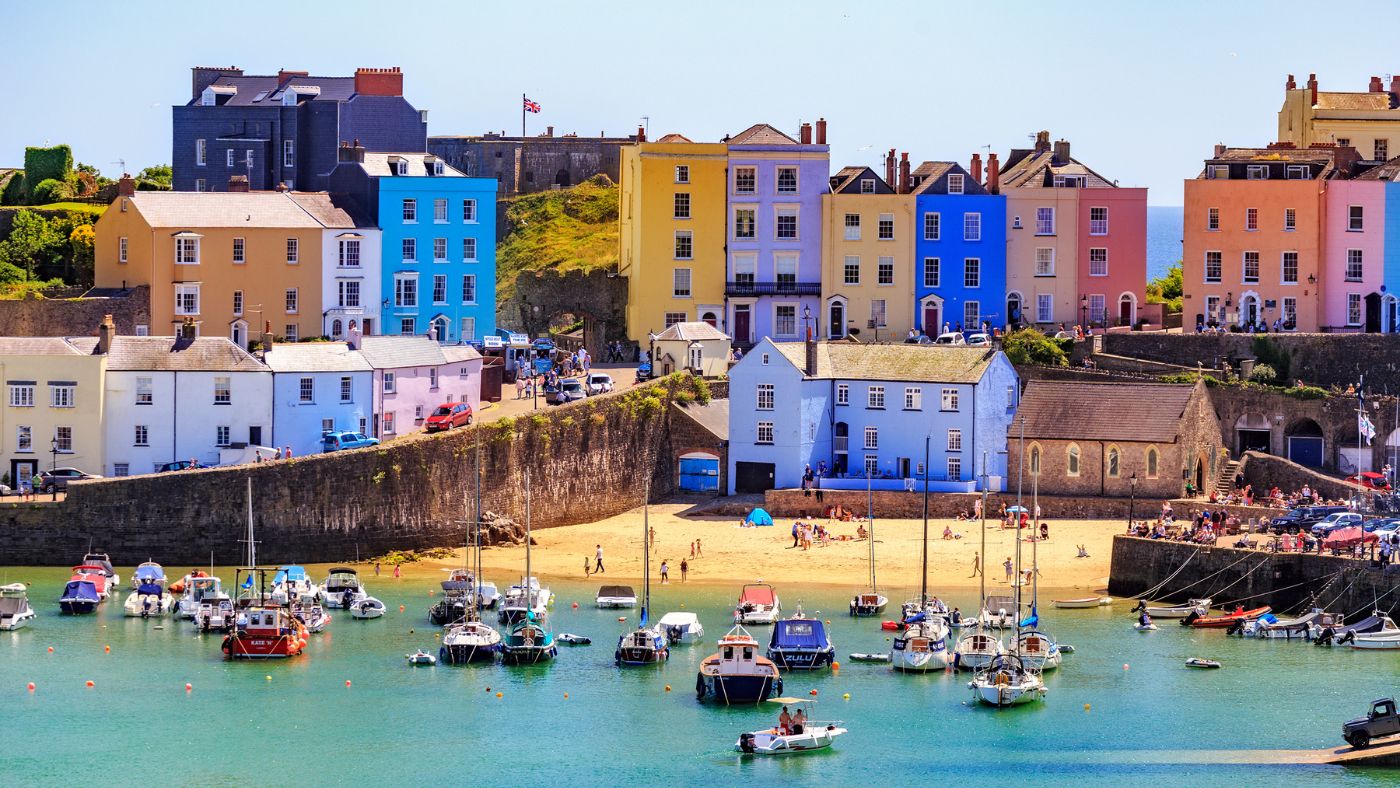
Pastel-hued houses rise above medieval stone walls, overlooking one of Wales’ most appealing coastal settings. Narrow streets lead down toward golden beaches, where the town’s colour palette contrasts beautifully with pale sand and turquoise water during calm conditions. Historic fortifications frame the old town, adding texture and depth to the scenery without overpowering its charm. Shops and cafés occupy converted townhouses, maintaining the original street rhythm rather than replacing it. The harbour area provides classic seaside character, with boats resting on exposed sand at low tide. Beyond the centre, residential lanes feel quieter and more local, balancing Tenby’s popularity with everyday life. Seasonal flowers spill from windowsills, softening the bold exterior colours. The town works well for short stays, offering beaches, coastal walks, and heritage sites within walking distance. Views from the clifftop paths reveal a layered landscape of rooftops, sea, and distant islands. Tenby’s appeal lies in its balance of colour, history, and accessibility, delivering a vibrant seaside experience without losing its traditional Welsh identity.
Shanklin Old Village, Isle of Wight

Thatched cottages and honey-toned stone create a softer, storybook style of colour rooted in traditional materials rather than paint. Set slightly inland from the main resort area, the old village feels sheltered and intimate, with tree-lined lanes and gentle slopes. Ivy-covered walls, wooden shopfronts, and small tearooms line the main street, maintaining a consistent visual character. Seasonal blooms and climbing roses provide natural colour shifts throughout the year. The nearby chine offers a dramatic natural contrast, with waterfalls, shaded paths, and sandstone cliffs framing the village edge. Evening light brings warmth to the stonework, enhancing its understated palette. Independent businesses dominate, giving the area a lived-in, local atmosphere rather than a commercialised feel. Footpaths connect easily to coastal walks and viewpoints above the English Channel. Shanklin Old Village succeeds through restraint, relying on texture, craftsmanship, and setting instead of bold colour blocks. This approach creates a calm, timeless environment ideal for visitors seeking gentle visual interest without crowds or noise.
Crail, Fife

Harbour-facing cottages display muted pastels and crisp whites, set against rugged stonework shaped by centuries of coastal weather. The compact layout leads naturally toward the small harbour, where fishing boats and lobster pots reinforce the village’s maritime roots. Colour appears in controlled bursts through doors, window frames, and flower boxes rather than dominating entire facades. Cobbled lanes and low walls create visual continuity, guiding movement through the village without distraction. Coastal light changes quickly here, enhancing textures and subtle hues throughout the day. Beyond the harbour, footpaths trace the shoreline, revealing wide sea views and rock formations. The village remains largely residential, with minimal tourist clutter, allowing architecture and setting to lead the experience. Historic buildings sit comfortably alongside everyday homes, avoiding the feel of a preserved museum. Crail’s charm lies in balance, offering colour through detail and contrast rather than saturation. This restraint creates a polished yet authentic atmosphere well-suited to quiet exploration and photography.
Clovelly, Devon
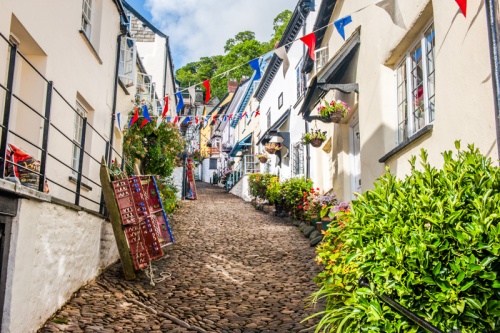
Steep cobbled streets cascade toward the sea, lined with whitewashed cottages accented by colourful doors and flower displays. The dramatic gradient defines the village experience, shaping sightlines and movement from top to harbour. Vehicles are absent, preserving both visual harmony and historic character. As the path descends, the harbour gradually reveals itself, framed by stone walls and fishing boats. Colour emerges through seasonal plants, maritime details, and painted woodwork rather than large surfaces. The surrounding coastline adds depth, with cliffs and open water contrasting the tight village layout. Local craft shops and galleries occupy former homes, maintaining architectural continuity. Early mornings and evenings offer the clearest sense of atmosphere, when light enhances textures without crowds. Clovelly feels deliberately preserved, yet daily routines continue behind its postcard appearance. The combination of elevation, restraint, and setting creates visual interest that feels earned rather than staged.
Staithes, North Yorkshire
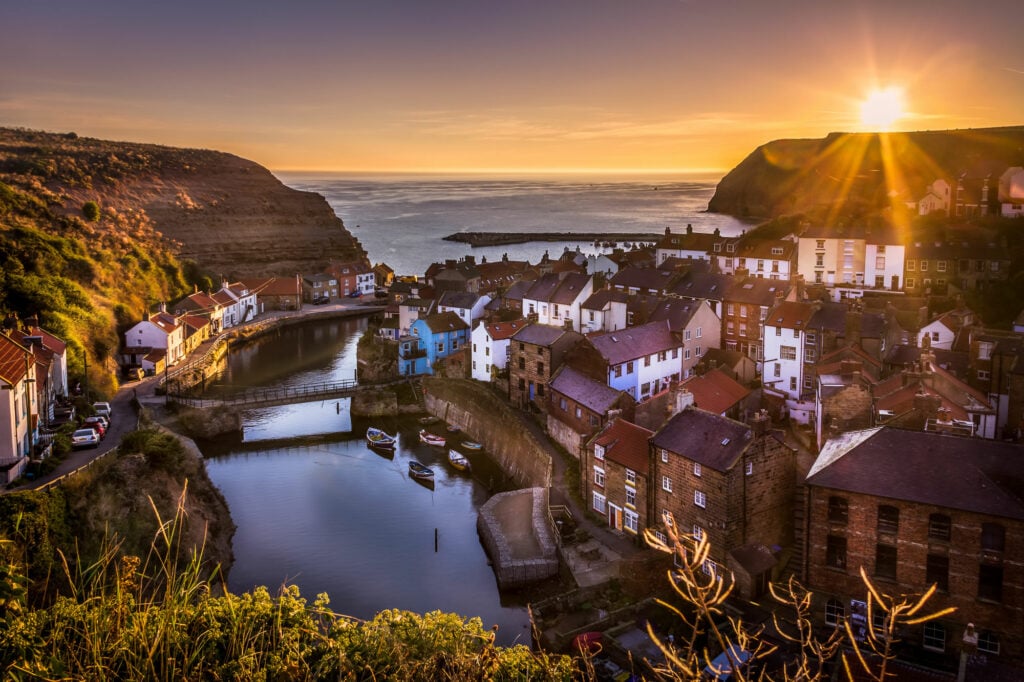
Red rooftops cluster tightly within a narrow valley, creating a striking contrast against grey stone and coastal cliffs. Former fishermen’s cottages step down toward the harbour, connected by winding lanes and stairways. The colour story comes primarily from roof tiles, boats, and doors, set against weathered masonry shaped by North Sea conditions. At low tide, the harbour opens into broad sands and rock pools, extending visual space beyond the village core. The surrounding cliffs form a protective frame, intensifying the sense of enclosure and scale. Artistic heritage remains visible through galleries and workshops integrated into existing buildings. Despite its popularity, the village retains an unpolished edge, avoiding decorative excess. Changing light dramatically alters the scene, from soft morning tones to dramatic evening shadows. Staithes offers colour through composition rather than decoration, creating a coastal village that feels grounded, historic, and visually compelling.
Rye, East Sussex

Cobblestone streets rise gently through a compact hill town, where timber-framed houses introduce warmth through aged brick, white plaster, and painted details. Subtle colour variations appear through doors, signage, and seasonal planting rather than bold façades. The medieval street layout adds depth and movement, revealing layered views with each turn. Elevated positions provide wide sightlines across marshland, contrasting the dense town centre. Historic inns, bookshops, and antique stores occupy centuries-old buildings without altering their character. Weathered textures dominate, allowing colour to enhance rather than distract. Quiet residential lanes sit just beyond the main streets, offering moments of calm away from foot traffic. Rye’s appeal lies in atmosphere, built from proportion, material, and restraint. The town feels cohesive and authentic, delivering visual richness without overstimulation. Its carefully balanced palette supports long walks, photography, and relaxed exploration year-round.
Chester Rows, Cheshire

Half-timbered façades line elevated walkways, forming a layered streetscape unlike anywhere else in the UK. Black-and-white framing dominates visually, punctuated by shopfront colours and historic detailing. The upper galleries create rhythm and depth, allowing views both along the street and down to ground level. Decorative woodwork, leaded windows, and carved posts add texture rather than relying on paint alone. The design keeps movement fluid, encouraging slow exploration through shaded corridors. Modern retail blends carefully with heritage architecture, preserving continuity. Seasonal displays and subtle lighting enhance visual interest without altering structure. Chester Rows succeed through architectural contrast, using strong monochrome forms softened by selective colour accents. The result feels distinctive, walkable, and historically grounded, offering visual complexity within a compact footprint.
Brixham, Devon
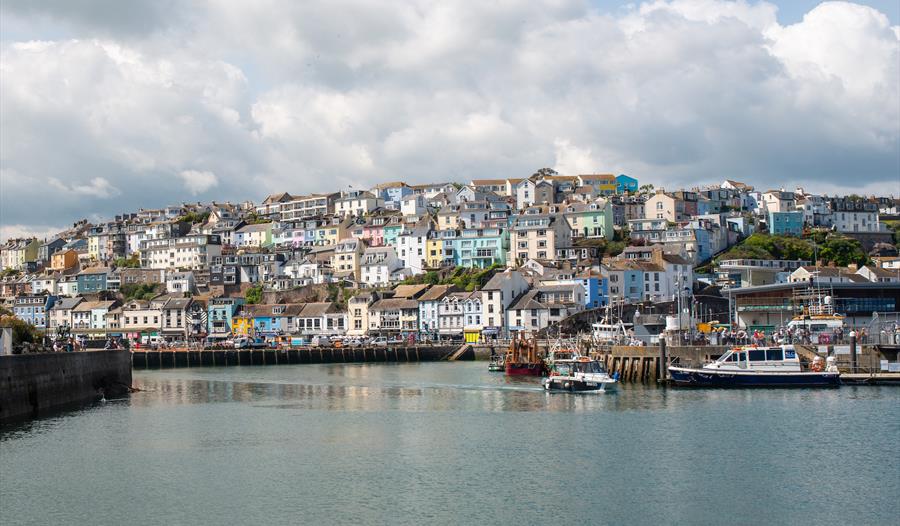
Colourful houses stack up the hillside around a busy fishing harbour, creating a natural amphitheatre effect. Brightly painted facades contrast with working boats, nets, and equipment along the waterfront. Unlike curated villages, colour here feels functional and lived-in. Steep streets reveal new perspectives with every turn, framed by sea views and harbour activity. The fishing industry remains central, grounding the town’s appearance in everyday use. Independent shops and cafés occupy former fishermen’s homes, retaining original proportions. Light shifts quickly across the slopes, intensifying colours during clear weather. Brixham balances vibrancy with authenticity, avoiding ornamental excess. The harbour remains the visual anchor, tying the town together through movement and sound. This working-port atmosphere gives the colour palette credibility rather than novelty.
Broadstairs, Kent
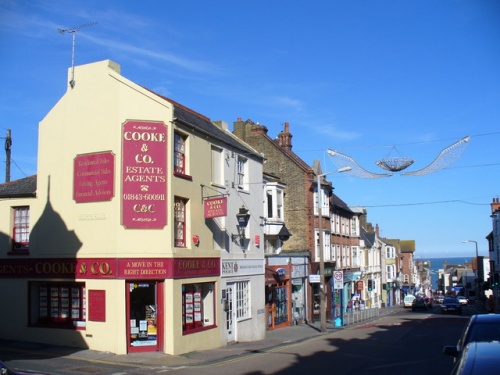
Seafront buildings introduce soft pastels and crisp whites, framing sandy bays and open promenades. Victorian and Georgian architecture sets the visual tone, with colour appearing through balconies, railings, and shopfronts. The town feels open and airy compared to tighter coastal villages, allowing sky and sea to dominate. Small beaches sit between chalk cliffs, adding natural contrast to the built environment. Independent cafés and bookshops reinforce a relaxed seaside rhythm. Seasonal light enhances the palette without overpowering it. Residential streets maintain continuity, avoiding abrupt visual shifts. Broadstairs offers approachable colour through scale and spacing, creating a coastal town that feels welcoming rather than crowded.
Portree, Isle of Skye