
Travellers interested in England’s heritage often seek out the landmarks that define its identity, from ancient stone circles to grand architectural icons that shaped global culture. These sites offer meaningful context for understanding the nation’s past while providing memorable experiences for modern visitors. Whether someone values history, design, or scenic viewpoints, England delivers a wide range of destinations worth prioritising. This guide brings together the most famous landmarks in England to visit, offering clear insight and practical value for readers planning an efficient, well-rounded itinerary filled with nationally significant attractions and unforgettable moments.
Tower Bridge’s Glass Walkway Experience

Visitors immediately sense the thrill as they approach this elevated walkway suspended above London’s iconic river crossing. The moment the glass panels appear beneath your feet, the scale of the Thames and the bustle of the city reveal themselves from a rare vertical angle. Watching red buses and boats pass directly below adds a sense of drama that makes this engineering marvel unforgettable. Historical displays along the route help you understand how the bridge was constructed, offering a deeper appreciation for the Victorian innovation behind its bascule system. The walkway also provides panoramic views reaching across the skyline toward Canary Wharf, the Shard, and St Paul’s Cathedral, making it an ideal stop for travellers seeking both excitement and perspective. Visiting during quieter hours allows you to fully enjoy the sensation of walking above one of London’s busiest crossings. For those interested in photography, the geometric lines and shifting reflections on the glass create compelling compositions. Tower Bridge’s upper level delivers a blend of heritage and adrenaline, making it one of the most distinctive viewpoints among England’s famous landmarks. Every step highlights the city’s dynamic flow and reinforces why this landmark remains central to London’s character.
Stonehenge Inner Circle Access at Sunrise
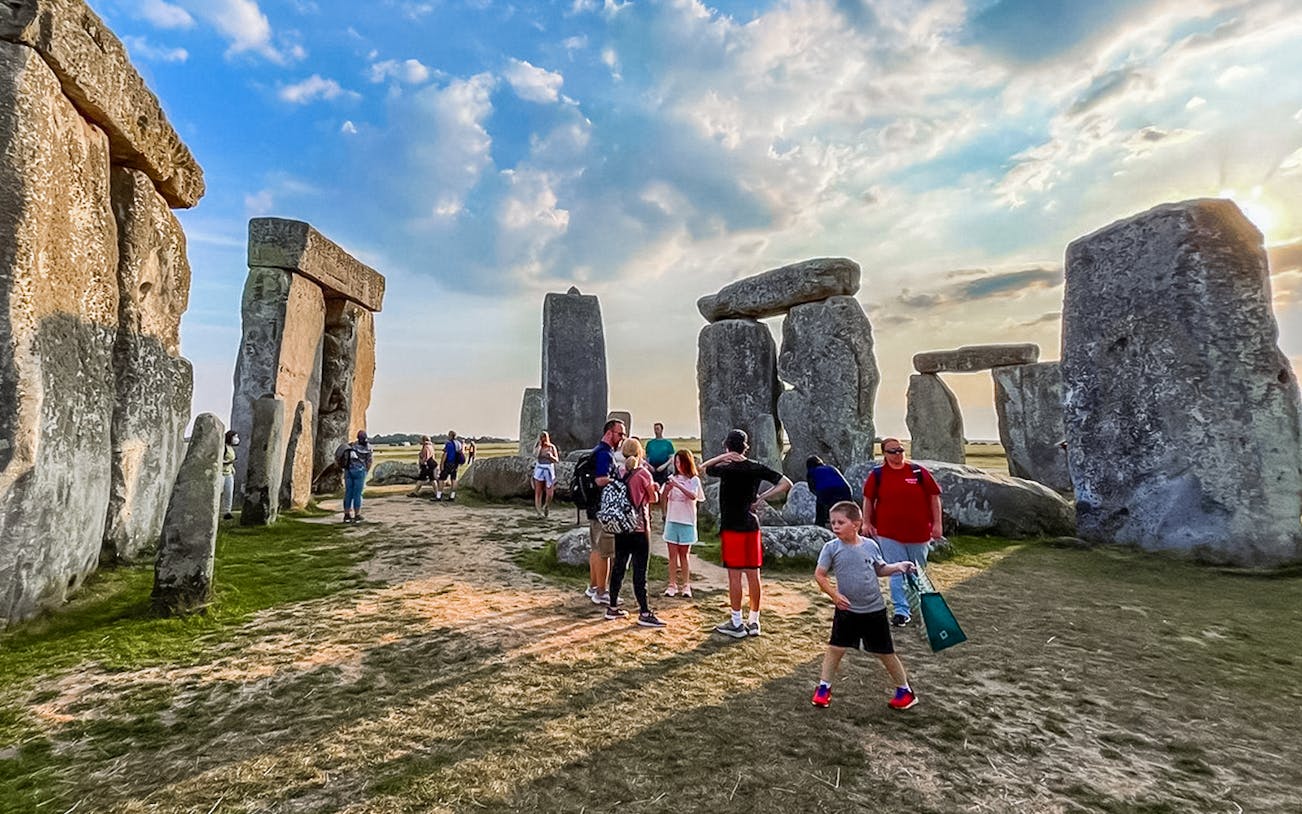
Early morning access offers a profound shift from typical views behind the barriers, placing you inside the ancient stone circle at a moment when light transforms the landscape. As the sun rises across Salisbury Plain, the shadows and silhouettes of the monoliths reveal textures and alignments not visible from a distance. This rare experience encourages quiet reflection on the site’s long-standing mysteries, including its astronomical significance and the theories surrounding its Neolithic builders. The atmosphere at dawn feels remarkably intimate, with fewer visitors and a stillness that amplifies the monument’s ceremonial importance. Guides often share archaeological insights about burial mounds, solstice alignments, and the transportation of the bluestones, helping you connect the sunrise moment with Stonehenge’s broader cultural past. Inner Circle access also provides exceptional photographic opportunities, particularly when the first rays illuminate the standing stones. Many visitors describe this experience as the most meaningful way to encounter one of England’s most iconic landmarks. With the surrounding plain gradually brightening, the sense of stepping back thousands of years becomes even more powerful. Stonehenge at sunrise offers an encounter that blends awe, historical depth, and natural beauty in a way few heritage sites can match.
York Minster’s Gothic Central Tower Climb

Ascending York Minster’s central tower introduces visitors to one of northern England’s most commanding views. The journey begins inside the cathedral’s intricately carved interior, where centuries of craftsmanship set the tone for the climb ahead. More than two hundred stone steps spiral upward through narrow passageways, revealing structural elements typically hidden from ground-level visitors. Reaching the open-air platform rewards the effort with panoramic scenes stretching across York’s medieval street layout, the city walls, and the surrounding countryside. From this vantage point, the cathedral’s flying buttresses and ornate pinnacles appear in impressive detail, showcasing the architectural ambition behind this iconic Gothic structure. Informational plaques help you identify key landmarks, making the viewpoint both educational and visually striking. The ascent also highlights the engineering achievements of medieval builders, whose work continues to define the city’s skyline. Visiting during clear weather provides the best visibility, though the tower retains its dramatic appeal in shifting light. For travellers seeking a deeper connection to York’s heritage, the climb offers an immersive perspective that complements the cathedral’s interior treasures. Standing high above the historic streets, the experience reinforces why York Minster remains one of England’s most revered and recognisable landmarks.
The Roman Baths After-Hours Torchlit Visit

Evening entry transforms this ancient complex into an atmospheric encounter with Bath’s Roman heritage. Soft flames flicker across the surface of the Great Bath, casting reflections on the limestone columns and creating a setting that feels remarkably timeless. Without daytime crowds, visitors can appreciate architectural details and listen to the natural sounds of the thermal spring flowing beneath the structure. Guides share stories about Roman rituals, engineering methods, and the significance of Aquae Sulis as a centre of worship and healing. Torchlight deepens the sense of connection to those who once used the baths for religious offerings and social gatherings. Exhibits displaying sculptures, coins, and preserved artifacts gain a new level of impact in the subdued light. The walkways surrounding the pool provide excellent vantage points for observing the interplay between water and stone, especially as steam rises on cooler evenings. Audio commentaries offer historical context while allowing the ambience to remain immersive. This after-hours experience feels more like stepping into a preserved moment rather than visiting a typical museum space. The Roman Baths at night deliver a rare blend of archaeology, atmosphere, and storytelling that showcases one of England’s most celebrated heritage sites in its most evocative form.
Windsor Castle’s State Apartments Tour

Walking through the State Apartments reveals the ceremonial heart of Britain’s longest-occupied royal residence. Visitors begin in grand corridors lined with portraits, armour, and tapestries that reflect centuries of monarchy. Each room showcases craftsmanship ranging from intricate plaster ceilings to gilded detailing and polished woodwork. St George’s Hall stands out for its vast scale and heraldic displays, symbolising the importance of royal ceremonies held here. The semi-state rooms, restored after the 1992 fire, shine with renewed elegance and illustrate the resilience of the castle’s historic architecture. Guides and audio descriptions provide insight into the roles each space continues to play during official events, helping guests connect the decorative splendour with royal tradition. Views from the upper levels overlook Windsor’s landscaped grounds and the town below, emphasising the castle’s strategic position above the Thames. Seasonal exhibits often highlight treasures from the Royal Collection, offering additional layers of interest for art and history enthusiasts. Exploring the State Apartments delivers an engaging journey through spaces still actively used by the modern monarchy. With their preserved interiors and ceremonial relevance, they present a vivid look into Britain’s royal heritage, making Windsor Castle one of England’s most significant and enduring landmarks.
St Paul’s Cathedral Whispering Gallery
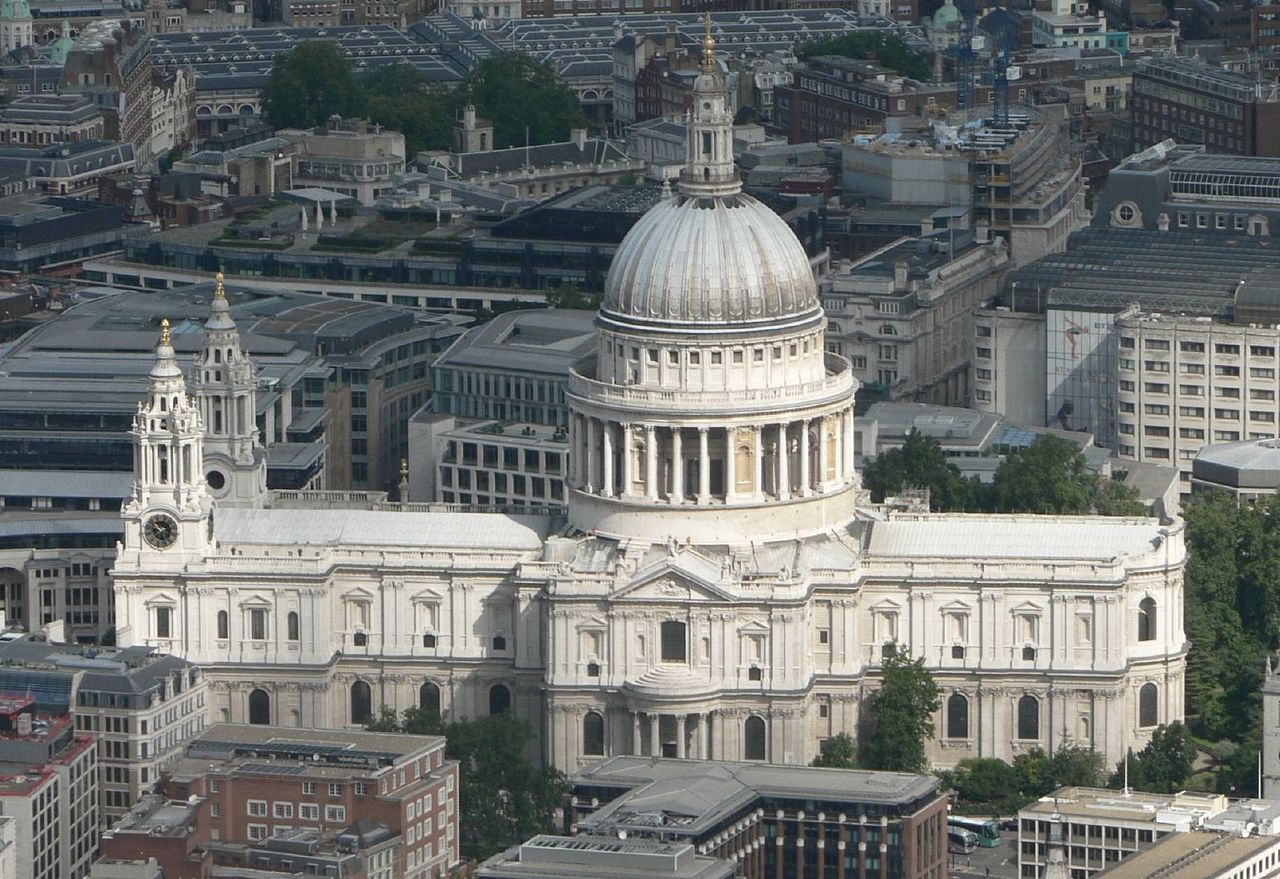
Stepping into the dome’s interior walkway introduces visitors to a unique acoustic feature that has fascinated guests for generations. The circular design allows even the softest words to travel across the gallery’s curved wall, creating a subtle echo that demonstrates the precision of Sir Christopher Wren’s architectural vision. Before reaching this level, the ascent passes through staircases revealing glimpses of the cathedral’s structural framework, offering insight into the engineering behind its monumental form. Once inside the gallery, visitors can appreciate detailed mosaics, sweeping arches, and the vastness of the nave below. The vantage point provides a new understanding of scale, showing how the dome unifies the building’s interior space. Staff often explain how the acoustics work and share stories about historic moments connected to the whispering effect. From here, many continue upward to the Stone Gallery or Golden Gallery for views over London, making this stop an important transition in the full dome experience. The Whispering Gallery remains one of St Paul’s most intriguing features, blending architectural genius with sensory discovery. Its combination of history, design, and atmosphere ensures it remains a highlight for travellers exploring England’s most renowned religious landmarks.
Canterbury Cathedral’s Hidden Cloisters
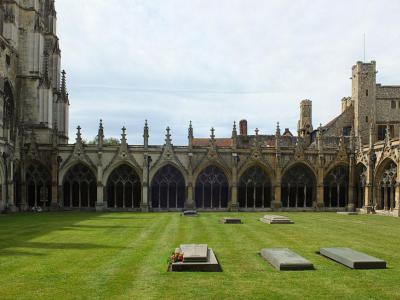
Stepping away from the main nave into the cloistered walkways reveals a quieter side of Canterbury Cathedral where centuries of monastic life echo through the stone arcades. The layout showcases Gothic tracery, carved bosses, and weathered columns that highlight the craftsmanship behind this UNESCO-listed site. Sunlight filtering through the arches creates shifting patterns on the flagstones, adding to the contemplative atmosphere. Historically, these cloisters linked vital areas of the medieval monastery, serving as a place for reading, reflection, and passage between the chapter house and other functional spaces. Interpretive boards help you understand how monks once used these corridors as part of their daily routines. Access to these lesser-visited areas offers a more intimate understanding of the cathedral’s architectural evolution, including sections rebuilt after the late medieval fires. The surrounding gardens provide a peaceful contrast to the cathedral’s grand interior, making this area ideal for those seeking quieter moments during their visit. As you walk along the cloisters, the intricate stonework and echoes of history emphasise the cathedral’s enduring importance as a centre of pilgrimage. These hidden walkways offer a memorable insight into the spiritual and architectural heritage that continues to define Canterbury’s identity.
The Shambles Medieval Street Walk in York

Exploring this remarkably preserved street places visitors within one of York’s most atmospheric medieval settings. Timber-framed buildings lean closely together, creating narrow passageways that reflect centuries of adaptation and craftsmanship. Many façades date back to the fourteenth century, when the street thrived as a centre for butchers’ shops. Signs and plaques highlight the history of the overhanging structures, once designed to keep meat shaded from the sun. Today the Shambles is lined with independent boutiques, chocolatiers, and small eateries, offering a lively blend of heritage and local business. The uneven cobblestones and projecting upper floors contribute to a sense of stepping back in time, making it one of the city’s most photographed locations. Early mornings or evenings provide the best opportunity to appreciate the architectural details without the usual crowds. Visitors often extend their walk into the nearby passageways known as Snickelways, where additional medieval features can be found. The street’s character connects closely with York’s wider history, particularly its role as a trading hub. A visit to the Shambles offers an immersive experience that combines architectural authenticity with modern charm, securing its place among England’s most celebrated historic streets.
The White Cliffs of Dover Coastal Path

Walking along these dramatic chalk cliffs reveals sweeping views across the English Channel and a landscape shaped by natural forces over millions of years. The path begins near the visitor centre, guiding travellers along well-maintained routes that follow the cliff edge while remaining safe and accessible. As you move southward, the vibrant contrast between green headlands and white rock face becomes increasingly striking. Clear days offer occasional glimpses of France, emphasising the cliffs’ historic role as a symbol of Britain’s coastal identity. Along the route, interpretive signs explain geological formations, wartime tunnels, and the region’s importance during pivotal moments in military history. Wildlife enthusiasts can look for nesting seabirds and seasonal wildflowers that thrive in this chalk grassland environment. Further along the path, viewpoints near South Foreland Lighthouse provide excellent photo opportunities and a chance to learn more about Victorian navigation. Whether you choose a short stroll or a longer hike, the experience combines scenic beauty with cultural resonance. The White Cliffs walk remains one of England’s most iconic outdoor experiences, offering a memorable connection to both landscape and heritage.
Durham Cathedral + Riverside Loop

Approaching Durham Cathedral from the riverside path offers a breathtaking perspective on this UNESCO-listed landmark. The route begins near Framwellgate Bridge, leading visitors along a tree-lined walkway that wraps around the peninsula formed by the River Wear. The cathedral’s towers rise above the wooded slopes, creating a dramatic backdrop that shifts with every turn. Walking this loop provides excellent viewpoints for photography and a serene alternative to exploring the cathedral solely from the city streets. Informative plaques highlight the area’s medieval history, including defensive structures and the strategic design of the peninsula. Once inside the cathedral, travellers can appreciate Norman architecture, detailed stone vaulting, and the historic shrine of St Cuthbert. The combination of riverside scenery and monumental architecture creates a uniquely layered experience. Wildlife such as herons and ducks add to the natural ambience along the water. After completing the loop, many visitors choose to climb the cathedral tower or explore Palace Green for additional historical context. This circular route delivers a balanced blend of nature and heritage, reinforcing why Durham remains one of England’s most impressive cathedral cities.
Bath’s Royal Crescent Lawn Viewpoint

Standing on the expansive lawn facing the Royal Crescent offers a clear appreciation of one of Britain’s finest examples of Georgian architecture. The sweeping curve of thirty terraced houses reveals perfect symmetry, harmonious proportions, and honey-coloured Bath stone that glows warmly in natural light. From this vantage point, visitors can observe how the design integrates with the surrounding landscape, particularly the open green space that contrasts with the elegant façade. Interpretive panels nearby provide background on architect John Wood the Younger and the eighteenth-century vision that shaped this remarkable urban landmark. The lawn itself is a popular spot for relaxed sightseeing, with plenty of space to appreciate the Crescent’s scale without obstruction. Many travellers combine their view with a visit to No. 1 Royal Crescent, a museum furnished in period style that illustrates life during the Georgian era. Photography enthusiasts find this location ideal for capturing architectural rhythms and the gentle sweep of the crescent. Whether you visit during a sunny afternoon or under the soft hues of early evening, the setting remains consistently impressive. The Royal Crescent’s iconic design and historical significance continue to define Bath’s architectural heritage, making this viewpoint essential for anyone exploring the city.
The Eden Project Biorespheres in Cornwall
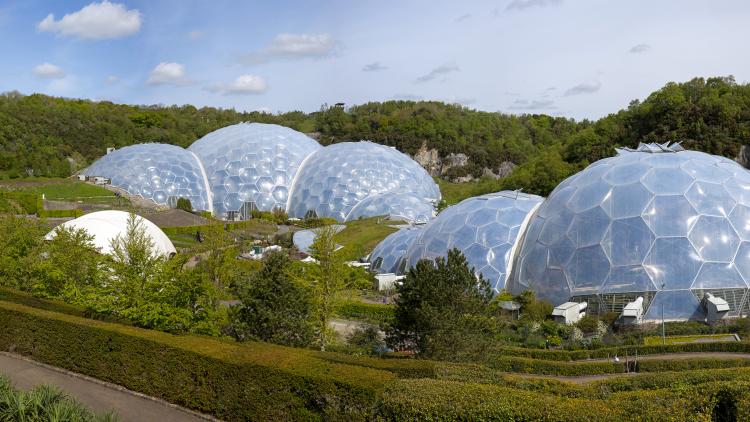
Entering the Eden Project’s vast biomes introduces visitors to an immersive exploration of global ecosystems under innovative structures. The domed biomes replicate environments ranging from humid rainforests to Mediterranean landscapes, allowing travellers to experience diverse climates within a single site. Walkways lead through layers of vegetation, waterfalls, and carefully curated plant collections that highlight ecological diversity and the importance of conservation. Informative displays explain how species adapt to their environments, offering educational insight alongside the visual spectacle. The Rainforest Biome, the largest of its kind, features towering trees, suspended walkways, and habitats designed to showcase sustainability in action. In contrast, the Mediterranean Biome provides a calmer environment filled with aromatic herbs, vibrant flowers, and region-specific crops. Outside the biomes, landscaped gardens present additional opportunities to learn about pollinators, soil health, and environmental innovation. Seasonal exhibitions and art installations further enrich the experience, making each visit unique. The Eden Project stands as one of England’s most forward-thinking landmarks, blending education, ecological awareness, and architectural creativity. Whether you’re interested in horticulture, sustainability, or distinctive attractions, the biospheres offer a memorable encounter with the natural world.