
Stone pillars rising from Thessaly’s plains carry not just monasteries—but centuries of devotion, endurance, and awe. Perched atop towering rock formations, the Meteora monasteries defy gravity and expectation, offering a rare intersection of spiritual heritage and geological wonder. Monks once scaled these cliffs with rope ladders and baskets, seeking isolation to deepen their faith. Today, travelers come seeking the same transcendence through sweeping views, ancient frescoes, and meditative silence. For those fascinated by history, architecture, or sacred spaces in dramatic landscapes, this guide reveals everything needed to experience Meteora with reverence, curiosity, and a deep appreciation for its enduring legacy.
Sunset Rock Panoramic Vista Over Monasteries

Evenings in Meteora take on a surreal calm as the sun dips behind sandstone spires. Sunset Rock—near Psaropetra lookout—offers one of the region’s most expansive views, where multiple monasteries perch precariously across the valley, their domes glowing with golden-hour hues. This spot is popular yet spacious, so arriving 30–45 minutes before sunset ensures a prime seat atop the smooth, weathered rock face. Photographers often favor this location for capturing the unique alignment of Varlaam, Roussanou, and Great Meteoron in one sweeping panorama.
The silence is broken only by the distant toll of bells or the occasional murmur of fellow visitors reflecting on the view. For those who prefer a peaceful sunset experience, weekdays offer a quieter atmosphere compared to busier weekend crowds. There’s no formal signage, but locals and online forums provide clear directions from Kastraki. Walking shoes with good grip are recommended due to the rocky terrain.
This spot not only grants a visual spectacle—it gives a deeper appreciation for the monks’ resilience and the sheer improbability of their architectural feats. Few sunset locations rival the blend of spiritual gravity and natural drama that Sunset Rock delivers. It’s not just a photo opportunity—it’s a moment of awe in real time.
Early-Cation Great Meteoron Sunrise Visit

Morning light reveals the vast scale and majesty of Great Meteoron like no other time of day. Arriving before opening hours ensures a quiet approach and allows early risers to witness the monastery glow as the sun breaks over the eastern ridges. Though the official gates typically open around 9 a.m., the walk up the steep stone steps from the parking area offers ample pre-entry views and golden photography conditions.
Great Meteoron is the largest of the six accessible monasteries and sits atop the highest pillar. The climb is rigorous but manageable, and well worth it for those seeking solitude before tour groups arrive. Sunrise timing also casts dramatic shadows across the valley, illuminating both the cliffs and Roussanou far below.
Packing a small breakfast or coffee to enjoy on the overlook benches adds comfort to this early-morning ritual. Modest attire is still essential even when arriving before opening, as locals and monks may be tending to morning duties.
This experience is more than just about beating crowds—it’s about feeling the sacred energy of a monastery still half-wrapped in sleep, set against a sky turning from lavender to amber. For photographers and seekers alike, it’s a moment of calm that lingers.
Hidden Trail to Holy Trinity Cliff-Perch

Navigating the lesser-known path to the Holy Trinity Monastery reveals a dramatic cliffside ascent often missed by casual visitors. This rugged trail begins from Kalabaka’s western edge, winding through pine-scented hills and skirting the edge of exposed rock ledges. The climb is steep in sections but rewards with raw panoramas and a cinematic approach to the monastery, famously seen in the James Bond film “For Your Eyes Only.”
Unlike the standard staircase access used by most tourists, this alternate trail provides a sense of pilgrimage—solitary and reflective. Signage is minimal, so carrying an offline map or asking locals is wise before setting out. This hike takes around 45 minutes each way, offering multiple natural lookouts along the route where the sandstone towers feel within reach.
Upon arrival, visitors stand directly beneath Holy Trinity’s platform, marveling at its isolation. The final approach includes carved steps hugging a sheer drop, so sturdy footwear and caution are essential.
While the main road provides quicker access, this hidden trail grants an unforgettable connection to Meteora’s monastic heritage through effort and immersion. It’s not just a hike—it’s a journey that echoes the perseverance of those who chose to worship from the sky.
St. Stephen’s Convent via Bridge Access
Crossing a suspended footbridge to reach St. Stephen’s feels like walking into a sky temple. Unlike other monasteries that require arduous climbs, this convent offers effortless access, making it ideal for travelers with mobility concerns or limited time. The short bridge connects directly from the parking area to the monastery gates, yet the views remain just as breathtaking.
Inside, visitors find ornate frescoes, intimate chapels, and a quiet courtyard blooming with seasonal flowers. St. Stephen’s is one of the few active convents, and its current inhabitants maintain a welcoming yet reverent atmosphere. The chapel of Saint Charalambos, containing relics, remains a spiritual highlight, while the views over the Thessalian plain stretch endlessly to the horizon.
Photography is permitted in certain areas, but discretion is advised, especially during prayer times. Early afternoon visits typically offer the best lighting without the congestion of larger tour groups. Modest clothing is strictly enforced—skirts or long trousers and covered shoulders are a must.
This monastery’s ease of access makes it perfect for families or older travelers, yet it doesn’t compromise on serenity or spiritual gravitas. The bridge may be short, but it connects two worlds—one of everyday bustle and one of elevated peace, quiet contemplation, and centuries-old devotion.
Pre-Opening Pull-Off Drive Photo Circuit

Driving the Meteora loop road at dawn unveils a side of the landscape few travelers ever witness. Before the monasteries open their gates, the roads winding between Kastraki and Kalabaka offer several unmarked pull-offs ideal for unobstructed photography. These stops—often just gravel nooks beside the road—allow early visitors to shoot wide panoramas or zoomed-in details of distant monasteries without crowds, buses, or harsh midday glare.
Light fog often drapes the valley in the early hours, with monastery spires emerging like ghostly towers through the mist. This magical hour creates atmospheric shots that feel pulled from myth rather than reality. Travelers who time their circuit to align with the first light find themselves with frame-worthy compositions at every bend.
Some of the best pull-offs sit near the switchbacks leading to Varlaam and Roussanou, but the loop road’s full circuit offers at least a dozen worthy stops. Drivers should remain cautious of narrow shoulders and occasional wildlife crossings.
Rather than rushing to the first open gate, taking a deliberate hour to explore these pull-off viewpoints offers a rewarding primer for the full Meteora experience. It’s the quiet before the reverent buzz—where the sky, cliffs, and heritage first whisper their stories.
Overnight Stay in Kastraki for Dusk & Dawn
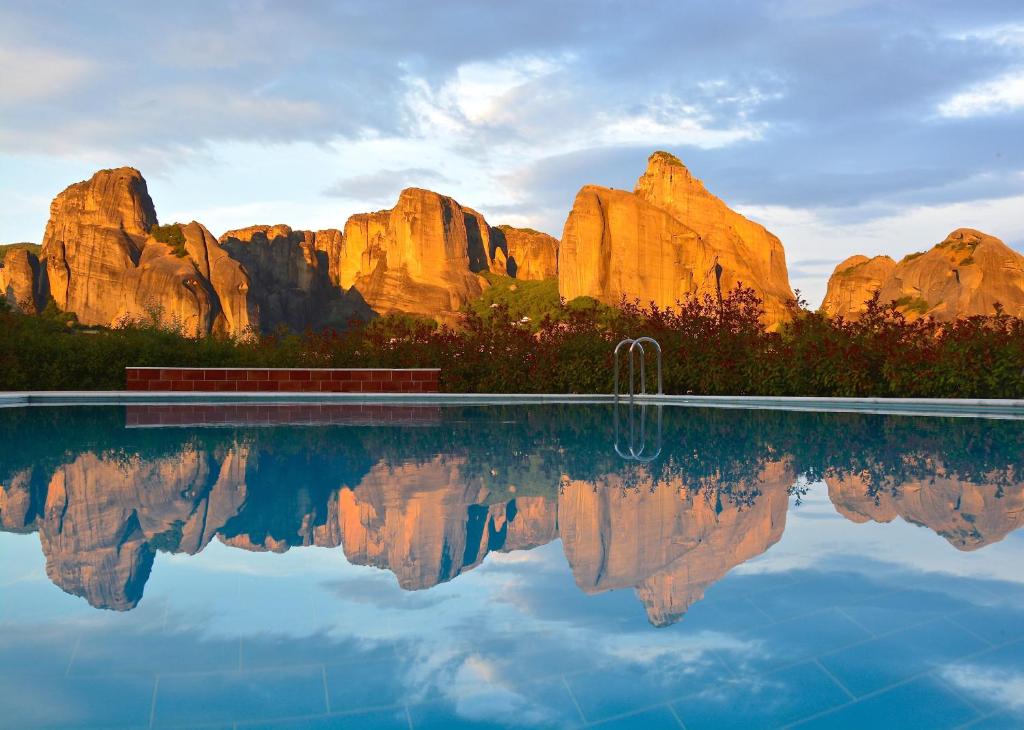
Base lodging in the nearby village of Kastraki transforms a Meteora visit from day trip to immersive pilgrimage. Nestled right beneath the rock spires, Kastraki allows visitors to witness both dusk and dawn without the rush of Kalabaka traffic or late-arriving tour groups. Small guesthouses with terrace views deliver golden-hour magic right from the balcony.
Staying overnight enables easy access to sunset lookouts like Psaropetra or Sunrise Rock with minimal effort. Morning hikers can reach nearby trails before crowds form, and dusk explorers can linger at scenic points without worrying about driving back late.
The village itself retains a quiet, authentic charm. Tavernas serve up regional dishes like spetsofai or baked feta under twinkling lights, while stone houses with flowering courtyards line narrow paths. Most lodgings offer monastery visiting tips, clothing guides, and trail advice—essential for maximizing a short stay.
Even a single night here shifts the pace and deepens the connection to Meteora’s spiritual setting. Time stretches when you’re not on a schedule, and the sacred silence of early morning or post-sunset lingers longer when your room is only minutes away.
For travelers craving both beauty and presence, Kastraki’s overnight experience grounds the visit with grace and ease.
Two-Night Visit to Pace Visits Smoothly

Extending your stay to two nights offers the perfect rhythm to appreciate Meteora without exhaustion or crowds. With six active monasteries open on alternating days, a two-night itinerary enables travelers to visit multiple sites without cramming them into a single afternoon. Morning hours can be reserved for quieter, less-touristed visits, while late afternoons lend themselves to scenic walks, golden-hour photography, or revisits to a favorite viewpoint.
On day one, visitors can explore Great Meteoron and Varlaam early, then venture to Roussanou or Holy Trinity after lunch when bus traffic diminishes. Day two allows for relaxed exploration of St. Stephen’s, Agios Nikolaos, and surrounding lookouts. Between stops, leisurely village meals and short trail link hikes between monasteries enrich the experience.
Kastraki or Kalabaka lodging helps reduce drive times, offering flexibility for sunrise and sunset views each day. This pace also allows time to absorb the spiritual depth and artistry of each site instead of rushing through to meet entry windows.
Choosing a two-night itinerary isn’t just about convenience—it’s about connection. It respects the setting’s sacred ambiance while avoiding tourist fatigue. Meteora’s grandeur unfolds best with space and time, and this plan gives both without compromise.
Respectful Attire Required at Monasteries

Visiting Meteora’s monasteries requires more than just tickets and timing—it demands cultural respect through appropriate attire. Each monastery enforces a strict dress code grounded in centuries of religious tradition. Women must wear skirts that fall below the knee (not pants), and shoulders must be fully covered. Men should wear long pants and avoid sleeveless tops.
Many visitors are surprised to find that even yoga pants or shorts under wrap skirts are not permitted. Some monasteries offer loaner wraps at the entrance, but it’s best to come prepared. Lightweight scarves and long skirts or wraps can be easily packed and slipped on before entering.
These guidelines aren’t arbitrary—they reflect the monastic lifestyle and the sacredness of the spaces you’re entering. Dressing accordingly signals that you’re not just a tourist but a respectful guest.
Beyond clothing, silence and considerate behavior are expected. Flash photography is often restricted, and mobile phone use is discouraged inside. Keeping voices low and avoiding disruptive behavior ensures that the tranquil atmosphere remains intact for monks, nuns, and fellow visitors.
Honor the space and the centuries of devotion it represents. Appropriate attire isn’t merely about rules—it’s a gesture of reverence that elevates the entire Meteora experience.
Hike Hidden Caves & Hermit Ruins (Ypapanti)

Tucked beyond the main monastery circuit lies a lesser-known trail leading to the ruins of Ypapanti—once a refuge for hermits seeking solitude in Meteora’s cliffs. This hike begins near Kastraki and ascends through pine groves and ancient switchbacks, eventually revealing small caves carved into the rock face. The journey takes around 1.5 hours roundtrip and is best done in the early morning or late afternoon to avoid heat and maximize light.
Ypapanti isn’t an operational monastery, but its skeletal stone walls and dramatic perch on the cliffside testify to Meteora’s raw monastic origins. Here, monks once lived in total isolation, scaling vertical rocks and carving out sanctuaries with hand tools and prayer. Interpretive signs are limited, so reading about the site beforehand enriches the visit.
Along the path, hawks circle above and wildflowers bloom between the stones, creating a tranquil contrast to the vertical drama around you. Sturdy shoes are a must, as the trail includes loose gravel and mild scrambling in sections.
This hike doesn’t end in ornate chapels or iconography—it culminates in a sense of quiet awe. For those seeking connection to Meteora’s earliest spiritual roots, Ypapanti offers a glimpse into a harder, holier way of life.
Drone-Aesthetic Pull-Off Viewpoints from Car Routes

While drones offer stunning overhead shots, Meteora’s roadside pull-offs provide similar vistas—no flight clearance required. Winding roads between Kastraki and the main monastery circuit reveal frequent gravel shoulders where travelers can stop and take wide-angle photos that mimic drone perspectives. These elevated roadside spots often frame multiple monasteries in one shot, with layered cliffs, vast plains, and ever-changing skies forming dynamic backdrops.
Some of the most photogenic pull-offs sit near the curves approaching Roussanou and Agios Nikolaos, where the elevation creates a natural balcony. The combination of light, weather, and monastery placement changes throughout the day, so revisiting the same viewpoint in the morning and again at dusk can produce entirely different compositions.
These stops also serve as breathers between monastery visits, offering a place to take in the setting without the structure of entry tickets or closing times. They’re particularly helpful for those with limited mobility who want the full visual impact without intense hikes.
No two photos from these pull-offs look the same, especially when clouds roll in or the golden hour hits the spires. Whether shooting with a phone or DSLR, these roadside pauses deliver drama, depth, and scale—without ever leaving the ground.
Trail Link Walks Between Lesser-Seen Sketes

Connecting paths between Meteora’s lesser-seen sketes allow hikers to explore monastic life beyond the spotlight. These sketes—smaller, simpler monastic dwellings—dot the cliffs near larger monasteries but often go unnoticed by rushed visitors. Trails linking Agios Nikolaos to Ypapanti or Roussanou to Varlaam invite walkers into a quieter, more reflective side of Meteora.
These footpaths weave through shaded pine groves, rocky staircases, and over ancient mule routes once used by monks for daily journeys. Though signage is sporadic, local trail maps or GPS-enabled apps make navigation easy for moderately experienced hikers. These paths typically take 20–45 minutes each and require basic fitness and good shoes.
Along the way, stone chapels, faded hermit caves, and perched wooden balconies peek out from unexpected corners. Occasionally, visitors encounter resident monks tending small gardens or lighting incense, underscoring the living heartbeat behind these holy sites.
Walking between sketes allows travelers to piece together Meteora’s story at human scale—step by step, ridge by ridge. It slows down the experience, replacing checklists with discovery and replacing crowds with whispering pine trees and ancient stone. These trails may be quieter, but they echo the footsteps of centuries of devotion.
Golden-Hour Roussanou Viewpoint Summit Hike

Late afternoon casts a warm glow over Roussanou Monastery, making it the centerpiece of one of Meteora’s most iconic viewpoints. To reach this summit, follow the footpath starting near the main road pull-off south of the monastery. The moderate 15–20 minute climb includes stone steps, low railings, and occasional shaded rest spots, but the final reward is unmatched: a cliffside perch where Roussanou’s red-tiled roofs appear suspended in midair.
Golden hour bathes the stone spires in rich amber tones, with the shadows from neighboring rocks creating dramatic contrast. For photographers, this time window offers unbeatable lighting and fewer reflective glares. A wide lens captures the monastery below with sweeping cliff textures, while a zoom lens highlights architectural details and distant landscapes.
This viewpoint isn’t marked by signs or barriers, which adds to the raw beauty—but also calls for caution near the edge. Wear stable shoes and arrive before sunset to allow time for ascent and setup.
Even if you’re not taking photos, the energy here shifts as the sun sinks—the cliffs warm, the winds still, and the monastery lights flicker on. It’s the perfect closure to a day of exploration, offering silence and stillness above the valley of stone.