
Quiet valleys, forgotten villages, and secret coastlines sit beyond England’s postcard icons, waiting for travelers willing to look closer. These lesser-known places matter because they offer crowd-free beauty, deeper local character, and better value for short breaks and road trips. From hidden waterfalls and ancient tracks to underground heritage sites and overlooked market towns, each discovery reshapes how the country is experienced. For photographers, walkers, families, and culture lovers, these escapes unlock slower, more meaningful travel. This guide reveals hidden gems in England that even locals don’t know, with practical access tips, seasonal insights, and inspiration to plan original routes.
Ross Back Sands, Northumberland
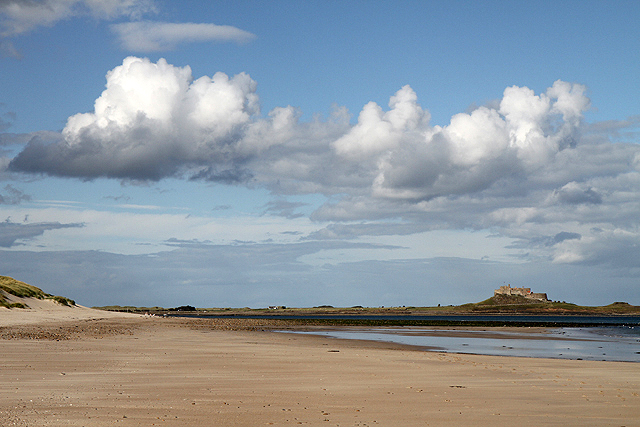
Wind-carved dunes stretch endlessly along this remote section of the Northumberland coast, creating one of the most isolated beachscapes in England. Ross Back Sands sits far from busy resorts, accessed only by quiet lanes and footpaths that wind through grazing land and low grassland. The wide shoreline opens to uninterrupted views of the North Sea, often accompanied only by seabirds, distant waves, and seals resting offshore. Nearby Ross Links Nature Reserve supports native grasses and wildlife, adding ecological richness to the area. The beach remains largely untouched by commercial development, keeping its wild character intact year-round. Walkers often experience long stretches without seeing another person, even during summer. Bamburgh Castle appears faintly on the southern horizon, adding a subtle historic backdrop without intruding on the solitude. Photographers favor the shifting light across the dunes, while hikers value the peaceful coastal terrain. Strong winds and wide skies create dramatic weather moments that feel cinematic yet personal. Ross Back Sands remains a rare place where England’s coastline still feels untamed, making it ideal for visitors who value silence, scale, and raw natural beauty over convenience.
Hebden Bridge, West Yorkshire
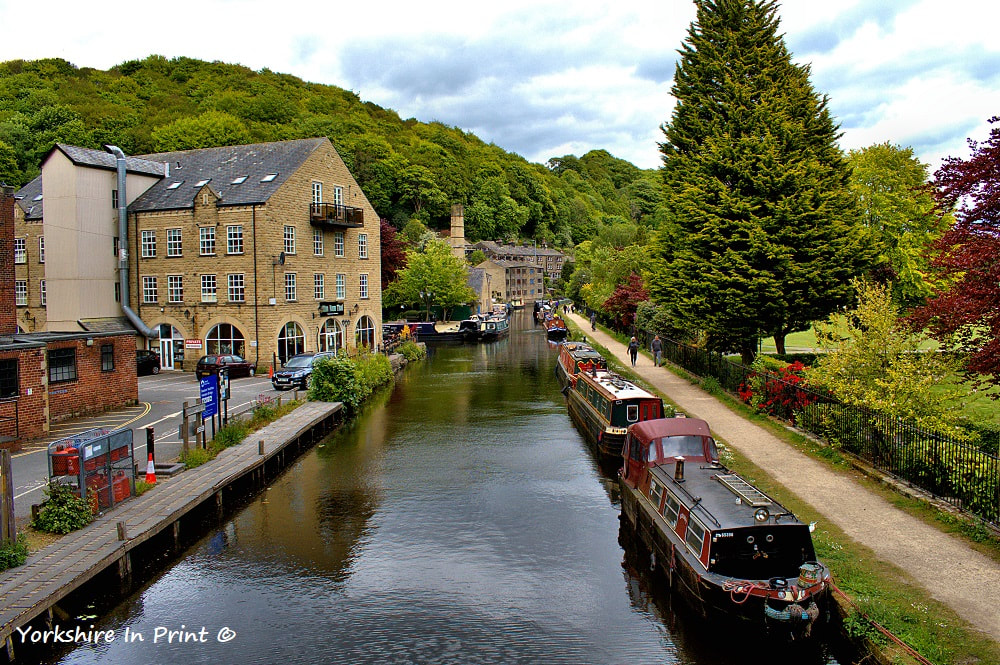
Stone-built terraces climb steep valley sides where the River Calder winds through one of northern England’s most character-driven small towns. Hebden Bridge blends creative culture with rugged Pennine scenery, forming a rare balance between artistic life and outdoor adventure. Former textile mills now house independent studios, bookshops, and cafés, preserving industrial heritage while supporting modern creative enterprise. The surrounding hills open into the South Pennines, offering moorland walks with sweeping views across West Yorkshire. Towpaths follow the Rochdale Canal, providing level walking routes through greenery and historic locks. The town gained national attention for its resilient community spirit during repeated flooding events, strengthening its reputation for grassroots leadership. Live music, craft markets, and gallery exhibitions appear regularly, driven by local talent rather than tourism chains. Traditional pubs still serve as social anchors, maintaining working-class roots beneath the creative reputation. Hebden Bridge attracts writers, artists, walkers, and cyclists who prefer atmosphere over polish. Its blend of Victorian architecture, independent culture, and upland landscapes gives it depth rarely found in towns of comparable size.
Dungeness hamlet, Kent / SE England coast
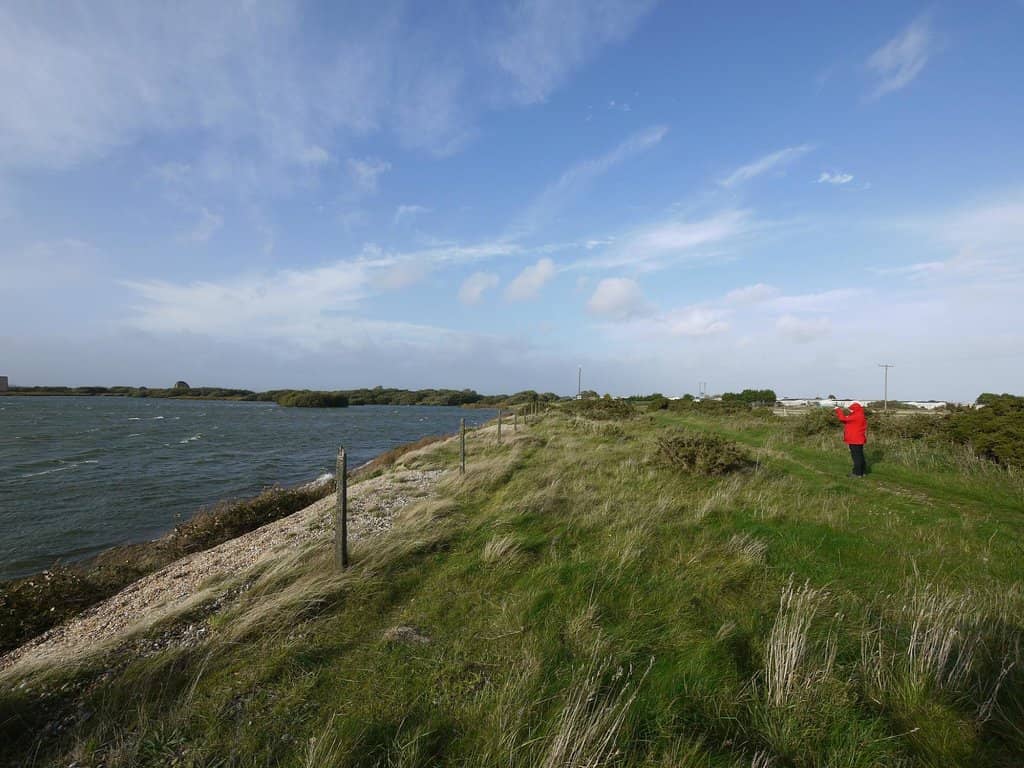
Shingle stretches for miles along this bleak yet captivating headland, where scattered cottages sit among fishing gear, driftwood, and wide open sky. Dungeness feels unlike anywhere else in England, shaped by stark geography and isolation rather than traditional village planning. The landscape is officially designated a National Nature Reserve, hosting rare plant life that thrives in the harsh shingle environment. Artists and photographers have long been drawn to its raw minimalism, including the late filmmaker Derek Jarman, whose seaside garden remains an iconic feature. Two lighthouses stand as silent sentinels, guiding ships along one of Britain’s busiest shipping lanes. Despite its remote atmosphere, a working fishing community still operates from the shoreline, selling fresh catch directly from huts. Nuclear power stations loom nearby, creating an unusual contrast between heavy industry and fragile ecology. The Romney, Hythe & Dymchurch Railway passes close by, adding historic charm to the stark terrain. Dungeness rewards visitors who value mood, space, and unconventional coastal beauty over traditional seaside comforts.
Hidden rural village in East Anglia
Narrow lanes bordered by hedgerows and open fields lead into small East Anglian villages where time seems largely unhurried. Many of these settlements date back to medieval farming communities and still revolve around parish churches, village greens, and working farmland. Traditional flint and brick cottages line quiet streets with little traffic beyond local farm vehicles. Waterways, drainage ditches, and grazing meadows define the surrounding countryside, supporting birdlife and seasonal farming rhythms. Local pubs often serve as the social heart, offering simple food and regional ales rather than tourist menus. Footpaths connect surrounding hamlets through open countryside, making these villages ideal for gentle walking routes. Historic barns, windmill ruins, and agricultural outbuildings reflect centuries of rural production. The absence of commercial tourism keeps daily life grounded and authentic. Residents often share multi-generational ties to the land, contributing to strong village identity. These lesser-known East Anglian villages offer quiet permanence, subtle beauty, and genuine rural character without the crowds found in well-known heritage towns.
Undiscovered medieval-style countryside town
Cobblestone lanes, timber-framed façades, and market squares define many of England’s lesser-known medieval towns that never entered the mass tourism circuit. These places retain their original street patterns, shaped by trade routes, river crossings, and defensive planning from the Middle Ages. Stone churches anchor town centers, often surrounded by open churchyards rather than dense modern development. Weekly markets still operate in some locations, continuing traditions that began centuries ago. Independent merchants occupy narrow shopfronts, maintaining a scale that modern retail rarely replicates. Historic guild halls and coaching inns survive as functional businesses rather than preserved exhibits. Residential streets drift outward into farmland within minutes, reinforcing the connection between town and countryside. Limited visitor traffic allows architectural details to remain part of daily life rather than staged attractions. Seasonal festivals, parish events, and agricultural shows preserve long-standing community rhythms. These medieval-style towns reward travelers who value historic continuity, lived-in heritage, and quiet exploration free from tour buses and souvenir congestion.
Peaceful forest-edge riverside settlement

Freshwater flows steadily along woodland edges where small rivers shape lowland clearings into naturally sheltered settlements. These riverside communities often formed around water-powered mills, now converted into homes or quiet heritage sites. Broadleaf forests press close to cottage gardens, bringing birdsong and shaded walking trails directly into village life. Fishing, kayaking, and slow riverside walks remain central to local recreation rather than organized tourism. Seasonal flooding once shaped settlement patterns, resulting in raised paths, old stone bridges, and layered embankments. Local footpaths weave through woodland, meadow, and water’s edge without requiring formal trailheads. The limited number of properties keeps population small, reinforcing privacy and low noise levels. Evenings bring mist rising from the river and a stillness broken only by flowing water and wildlife movement. These forest-edge riverside settlements appeal to those seeking natural immersion without remote isolation. Their blend of water, woodland, and modest human presence creates everyday tranquility rarely found near larger population centers.
Off-the-radar coastal village with quiet beach

Low cliffs, sheltered coves, and narrow beach access points often hide England’s most peaceful coastal villages from mainstream tourism. These settlements developed around fishing, small harbors, or boat landing sites rather than promenade culture. Modest cottages cluster near shorelines where tides dictate daily rhythm rather than visitor demand. Beaches here tend to be pebbled or narrow-sand strips, discouraging crowds while preserving natural shoreline dynamics. Locals use the shore for early-morning swims, dog walking, and small boat launches instead of commercial watersports. Clifftop footpaths provide elevated views over headlands and open sea without heavy foot traffic. Seasonal weather determines activity levels more than school holidays. Small tearooms and village stores serve practical needs rather than themed attractions. Wildlife sightings often include seabirds, seals, and migrating species passing offshore. These off-the-radar villages suit travelers who prefer understated seascapes, coastal walking, and uninterrupted ocean views without resort infrastructure.
Idyllic village near remote rolling hills

Gentle slopes and open pastureland form the backdrop to villages that sit quietly at the edge of England’s rolling hill systems. These settlements often developed along ancient trackways used for livestock movement and seasonal grazing. Field patterns remain visible, divided by dry stone walls or hedgerow boundaries shaped over centuries. Cottages follow the natural curve of terrain rather than rigid street grids, giving the village an organic layout. Upland winds bring shifting cloud patterns and dramatic light changes across the hills throughout the day. Footpaths lead directly into open countryside without passing through modern housing estates. Sheep farming and arable fields still dominate surrounding land use, sustaining traditional rural economies. Church towers serve as visible waypoints across open terrain, guiding walkers between valleys. Traffic remains minimal due to limited through-roads. These hill-edge villages attract visitors drawn to open landscapes, slow walking, and long-distance views that change with every season.
Remote moorland valley or overlook point

Vast upland terrain stretches outward from narrow valleys where streams cut through peat and heather. Remote moorland overlooks rise above these valleys, offering panoramic views across open sky and wind-shaped vegetation. Such locations often lie within national parks or protected landscapes, restricting development and maintaining visual purity. Stone tracks used by farmers and rangers form the primary access routes rather than paved roads. Visibility extends for miles in clear weather, while fog and cloud can rapidly transform atmosphere. Wildlife includes upland birds, grazing ponies, and small mammals adapted to harsh conditions. The lack of artificial lighting creates dark-sky conditions ideal for stargazing. Walking routes demand physical effort but reward with uninterrupted scenery. Weather shifts frequently, adding unpredictability that heightens the sense of isolation. These moorland overlooks serve those who seek scale, silence, and the elemental character of England’s highest open landscapes.
Ancient village with historic buildings & few crowds
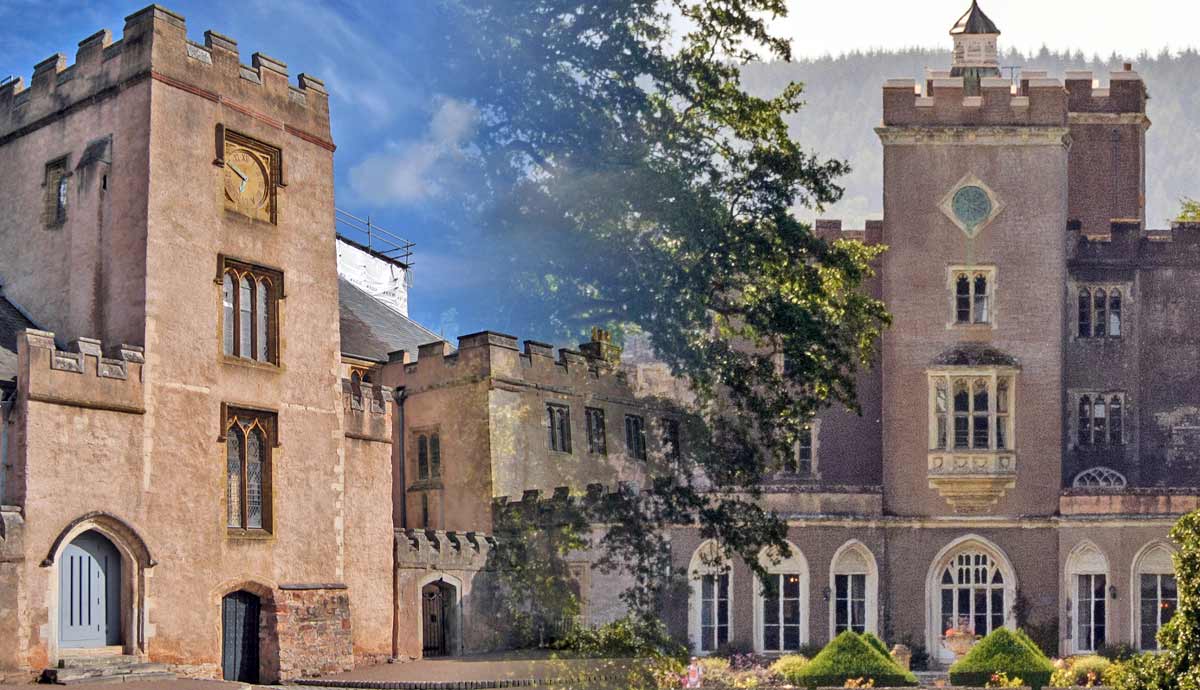
Centuries-old villages survive quietly beyond major travel routes, preserving architectural continuity without constant visitor pressure. Timber-framed houses, stone cottages, and medieval parish churches remain central features rather than curated exhibits. Narrow streets reflect pre-automobile layouts, often forcing slow movement through the village core. Historic farmsteads and tithe barns reveal agricultural roots that still influence land use today. Local populations remain small, preventing large-scale commercial development. Church bells, seasonal agricultural activity, and village events define daily rhythm. Many buildings retain original structural elements, including exposed beams and hand-cut stonework. Conservation restrictions help protect visual character but also reinforce long-term stability. Footpaths radiate into surrounding fields, connecting scattered hamlets through historical walking routes. These ancient villages attract visitors who value architectural authenticity, intact rural settings, and quiet cultural continuity rather than destination tourism.
Quiet inland village with stone cottages & rural charm

Natural stone defines the character of many inland villages where buildings harmonize with surrounding geology. Cottage walls reflect local quarry materials, blending seamlessly into hillsides and farmland. Rooflines follow traditional patterns, using slate or thatch rather than modern materials. These villages often grew around crossroads, small mills, or parish boundaries rather than trade hubs. Gardens remain productive with vegetables, hedging, and flowering borders shaped by seasonal cycles. The village green usually serves both visual and social purposes, hosting informal gatherings and local events. Limited visitor traffic keeps daily activity grounded in resident life. Surrounding farmland remains active, reinforcing the working landscape rather than decorative countryside. Narrow lanes discourage through-traffic, maintaining low speeds and sound levels. These quiet stone-built villages appeal to travelers seeking visual harmony, gentle pacing, and authentic rural atmosphere untouched by destination branding.
Rustic countryside hideaway with farmland views
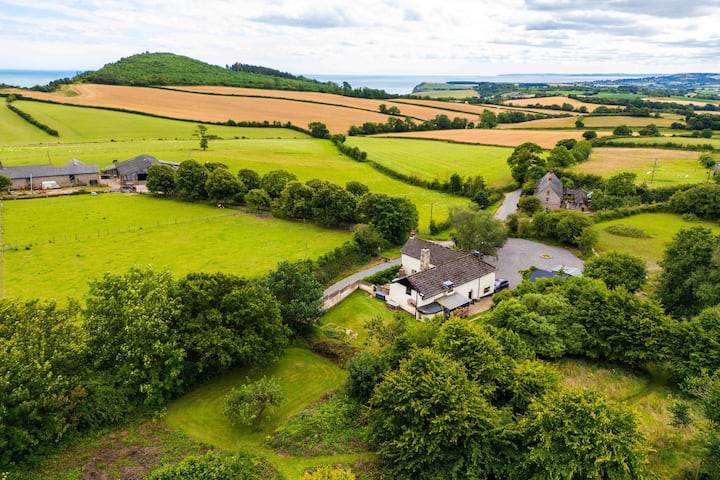
Open fields stretch outward from small clusters of farm buildings and converted barns where life follows agricultural seasons. These countryside hideaways often began as working farms before evolving into low-density residential communities. Hedgerows divide pastureland into broad visual layers that shift color with crop rotation and grazing cycles. Sunrises and sunsets dominate daily scenery, with uninterrupted horizons free from development. Tractors, livestock, and field workers define the working soundtrack rather than traffic noise. Footpaths cross farmland along historic rights of way, allowing walkers to move through actively cultivated land. Barn conversions retain original beams, stonework, and pitched rooflines, preserving functional heritage. Local supply chains remain short, with nearby villages providing essential services. Seasonal produce influences menus, markets, and household routines. These rustic hideaways offer a grounded experience of England’s agricultural heartland where landscape, labor, and lifestyle remain closely connected.