
Sunrise from above the clouds, ancient shrines along the trail, and the humbling silence to Hike Japan’s Sacred Peak —few adventures match the spiritual pull of climbing Mount Fuji. For centuries, this active volcano has lured pilgrims, poets, and hikers eager to experience its mystique firsthand. More than just a physical feat, this ascent weaves together cultural reverence and natural spectacle in one unforgettable journey. With varying routes, weather challenges, and altitude considerations, preparation is key to making the climb rewarding and safe. This guide lays out everything essential for tackling Japan’s sacred summit with confidence, whether you’re a first-timer or returning climber.
Gate‑Hour Dash Plan

Beating the sunrise crowd on Mount Fuji takes more than a good alarm clock—it requires a smart gate-hour dash plan. Climbers aiming for the summit before the morning glow should arrive at their selected fifth station no later than early afternoon the day prior. Choosing the Yoshida Trail ensures access to better infrastructure and earlier transport connections. After final gear checks, begin your ascent in sync with trail crowd data from local apps. Staying overnight at a mountain hut around the 7th or 8th station provides rest and gives you a strategic lead on sunrise climbers. Check-in times vary, but most huts stop accepting guests after 5 p.m. so pre-booking is non-negotiable during peak climbing weeks. Keep your pace steady and avoid unnecessary rests, as timing is everything. Late-starters often face bottlenecks in the final push. The earlier you pass that 3 a.m. checkpoint, the better chance you have of avoiding queue delays near the summit. Climbing fatigue and oxygen levels can stall progress, so stagger hydration and keep snacks accessible in your outer layers. Planning your gate-hour dash right is the difference between a front-row sunrise and a view blocked by backpacks and headlamps.
Sun‑Above‑Sea‑of‑Clouds Reel

Chasing that iconic moment where the sun floats above a swirling sea of clouds demands perfect positioning and a flexible schedule. Mount Fuji’s summit view, known locally as “unkai” or sea of clouds, typically forms when humid air cools rapidly in the early morning. Climbers often reach the summit between 4:30 and 5:00 a.m. to witness this phenomenon, so your night trek must be precisely timed. Staying alert during your final ascent is crucial—the pre-dawn chill intensifies, and the narrow switchbacks are often slick from condensation. To capture the reel-worthy moment, arrive at the crater rim’s eastern edge well before the golden hour. Avoid crowding near the main torii gate by veering slightly left toward quieter overlooks. Ensure your camera or phone is set to low-light mode, with stabilization on. Power banks and lens wipes should be within reach. Often, the best frame isn’t at the summit but 50 meters lower where the cloud line curves around the horizon. For video, use time-lapse settings to dramatize shifting layers. These fleeting visuals not only highlight the spiritual reward of the trek but also provide the kind of content that resonates deeply across social feeds and adventure storytelling platforms.
Pilgrim’s Culture Detour

Beyond the physical climb, Mount Fuji offers a layered spiritual experience rooted in centuries of Shinto and Buddhist pilgrimage. Many climbers overlook the cultural markers scattered along the route. On the Yoshida Trail, small shrines, stone carvings, and way-side torii gates serve as reminders of Fuji’s sacred status. Taking time to pause at the Kumono Shrine near the eighth station invites reflection on the historical journey undertaken by yamabushi mountain monks. Guided detours led by local cultural interpreters can be arranged from Fujiyoshida City, offering insights into the rituals and mountain lore tied to the volcano. You’ll find handwritten ema plaques hung on trailhead trees—climbers leave wishes here before beginning their journey. Portable prayer beads and traditional white garments are still worn by modern-day pilgrims seeking renewal. Joining a sunrise chant circle at the summit, often led by local guides or spiritual leaders, adds depth to the ascent. Don’t rush this aspect of the hike; these detours provide emotional anchoring and a chance to connect with Fuji’s mythos beyond its physical terrain. For travelers seeking meaning along with adventure, these cultural pauses offer a rare blend of serenity, heritage, and personal transformation often lost on modern hiking trails.
Screen‑Proof Photo Spots Map

Getting the perfect photo on Mount Fuji requires more than good lighting—it takes insider knowledge and strategy. Certain spots along the trails offer unobstructed views and fewer climber interruptions, especially if timed before major crowds. Begin by downloading offline trail maps marked with scenic camera icons from local tourism apps. The 6th station lookout on the Subashiri Trail offers a panoramic view of the cloud belt—ideal for wide-angle shots. For those climbing overnight, the 7.5 station on the Yoshida route provides one of the best moonlit ridgeline frames with minimal foot traffic. As you approach the 8th station, look for a rock platform facing south; this lesser-known perch is perfect for sunrise silhouette captures. The summit crater rim has multiple vantage points, but the least congested is behind the weather station dome—best reached just after the initial sunrise crowd disperses. To minimize screen glare, set your phone or DSLR to manual exposure and shoot in RAW if possible. Fog, wind, and condensation are common, so microfiber cloths are essential. Planning your photo journey like a route itself transforms the hike into a visual pilgrimage. Each stop becomes a frame-worthy chapter of your Fuji story—unfiltered, undisturbed, and unforgettable.
Eco‑Gear Swap Challenge

Tackling Fuji with a lighter footprint begins with mindful preparation, and the eco‑gear swap challenge makes that process both practical and community-driven. Instead of defaulting to disposable or fast-fashion hiking gear, many climbers are now embracing swap hubs organized in Fujinomiya and Kawaguchiko towns. These centers, often located near train stations or hostels, allow hikers to rent or exchange essentials like walking sticks, rain gear, or insulated flasks—eliminating wasteful purchases. You’ll often find nearly new trekking poles, windbreakers, and reflective vests left by previous climbers. In return, participants leave behind items in usable condition, forming a cycle of sustainable sharing. Look for labels indicating locally made or upcycled materials, supporting ethical supply chains in the region. Carry reusable utensils, a foldable trash bag, and refillable water containers to avoid litter accumulation on trails. The more you reduce pack weight and single-use plastics, the more manageable—and responsible—your ascent becomes. Gear swaps don’t just help the environment; they spark trailhead conversations and build camaraderie among climbers who share similar values. Participating in this challenge adds purpose to the climb and aligns with Japan’s growing emphasis on eco-conscious travel, proving that you don’t need to sacrifice performance to support preservation.
4000‑Yen QR Pass Hack

Saving time and yen on your Fuji journey is easier when you know about the 4000‑yen QR pass hack, a favorite among locals and budget-savvy travelers. Rather than buying multiple transport tickets piecemeal, this digital pass—offered via official tourism platforms—bundles round-trip bus fare from key cities like Tokyo or Shizuoka, along with shuttle access to Fuji’s fifth stations. You’ll receive a QR code valid across selected transit routes, eliminating the need for paper tickets or vending machines. The hack lies in booking early: tickets often sell for 4000 yen (about $28 USD), but last-minute fares can jump significantly. Download the correct app or print your code before departing, since cell signals near the trailhead can be unreliable. The pass also includes discounts for gear rentals and nearby onsen, turning it into more than just a ride. For travelers hopping between Fuji’s trails, this all-in-one solution simplifies logistics and minimizes missed connections. When paired with preloaded IC cards, you’ll glide through transfers with ease. It’s not just a money-saver—it’s a stress-reducer that optimizes your climb start. In a high-altitude environment where timing is crucial, this single QR scan can streamline your journey before your boots even hit dirt.
Altitude‑Snack Bento

Sustaining energy during the Fuji climb depends heavily on what you pack—and that’s where an altitude‑snack bento becomes indispensable. Unlike convenience-store sandwiches or sugar-heavy protein bars, a well-prepped bento box balances quick carbs, steady proteins, and hydration aids. Pack rice balls with pickled plum or miso paste to stabilize salt levels, and include dried fruits like persimmons or apricots for natural sugars that won’t spike and crash. Roasted soybeans and tamari almonds offer crunch without bulk, while small cuts of tofu or egg provide protein to curb muscle fatigue. Use silicone compartments or eco-wraps to keep items fresh despite the changing pressure and temperature. At higher altitudes, appetite often fades, so choose foods that are both flavorful and easy to digest. Avoid dairy or fried items that can cause bloating. Hydration supplements like electrolyte gummies or powdered green tea packets can be slipped alongside the meal. Bento sharing at rest stops fosters interaction among fellow climbers, many of whom are intrigued by a thoughtfully packed, culturally inspired meal. Beyond nutrition, it’s a nod to tradition and mindfulness—serving both as sustenance and celebration during one of Japan’s most physically and spiritually significant journeys
Red‑Torii Rest‑Stop Yoga

Recharging at altitude doesn’t always mean collapsing on a bench—sometimes, a few quiet stretches beneath a red torii gate offer more restorative power than any power nap. Along Fuji’s mid-stations, especially on the Yoshida and Subashiri trails, you’ll pass several torii gate structures symbolizing transitions between the human and spiritual realms. These locations, often flanked by flat clearings, provide ideal spaces for short yoga sequences or breathwork sessions. Light dynamic stretches like forward bends, warrior poses, and standing twists release tension from shoulders and calves after hours of climbing. Practicing focused breath control—what yogis call pranayama—helps regulate oxygen levels and fight off altitude nausea. Bring a foldable mat or simply use your base layer jacket as padding. Early morning fog, birdsong, and crisp air amplify the calming effect. These quiet breaks reduce muscle fatigue while grounding your mental energy, which tends to scatter at high elevations. Locals often combine traditional bowing rituals at the gate with movement, fusing cultural reverence with physical reset. For travelers looking to climb mindfully rather than mechanically, red-torii rest-stop yoga turns a simple pause into a ritual of renewal, seamlessly merging endurance with introspection as you ascend Japan’s sacred summit.
Summit Post‑Office Badge
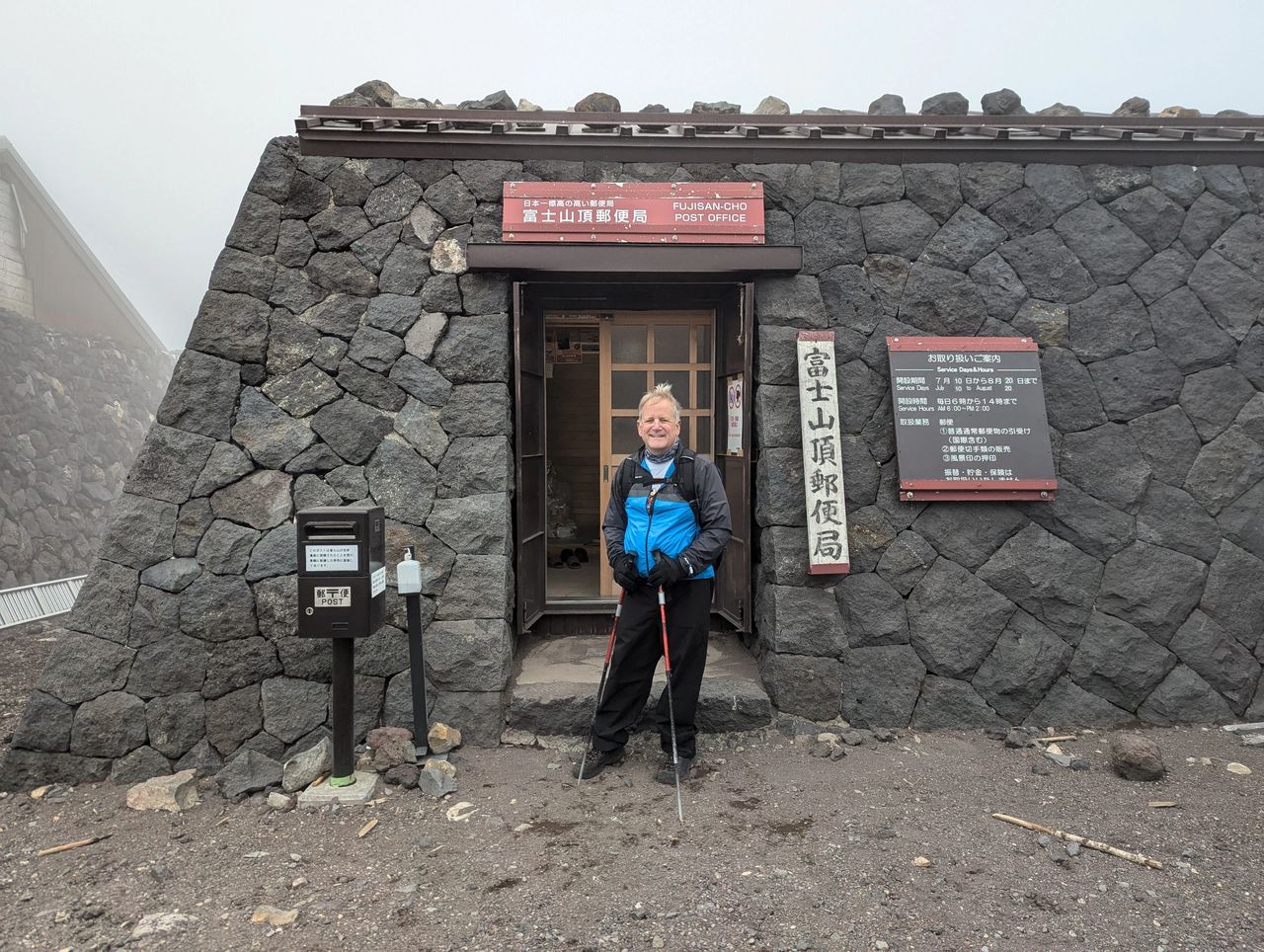
Not many places let you send a postcard from the clouds, but Fuji’s summit post office makes it possible. Nestled at the peak during climbing season (July–August), this tiny seasonal outpost offers a unique reward—official summit stamps and mailed postcards that bear the rare “Mount Fuji Summit” postmark. Bring pre-addressed cards or purchase blank ones at the station itself. Whether you’re writing to yourself, a loved one, or a fellow hiker you just met, the gesture becomes a physical memento tied to your accomplishment. Ink stamps featuring Fuji’s silhouette and elevation (3,776m) are highly collectible among domestic hikers. The office opens early and closes mid-morning, so night climbers should time their summit perfectly to catch the service window. Be prepared for long queues during peak weekends, and bring cash—no cards accepted. For hikers documenting their journey, the post office isn’t just about mail; it’s a living symbol of how culture, nature, and human tenacity intersect. The chance to send a message from above the clouds is more than a novelty—it’s an emotional timestamp, immortalizing your journey atop one of Earth’s most revered peaks.
Zero‑Waste Ash Bag

Respect for Mount Fuji’s sacred terrain includes carrying out everything you bring in—including waste that doesn’t always look like trash. As volcanic gravel and loose ash often collect in shoe treads, pant cuffs, and even inside daypacks, climbers unintentionally remove micro-debris from the mountain. That’s why zero-waste ash bags are gaining traction among eco-conscious trekkers. These lightweight cloth or mesh pouches clip onto your bag or belt and collect sand and ash particles that would otherwise be discarded elsewhere. Some versions even include inner compartments for storing used tissues, food scraps, or wrappers—keeping everything sorted until proper disposal back at the base station. Available at climbing supply shops around Fujiyoshida and Kawaguchiko, these bags offer a subtle but impactful way to participate in leave-no-trace ethics. Trail monitors and environmental volunteers appreciate climbers who take this extra step. Though small, this act reinforces the collective responsibility to preserve Fuji’s UNESCO status and spiritual legacy. When practiced by many, this low-effort solution drastically reduces micro-litter buildup over the season. Carrying a zero-waste ash bag signals not just environmental awareness, but a deep respect for a mountain that’s been revered, climbed, and cherished for generations.
Glow‑Stick Trail Markers

Navigating Mount Fuji before sunrise presents more than just physical challenges—visibility is often reduced to a few meters, especially in crowded trail sections. Glow-stick trail markers offer a smart and safe workaround. Compact, non-electric, and waterproof, these single-use or rechargeable sticks can be clipped to your backpack, walking pole, or trail-side rock for guiding your group through tight switchbacks. Unlike flashlights, glow-sticks don’t blind others or cast strong shadows that distort terrain depth. Opt for green or blue hues, as these are easily visible without disrupting night vision. Some climbers even mark their descent route by placing glow-sticks at key junctions, ensuring they don’t get misdirected when the crowds thin out after sunrise. In group hikes, spacing markers evenly provides a breadcrumb effect that enhances group cohesion. To minimize waste, choose reusable LED variants and pack out any non-rechargeable sticks responsibly. Using these soft beacons transforms a pitch-black scramble into a guided path, reducing panic and injury risk. As many seasoned hikers will tell you, small tools like this—often overlooked—make the difference between a stressful climb and a smooth ascent. Glow-sticks aren’t just light sources; they’re quiet protectors in the dark pulse of Fuji’s upper reaches.
Crater Rim 360‑Drone Loop

After summiting Fuji, many climbers feel compelled to simply rest—but the crater rim circuit offers one final adventure that’s absolutely worth the extra effort. The loop around the summit’s inner edge spans about 1.6 kilometers, revealing panoramic views from all directions, including the lesser-seen shadow of Fuji cast across the clouds. Drone enthusiasts will find this route ideal for filming a complete 360-degree flyover, capturing both the caldera and the surrounding terrain in breathtaking continuity. Japan’s drone laws prohibit launches from most parts of the mountain, but licensed operators during permitted hours have documented awe-inspiring sequences from safer nearby platforms. For non-drone users, even smartphone panoramas from select high points like Kengamine Peak or the weather station bluff deliver unmatched drama. The circuit takes around 45 minutes at a leisurely pace and is relatively flat compared to the final ascent. Bring a windbreaker—gusts up top can turn fierce in seconds. By looping the crater rim, climbers gain full closure of their Fuji journey—physically circling the volcanic heart of Japan’s sacred giant. It’s not just another walk; it’s the visual and emotional payoff for every step you’ve taken from forest floor to summit sky.
Lightning‑Watch Weather Apps

Weather on Mount Fuji changes rapidly, and one of the most underestimated risks is lightning—especially during July and August afternoon climbs. Staying informed isn’t optional; it’s essential. Several Japanese weather apps provide real-time lightning alerts and visual storm tracking tailored for climbers. “Yurekuru,” “Japan Weather Radar,” and “Yamap” offer layered lightning heatmaps, wind direction, and precipitation likelihood down to the minute. Unlike general forecasts, these climbing-focused platforms incorporate elevation-specific data, helping hikers decide when to pause or descend. Push notifications can be configured to alert users within a 30-kilometer radius of lightning activity. If a strike is detected nearby, the safest move is immediate descent to a lower station—metal trekking poles, exposed ridgelines, and wet gear amplify risk. Lightning isn’t common at night but can develop suddenly during afternoon heat spikes. Seasoned hikers recommend reviewing conditions every two hours on trail and coordinating with hut staff for updates. Mount Fuji’s beauty can quickly turn perilous without digital assistance. With the right apps on hand and a clear evacuation plan in mind, climbers stay one step ahead of danger, keeping the journey focused on awe—not emergency. Knowledge isn’t just power—it’s protection when you’re hiking into the clouds.
Base‑Town Onsen Reward

Few things soothe sore muscles after a Fuji descent like soaking in a traditional Japanese onsen. Base towns such as Kawaguchiko, Fujiyoshida, and Gotemba offer public baths and private ryokan spas with mineral-rich hot springs—some boasting views of the mountain you just conquered. Natural sulfur and magnesium help relieve joint inflammation and muscle tension, while rotenburo (outdoor baths) provide a serene sensory contrast to the rocky climb. After a multi-hour trek, removing dusty gear and slipping into the warm, steaming water becomes a deeply satisfying ritual. Many bathhouses open from early morning, perfect for post-climb recovery. Tired climbers should hydrate thoroughly before entering and avoid lengthy soaks if dehydrated. Local favorites like Yurari Onsen or Benifuji no Yu offer rest areas with reclining chairs and Fuji views through massive picture windows. Pair the experience with a cold barley tea or a traditional post-bath snack like milk from glass bottles. Onsens aren’t merely about physical relief—they complete the Fuji experience with cultural immersion and restoration. The journey down the mountain ends not with exhaustion, but with a tranquil float under open skies, surrounded by the very terrain that challenged you. It’s a reward that reflects Japan’s reverence for balance and well-being.
Family Bonding Micro‑Challenge

For families climbing Mount Fuji together, carving out micro‑challenges adds both motivation and memory-making to the ascent. Breaking the journey into manageable checkpoints—like reaching each station, spotting specific shrine markers, or identifying native alpine plants—creates small wins for kids and encourages group pacing. Many families build photo challenges into the experience, assigning roles like navigator, snack monitor, or hydration reminder to keep younger climbers engaged and involved. Lightweight journals or sticker charts provide a tactile way to track progress and celebrate milestones. Mountain huts often stamp booklets for children, and local vendors sell kid-friendly souvenirs tied to each trail section. Parents should consider ascending the Yoshida Trail, which offers better infrastructure and shorter emergency response times. Avoiding night climbs is advised for families; a daytime ascent with an overnight hut stay allows for safer acclimatization. At rest points, sharing trail stories and goals reinforces team spirit. These micro‑challenges turn what could be a grueling hike into a series of bite-sized adventures tailored to all ages. For children, it fosters resilience and appreciation for nature. For parents, it’s a rare chance to bond without screens or distractions—just footsteps, fresh air, and shared achievement rising with every meter gained.