
Few natural icons generate as much curiosity as the heart-shaped coral formation hidden within the Great Barrier Reef. This guide explains the practical ways to view Heart Reef responsibly, focusing on approved scenic flights, optimal departure points, and the best conditions for visibility. Readers gain clear guidance on costs, timing, weather considerations, and photography tips without damaging fragile marine ecosystems. Ideal for honeymooners, bucket-list travelers, and reef enthusiasts, the information removes uncertainty and supports smart planning. With accurate logistics and conservation-aware advice, visitors can experience this rare landmark confidently while maximizing safety, value, and once-in-a-lifetime impact.
Scenic Flight From Airlie Beach

Departures from Airlie Beach remain one of the most convenient and visually rewarding ways to experience Heart Reef. Flights typically operate aboard fixed-wing aircraft designed for panoramic viewing, allowing passengers to witness the full sweep of the Whitsundays without extended travel times. After takeoff, the route passes over Hook Island, Hayman Island, and coral lagoons that shift between jade, turquoise, and deep blue. The approach toward Heart Reef is timed carefully, ensuring optimal visibility when the coral formation comes into view. Commentary from experienced pilots explains reef formations, marine ecosystems, and flight landmarks without distracting from the scenery. Airlie Beach flights suit travelers staying on the mainland who want a streamlined experience without ferry transfers. Seating layouts maximize window access, and aircraft altitude is adjusted to enhance clarity while remaining environmentally responsible. Weather monitoring is continuous, improving success rates for clear aerial viewing. For first-time visitors, this option balances accessibility, value, and visual impact, making it a dependable choice for seeing one of Australia’s most recognizable natural symbols from above.
Helicopter Tour From Hamilton Island

Hamilton Island departures provide a refined and direct route to Heart Reef, favored by travelers seeking shorter flight times and elevated comfort. Helicopters lift off from the island’s heliport, reaching reef airspace quickly while maintaining low-altitude passes that improve color contrast across the coral. The flight path includes Whitsunday Island beaches, reef channels, and open-water coral gardens before arriving at the iconic heart shape. Cabin design supports unobstructed sightlines, and pilots often circle the reef multiple times to allow every passenger a clear view. Noise-reduction headsets enable calm narration, offering insights into reef conservation and local geography. This option suits resort guests who prefer a seamless experience without mainland transfers. Flexible scheduling allows flights to align with tide and sun conditions, which can dramatically affect reef visibility. Hamilton Island helicopter tours are frequently selected for milestone trips due to their exclusivity, efficiency, and consistently strong viewing outcomes. For travelers prioritizing time, comfort, and aerial proximity, this approach delivers a focused and memorable way to see Heart Reef.
Premium Window-Seat Flight Upgrade
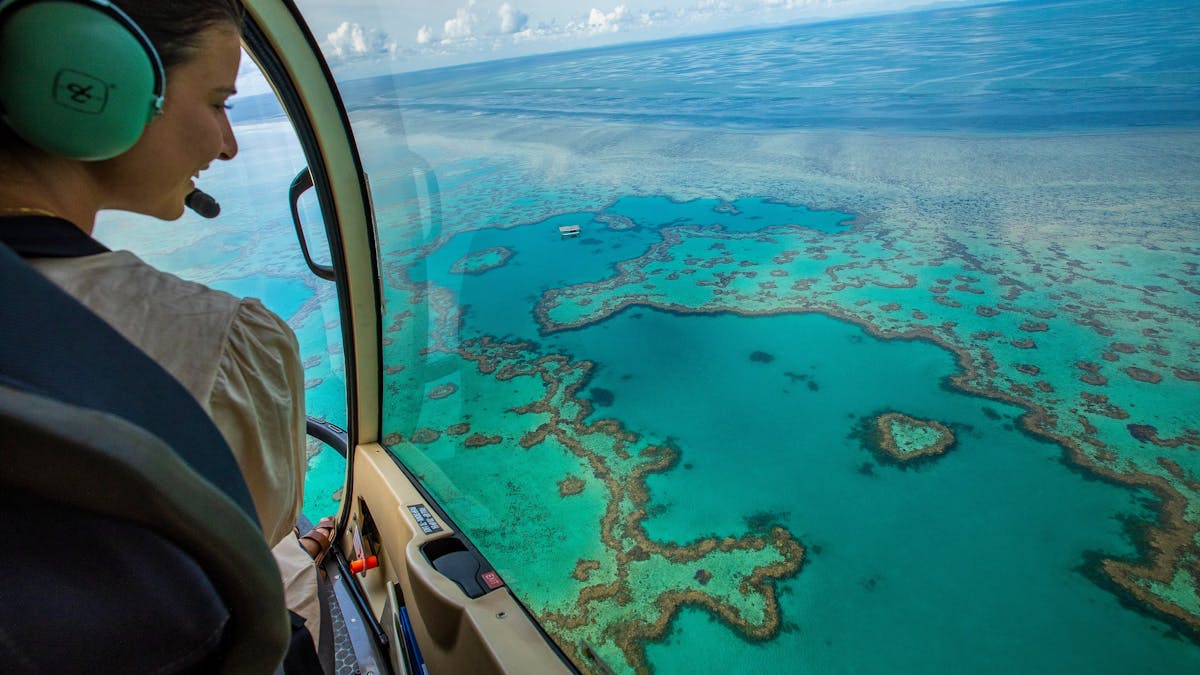
Upgraded seating options play a critical role in enhancing Heart Reef viewing quality. Premium window-seat flights guarantee uninterrupted sightlines, eliminating shared or obstructed views common in standard seating. These upgrades are available on both fixed-wing aircraft and helicopters, depending on the operator. Passengers benefit from strategically positioned seats aligned with the reef’s approach angle, ensuring the heart formation appears centered and clearly defined. Additional perks often include extended circling time, priority boarding, and improved headset audio. For photography enthusiasts, stabilized viewing positions reduce motion blur and reflection issues. Pilots frequently adjust altitude slightly when premium seating is booked, improving contrast between coral and surrounding water. While these upgrades increase cost, the visual advantage is substantial, particularly for travelers with limited flight windows. Clear views reduce reliance on post-editing or chance moments, making the experience more reliable overall. Those traveling for once-in-a-lifetime experiences often find premium seating worthwhile, as it removes uncertainty and maximizes the probability of a crisp, recognizable Heart Reef view during the flight.
Heart Reef + Whitehaven Beach Combo Tours

Combined aerial itineraries pair Heart Reef viewing with a flyover of Whitehaven Beach, creating a comprehensive Whitsundays experience. These tours integrate reef observation with one of Australia’s most photographed shorelines, offering contrast between coral geometry and sweeping silica sands. Flights are structured to showcase Heart Reef first, followed by extended passes along Hill Inlet’s shifting channels. This sequencing preserves clarity and ensures the reef receives priority visibility. Combo tours appeal to travelers with limited time who want multiple landmarks in one outing. Operators coordinate timing carefully to align reef visibility with tidal movement at Whitehaven, enhancing color definition in both locations. Commentary highlights geological differences between reef systems and island beaches, adding educational value. This option also increases overall scenic mileage without requiring separate bookings. For visitors seeking efficiency without sacrificing depth, combined flights deliver broader context and visual diversity while still maintaining focused attention on Heart Reef’s distinctive form.
Private Charter Helicopter Experience

Private helicopter charters offer maximum flexibility and exclusivity for viewing Heart Reef. These flights are tailored to individual schedules, preferred flight paths, and viewing priorities. Without shared seating, passengers receive uninterrupted perspectives and customized circling time over the reef. Pilots adjust altitude and angle based on light conditions, improving clarity and contrast. Charter experiences often include extended coverage of surrounding reefs, islands, and sand cays, providing a broader understanding of the marine environment. This option suits couples, families, or small groups seeking privacy and control. Noise levels are reduced, and onboard narration can be as detailed or minimal as desired. While pricing is higher than shared tours, the personalized experience significantly enhances viewing reliability. Private charters also allow rescheduling flexibility in response to weather shifts, increasing success rates. For travelers prioritizing precision, comfort, and personalized timing, private helicopter flights deliver the most controlled and immersive Heart Reef experience available.
Sunset Aerial Tour Over the Whitsundays

Late-day flights introduce a different visual character to Heart Reef viewing. As the sun lowers, water tones soften and shadows emphasize coral contours, creating dramatic contrast. Sunset aerial tours typically follow a modified route that balances reef visibility with island silhouettes and reflective water surfaces. Pilots adjust timing carefully, ensuring the reef is viewed before light diminishes excessively. These flights appeal to travelers seeking atmosphere and mood rather than high-saturation color. Photography outcomes vary depending on cloud cover, but golden-hour lighting often enhances depth and texture. Wind conditions tend to stabilize later in the day, contributing to smoother flights. Sunset tours are less crowded, offering a quieter experience overall. While midday flights remain optimal for color intensity, evening departures provide a distinctive perspective that highlights the reef’s shape against evolving light conditions. This option suits repeat visitors or those prioritizing ambiance and visual storytelling.
Early-Morning Flights for Clearer Skies

Morning departures consistently deliver some of the clearest conditions for Heart Reef viewing. Reduced wind activity and lower cloud formation improve water transparency, allowing coral outlines to appear sharper. Early flights also benefit from minimal glare, as the sun angle enhances color separation rather than washing it out. Operators schedule these flights strategically to coincide with favorable tides, further improving clarity. Passenger numbers tend to be lower, creating a calmer onboard environment. Morning light highlights the reef’s symmetry, making the heart shape easier to distinguish. This option is ideal for travelers focused on photography or first-time viewers who want optimal visibility. Weather variability still exists, but early departures statistically outperform later flights for clarity. For those able to adjust schedules, morning flights provide a dependable path to seeing Heart Reef under its most defined conditions.
Small-Plane Eco Flights
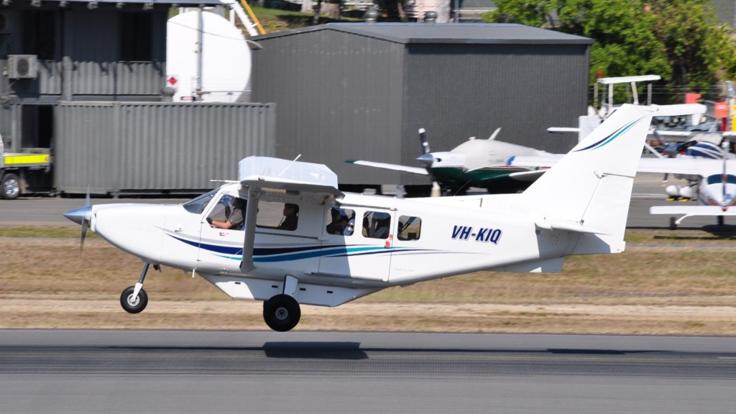
Eco-focused small-plane flights prioritize reduced environmental impact while maintaining strong viewing quality. These aircraft operate with efficient fuel usage and lower noise output, aligning with reef conservation standards. Seating is limited, ensuring window access for all passengers. Flight paths are designed to minimize disturbance to marine life while still delivering comprehensive reef coverage. Pilots provide educational commentary centered on sustainability and reef protection. Despite smaller size, aircraft stability remains suitable for clear viewing and photography. Eco flights appeal to environmentally conscious travelers seeking responsible tourism options. Operators often partner with conservation programs, reinforcing long-term reef preservation. This approach balances access with accountability, making it a meaningful way to experience Heart Reef while supporting sustainable practices.
Hamilton Island Reefworld Pontoon Add-On
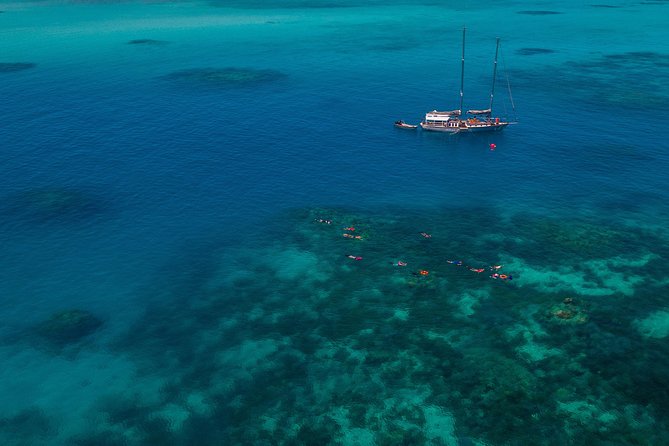
Reefworld pontoon add-ons combine aerial viewing with on-water exploration, creating a layered experience. After flying over Heart Reef, travelers continue to a floating pontoon anchored over the outer reef. This extension allows snorkeling, underwater observatories, and marine interaction following the flight. The aerial portion provides orientation and scale, while the pontoon visit adds physical context. This combination suits travelers wanting both overview and immersion. Transfers are coordinated to maintain smooth transitions, reducing downtime. While Heart Reef itself is protected from landing access, the surrounding reef system offers close-up exploration. This option delivers depth and variety, making it appealing for longer stays or adventure-focused itineraries.
Seaplane Landing Experience
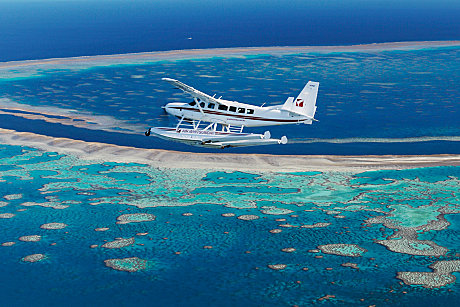
Seaplane flights introduce a distinctive approach by combining aerial viewing with water landings. After circling Heart Reef, aircraft descend onto sheltered reef areas or nearby lagoons. This transition enhances the sense of journey and adventure. Seaplanes offer large windows and steady flight profiles, supporting clear reef visibility. Landings are smooth and carefully controlled to protect marine environments. This experience appeals to travelers seeking novelty alongside scenic value. While Heart Reef remains strictly aerial-only, nearby reef access adds experiential depth. Seaplane tours are weather-dependent but highly memorable when conditions align.
Photography-Focused Flight Packages

Specialized photography flights are structured around optimal angles, lighting, and timing. Aircraft seating is adjusted to reduce reflections, and pilots coordinate passes to align with camera-ready moments. Extended circling improves framing opportunities. These packages often include guidance on camera settings and lens selection. Flights are scheduled during periods known for consistent clarity. For serious photographers, this option reduces reliance on chance and increases usable image output. Operators understand visual priorities, making adjustments that standard tours may not accommodate. This targeted approach enhances results without requiring private charters.
Weather-Flexible Bookings

Flexible booking policies significantly increase success when viewing Heart Reef. Operators offering rescheduling options allow travelers to wait for favorable conditions rather than committing to fixed times. This adaptability reduces disappointment caused by cloud cover or glare. Weather-flexible bookings are particularly valuable during shoulder seasons. Continuous monitoring supports informed adjustments. For visitors with limited windows, this option improves outcome reliability. Flexibility transforms the experience from chance-based to condition-based, improving overall satisfaction and visual clarity.