
Hobart Waterfront & Salamanca Jumpstart

First impressions of Tasmania feel grounded and lively along Hobart’s historic waterfront, where heritage docks meet modern cafés and working fishing boats. Morning walks beside the Derwent River reveal Georgian warehouses, local bakeries, and galleries housed in sandstone buildings. Nearby Salamanca Place adds depth with its preserved 19th-century architecture and creative energy. Weekend markets showcase Tasmanian produce, artisan crafts, and regional food stalls, offering insight into local culture without requiring long travel. Short climbs into Battery Point reward visitors with harbor views and colonial streetscapes lined with weatherboard cottages. The area works well as a base due to easy access to museums, dining, and day trips. Fresh seafood restaurants, waterfront pubs, and boutique hotels sit within walking distance, reducing transit time after arrival. Spending the first day here allows recovery from flights while easing into Tasmania’s pace. Evening light over Mount Wellington reflects across the water, setting expectations for the natural scenery ahead. This compact introduction balances history, food, and scenery, helping travelers settle in while gathering supplies and orientation for the days that follow.
MONA Morning + Scenic Ferry Experience
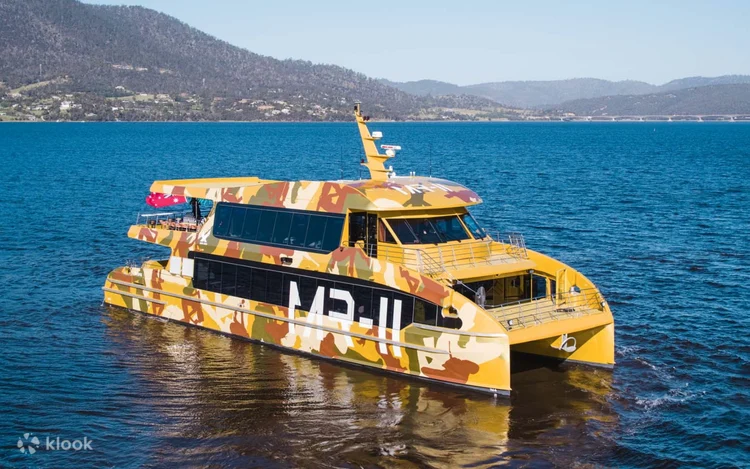
Departure from Brooke Street Pier by catamaran ferry turns a museum visit into part of the adventure. The river journey provides uninterrupted views of Hobart’s shoreline, bushland slopes, and private jetties, offering perspective on Tasmania’s landscape before reaching the Museum of Old and New Art. Inside, subterranean galleries combine provocative installations, ancient artifacts, and contemporary works arranged without conventional labels, encouraging personal interpretation. Time passes quickly due to MONA’s scale, so arriving early allows unrushed exploration. Outdoor lawns overlooking the Derwent offer quiet breaks between exhibits, while on-site dining highlights regional ingredients. The return ferry ride feels different, with late-afternoon light and relaxed passengers reflecting on the experience. This day works well early in the itinerary, blending culture with gentle sightseeing rather than long drives. Practical facilities, lockers, and clear transport logistics make it accessible for all travel styles. By pairing river scenery with world-class art, the experience demonstrates Tasmania’s ability to combine innovation with environment, providing depth beyond traditional sightseeing and establishing Hobart as more than a gateway city.
Mount Wellington Summit & Cloud-Floor Views

Gradual ascent from sea level to alpine conditions within half an hour illustrates Tasmania’s dramatic vertical landscapes. The road to the summit passes temperate rainforest, subalpine vegetation, and exposed rock fields, each offering pull-outs for short walks and photo stops. At the top, sweeping views extend across Hobart, the Derwent River, and distant mountain ranges when weather cooperates. Cloud inversions often create a striking “cloud floor,” with peaks emerging above a white sea below. Temperatures drop significantly, so layered clothing proves essential year-round. Short summit walks introduce hardy alpine flora and weather-sculpted rock formations. Facilities include shelter huts and viewing platforms, making the area accessible without extensive hiking. Visiting earlier in the day increases visibility, while late afternoons can deliver dramatic light. This excursion provides geological context and orientation, helping travelers understand Tasmania’s climate variability. Returning downhill reveals rapid ecological change, reinforcing the island’s biodiversity. The experience pairs well with an afternoon back in Hobart, balancing high-altitude scenery with urban comfort.
Historic Richmond Village & Wine Region Loop

East of Hobart, pastoral landscapes lead toward Richmond, one of Australia’s best-preserved colonial villages. Stone bridges, Georgian homes, and historic churches line compact streets, making exploration easy on foot. Richmond Bridge, built by convict labor, remains a focal point and photo stop. Local bakeries and tearooms provide casual dining before continuing into the Coal River Valley wine region. Cool-climate vineyards specialize in pinot noir, sparkling wine, and aromatic whites, with cellar doors spaced conveniently along rural roads. Tasting rooms emphasize small-batch production and regional storytelling rather than volume tourism. The loop structure allows relaxed pacing without backtracking. Scenic farmland, sheep paddocks, and distant hills add visual appeal between stops. This day suits travelers wanting history without museums and wine experiences without long distances. Returning to Hobart before evening avoids fatigue while delivering a satisfying contrast between heritage villages and agricultural landscapes. The route highlights Tasmania’s ability to compress diverse experiences into a single, well-balanced day.
Port Arthur Twilight Tour & Coastal Lookouts
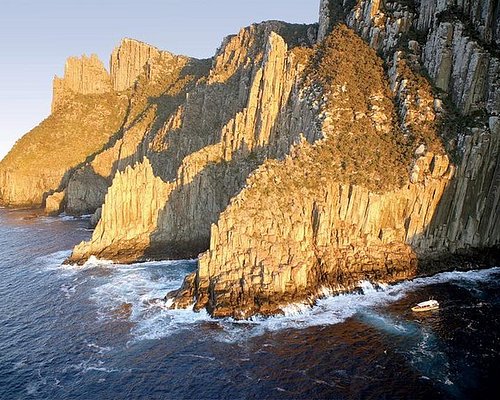
Southeastern roads lead through forests and farmland toward the Tasman Peninsula, where dramatic cliffs meet Southern Ocean swells. Arrival at Port Arthur Historic Site during late afternoon offers quieter pathways and softer light. The former penal settlement carries emotional weight through preserved ruins, interpretation centers, and coastal settings. Evening tours explore stories of convicts, guards, and daily life, adding narrative depth beyond daytime visits. Nearby coastal lookouts reveal rugged formations carved by wind and water, including sea stacks and blowholes. Wildlife sightings increase toward dusk, with wallabies and seabirds common along roadsides. Practical planning allows this visit to remain reflective rather than rushed, with accommodation nearby or a return to Hobart. The combination of history and raw coastline underscores Tasmania’s layered past. This day benefits from slower pacing, encouraging contemplation and respect for the site’s significance while appreciating the surrounding natural drama.
Freycinet National Park & Wineglass Bay Ridge

Curving coastal roads guide travelers toward Freycinet Peninsula, where pink granite peaks rise above turquoise bays. Arrival early allows time for the iconic ridge walk overlooking Wineglass Bay. The climb, though steady, remains achievable for most with proper footwear and water. Lookouts reward effort with one of Australia’s most recognized coastal views, featuring a near-perfect crescent beach framed by forested headlands. Descending to the shoreline adds contrast, with fine white sand and clear water ideal for rest. The park offers shorter walks for varied fitness levels, ensuring flexibility. Picnic areas and viewpoints reduce logistical complexity. Wildlife such as wallabies often appear near dusk. Spending the majority of the day here prevents fatigue and allows appreciation beyond the viewpoint alone. Freycinet represents Tasmania’s east coast at its most photogenic, blending accessible adventure with preserved natural beauty.
Friendly Beaches & Hidden White-Sand Corners

North of Freycinet, long stretches of undeveloped coastline offer quieter alternatives to busier bays. Friendly Beaches lives up to its name with expansive sands, low dunes, and gentle surf conditions depending on weather. Access roads remain simple, and walking tracks lead to secluded coves rarely crowded outside peak seasons. The area feels raw yet approachable, ideal for slow exploration, photography, and beachcombing. Clear water and wide horizons create a sense of scale uncommon on more developed shores. This stop works well as a decompression day, balancing prior hiking with relaxed coastal time. Facilities remain minimal, reinforcing the importance of preparation. Wildlife tracks often mark the sand, hinting at nocturnal visitors. The beaches showcase Tasmania’s understated charm, proving that memorable landscapes do not always require famous names. Time spent here restores energy while maintaining momentum through the itinerary.
Bay of Fires Rock Pools & Sunrise Spots
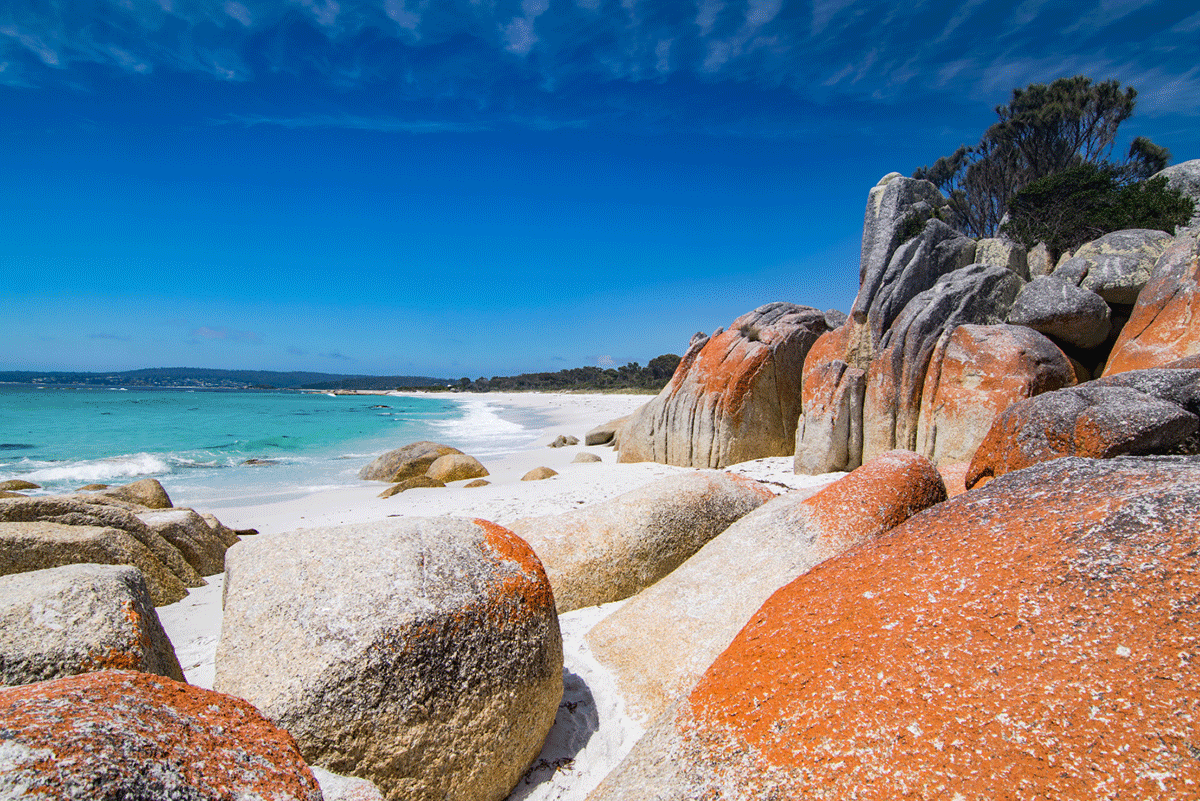
Further north, the coastline transforms as orange-lichen granite boulders contrast sharply with white sand and aquamarine water. Sunrise reveals Bay of Fires at its most striking, when light intensifies color and reflections form in natural rock pools. Short walks connect beaches and headlands, allowing flexible exploration without strenuous effort. Calm conditions create clear swimming areas, while elevated points suit photography. The region feels remote despite road access, emphasizing Tasmania’s low population density. Small coastal settlements provide basic services without disrupting scenery. Spending a full day allows movement with tides and light rather than fixed schedules. This area rewards patience and early starts, delivering visual impact without crowds. Bay of Fires remains one of the island’s most distinctive coastal environments, combining geological uniqueness with accessibility.
Cradle Mountain Enchanted Walk & Dove Lake Loop

Inland travel leads to alpine terrain where weather shifts quickly. Short, boardwalk-based Enchanted Walk introduces mossy forest, creeks, and temperate rainforest ecosystems. The longer Dove Lake Circuit circles glacial waters beneath jagged peaks, offering continuous views without steep climbs. Changing light and cloud patterns alter scenery throughout the walk, keeping the experience dynamic. Well-maintained paths support safe exploration while protecting fragile environments. Facilities at the visitor center simplify logistics, including shuttle transport. Wildlife sightings, particularly wombats, occur frequently near dusk. Allowing ample time prevents rushing and accommodates weather changes. Cradle Mountain demonstrates Tasmania’s highland character, contrasting sharply with coastal days earlier in the itinerary.
Wildlife Encounters & Night Wombat Trail

Evenings in Tasmania reveal an active nocturnal world. Designated trails near alpine and forested regions provide safe access to observe wildlife respectfully. Wombats emerge after sunset, grazing calmly along paths and open clearings. Wallabies, possums, and native birds also appear, offering memorable encounters without guided tours. Quiet movement and patience increase success. This experience requires minimal infrastructure, relying instead on awareness and restraint. Carrying a red-light torch reduces disturbance. Night temperatures drop quickly, so appropriate clothing matters. Observing animals in natural settings reinforces Tasmania’s conservation ethic. This understated activity adds depth to the itinerary, shifting focus from landscapes to living ecosystems.
Strahan & Gordon River Wild West Coast Cruise

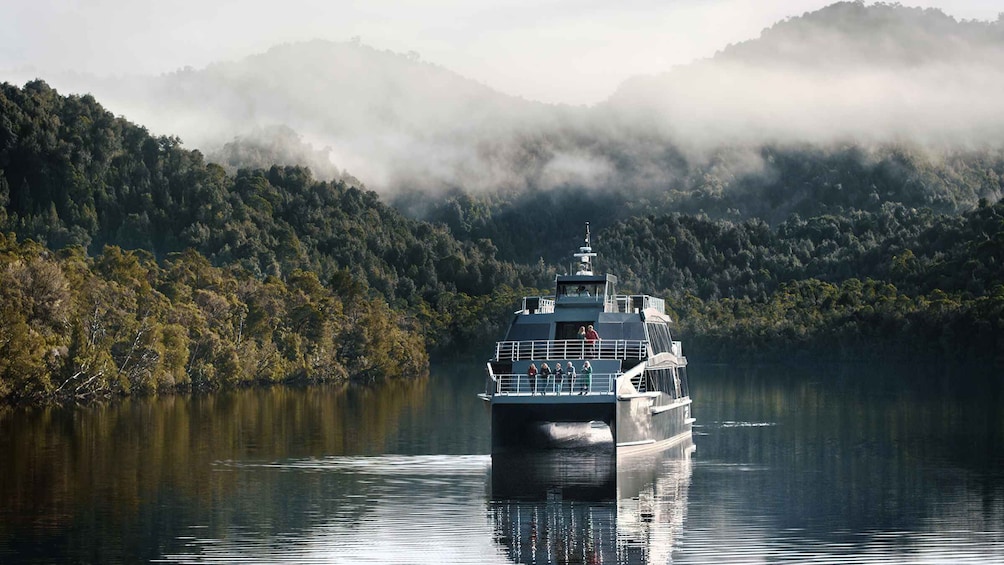
The drive west introduces dense rainforest and winding roads, emphasizing Tasmania’s remoteness. Strahan serves as a compact harbor town and departure point for Gordon River cruises. Onboard journeys glide through mirror-calm waters, reflecting ancient forests along riverbanks. Stops include boardwalks through temperate rainforest and historical sites tied to logging and hydroelectric development. Commentary provides context without overwhelming. Weather patterns create shifting moods, from mist to sunlight. This day remains gentle physically, balancing previous hikes. The west coast experience highlights Tasmania’s environmental significance and low human impact, offering a slower, contemplative contrast to busier regions.
Launceston’s Cataract Gorge & Food Scene Finale
Northern travel concludes in Launceston, where Cataract Gorge sits minutes from the city center. Walking paths, suspension bridges, and panoramic chairlift views make exploration efficient. Swimming pools carved into rock add historical interest. The city’s dining scene emphasizes local produce, cool-climate wines, and seasonal menus, providing a satisfying conclusion to the journey. Compact streets allow relaxed evening strolls. Ending here ties together nature and culture, reinforcing Tasmania’s ability to integrate wilderness with livable urban spaces.