
Turquoise coves, alpine-style valleys, and pastel fishing harbors exist far closer to home than many travelers realize. Across the UK, natural landscapes and historic towns mirror scenes associated with Italy, Iceland, Greece, and beyond, without the cost or long-haul flights. These places matter for budget-smart trips, weekend escapes, and low-stress planning while still delivering jaw-dropping scenery. From white-sand island beaches to dramatic mountain passes and storybook villages, each location offers a passport-free sense of wonder. This guide reveals where Britain feels unexpectedly international, helping readers plan visually stunning journeys, smarter itineraries, and unforgettable photo-rich adventures without leaving the country today.
Isles of Scilly
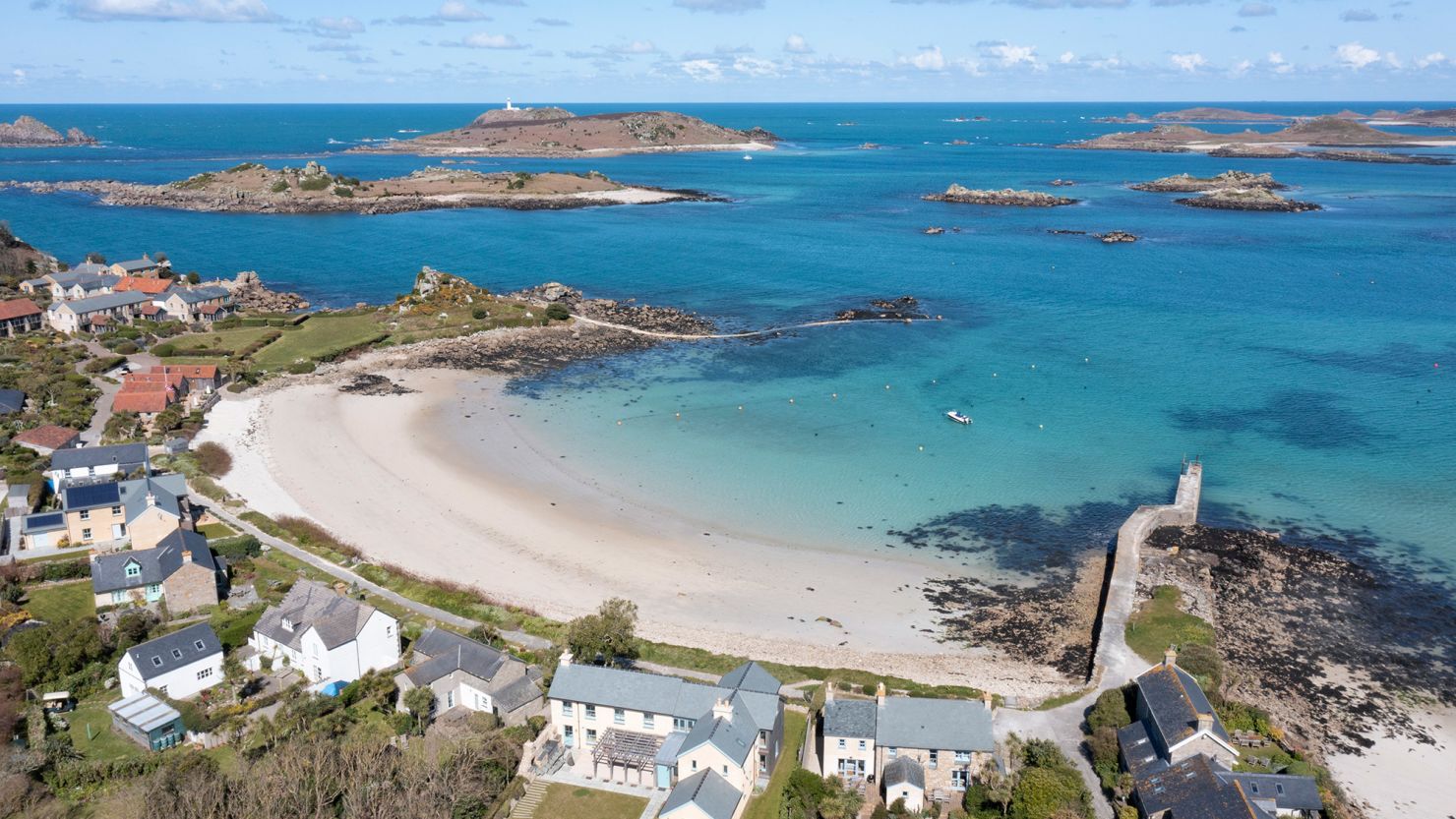
Turquoise water, pale sand, and subtropical gardens create scenes rarely associated with Britain. This remote archipelago off Cornwall’s coast delivers a Mediterranean mood through mild temperatures, clear seas, and unspoiled shorelines. Five inhabited islands form the core experience, with St Mary’s offering historic streets, sheltered beaches, and scenic coastal walks, while Tresco draws visitors for its world-famous Abbey Garden filled with exotic plants. Boat trips between islands reveal hidden coves, seal colonies, and shimmering shallows ideal for kayaking and snorkeling. Car-free environments enhance the slow pace, encouraging cycling and coastal wandering. Wildlife lovers spot puffins, dolphins, and migratory birds throughout the seasons. The maritime heritage adds depth through shipwreck stories, lighthouses, and defensive ruins. Sunset swims beside white sand beaches often feel tropical rather than Atlantic. Fresh seafood, beachside cafés, and family-run guesthouses maintain a relaxed island rhythm. Low light pollution creates exceptional stargazing, while coastal winds keep air clean and bracing. Despite feeling far removed, regular ferries and small flights maintain reliable access. Natural beauty remains the defining appeal, offering a rare combination of calm seascapes, warm microclimate, and unspoiled island charm that feels far removed from mainland Britain.
Camber Sands
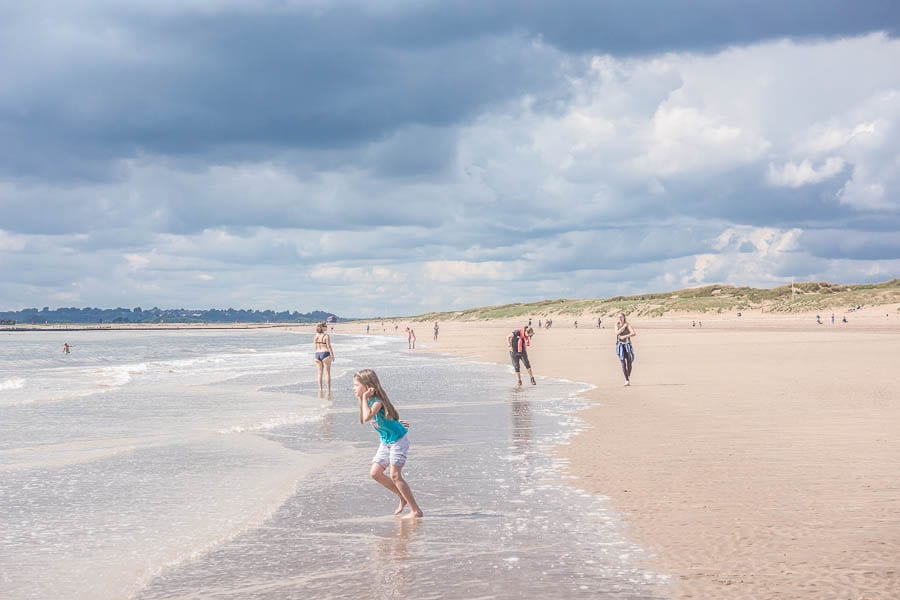
dunes and wide-open horizons deliver scenes more typical of North Africa than southern England. This vast sandy stretch near Rye stands apart from most British beaches with its dramatic desert-like backdrop and uninterrupted shoreline. Tall shifting dunes create sculpted patterns that glow gold under low sunlight, making the landscape feel strikingly foreign. Shallow tidal flats extend far out at low tide, inviting long barefoot wanderings and reflective photography. Steady coastal winds attract kitesurfers, land sailors, and paragliders throughout the year. Families enjoy safe paddling during calmer conditions, while walkers follow dune paths toward distant views of the English Channel. Nearby Romney Marsh adds pastoral contrast with grazing sheep and historic drainage systems. Seasonal pop-up cafés and beachfront food vans provide simple seaside comforts without overwhelming the landscape. Sunrises and sunsets wash the entire coast in warm color, creating unforgettable sky reflections across wet sand. Birdwatchers spot migrating species across the marshes and dunes during autumn. The openness gives a rare sense of scale rarely felt in southern England. Despite its wild appearance, the beach remains easily reached from London, making this otherworldly shoreline a striking contrast to typical British coastal scenery.
Portmeirion, Wales
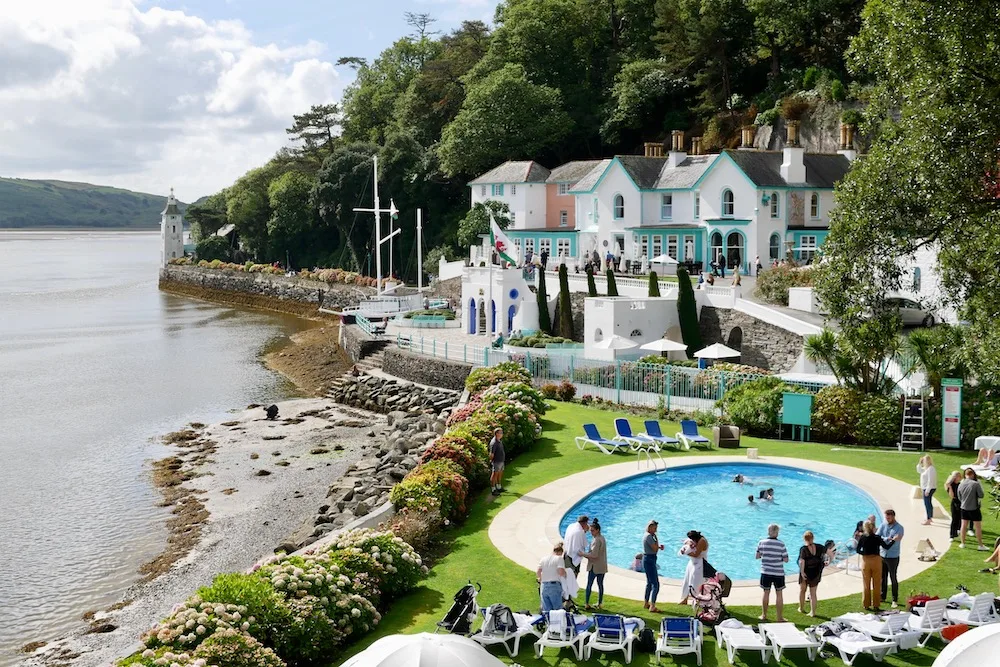
Pastel buildings, domed rooftops, and decorative towers transport visitors straight into an Italian coastal fantasy. Designed by architect Clough Williams-Ellis, this private village along the Gwynedd coast blends Mediterranean whimsy with Welsh woodland setting. Colorful facades overlook cobbled paths, subtropical gardens, and a sheltered estuary that reflects bright architecture across calm water. Every corner reveals playful details, including archways, balustrades, hidden courtyards, and sculpted terraces. The design philosophy focuses on harmony with nature rather than domination, allowing forested hills to frame vibrant buildings. Visitors wander freely through artistic streets, discovering ornamental bridges and scenic viewpoints overlooking the Dwyryd estuary. The location gained worldwide recognition through the cult television series The Prisoner, adding a layer of pop culture intrigue. Hotel rooms and cottages allow overnight stays inside the village after day visitors leave, creating a uniquely tranquil atmosphere. Cafés, tearooms, and formal dining areas offer estuary views throughout the day. Seasonal festivals, sculpture installations, and guided tours add depth to the experience. The overall setting feels distinctly continental while remaining anchored in Welsh craftsmanship and philosophy, offering one of Britain’s most unexpected architectural journeys.
St Michael’s Mount

Rising dramatically from tidal waters, this iconic island stronghold echoes the romance of Mont-Saint-Michel in France. A medieval causeway links the mainland to this rocky summit during low tide, while boats ferry visitors across when the sea returns. Granite battlements crown the island, sheltering a historic castle that reveals centuries of occupation, defense, and monastic life. Subtropical gardens cascade down steep slopes, thriving in Cornwall’s mild climate with palms, agapanthus, and rare flowering plants. Narrow cobbled paths guide walkers through terraces, viewpoints, and secluded resting areas above the harbor. Fishing boats drift nearby, maintaining the maritime rhythm that shaped the settlement. Inside the castle, antiques and archives display family life alongside military heritage. Tidal changes create dramatic shifts in scenery every few hours, offering two entirely different arrival experiences each day. Seabirds circle constantly, while seals occasionally appear in surrounding waters. The surrounding village at the base retains traditional Cornish charm with stone cottages and small shops. This dramatic blend of legend, geology, and living history delivers a continental island illusion that feels timeless and theatrical when rising from the sea.
Isle of Skye
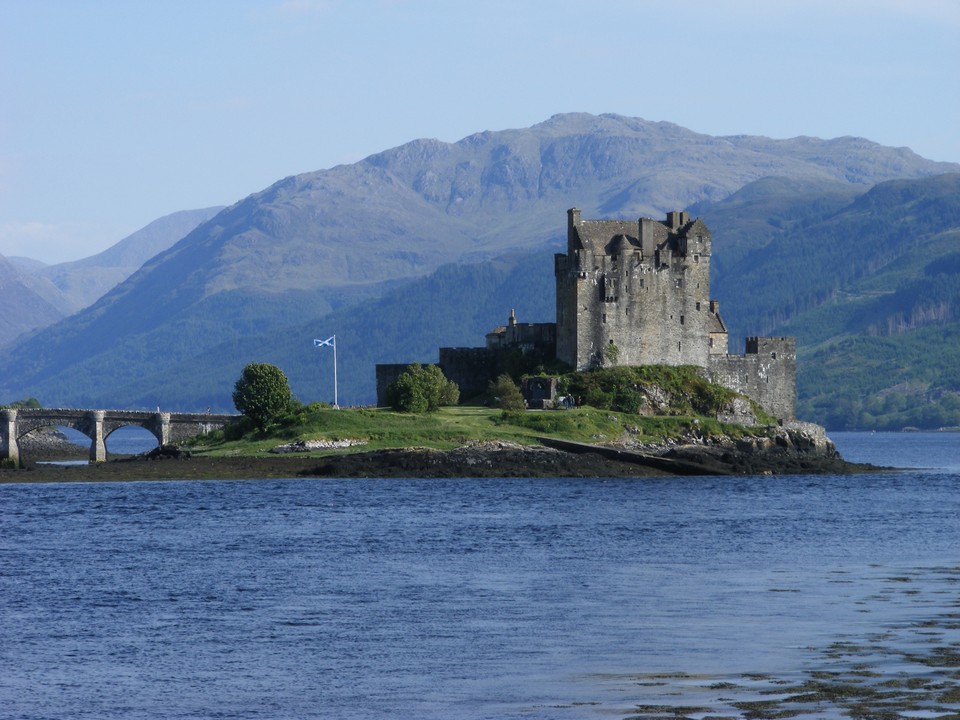
Jagged peaks, shifting mist, and vast open skies shape a landscape more reminiscent of Iceland than Scotland. This rugged island presents cinematic terrain through volcanic rock, surreal cliffs, and waterfall-filled valleys. The Quiraing landslip delivers towering escarpments and looping ridgelines that appear endlessly dramatic in changing light. Fairytale pools cascade over smooth black rock, forming crystal-clear basins framed by green slopes and distant mountains. Coastal cliffs drop sharply into the Atlantic, producing thunderous waves and salt-sprayed air. Ancient castles and crofting villages add cultural weight to the striking geography. Weather shifts rapidly, creating multiple moods within a single afternoon, from sunlit ridges to moody cloud banks. Golden and sea eagles soar overhead, while red deer wander across open moorland. Remote single-track roads lead through wide glens and coastal headlands with constant photographic opportunities. Traditional music sessions, seafood restaurants, and whisky distilleries ground the experience in Highland hospitality. Despite its popularity, vast areas remain quiet and untamed. The island’s combination of raw geology, cinematic scale, and elemental beauty creates a powerful illusion of northern wilderness far beyond typical British scenery.
Bibury, Cotswolds
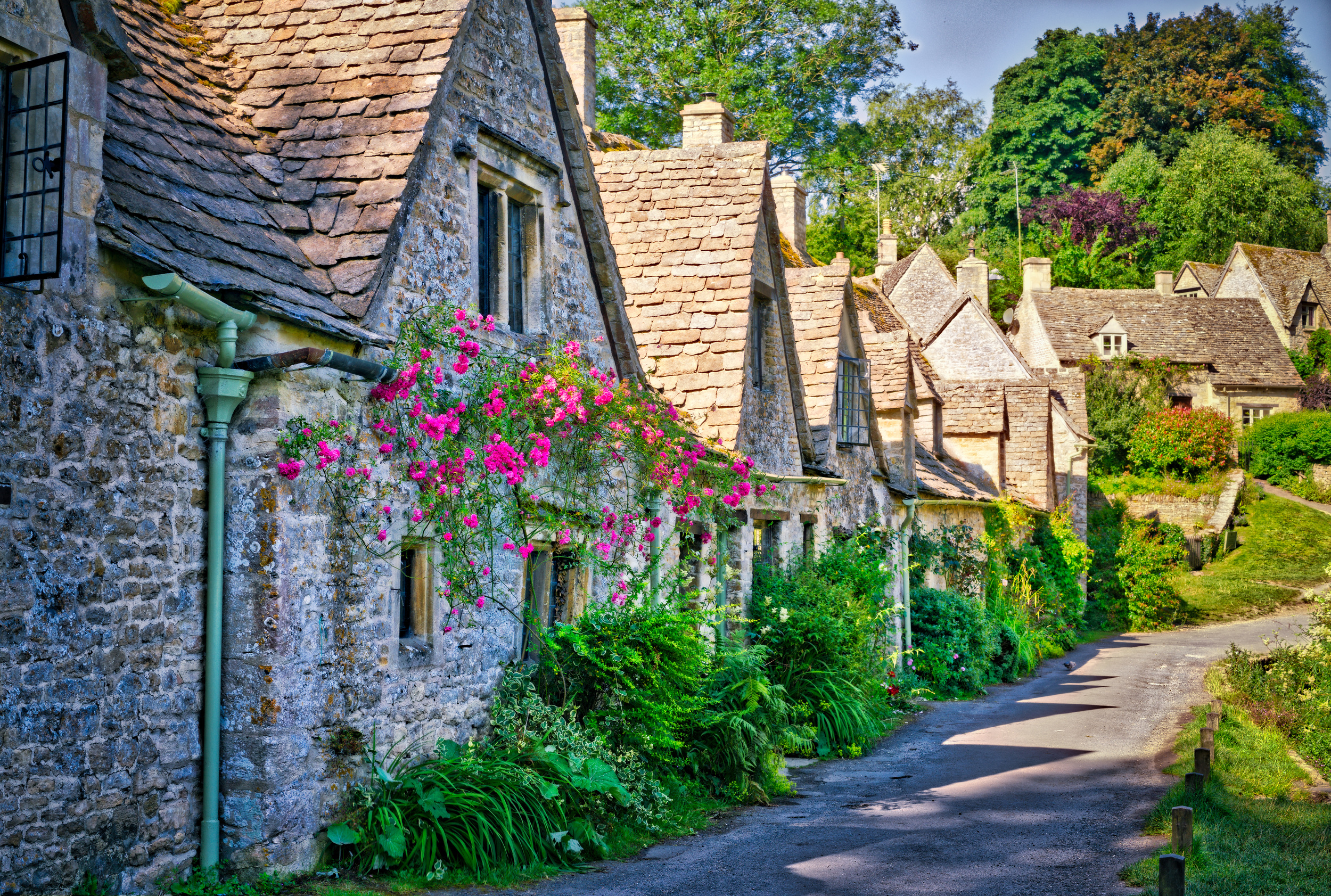
Stone cottages lining a gentle river create a postcard-perfect scene often compared to rural France. Arlington Row, built in the 17th century, forms the village’s most photographed feature with its steep roofs and historic weavers’ homes. Clear water flows through the River Coln, reflecting low stone bridges and flowering gardens throughout spring and summer. The surrounding countryside unfolds with rolling meadows, dry-stone walls, and grazing sheep that define classic Cotswold character. Footpaths lead directly from the village into open farmland, offering easy countryside walks without crowds once early visitors depart. The nearby trout farm continues a centuries-old tradition of fish breeding within the village boundaries. Seasonal changes transform the atmosphere, from golden autumn leaves to frost-dusted rooftops in winter. Small tearooms and traditional inns provide warm resting spots during long country rambles. Despite international recognition, the village retains genuine residential life beyond its main lanes. Photographers and painters remain drawn to the balanced proportions and harmonious setting. Every visual element feels meticulously composed yet naturally occurring, delivering a timeless rural beauty that feels lifted straight from a French provincial valley rather than the English countryside.
Castle Combe, Wiltshire

Steep hills, stone bridges, and winding lanes create the look of a lost European village frozen in time. Tucked into the Wiltshire countryside, this compact settlement unfolds along a narrow valley carved by a streaming brook. Weathered limestone cottages line both sides of the water, linked by arched footbridges that mirror scenes often associated with alpine towns. The absence of modern signage, overhead wires, and streetlights preserves an authentic historic atmosphere from dawn through dusk. The village clock famously lacks a face, symbolizing its resistance to modern pacing. Scenic walking routes branch from the main street into wooded hills and open pasture. Gardens overflow with seasonal color, softening the pale stone with bursts of green, yellow, and violet. Film crews frequently select the village for period productions, drawn by its untouched architectural consistency. The surrounding fields open into quietly dramatic countryside views, especially during low mist conditions. Small public houses offer traditional fare without commercial excess. Early mornings and evenings reveal its quietest and most captivating moods. With every detail shaped by centuries of continuity, the village delivers a convincing impression of a remote European hamlet preserved within southern England.
Rye & Camber Coast
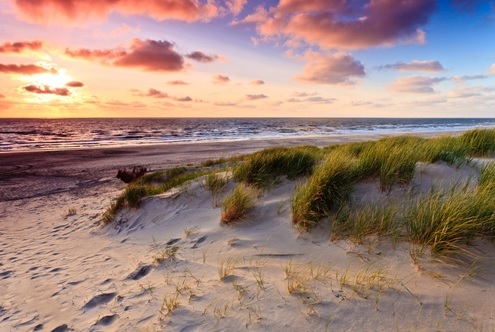
Medieval streets meeting sweeping dunes create a rare coastal pairing that feels distinctly continental. Hilltop lanes in Rye rise steeply with cobblestones, crooked timber houses, and ancient defensive walls overlooking wide marshland plains. Mermaid Street curves downhill in postcard fashion, leading toward small harbors and tidal inlets. From the town’s upper viewpoints, the open skies stretch endlessly over Romney Marsh before meeting the distant coast. A short journey away, vast open sands introduce an entirely different visual character shaped by wind and shifting dunes. The relationship between historic port town and wild shoreline mirrors French Atlantic settlements. Antiques shops, microbreweries, and tearooms fill centuries-old buildings with gentle modern life. The River Rother winds quietly past the town, inviting paddleboarding and riverside strolls. Migratory birds pass through the wetlands in large numbers each season. The tidal rhythm influences fishing boats, salt marsh grazing, and harbor views throughout the day. Dramatic skies often dominate the scenery during changing weather fronts. Together, the medieval village and dune-framed shore create a visual contrast rarely found elsewhere in England, delivering dual atmospheres of old-world port charm and open coastal wilderness within minutes.
Scottish Highlands Valleys
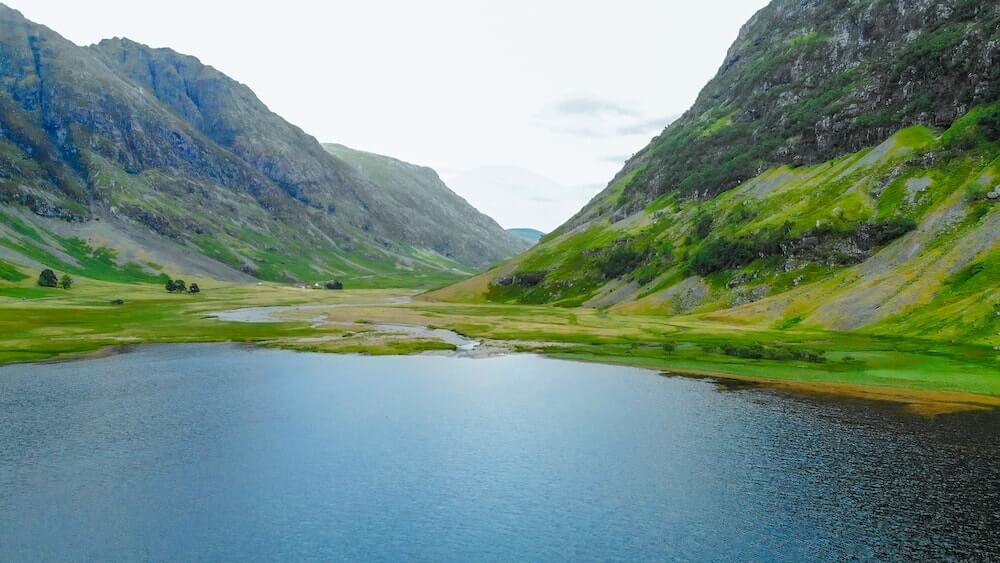
Deep glens carved by ancient ice deliver vast open scenery that rivals Alpine regions. Long valleys stretch between towering peaks, their sloped sides cloaked in heather, bracken, and rushing waterfalls. Rivers snake through wide floodplains fed by rain and melting snow, supporting red deer, golden eagles, and otters. Seasonal color shifts transform the landscape from soft green to fiery purple and bronze. Single-track roads weave through open distance with minimal settlement, creating a sense of true wilderness. Stone ruins of crofts and military roads reveal layers of human history within the expansive terrain. Morning mist drifts slowly through valley floors, giving an atmospheric grandeur similar to remote European mountain regions. Lochs anchor many valleys with mirror-still reflections under calm conditions. Popular routes such as Glencoe and Glen Affric combine accessibility with dramatic scale. Hikers follow ridge paths offering vast elevated views across dozens of distant summits. Rapid weather changes sculpt light and shadow continuously. Despite the harsh appearance, roadside inns and rural lodges provide warm hospitality. This powerful blend of geological drama, remoteness, and layered history forms one of Britain’s most convincing illusions of continental mountain wilderness.
Durdle Door, Jurassic Coast
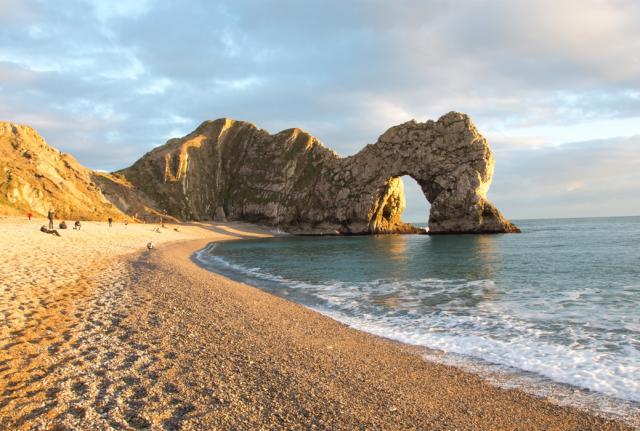
A natural limestone arch rising from turquoise sea creates a setting more typical of southern Europe than Dorset. This iconic coastal formation marks one of England’s most dramatic geological spectacles, sculpted over millions of years by relentless erosion. The adjacent beach lies cradled between steep chalk cliffs, forming a sheltered cove that glows under summer sunlight. A steep stairway descends from clifftop paths, revealing sweeping views before reaching the curved shoreline. Fossil-rich rock layers along the coast reveal ancient marine history embedded directly into the cliffs. Clear water invites swimming, paddleboarding, and snorkeling during calm weather. Sunrise and sunset transform the arch into a glowing silhouette framed against shifting skies. Wildflowers carpet the downs above the sea during warmer months, adding unexpected color to the coastal palette. Offshore currents shape the cove’s gentle wave patterns. Long-distance walking trails connect the site with neighboring bays and headlands. The isolation of the cove intensifies its visual impact once visitors settle on the shoreline. This striking intersection of geology, light, and open sea delivers one of the nation’s most unmistakably foreign-looking coastal scenes.
Lake District Shores

Glacial lakes framed by forested slopes and mountain ridges resemble alpine European waterscapes. Windermere, Derwentwater, and Ullswater anchor this scenic region with long mirrors of calm water reflecting surrounding peaks. Tree-lined shore paths follow gently curving coastlines through oak woods, rocky outcrops, and quiet bays. Historic boathouses, stone jetties, and woodland footbridges enhance the continental mood along many lake edges. Early morning often reveals glasslike stillness broken only by rowing boats or drifting swans. Steamer cruises provide sweeping vantage points across layered ridgelines. Fishing villages, hiking routes, and mountain cafés border the water, allowing continuous access between high ground and shoreline. Seasonal light dramatically reshapes views as mist lifts from lake surfaces into shifting cloud blankets overhead. Lakeside wildflowers bloom heavily during late spring and early summer. Rocky beaches appear at lower water levels, offering hidden picnic spots. Photographers favor western evening light that gilds water and mountain together. Despite constant appeal, quieter shore inlets remain easy to discover beyond main piers. This unique fusion of mountain depth and water calm mirrors famous lakes across Switzerland, Italy, and Austria.
Peak District Moorlands

High plateaus of open heather stretch toward distant horizons, creating expansive views rarely associated with central England. Gritstone edges rise abruptly from rolling uplands, forming dramatic escarpments that feel closer to northern European highlands than nearby villages. Dark Peak landscapes contrast sharply with green valleys below, sculpted by rivers like the Derwent and Noe. Wind shapes the uplands continuously, bending grasses and sharpening rocky ridgelines. Rotting stone tors and weathered outcrops crown the moors, offering panoramic viewpoints across miles of open country. Ancient packhorse routes cross peat bogs and rocky passes, revealing the region’s trading past. Seasonal purple heath and amber grasses shift the color palette throughout the year. Cloud shadows sweep across the open ground under wide skies, changing the scenery minute by minute. Stone-walled farms and reservoirs appear unexpectedly within the vast openness. Walkers experience a sweeping sense of scale uncommon in lowland Britain. Sunsets cast dramatic light across sweeping plateaus and deep valley cuts. The combination of altitude, exposure, and natural openness gives the moorlands an austere beauty often likened to Scandinavian high country rather than England’s pastoral heart.