
White marble shimmers at sunrise, casting reflections across a serene garden pool in a scene etched into the hearts of millions. Standing as a timeless tribute to devotion, the Taj Mahal continues to mesmerize visitors from across the globe. Beyond its breathtaking beauty lies a story of passion, loss, and architectural brilliance that makes it far more than a bucket-list destination. This guide walks you through everything you need to know—from the best times to visit to hidden viewpoints worth seeking—for an experience steeped in wonder, culture, and historical depth.
East‑Gate Early Entry at Sunrise

Light breaks gently over the Yamuna River as early risers line up outside the East Gate, ready for a tranquil sunrise experience. This entrance remains the least crowded and most efficient for dawn access, offering a peaceful walk past the forecourt before reaching the main platform. The monument’s white marble takes on soft pink hues under the morning light, rewarding early birds with unobstructed photo opportunities. Unlike the busier South Gate or West Gate, the East Gate sees fewer group tours, allowing for a calmer experience overall. Morning entry is particularly favored by photographers and couples wanting those iconic low-angle shots before heat and foot traffic rise. Gates typically open 30 minutes before sunrise, so arriving 45–60 minutes ahead is ideal. Autos and e-rickshaws drop off passengers at Shilpgram parking, from where a short shuttle ride takes you to the entrance. Lines here tend to move faster, but pre-booked online tickets further reduce wait times. Lockers and basic amenities are also available nearby. Those prioritizing serenity, symmetry, and soft light should consider this gate the optimal start. Combined with the East Gate’s proximity to hotels in Taj Ganj, it remains the smartest, smoothest path into the Taj Mahal’s spellbinding dawn beauty.
Mid‑September to October Visit

Shifting monsoon skies give way to crisp, golden mornings by mid-September, marking one of the most photogenic and comfortable periods to explore the Taj Mahal. With lush gardens freshly revived from rains and visibility at its peak, this shoulder season creates postcard-perfect views without the oppressive crowds of winter holidays. October brings mild daytime temperatures, hovering between 25–32°C, making it ideal for prolonged visits across the complex, including strolls around Mehtab Bagh or the mosque side for reflection photography. Fewer domestic tourists during this time also mean shorter lines at entry gates and less jostling near the marble platform. Light cloud cover often adds drama to skyline shots, and the river behind the Taj reflects its structure more clearly during these dry weeks. Hotels in Agra also offer better rates before Diwali season pricing kicks in. Visitors with flexibility should avoid weekends and pick weekdays for the quietest conditions. Booking your ticket and entry gate ahead can further streamline the experience. Whether for architectural admiration or photo opportunities, this timeframe provides balance: cool enough for comfort, clear enough for visibility, and calm enough to soak in the Taj Mahal’s grandeur without distraction.
Garden Sit-Spot Over Mausoleum Line-Up

Lush pathways surrounding the reflecting pool offer a vastly underrated experience compared to the marble platform’s crowded crush. Rather than rushing to join the main line into the central mausoleum chamber, pause at one of the shaded marble benches tucked amid the Charbagh gardens. From here, symmetry, breeze, and unobstructed views reward patience with poetic serenity. These garden spots allow for quiet reflection, wide-angle photography, and even picnic-like stillness—ideal for families or those sensitive to tightly packed queues. With most visitors focused on reaching Mumtaz Mahal’s cenotaph, these areas offer a more meditative appreciation of the site’s design philosophy. The fountains and trees act as natural cooling zones, and birds flutter through the air, adding to the atmosphere. Many guides overlook this zone in their haste, making it a hidden gem for those who prefer to soak in the vista without interruption. Carrying a light scarf or shawl for shade adds comfort. Visitors seeking depth over speed will find these spaces lend perspective on the scale and elegance of Mughal planning. By choosing to sit, observe, and breathe instead of rushing the line, one experiences the Taj Mahal as it was intended: a place for stillness, memory, and timeless connection.
Mehtab Bagh Sunset Silhouette Shoot
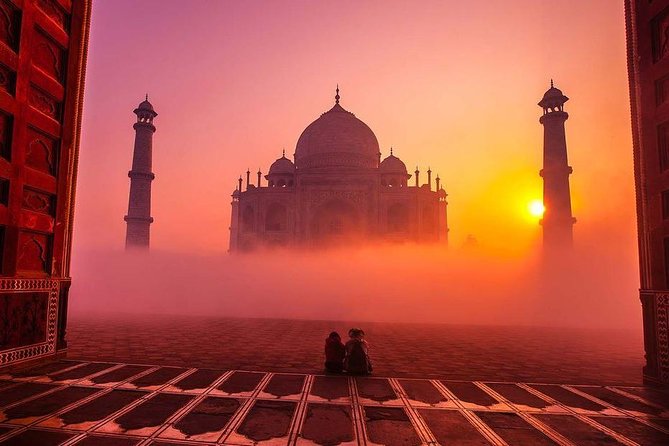
Soft evening hues frame the Taj Mahal’s silhouette perfectly from across the Yamuna River at Mehtab Bagh. This riverside garden, once part of Shah Jahan’s original vision, remains one of the most underappreciated photo spots—especially during golden hour. Located directly opposite the Taj, Mehtab Bagh provides a symmetrical, crowd-free perspective ideal for long-lens sunset captures. Visitors can include local flora or silhouetted figures in the foreground for a layered composition. The sky here often ignites with warm pinks and golds as the sun dips behind the Agra Fort side, backlighting the mausoleum in dramatic contrast. Access is simple by auto-rickshaw or hired cab, and entry fees are minimal. The garden closes shortly after sunset, so arrive 60–90 minutes before dusk to scout angles and settle in. Drones are not allowed, but handheld photography flourishes here. Unlike the busy south bank, this quiet north-facing garden allows for contemplative moments and creative freedom, without tourists crowding your frame. Photographers often use it as a pre-wedding shoot location thanks to its romantic and serene backdrop. Whether with a smartphone or DSLR, this vantage point ensures breathtaking results and a unique perspective not captured from within the main complex.
Online Ticket + East/South Gate Entry
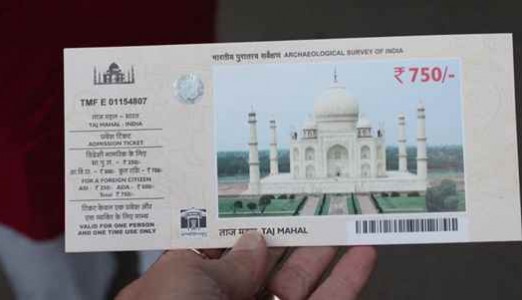
Digital reservations have streamlined the Taj Mahal experience, eliminating the need to queue at ticket counters. Booking your entry online—either via the official ASI website or government-approved apps—not only saves time but also provides access to a separate, faster-moving line at both the East and South Gates. These entry points are more efficient for tourists staying in Taj Ganj or nearby accommodations. After booking, visitors receive a scannable QR code valid for their chosen time slot, which should be shown digitally or printed at the gate. Tickets can also include optional add-ons such as shoe covers or a golf cart ride from the parking zone. The East Gate is quieter and opens earlier, ideal for sunrise visits, while the South Gate provides quick access for those coming from the southern neighborhoods of Agra. Carry a valid ID that matches the name on the ticket, as security will cross-check before granting access. Entry through these gates typically leads to less congested security screening and faster entry into the main garden. Planning this simple step ahead prevents unnecessary delays and lets visitors maximize their time soaking in the monument’s details rather than waiting in lengthy lines under the sun.
Bold Outfit Contrast vs White Marble

Vibrant attire pops brilliantly against the Taj Mahal’s luminous white Makrana marble, offering travelers a stunning visual contrast for photos. Traditional Indian wear—such as bright saris, lehengas, or colorful kurtas—produces breathtaking imagery, especially when framed by arched doorways or garden pathways. Saturated tones like crimson, cobalt, turmeric, or emerald stand out vividly, especially in early morning or late afternoon light. Even casual visitors can benefit from planning outfits that include solid colors or rich textures, avoiding neutrals that might blend into the backdrop. Footwear must be removed or covered before stepping on the main platform, so slip-ons make the process easier. Photography enthusiasts should position subjects with the dome or minarets softly blurred behind for compelling portraits. Contrast isn’t just aesthetic—it emphasizes the monument’s purity and elegance while allowing personal style to shine. Be mindful of cultural respect by dressing modestly while still embracing visual expression. Accessories like scarves or parasols also add flair and functionality. Beyond social media appeal, these wardrobe choices can turn a visit into a memorable storytelling experience. Planning an outfit that visually balances the architecture creates timeless photographs that mirror the vibrancy and romance the Taj Mahal symbolizes across generations.
Full‑Moon Night Viewing Experience
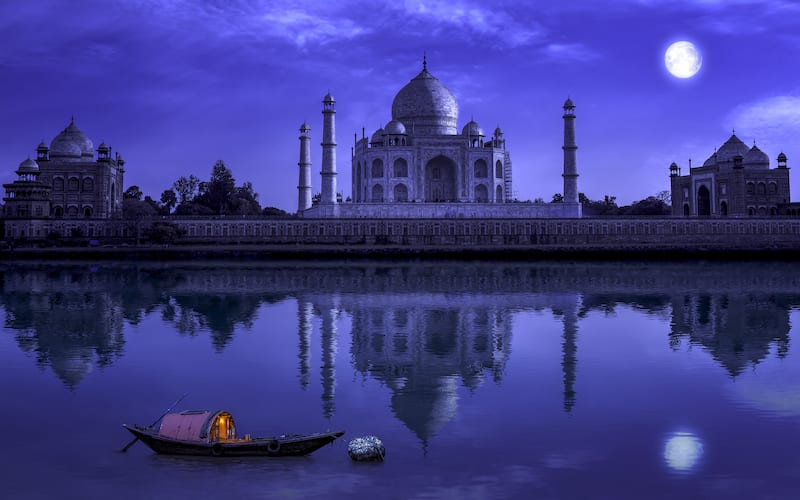
Every full moon, the Taj Mahal transforms into a silvery dreamscape during special night viewing sessions permitted five nights each lunar cycle. Under moonlight, the marble glows ethereally, casting shadows and reflections that differ completely from daytime visits. Tickets for this rare experience must be booked in advance through the Archaeological Survey of India, with only 400 visitors allowed per evening, divided into 8 groups of 50. Visits are brief—approximately 30 minutes—and held between 8:30 PM and 12:30 AM, with security screening required well before your slot. Visitors cannot enter the mausoleum itself but can view the monument from a distance on the raised marble platform at the main forecourt. Photography is allowed but only without flash, and tripods are not permitted. Clear skies and dry weather greatly enhance visibility, making the October to March months ideal for scheduling. The magical stillness of the moment—devoid of daytime noise and crowds—creates a surreal and deeply personal experience. Planning this visit around your itinerary offers a rare opportunity to witness the Taj Mahal in its most mystical state. Romance, reflection, and reverence converge under the soft lunar glow, making full-moon night viewing a cherished memory for any traveler.
Symmetrical Reflection Shots at Mosque Wall

Positioning yourself near the red sandstone mosque on the western side of the Taj Mahal complex unlocks one of the most visually striking angles available. When the morning light strikes the marble dome, a perfect reflection forms in the polished marble courtyard adjacent to the mosque wall. This spot provides a unique vantage point—free from foot traffic and chaos—ideal for symmetry-focused photography. The mosque’s placement within the complex enhances the overall composition, framing the Taj with rich terracotta hues and delicate arches. During cooler early hours, the marble floor reflects light crisply without interference from shadows or crowds. Minimalist compositions featuring the mosque wall as a leading line offer visual balance with the ivory-white mausoleum in the background. This site is also shaded by mid-morning, making it a comfortable location to pause, observe, or shoot long-exposure frames. Patience here pays off—tour groups tend to skip this side in favor of central viewpoints. For those chasing symmetry, stillness, and iconic angles, this courtyard delivers unmatched results with minimal post-processing. Whether you’re a casual smartphone shooter or an enthusiast with a tripod, this perspective transforms your Taj Mahal visit into a visually rich memory that stands apart from standard tourist snaps.
Skip‑The‑Line Entry with Guide Option

Opting for a skip-the-line ticket paired with a certified local guide transforms your visit into a seamless, insightful experience. With rising footfall, especially during weekends and tourist season, waiting in regular queues can take up to 45 minutes—or more. Authorized guides not only escort you through dedicated lines at the East or West Gate but also help navigate security protocols quickly. Most packages include hotel pickup and drop-off, making them ideal for time-conscious travelers or those unfamiliar with the layout. Beyond expedited entry, knowledgeable guides provide in-depth context about the Mughal architecture, calligraphy, and symbolism behind every element of the Taj Mahal. You’ll learn what most self-guided visitors miss—like optical illusions in the minarets, or why the cenotaphs are actually symbolic. Many guides also assist with photography, pointing out best spots for framing or snapping wide shots with minimal interruption. Prices vary based on language and duration, but even a 90-minute walkthrough offers excellent value. Booking through licensed services ensures accurate history, respectful conduct, and access to lesser-known trivia. For visitors aiming to avoid crowds while enriching their understanding, this combination of priority access and curated insight is worth every rupee and makes the experience far more memorable.
Combine Taj + Baby Taj + Mehtab Bagh Visit

Planning a three-stop itinerary covering the Taj Mahal, Itimad-ud-Daulah (Baby Taj), and Mehtab Bagh offers a well-rounded view of Mughal heritage in Agra within a half-day span. Starting with the Taj at sunrise ensures cooler weather and softer light for photography. From there, a short drive takes you to the Baby Taj—a marble tomb that predates the Taj Mahal and influenced its design. Featuring intricate pietra dura inlay and geometric symmetry, Itimad-ud-Daulah’s compact layout allows for close-up architectural shots without crowds. The final stop, Mehtab Bagh, sits across the river from the Taj and offers panoramic sunset views, ideal for silhouette photography and reflection shots. This loop provides distinct perspectives of Mughal craftsmanship—monumental scale, delicate detail, and harmonious garden integration—all within a few kilometers. Transportation can be arranged via auto-rickshaw, private car, or guided tour package, each offering flexibility in pace. Entry fees for all three are modest, and combined visits often appeal to photographers, historians, and casual tourists alike. Carry water, sun protection, and camera gear in a lightweight bag. By merging these three landmarks in one itinerary, travelers gain a deeper appreciation for Agra’s layered architectural narrative and avoid the inefficiency of scattered, isolated visits.
Avoid Fridays & Festival Weekdays

Fridays may seem like an ideal time to visit the Taj Mahal, but the monument remains completely closed to the public on this day for weekly prayers. Attempting a Friday visit leads to disappointment, wasted travel, and missed opportunities—especially for those with tight itineraries. Beyond the weekly closure, national holidays, long weekends, and local festivals like Holi, Eid, or Diwali can swell crowds dramatically. Footfall increases from both domestic tourists and school groups, creating long lines, restricted movement, and reduced chances of capturing clean photographs. Tour guides often raise prices during these peak days, and hotel rates may also surge. Online ticket platforms may show availability, but the actual experience becomes far less enjoyable due to congestion. Even sunrise hours, which are typically serene, feel rushed and chaotic during festive periods. Visitors aiming for a smooth, meaningful visit should plan for early weekday mornings between Monday and Thursday. Double-check Indian national holiday calendars before confirming travel dates, and avoid weekends when possible. If visiting during a festival is unavoidable, consider combining a quick Taj entry with offbeat sites like Baby Taj or Akbar’s Tomb to sidestep the crowd surge. Strategic timing ensures peace, better visuals, and far greater satisfaction.
Pack Light: Shoe Covers & Water Only

Security at the Taj Mahal is among the strictest in India, and packing light significantly smooths your entry. Only essentials are permitted—bottled water, a phone, and a small camera. Large bags, tripods, books, snacks, chargers, and cosmetics are typically flagged and stored at external lockers, which adds delays. Most visitors must remove their shoes or use shoe covers before stepping onto the main marble platform; carrying a pair of disposable shoe covers is both hygienic and hassle-free. These are often provided with higher-tier tickets but can also be purchased outside the gate. Sunscreen should be applied beforehand, as bringing the bottle may lead to confiscation. A foldable hat and compact water bottle help you stay cool during warmer months without attracting scrutiny. Backpacks—even if small—may trigger extra screening, so opt for a lightweight sling or handbag. Avoid bringing drones, selfie sticks, or sharp objects as they are strictly banned. By minimizing what you carry, you reduce wait time, ease movement inside, and focus fully on the experience. Visitors planning to explore more than one site in the day will also benefit from carrying less. Streamlining your essentials lets the architecture—not your gear—define the journey.