
Tucked between rugged peaks and ancient monasteries, this high-altitude valley remains one of India’s last untouched frontiers. Spiti’s stark beauty, lunar landscapes, and cultural depth attract those seeking more than just scenic views—it’s a test of endurance, perspective, and connection. Travelers venturing into this remote Himalayan haven trade crowds for solitude, Wi-Fi for prayer flags, and highways for winding mountain trails. With each village more isolated than the last, the journey through Spiti reveals a raw, unfiltered India few ever reach. This guide shares essential insights to help you experience the valley with intention, safety, and deep cultural respect.
Golden Hour from Dhankar Monastery Cliff Ledge
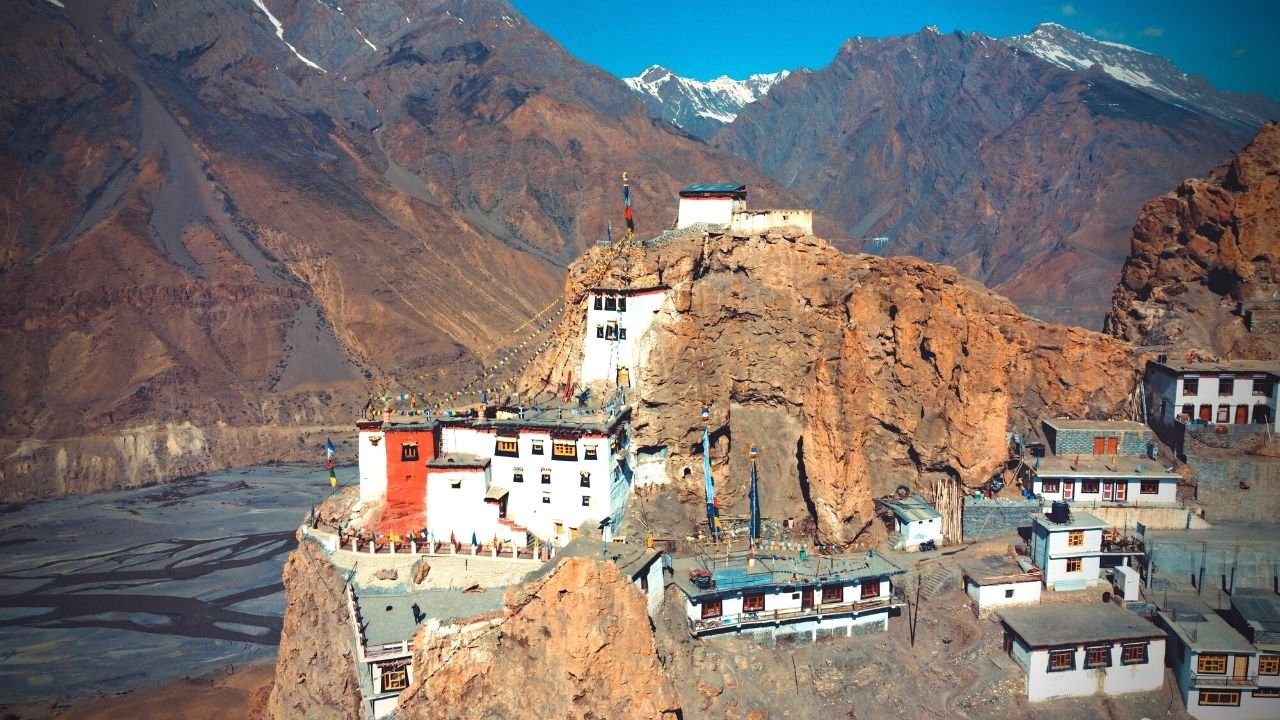
Stone-carved steps leading to Dhankar Monastery’s cliff edge open up to one of the most surreal sunsets in the Indian Himalayas. With the valley unraveling beneath and snow-streaked peaks glowing orange, this golden hour moment turns silent shadows into soft, glowing outlines. Few travelers reach this vantage point at the perfect time when prayer flags flicker in amber light and birds cut across the dipping sun. The light here doesn’t just bathe—it sculpts, giving the rugged terrain a cinematic clarity. Bring a wide-angle phone lens for the cliff drop illusion and shoot just after the call for evening prayers—when the golden hues hit both the monastery walls and the distant Spiti riverbed. The descent must be timed before dusk slips into complete darkness, as trails back down are steep and quiet. Monks occasionally offer butter tea to those waiting for the final light streaks, adding warmth to the already soul-stirring view. Ideal for landscape photographers and meditative travelers alike, this brief window of light leaves a lasting imprint. Golden hour at Dhankar isn’t just a photo opportunity—it’s a fleeting alignment of sacred silence and raw Himalayan grandeur that rewards anyone willing to wait without distraction.
Chicham Bridge Walk with Drone-Style Phone Angle

Perched at 13,596 feet, Chicham Bridge delivers more than just a dramatic altitude reading—it offers a rare chance to simulate drone shots without leaving the ground. By extending your phone outward from the center of the bridge using a selfie stick or wide-arm extension, the abyss below frames perfectly, showcasing the snaking canyon and pastel-toned cliffs of the Spiti landscape. Wind gusts amplify the drama, fluttering prayer flags in rhythmic intervals while shepherds lead their herds in miniature far below. Morning hours give clearer skies for that stark, shadow-cast depth, while late afternoon light softens the contrasts for smoother composition. For safety, remain tethered or use a phone lanyard; this location is not forgiving to mishandling. Few travelers experiment with low-angle backward pans or overhead spirals here, but the open space begs for creativity. What makes Chicham special isn’t just its engineering—it’s the visual playground it offers those willing to walk slowly and look down, not just across. Pausing mid-bridge lets the silence of Spiti creep in, broken only by distant yak bells. The experience transforms an ordinary road crossing into a surreal moment of suspended perspective, perfectly tailored for travelers who like to frame the world a little differently.
Moonrise Timelapse from Fossil Village (Langza) Hilltop

Evenings above Langza’s fossil-laced terrain offer more than geological intrigue—they gift an unfiltered view of moonrise sweeping over snow-laced peaks. With the massive Buddha statue at your back and grazing yaks disappearing into blue dusk, setting up a timelapse from the hilltop delivers a mesmerizing natural sequence. This altitude allows the moon to appear as if emerging from the Earth itself, rising rapidly as colors shift from violet to indigo. Use a tripod or place your phone securely on a flat stone; wind speeds here can topple gear if left unattended. Begin the timelapse sequence 20 minutes before calculated moonrise using any astro app, ensuring shadows on the terrain evolve with layered contrast. Avoid light pollution by facing northward—Langza remains one of the few spots where glow-free night footage is truly achievable. Locals often speak in hushed tones during this hour, aware of the silence that arrives with darkness. Once the moon breaches the horizon, its reflection faintly dances across the distant icy surfaces, amplifying the ethereal glow. What starts as a quiet hilltop vigil often transforms into a surreal visual performance, revealing how deeply connected this fossil village remains to the rhythms of celestial motion.
Key Monastery Night Stay with Sunrise Gong Wake-Up
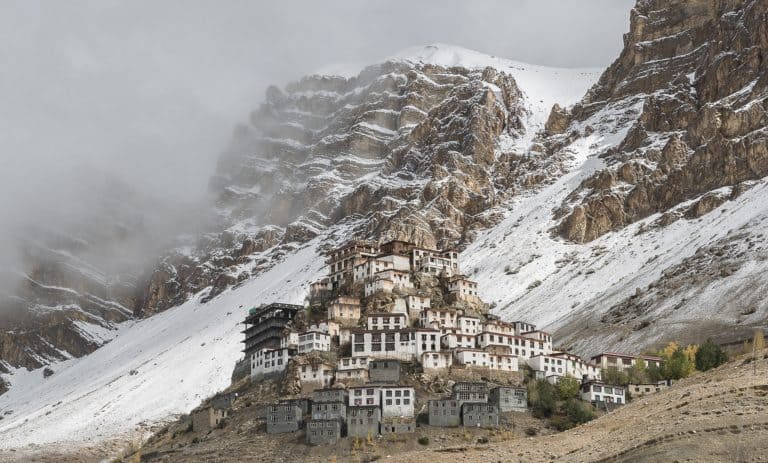
Inside the maze-like halls of Key Monastery, time stretches differently. Booking a night’s stay at this 11th-century marvel isn’t just accommodation—it’s immersion into a living, breathing spiritual space. Stone corridors echo soft chants while butter lamps cast trembling light on faded murals. Nights fall early in the high-altitude chill, but warmth comes from thick quilts and community conversation with monks and fellow travelers. Before dawn, the awakening is unmistakable: a slow, resonating gong shakes the silence, calling monks for morning prayers. Sunrise follows swiftly. Climb to the upper terrace for a front-row view as golden light washes over the Spiti river bend below and illuminates scattered white homes like glowing chess pieces. The air turns fragrant with incense as conch shells sound across the valley. Photography here is most impactful when capturing silhouettes—of monks pacing, birds in mid-flight, or fluttering flags against orange gradients. Though simple, the stay is deeply grounding, reminding travelers that silence, light, and rhythm can outshine any luxury. Few places in India offer such raw yet meditative exposure to both spiritual life and geographic grandeur. Morning at Key is less about the view and more about feeling like you’ve momentarily stepped into the pulse of Himalayan devotion.
Self-Camp Setup with River Reflection Below Tabo

Sloping trails behind Tabo lead to flat, riverside grounds ideal for setting up a minimalist camp. With no commercial interruption, this stretch offers privacy and a direct line of sight to the shimmering Spiti River—especially during the hour before sunrise or after golden hour ends. Pitching a lightweight tent just meters from the water ensures uninterrupted reflection views: craggy cliffs glowing pink mirrored perfectly in the calm river. Keep gear compact, and pack out all waste—local communities value the pristine environment. Cooking over a travel stove as marmots scurry in nearby rocks adds to the off-grid allure. Stargazing here is unmatched due to minimal ambient light, and long exposure photos often capture not just stars, but also their rippling echoes across the water surface. Wind picks up after midnight, so anchor your tent with extra care. Morning light warms the mountain slopes first before reaching your tent, offering a slow visual crescendo best paired with hot tea and silence. This self-camp location isn’t marked on any tour map—it’s a moment of raw stillness carved between rock and river for those seeking quiet introspection far from crowds. One night here feels like slipping between pages of a personal Himalayan story.
Secret Prayer Flag Photo Curve Along Pin Valley Road

Midway along the winding route into Pin Valley, a sharp bend unveils a gentle ridge studded with fluttering prayer flags—perfectly perched for wide panoramic frames. The turn feels unassuming at first, but step out and the ridge reveals itself as a secret photo spot kissed by mountain drafts and clean Himalayan light. Flags stretch into the wind like threads of color sewn into sky. Position your phone or DSLR low and upward, letting the prayer lines lead toward snow-patched peaks in the distance. Cloud cover shifts frequently here, giving fast-changing backdrops that breathe life into every frame. Mornings often offer crisp lighting, while late afternoons layer a peach hue across the valley. Be mindful of vehicles on this narrow curve and stay tucked safely off the road while shooting. Locals tied many of these flags for safe travels, adding subtle reverence to the composition. A well-angled shot here captures more than just color—it blends motion, altitude, and the silent spirituality of Spiti’s landscapes. For creators who want frames that whisper movement and stillness together, this hidden flag turn offers more than an image—it gifts a story of passage, wind, and the quietly devout.
Overnight Star Trail at Nako Lake with Minimal Light Pollution

Stillness blankets Nako Lake after sundown, interrupted only by the occasional rustle of wind brushing through nearby prayer wheels. Tucked in a remote corner of Kinnaur near the Spiti border, Nako boasts some of the cleanest night skies in the region. For star trail photography, set up on the elevated embankment facing the lake’s northwestern edge. Reflections double the celestial drama, with the Milky Way and circling Polaris mirrored on glassy waters. Using interval mode, shoot continuous long exposures over several hours—the absence of nearby artificial lighting ensures clean arcs without intrusion. Wrap yourself warmly; nighttime temperatures drop sharply even in summer. Local guesthouses often welcome travelers to step out late for skywatching, offering hot butter tea or wool blankets for comfort. Avoid campfires near the lake as even small light sources can interfere with camera sensitivity. By morning, the gathered footage reveals a swirl of stars gracefully dancing across the sky’s curve, wrapped around the lake’s cold, calm center. Few experiences match the quiet reward of this effort: art formed not by brush or lens, but by standing still while the Earth spins slowly underneath. In Nako, the night paints with time instead of color.
Hidden Stupa Garden at Gue Mummy Temple

Beyond the main path that leads to Gue’s famed preserved mummy lies a lesser-seen stupa garden tucked into a side slope behind the temple. Travelers often miss it, drawn directly to the mummy’s chamber, but a gentle uphill walk reveals rows of miniature stupas, each uniquely weathered by time and wind. Cracked earth and scattered wildflowers create an unexpected contrast, adding subtle color to the monochrome stone. This space feels less ceremonial and more personal—likely built by families or local monks over generations. Early light slants through prayer flags that form a soft arch overhead, casting filtered rays across the dome tops. Each stupa seems to point skyward, echoing the spiritual altitude of Spiti itself. It’s an ideal spot for contemplative moments or wide-angle shots that capture the rhythmic geometry against blue sky. Locals rarely disturb this patch, making it perfect for quiet reflection or journaling with only wind for company. While the mummy room holds curiosity, this stupa grove holds memory. It’s less photographed, less known, yet quietly profound. Travelers willing to step off the expected path discover that Spiti’s spiritual depth often whispers from the background rather than announces from the front.
Local Yak Café Stop Between Demul and Komic

Between the windswept roads linking Demul and Komic, a modest yak-themed café beckons with faded signage and a hand-painted menu board that flaps against its stone wall. Built into the landscape with mud-brick walls and a yak skull above its door, the café offers more than just snacks—it’s a warm pocket of hospitality in Spiti’s stark terrain. Seating is often informal: stools made of stacked stone, woolen rugs laid across rough benches, and steaming cups of salt butter tea set in mismatched mugs. Try the freshly prepared yak milk paneer or sweetened barley porridge served with wild herbs. What sets this café apart isn’t just flavor—it’s the stories that come free with each order. The owner, often tending to the stove herself, shares tales of blizzards, pilgrimages, or monks passing through with weathered reverence. Outside, yaks graze lazily near the café’s slope, occasionally wandering close enough for candid photos. The location also doubles as a natural viewpoint—broad, uninterrupted skies stretch above distant ridgelines, perfect for mid-journey photo breaks. For those tracing Spiti slowly, this roadside café stop feels like a reward: nourishing not just hunger, but connection. One pause here, and the road somehow feels less remote.
Slow Morning Tea at Kibber Rooftop Café Viewpoint

As the first sunlight rolls across Kibber’s slate roofs, rooftops stir to life with the hiss of boiling kettles and murmurs of early risers. One particular café perched near the village’s edge opens its top floor for an unhurried view of waking Spiti. Blankets are folded over stone benches, and cushions warmed by the sun invite travelers to linger. Tea—often masala or salt-butter—is served in steel cups that retain the heat just long enough to melt the morning chill. Panoramas stretch out past dry fields toward the snowy crowns of the Zanskar range, and if timed right, you might spot a blue sheep grazing near the edge of vision. This isn’t a rushed stop. It’s where travelers journal, locals exchange weather gossip, and clouds change shape while the second brew steeps. Wi-Fi is nonexistent, which adds to the draw—forcing eyes up instead of down. The rooftop turns into a silent theater of light, temperature shifts, and quiet awakenings. Whether you photograph or simply sit, this café encourages presence. It’s one of those rare pauses in Spiti that asks for nothing but your time—and offers the calm rhythm of village life wrapped in steam and sun.
Dried Apricot Wall Display Inside Spiti Homestay Kitchen

Inside the clay-walled kitchens of several Spiti homestays, apricot season marks a unique visual treat. Strings of sun-dried apricots hang in vibrant rows from ceiling beams or are laid in circular spirals on handmade reed mats, often lining the rear wall like edible garlands. The natural light filtering through small, soot-stained windows gives the display a warm, honeyed glow—turning simple preservation into understated decor. Most locals dry these fruits for winter storage, but their symmetrical arrangement adds accidental artistry to the space. While guests sip salt tea or help shape momos, these apricot strands quietly tell stories of harvests, rhythms of the land, and the practical beauty of Himalayan life. It’s a moment few think to photograph—but should. Using portrait mode with a focus on the foreground fruit and blurred homestay textures behind creates an intimate, documentary-style frame. Ask before shooting, as kitchens remain deeply personal spaces, but most hosts take pride in sharing their seasonal labor. The apricot wall is more than storage—it’s a cultural fingerprint woven into the everyday. For those attentive to small details, this corner of the kitchen offers a glimpse into Spiti’s self-sufficient charm, where preservation techniques become quiet markers of resilience and design.
Monastic Chant Session Attended at 4:30 AM in Tabo
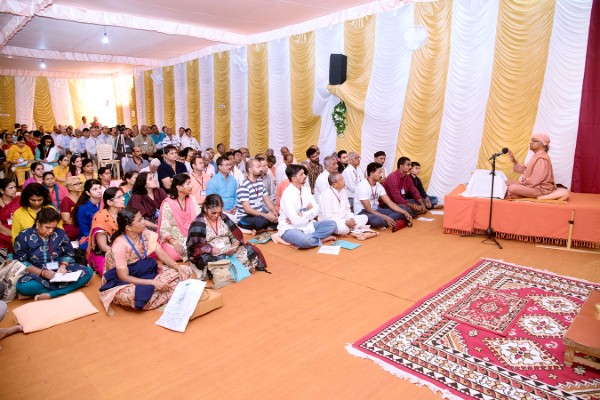
Before sunrise brushes the walls of Tabo Monastery, a bell echoes faintly through the valley, calling monks and travelers alike into the main prayer hall. At 4:30 AM, the ancient structure breathes with rhythm—throat chants rise from the darkness, vibrating through mud-brick walls as flickering butter lamps push back the night. Visitors are welcome, provided they observe silence and remove footwear. Thick woolen cushions line the floor, and the scent of juniper incense wraps around slow, deliberate mantras that last nearly an hour. Watching the ceremony isn’t like a tourist stop—it’s witnessing time pass through breath and vibration. The chants begin low, building in cadence, synchronized perfectly despite no conductor in sight. Some monks sit perfectly still; others rock gently as the verses flow. Photography is discouraged during the session to preserve its sanctity, but the auditory memory lingers longer than visuals ever could. Emerging back into the cold morning light, the world feels hushed—as if Spiti itself paused to listen. For those open to quiet immersion, this chant session offers more than spiritual curiosity—it delivers a lived pulse of devotion unchanged for centuries. Few experiences ground you so completely before the day has even begun.