
Golden reflections shimmer across a sacred pool as chants echo softly through the air—this is where devotion, history, and hospitality meet in one of India’s most revered sites. Located in the heart of Amritsar, the Golden Temple draws millions not just for its stunning architecture, but for the deep spiritual energy that surrounds it. Travelers seeking cultural connection will find more than a monument here—they’ll experience living Sikh faith through daily rituals, community meals, and peaceful silence. This guide walks you through the customs, significance, and essentials for visiting this spiritual epicenter with respect and understanding.
Pre-Dawn Entry for Quiet Reflection Before Ardas

Stillness wraps the Golden Temple complex in a gentle hush just before dawn, offering a rare window for contemplative solitude. As the stars begin to fade and the marble floor cools your bare feet, the serenity of the pre-Ardas atmosphere becomes palpable. The gurdwara’s golden dome softly glows under diffused pre-light, while only the occasional soft footsteps or whisper of hymns echo across the Parikrama. This is a sacred time when the Harmandir Sahib remains relatively uncrowded, letting visitors experience spiritual grounding without distraction. Early risers often use this peaceful hour to sit cross-legged near the Amrit Sarovar, quietly reciting prayers or simply listening to the rhythmic laps of the holy water. Before the formal Ardas begins, granthis perform light preparations inside the sanctum, lending a gentle sense of anticipation. The pre-dawn moment offers unmatched clarity for spiritual seekers—physically and emotionally. Locals and pilgrims alike recommend arriving around 3:30 AM to witness the sanctity before the ceremonial start, marking one of the most peaceful spiritual experiences in Amritsar. This hour is especially meaningful for those seeking inner stillness, far from the day’s growing bustle. It’s a moment to absorb the temple’s essence before it fully awakens to the day’s rhythm.
Capture Amrit Sarovar Reflections at Blue Hour

Blue hour casts a luminous veil over the Golden Temple, where twilight and still water merge into a tranquil visual harmony. Just after sunset or before sunrise, the soft indigo sky reflects off the sacred Amrit Sarovar, creating a mirror-like surface that doubles the temple’s golden brilliance. This fleeting moment is favored by photographers and pilgrims alike, as the blend of natural and architectural light offers mesmerizing clarity without harsh shadows. From any point along the Parikrama, you can pause to watch the shimmering dome ripple gently across the water’s glassy surface. The serenity is punctuated only by kirtan floating softly through the air or the subtle clinks of karah prasad bowls being distributed nearby. As the illumination begins to increase or fade depending on the hour, the reflections shift in tone—from sapphire to honeyed gold—offering a dynamic interplay between devotion and aesthetics. This specific time frame, typically 30 minutes before sunrise or after sunset, provides one of the most peaceful and visually rewarding experiences in the entire gurdwara complex. It’s a daily reminder of how natural light and sacred architecture combine to create spiritual immersion through sight alone. Arrive early, stay still, and let the reflections center your senses.
Langar Kitchen Volunteering With Utensil Duty

Rolling up your sleeves in the langar kitchen is more than an act of service—it’s a direct connection to the core of Sikh philosophy. Utensil duty, often overlooked for cooking or chapati-making, offers a humbling entry point into this selfless tradition. After meals conclude, rows of metal thalis, bowls, and spoons arrive in stacks from the langar hall. Volunteers gather at large sinks, forming informal assembly lines to rinse, scrub, and dry thousands of items daily. The water is warm, the metal clinks rhythmic, and the atmosphere communal—filled with soft banter and quiet focus. Regardless of age or background, all who serve do so equally, reflecting the spirit of seva (selfless service) that defines the Golden Temple. For first-timers, the simplicity of the task—yet the scale of its impact—becomes immediately clear. Each clean dish enables another pilgrim to eat. The team dynamic fosters meaningful conversations, or moments of mindful repetition for those seeking introspection. Volunteering during quieter times, such as mid-morning or late evening, lets you work without rush and experience the meditative side of seva. It’s not about what you clean, but how your presence contributes to the collective flow of compassion in action.
Hidden Balcony View From Inside Darshani Deori Arch

Tucked above the bustling gateway known as Darshani Deori lies a small, often-overlooked balcony that grants a unique perspective of the Golden Temple. While most visitors pass beneath the arch in awe of their first direct glimpse of the shrine, few realize there’s an upper-level chamber offering a quieter, elevated view. Accessed via a narrow staircase behind the entrance structure, this hidden spot provides a rare chance to pause away from the crowds. From the balcony, the entire causeway to the sanctum stretches out like a ceremonial carpet, flanked by shimmering reflections in the Amrit Sarovar. The shrine appears perfectly framed, and the procession of devotees moving across the bridge unfolds in slow motion from this height. It’s a moment of perspective—physically lifted above the crowd yet spiritually grounded by the view. This spot becomes especially magical at sunrise or sunset, when golden light filters through the archways. Visitors often sit silently for a few minutes, cameras lowered, absorbing the symmetry and symbolism of the temple’s architecture from a vantage few others take time to explore. If you seek a reflective pause or a fresh visual narrative, this hidden balcony above the main arch offers quiet clarity in a sacred frame.
Chaur Sahib Ceremony Shot from Side Corridor

Positioning yourself along the eastern side corridor of the Harmandir Sahib grants a dignified, close-range perspective of the Chaur Sahib ceremony. This sacred ritual—where attendants gently wave a yak-tail fan over the Guru Granth Sahib—is central to Sikh devotional practice, reflecting honor and reverence. Unlike front-facing views near the sanctum’s entrance, the side corridor presents a parallel angle that captures both the ritual and the daily rhythms surrounding it. Here, the ambient sounds soften—granthis reading scripture, tabla patterns weaving through the air, and the quiet murmur of respectful visitors. From this discreet position, you witness the seamless coordination between the sevadaars and the holy scripture, as each movement becomes part of a living prayer. The chaur’s flowing gestures appear particularly poetic from the side, enhanced by the sanctum’s golden walls and lamp-lit ambiance. Photographers seeking depth often choose this vantage for storytelling, capturing both devotion and human interaction in a single frame. The corridor remains less crowded during early mornings or late evenings, offering clearer lines of sight. Standing there, you don’t merely observe—you connect silently with the rhythm of reverence, recognizing how ceremony, space, and humility interlace in this sacred Sikh tradition.
Evening Kirtan from Rear Sidebench by Water

Evenings around the Golden Temple grow contemplative as kirtan echoes through the marble cloisters, inviting listeners into quiet devotion. One of the most tranquil spots to absorb this sacred music is a rear-side bench nestled near the edge of the Amrit Sarovar. While the front plaza and sanctum pathway remain lively, this secluded corner draws fewer crowds, allowing the music to wash over you without interruption. The soft glow of temple lights reflected in the water, coupled with the melodic strains of harmonium and tabla, creates a deeply immersive spiritual atmosphere. Seated here, you’re flanked by stillness—devotees in quiet prayer, the faint ripple of water, and the golden silhouette shimmering in every note. The experience feels deeply personal, even among others sharing the bench. Some bring scripture or mala beads, while others simply sit, letting the rhythm align with their breath. Evening kirtans often reach emotional crescendos, especially on significant Sikh dates, making this vantage point profoundly resonant. For travelers or spiritual seekers, it becomes a moment of connection beyond words—between music, surroundings, and inner stillness. Arrive just after dusk, stay through a complete shabad, and leave with a memory that lingers long after the last note fades.
Stay in Free Yatri Niwas Dorm for Devotional Immersion

Pilgrims seeking deeper spiritual connection often choose to stay in the Yatri Niwas dormitory within the Golden Temple complex. Managed by the Shiromani Gurdwara Parbandhak Committee, this free accommodation offers more than just a place to sleep—it extends the experience of seva and humility. The dorm rooms are simple yet clean, with shared bathrooms and lockers for belongings. Bedding is basic, and noise levels reflect the rhythm of temple life—quiet early, gently buzzing by sunrise. By staying on-site, you gain early access to morning rituals and avoid long queues at main entry points. The communal sleeping arrangement fosters camaraderie among travelers, many of whom come from across the globe. It’s not uncommon to hear whispered stories of previous visits or shared readings of Gurbani well past midnight. The dorm’s location also allows you to participate more fluidly in langar seva, attend kirtan multiple times a day, or sit beside the Amrit Sarovar whenever the moment calls. For devotees, it becomes less a stay and more a spiritual retreat wrapped in simplicity. Although free, donations are welcome and encouraged to help sustain the facilities. Arriving early ensures a spot—especially during festivals or weekends when pilgrim traffic increases.
Visit Central Sikh Museum During Midday Heat
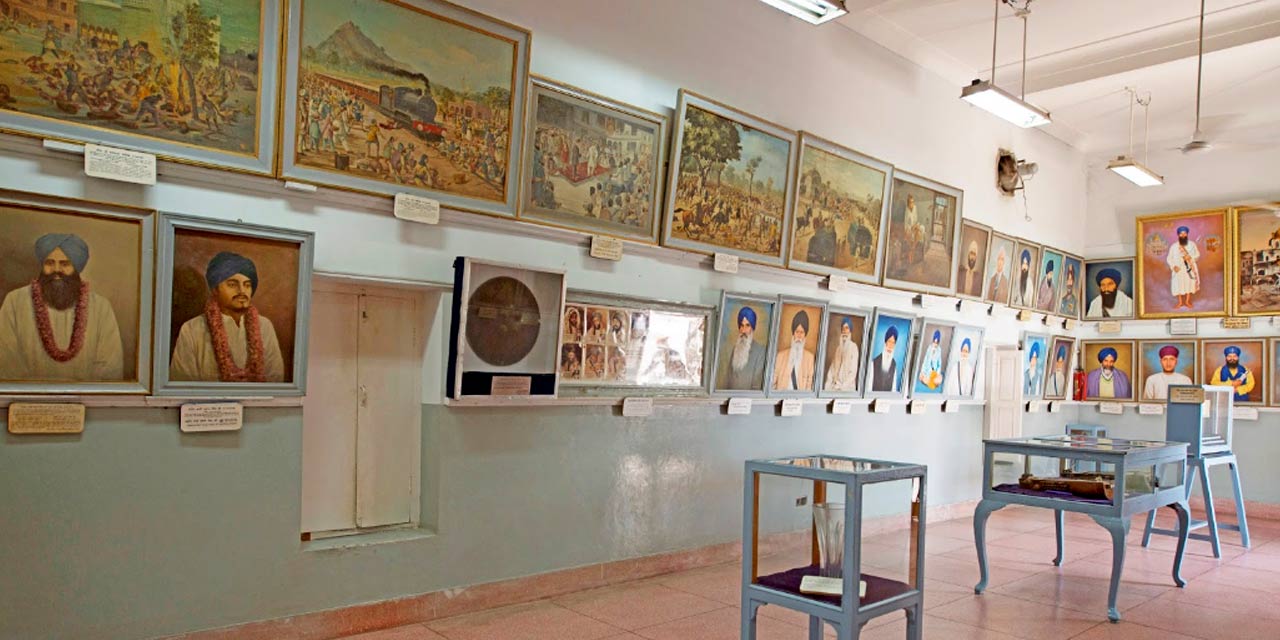
When midday temperatures peak and the marble tiles grow hot underfoot, stepping into the Central Sikh Museum offers both respite and reflection. Located above the main entrance corridor (Darshani Deori), the museum preserves the legacy of Sikh history through portraits, manuscripts, and exhibits detailing centuries of resilience and reform. Inside, ceiling fans hum quietly, and the cool interior offers a stark contrast to the sun-drenched Parikrama below. Visitors move slowly through the curated halls, pausing at powerful paintings of Sikh martyrs, saints, and leaders—each framed with context that speaks to both spiritual valor and historical struggle. Sections of the museum also display antique weaponry, handwritten Hukamnamas, and relics associated with key figures like Guru Gobind Singh Ji. English signage makes the experience accessible for international visitors, while local guides often offer impromptu storytelling sessions. Beyond education, the museum deepens your understanding of why the Golden Temple is more than a place of worship—it’s a living symbol of endurance and equality. Visiting during the afternoon lull allows you to absorb this history without the crowds, creating space for contemplation. It’s a quiet, enlightening pause amid your pilgrimage, grounding the present moment in centuries of faith-driven resilience.
Stairwell View of Guru Granth Sahib Closing Procession

One of the most reverent daily rituals at the Golden Temple unfolds in the evening, when the Guru Granth Sahib is carried in a ceremonial procession to its resting place in the Akal Takht. Viewing this procession from the stairwell near the sanctum entrance offers a respectful yet visually striking perspective. The curved stone staircase provides just enough elevation to witness the palanquin’s slow journey through the arched gateway, framed by the illuminated sanctum behind it. Sevadaars dressed in traditional attire carry the holy scripture under a decorated canopy, accompanied by sacred chants and flower petals underfoot. The energy feels weighty yet serene, with devotees lining the path in hushed reverence. Photographers often favor this angle for its unobstructed line of sight and ambient lighting. As the procession passes, silence descends—even among large groups—marking the transition from daylong worship to night’s spiritual pause. This moment is not just about ritual; it’s about witnessing devotion in motion, embodied through each careful step. Arrive around 9:30 PM, just before the ceremony begins, to find a quiet spot along the stairwell wall. From this vantage, the symbolism becomes tangible: reverence carried upward, not just in scripture, but in spirit.
Heritage Street Tea Stop for Golden Glow Capture

Late afternoon brings a honeyed glow to Heritage Street, just outside the main gates of the Golden Temple. Nestled among souvenir shops and jalebi stalls, small tea vendors set up steel tables perfect for a brief pause—and an unexpected visual treat. From this stretch, looking down the lane, the temple’s dome appears between architectural frames, glowing under the slanting sun. The bustling yet respectful street life adds to the frame—pilgrims, locals, and occasional flute sellers drifting past in rhythm with temple bells echoing faintly from behind the gates. Ordering a masala chai here isn’t just a break—it becomes a slow moment to observe Amritsar’s blend of devotion and daily life. Many photographers and bloggers pause here to capture the interplay of heritage architecture and the temple’s golden sheen. The sunlight around 5 to 6 PM paints everything in soft warmth, adding depth to your lens or journal. Locals often recommend the tea stall closest to the archway for the cleanest angle. If you linger just long enough, you’ll see the transition from sunset gold to evening silver as lights flicker on within the temple complex behind. It’s a blend of everyday simplicity and sacred majesty, all in a single frame.
Walk Barefoot on Marble Parikrama at 3 AM

Marble cools like moonlight beneath bare feet during the quietest hours of the Golden Temple’s daily cycle. At 3 AM, the Parikrama—the circular pathway around the Amrit Sarovar—feels like a sanctified river of stillness. While the sanctum begins stirring for early Ardas, the marble floor retains the chill of night, grounding each step with physical calm. This hour attracts serious seekers, early volunteers, and elderly devotees moving slowly in silent circumambulation. Chanting is minimal, the kirtan has not yet begun, and the entire complex breathes in soft anticipation. Walking barefoot here isn’t just ritual—it’s a tactile meditation. Each polished slab underfoot feels like a page in a living scripture, etched with centuries of footsteps and prayers. Pause along the southern edge, where the dome reflects brightest under early artificial lights, and notice how the air feels different—quieter, charged, humbling. By arriving well before the crowd, you also position yourself for prime access to the sanctum as the day begins. This isn’t a tourist moment—it’s one for reflection, personal devotion, or simply to be present as the temple transitions from night’s peace to day’s rhythm. Few experiences in Amritsar match the quiet power of this barefoot journey under the early sky.
Join Palki Sahib Evening Ritual Before Retreat Bell

Each night, just before the retreat bell echoes across the temple grounds, the Palki Sahib ritual transforms the Harmandir Sahib into a glowing procession of faith. This ceremony marks the return of the Guru Granth Sahib to the Akal Takht for overnight rest. Participating in or respectfully observing this ritual offers a profound encounter with living Sikh devotion. Around 9:45 PM, sevadaars begin preparing the ornately decorated palanquin, known as the Palki Sahib. The holy scripture is gently lifted onto it, veiled in embroidered cloth, and surrounded by devotees chanting hymns with folded hands. As the Palki begins its short but symbolic journey across the causeway, flower petals shower the path and tabla beats match the steady footfalls of the bearers. Devotees line up quietly, some trailing behind the procession in shared reverence. Witnessing this from the sides of the Parikrama or near the sanctum arch allows an immersive view without blocking the sacred route. The atmosphere is emotionally charged, blending reverence, gratitude, and community in every gesture. For those unfamiliar with Sikh tradition, this moment crystallizes the deep love and respect with which the Guru Granth Sahib is treated—not as a book, but as a living guru.