
Golden reflections shimmering across the sacred waters draw millions to this serene yet powerful sanctuary each year. Revered as Sikhism’s holiest site, the Golden Temple in Amritsar is far more than a religious monument—it’s a living symbol of unity, humility, and boundless hospitality. From the soul-soothing chants echoing through the marble halls to the world’s largest free community kitchen serving visitors of all backgrounds, the experience is both humbling and unforgettable. For travelers seeking spiritual depth, cultural immersion, or a deeper understanding of India’s diverse heritage, this guide offers essential insights into one of the country’s most moving and meaningful destinations.
Pre-dawn Opening Ceremony at 4 AM

Stillness hangs over the marble as the temple awakens under the stars. By 3:45 AM, the Golden Temple’s main entrance gently fills with worshippers and granthis preparing for the sacred Prakash ceremony. This is when the Guru Granth Sahib—the Sikh holy scripture—is ceremonially carried from the Akal Takht to the sanctum inside the Harmandir Sahib. Chanting of kirtan begins softly in the background, followed by rhythmic beats of the nagara drum, signaling the moment to gather near the causeway. Devotees line the narrow walkway with folded hands and bowed heads as the palki (palanquin) procession glides through the moonlight. The transition of scripture is not simply ritual—it symbolizes awakening divine presence for the day. Visitors standing quietly experience a profound shift in atmosphere as spiritual energy intensifies in real time. For those who attend, witnessing this sacred beginning sets a reverent tone for the hours to follow. Accessing the complex before sunrise requires punctual arrival, and cameras must remain respectfully off during the ceremony. The pre-dawn moment, with its rare serenity and devotion, reveals the living pulse of Sikh faith and tradition in one of India’s most spiritually significant places.
Weekday Sunrise Parikarma Walk

First light filters through temple arches as the marble path around the holy pool begins to warm under bare feet. The Parikarma, or circumambulation, encircles the Amrit Sarovar and is best experienced during early weekday mornings just after the opening ceremony. While weekends may attract large crowds, weekdays offer more personal space to walk slowly and reflect along the white marble arc. The calm mirror of the sacred pool reflects the temple’s golden dome as it catches the first rays of the sun. Gentle Gurbani hymns echo through the loudspeakers while birds stir above the domes and chhatris. Locals, pilgrims, and spiritual seekers alike participate, silently moving in one direction around the water. Each footstep on the cool floor is a meditation in itself. No rush. No pressure. Just still devotion. The entire circuit takes about 20 minutes, though many repeat it multiple times for deeper connection. Shoes and socks must be stored at the entrance, and heads must remain covered as a sign of respect. It’s not just a walk—it’s a ritual honoring humility and unity in the heart of Amritsar. Morning parikarma becomes a spiritual routine that travelers often carry forward long after their journey ends.
Long Exposure Reflections Over Amrit Sarovar

Still water becomes art when the light and patience align just right. For photographers with long exposure skills, the best window lies between blue hour and early morning. Positioned at the southeast curve of the Amrit Sarovar, a tripod-free setup with steady hands and supported elbows works well against the stone ledge. With proper camera settings—around f/8 aperture and 5–15 second exposures—the Sarovar mirrors a glowing reflection of the sanctum in shimmering clarity. The golden dome, soft-lit by ambient lights, appears to hover ethereally above the water. Pilgrims walking the marble pathway blur into gentle motion trails, enhancing the sense of living devotion without overt distraction. It’s crucial to remain discreet—tripods are technically restricted, and excessive setups can disrupt temple flow. For phone photographers, stabilizing on a backpack or stone surface while using manual exposure apps can achieve near-professional results. Early morning haze and minimal movement on the water’s surface ensure the highest visual payoff. This image—timeless, reverent, and full of depth—often becomes the most meaningful shot for visitors. More than just a photo, it’s a captured essence of serenity in India’s sacred spiritual heart.
Golden-Hour Silhouettes from Heritage Street

Golden light pours through the corridor as the temple’s silhouette rises between historic facades. Heritage Street, the newly restored pedestrian promenade leading to the temple, becomes a natural frame for sunset photography and meaningful observation. Around 5:30 PM, the golden-hour glow begins its descent behind the temple domes, casting long shadows and dramatic outlines across the polished stone. Vendors slowly close for the day, and the rhythmic hum of kirtan grows stronger as the temple calls pilgrims closer. The silhouette of Harmandir Sahib at this hour, backlit by sun and framed by the decorative arches, feels cinematic yet entirely grounded in reality. Photographers and contemplative travelers alike find themselves pausing here, adjusting angles to capture the layered contrast of heritage architecture and spiritual grandeur. This walk-through experience is not just a scenic route; it’s part of the pilgrimage, allowing the journey inward to begin before one even enters the complex. Note that while photography is allowed here, drone usage is prohibited, and respectful attire is still expected. As natural light fades, the golden-hour silhouette etches itself into memory—one of stillness, devotion, and the architectural soul of Amritsar meeting the divine.
Garden-Side Langar Meal Experience
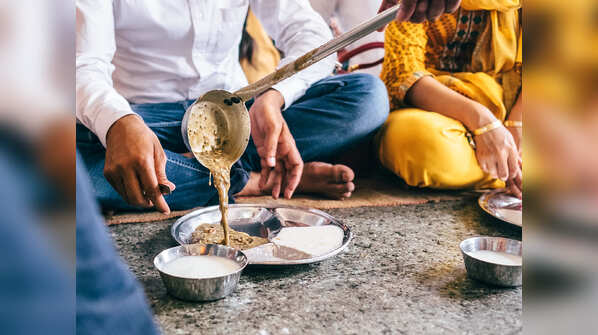
Steam rises from metal trays as volunteers serve thousands without distinction or charge. The langar, or community kitchen, is central to Sikh practice—and sitting down to eat beside locals in the garden-side tent area offers more than nourishment. Located near the Guru Ram Das Langar Hall, the overflow garden tents serve the same food but with a quieter, open-air atmosphere. Visitors enter barefoot and sit cross-legged on long mats alongside people of every background. Steel thalis are swiftly handed down the line—dal, roti, sabzi, and kheer—while servers chant “Waheguru” with every refill. There’s no menu, no price, no judgment—only service and gratitude. The entire operation runs 24/7, supported by volunteers from around the world. Even if one doesn’t partake in the meal, observing the scale and humility behind the operation leaves a lasting impression. Helping in the kitchen—whether stirring a pot or washing utensils—is welcomed and deeply appreciated. For many, the langar experience underscores the Golden Temple’s message of equality, dignity, and shared humanity. Eating here isn’t about food photography or ticking a box. It’s about sitting low to the earth, breaking bread with strangers, and stepping into the living heart of Sikh hospitality.
Photography-Free Zones Respect Skipping

Respect begins where the shutter ends. Within the Golden Temple complex, several areas are marked strictly as no-photography zones—yet they’re often ignored by unaware or overzealous visitors. These include the inner sanctum of Harmandir Sahib, bathing ghats near Dukh Bhanjani Ber, and prayer halls adjacent to the Akal Takht. Staff and volunteers may gently remind those holding phones or cameras to lower them, but it’s the responsibility of each visitor to observe the signs and follow with integrity. These zones protect sacred spaces where worshippers seek privacy, connection, and reflection—moments not meant for digital sharing. Flash photography, selfies, and video logs disturb the temple’s peaceful rhythm and often cause discomfort for those deep in devotion. Choosing to leave devices off in these designated zones is not a limitation; it’s a privilege to be fully present in a sacred atmosphere. For travelers and photographers, respecting these boundaries actually deepens the spiritual experience and builds trust with local worshippers. The Golden Temple invites everyone in, but demands mutual respect in return. Honoring this balance helps maintain the temple’s openness to millions, preserving its sanctity for generations.
Free Pilgrim Dorm Stay Inside Complex

Simple yet sufficient, the free dormitory accommodations within the Golden Temple complex offer pilgrims a quiet resting place without cost or obligation. Known as the “Guru Ram Das Niwas,” this facility is located just a few minutes’ walk from the main sanctum and provides basic bedding, shared restrooms, and a secure environment. Beds are assigned on a first-come, first-served basis, with priority given to those on pilgrimage or from out of town. Identification is typically requested upon entry, and a token donation box is available for those wishing to contribute. Cleanliness and respectful behavior are expected, with quiet hours observed to maintain serenity across the dorm blocks. While amenities are modest—think shared fans, no frills, and bunk-style beds—the dorm’s spiritual proximity and sense of community carry deep value. Volunteers help manage check-in and facility maintenance, making it feel less like a hostel and more like a shared sacred space. Travelers looking to experience Sikh hospitality from within will find this stay both humbling and grounding. For backpackers and spiritual seekers alike, it’s an unmatched opportunity to rest under the shadow of the Harmandir Sahib without spending a rupee, guided by the Sikh principle of selfless service and equality.
Dukh Bhanjani Ber Sacred Tree Ritual Dip
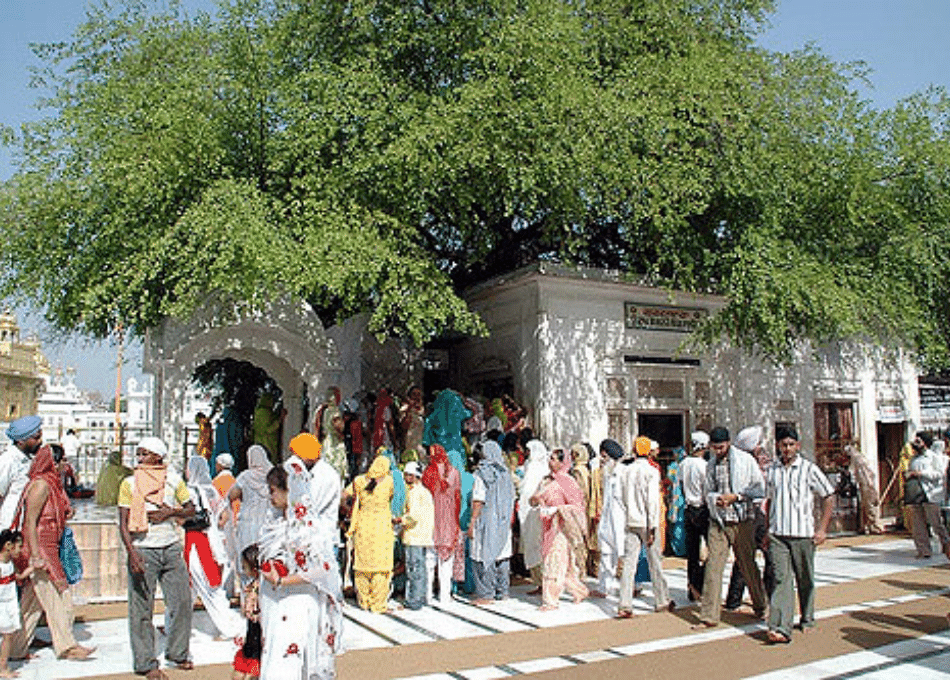
Water ripples near the base of a centuries-old jujube tree as pilgrims enter the Sarovar with quiet reverence. Dukh Bhanjani Ber, located on the temple’s eastern edge, marks the sacred spot where healing legends trace back to Bibi Rajni and her leper husband. According to Sikh tradition, a dip in this part of the holy pool is believed to relieve suffering—“dukh bhanjani” meaning “destroyer of sorrow.” Pilgrims form an orderly line to descend the shallow steps and immerse themselves beneath the shade of the historic tree, offering silent prayers or reciting scripture. This section of the Sarovar is less crowded than the main sanctum-facing ghats, allowing for a more contemplative ritual. Some collect small bottles of Sarovar water to carry home as blessings. While there are no formal attendants here, locals often help guide first-timers respectfully through the process. Bathing etiquette is important—modest attire, covered heads, and no photographs allowed. More than just tradition, this act carries symbolic cleansing and faith-driven hope. For many, the waters beneath Dukh Bhanjani Ber represent spiritual restoration rather than miracle claims—a meaningful encounter with Sikh history, healing, and humility in the heart of Amritsar.
Central Sikh Museum Visit for Context
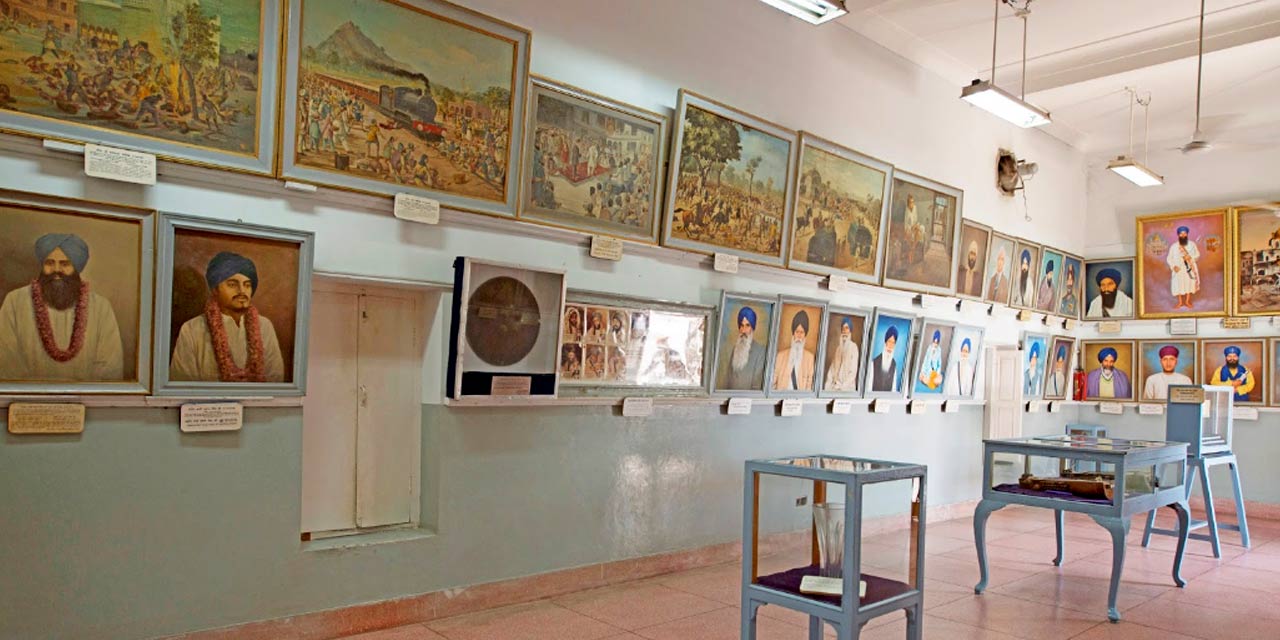
Walls lined with portraits and artifacts provide vital context for understanding the Golden Temple’s deeper significance. The Central Sikh Museum, situated just above the main entrance gate (Darshani Deori), offers a chronological journey through Sikh history—from Guru Nanak’s teachings to the struggles and sacrifices of Sikh warriors and martyrs. Paintings, rare manuscripts, weapons, and personal relics fill the modest galleries, each labeled in English and Punjabi. Visitors gain insight into the temple’s resilience, especially its reconstruction after the 1984 military operation and previous invasions. While the museum is not large, its emotional weight lingers. The display of martyr portraits, especially those who defended faith and freedom, leaves a profound impression. Entry is free, and respectful behavior is expected—quiet voices, no flash photography, and no food or drinks. Many visitors spend 30 to 45 minutes here, often before entering the sanctum, to build a deeper connection with the site. Guides are not always available, but local volunteers may offer contextual insights if asked politely. For those unfamiliar with Sikhism or curious about the spirit that powers the Golden Temple’s endurance, this museum provides powerful, visual storytelling. It’s where reverence becomes understanding and history finds a human face.
Local BRTS Bus Route from Airport

Budget-friendly and efficient, the BRTS bus service offers a straightforward connection from Sri Guru Ram Dass Jee International Airport to the Golden Temple area. Line 501, the most direct route, departs approximately every 30 minutes from the airport terminal and terminates at Hall Gate—just a 10-minute walk from the temple complex. The buses are air-conditioned, clean, and cost less than ₹50 per person, making them ideal for solo travelers or budget-conscious pilgrims. Digital signboards and bilingual announcements make navigation easy for non-local speakers. The ride itself takes around 25–35 minutes, depending on traffic, and provides views of Amritsar’s evolving cityscape. Luggage space is available near the front, though oversized baggage may be restricted during peak hours. Riding the BRTS offers a more authentic and eco-friendly arrival experience compared to private taxis. Upon reaching Hall Gate, travelers can enjoy the restored Heritage Street walk, which leads directly to the temple. For those arriving early or late, prepaid taxi counters and rideshare options still operate outside the terminal. However, for daytime arrivals, the BRTS is a safe, organized, and cost-effective way to begin your journey toward India’s most visited spiritual site.
Nighttime Closing Prakash Ardas Show
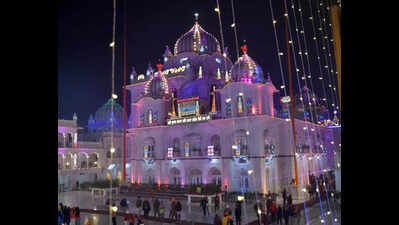
Chants echo gently through the temple as the day’s final act of devotion unfolds. The Prakash Ardas—meaning “Prayer of Illumination”—marks the closing ritual at the Harmandir Sahib and takes place just before 10 PM. This sacred ceremony involves the reverent return of the Guru Granth Sahib from the main sanctum back to the Akal Takht, where it is respectfully placed in a chamber for the night. The transition is accompanied by devotional singing, conch blasts, and soft lighting that casts a serene glow across the Sarovar. Pilgrims gather along the marble causeway, watching in stillness as the scripture is carried in the palki sahib under a richly embroidered canopy. The procession moves slowly and ceremoniously, passing flower-decorated guards and volunteers dressed in traditional attire. Visitors often find the night more contemplative than the morning ceremony—fewer tourists, calmer surroundings, and a sense of spiritual closure. After the ceremony, many linger around the pool’s edge to watch the temple reflect under night lighting. Photography is allowed but should be done discreetly without flash. For those who wish to absorb the Golden Temple’s full cycle of devotion, attending the Prakash Ardas brings the experience full circle in deeply moving silence.
Tripod-Free Phone-Backpack Support Setup

Securing a sharp shot without a tripod in a sacred zone demands a little improvisation. While full tripods are prohibited inside the Golden Temple complex, photographers and content creators often turn to stable, respectful alternatives—most notably, the “backpack wedge” technique. By resting your phone or small camera on your backpack placed on the marble floor or stone railing, you can simulate a steady frame for long exposures or low-light shots. This approach proves especially useful during early morning or evening, when lighting is limited but movement must be minimized. For enhanced results, use timer modes or remote shutter apps to avoid hand shake. Avoid blocking walkways, sanctum sightlines, or sitting areas; always check your surroundings before setting up. The temple authorities allow casual photography in open areas, but excessive gear or disruptive filming can invite intervention. Simple, low-profile techniques let you remain respectful while capturing the spiritual ambiance—reflections in the Sarovar, the palki processions, or devotional rituals. For creators aiming to document their visit without causing discomfort or drawing attention, the backpack method blends intention with humility. It respects the sanctity of the space while allowing personal memory-making to unfold quietly and with grace.