
Cliffside villages clinging to rugged mountains, winding roads with endless sea views, and lemon-scented air define one of Italy’s most unforgettable road trips. What makes this stretch of coastline so magnetic isn’t just the jaw-dropping scenery—it’s the way every curve reveals a postcard moment worth remembering. From Positano’s pastel terraces to Ravello’s hidden gardens, this drive isn’t simply a route—it’s an experience layered in culture, flavor, and drama. Whether you crave authentic coastal cuisine, awe-inspiring landscapes, or tucked-away beaches, this guide unpacks everything you need to navigate Italy’s most scenic coastal drive with confidence and purpose. Let the journey begin.
Off‑Season May/September Road Bliss

Spring and early autumn unveil a calmer Amalfi Coast, free from the summer traffic that clogs its serpentine roads. May brings blooming wildflowers on the cliffsides, while September serves up golden light with fewer crowds and pleasantly warm seas. This off-season window transforms the drive into a peaceful experience where scenic pauses don’t feel rushed or crowded. Roads from Vietri sul Mare to Positano become easier to navigate, offering more freedom to stop at lookout points and enjoy detours without stress. Hotels and restaurants remain open but more welcoming, often with better rates and more personalized service. The turquoise sea glistens in full view, unobstructed by seasonal congestion. With mild weather and clear skies, it’s the ideal time for photography, long lunches by the water, and uncrowded strolls through coastal towns. Amalfi’s duomo, Ravello’s terraces, and Positano’s pastel cascade are all more accessible. Scooter rentals and compact cars are easier to find and safer to operate during these quieter months. If you’re seeking to experience the coast’s natural charm without the usual chaos, planning your road trip for May or September makes all the difference. You get the beauty, the culture, and the thrill—without the crowd-induced pressure.
SP1 Route to Coastal Reveal

Beginning near Vietri sul Mare, the SP1 route delivers one of Italy’s most cinematic introductions to the Amalfi Coast. Unlike SS163, which is iconic but often congested, the SP1 winds through inland hills before gradually revealing the shimmering coastline in bursts of blue and limestone cliffs. The transition from forested hairpins to cliff-hugging panoramas builds anticipation as the Tyrrhenian Sea peeks through olive groves and stone fences. This lesser-known route is often favored by locals and savvy travelers who want to bypass the traffic funnel around Salerno. It’s narrower, but that’s part of the charm—every turn opens a new postcard moment. Views from this route often capture Ravello’s hilltop villas, tucked high above Amalfi’s bustle. Drivers should expect tighter curves but gain fewer delays and hidden detours into villages untouched by tourist traffic. SP1 isn’t just a shortcut—it’s a visual crescendo. You’ll pass goats grazing by the roadside and vintage Fiats climbing the ascent, giving you a glimpse of everyday life just beyond the tourist path. As the road finally descends toward the coast, you’re greeted with that jaw-dropping cliffside reveal that makes the Amalfi Coast legendary. For those seeking a more immersive introduction, SP1 never disappoints.
Compact Car Curve Mastery

Maneuvering Amalfi’s tight coastal bends becomes far less intimidating behind the wheel of a compact car. Local roads are famously narrow—with rock walls on one side and sheer drops on the other. Full-sized vehicles quickly feel like liabilities, especially when tour buses swing wide around hairpin curves. Compact cars, like Fiat 500s or Peugeot 208s, make navigation smoother and stress levels lower. They handle the tight angles with ease, park snugly in scarce roadside slots, and cost less to rent and refuel. Many travelers miss the opportunity for spontaneous stops because they’re driving oversized vehicles that can’t manage quick pullovers or village detours. With a smaller car, you can dip into lesser-known towns like Scala or pause at roadside fruit stands perched above lemon groves. You’ll also appreciate how a compact car opens up access to places like the narrow road between Atrani and Ravello—routes often skipped by larger vehicles. Insurance costs are typically lower, and Italian rental agencies stock ample models suited for these roads. In short, a compact car isn’t just a recommendation—it’s a tactical advantage. For both comfort and control, mastering the Amalfi Coast’s curves starts with driving something small, responsive, and built for the terrain.
Belvedere Cimitero Breakpoint
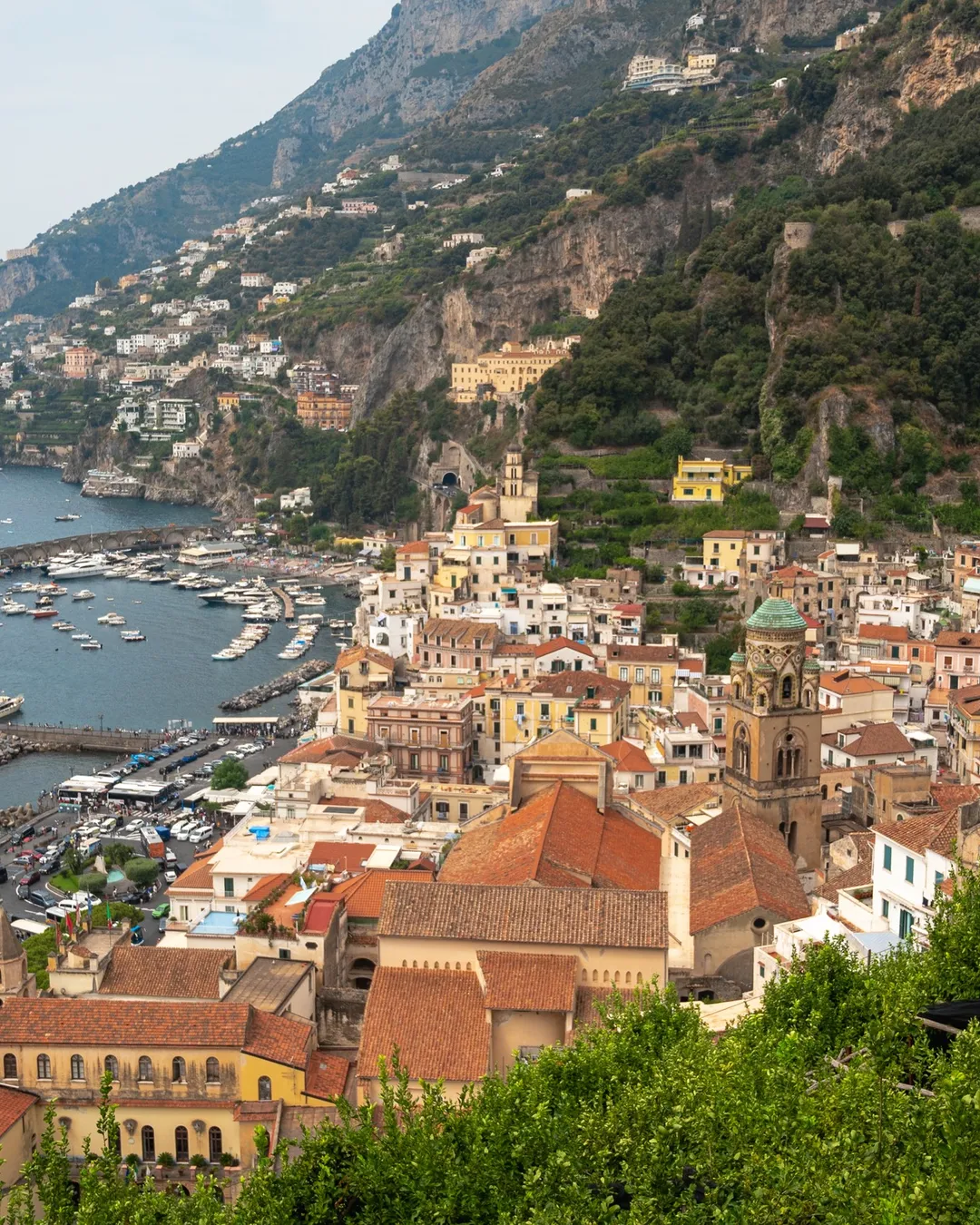
One of the coast’s most underrated scenic stops lies near the Belvedere Cimitero in Ravello, offering panoramic views without the typical foot traffic. Located just off the main road past the Ravello cemetery, this overlook captures the entire sweep of the Gulf of Salerno, with terraced vineyards sloping into the sea. Unlike the crowded terraces near Ravello’s center, this quiet breakpoint delivers uninterrupted tranquility. It’s a favorite among locals who come for morning walks or contemplative views during golden hour. From here, you can spot fishing boats dotting the horizon and watch sunlight dancing across the tiled rooftops of Minori. Parking is easier along this stretch, especially early in the day or during shoulder seasons. It’s also a great spot to unpack a light snack or sip a takeaway espresso, especially since nearby vendors often sell fresh sfogliatella or lemon granita. The viewpoint doubles as a touching reminder of local heritage—the cemetery nearby holds generations of Ravellese families, lending the location both beauty and soul. Travelers who seek genuine moments off the touristic trail will appreciate this unassuming gem. It’s not marked boldly on maps, but its view lingers long after you’ve left. Quiet, raw, and wildly photogenic—this spot deserves a pause.
Fiordo di Furore Sunset Stop
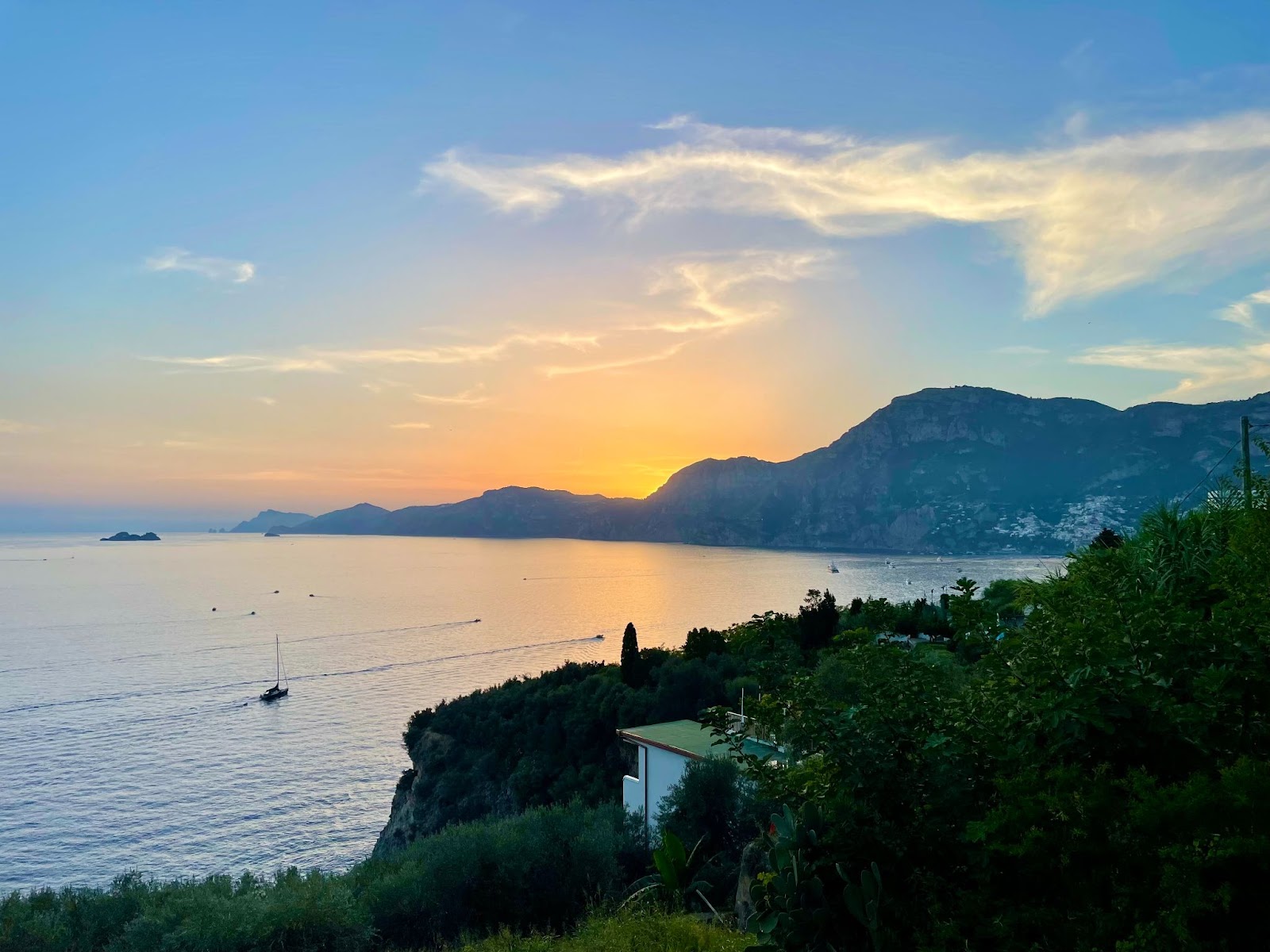
Golden hour transforms the Fiordo di Furore into a cinematic frame you won’t want to drive past. Tucked between Praiano and Conca dei Marini, this narrow fjord-like inlet is carved deep into the cliffs, spanned by a high arched bridge that frames the descending sun in dramatic fashion. Timing your drive to arrive here an hour before sunset gives you the perfect window to watch the colors shift across the water—from sapphire to burnt orange. The small pebbled beach below, though often crowded in peak summer, becomes quiet and reflective by evening. Street-side pullover spots are limited, so arriving slightly early is key. Many travelers miss this gem entirely, focused on more famous destinations—but locals know that Furore offers one of the most atmospheric sunset experiences on the entire coastline. From the bridge, the view stretches out across the Tyrrhenian Sea, with the cliffs glowing in warm tones and the water catching subtle reflections. Whether you’re capturing photos or simply soaking in the stillness, this stop provides a deep exhale in an otherwise high-energy drive. For sunset lovers and offbeat photographers alike, this natural crevice becomes an unforgettable chapter of your Amalfi road journey.
Conca dei Marini Emerald Grotto Detour

Between Amalfi and Praiano lies a lesser-hyped yet mesmerizing detour—the Emerald Grotto of Conca dei Marini. Unlike Capri’s famous Blue Grotto, this sea cave glows with deep green luminescence, thanks to an underwater crevice filtering sunlight from beneath the surface. A short detour from the main coastal road leads you to an elevator or a stairway down the cliffs, guiding you to a boat-operated entry. The water inside shimmers with an ethereal glow, reflecting off stalactites and submerged rock formations. It’s not only a visual marvel but also a quieter, more accessible experience compared to the more commercialized Capri excursions. Crowds are minimal outside midday hours, especially if you visit early in the morning. The cave’s quiet aura adds to the overall allure, providing a brief yet enchanting escape from the buzzing roadside activity. The drive down also offers picture-perfect views of fishing boats anchored in Conca’s crescent harbor. Local vendors nearby often sell fresh lemon gelato, which pairs beautifully with a few moments spent admiring the coast from the grotto’s landing. This detour rewards the curious traveler—offering both natural wonder and a taste of authentic Amalfi simplicity away from the expected stops.
Erchie Micro‑Beach Escape

Hidden just below the main road between Cetara and Maiori, Erchie feels like a secret pocket of serenity most travelers skip. With only a handful of buildings nestled between dramatic cliffs, this tiny fishing hamlet offers a micro-beach that feels worlds away from the busier sands of Positano or Amalfi. The turquoise water is strikingly clear, especially in the early morning, and the protective cove keeps waves minimal—ideal for a relaxing dip. Parking requires patience, as spaces are scarce, but the walk down into the village is part of the charm. You’ll pass locals tending gardens or hanging laundry on tiny terraces. At the base, modest seafood trattorias serve catch-of-the-day specialties—usually grilled anchovies or spaghetti alle vongole—at tables overlooking the shore. The compact bay is lined with colorful boats and guarded by a medieval watchtower that adds to the postcard scene. Sunbathers rest on smooth rocks, and swimmers drift lazily between anchored rowboats. Erchie doesn’t boast trendy bars or boutique hotels, which is exactly why it’s worth the detour. For travelers chasing authenticity over crowds, this micro-beach provides a gentle pause in an otherwise exhilarating coastal drive—quiet, raw, and remarkably photogenic from every angle.
Atrani Medieval Alley Wander
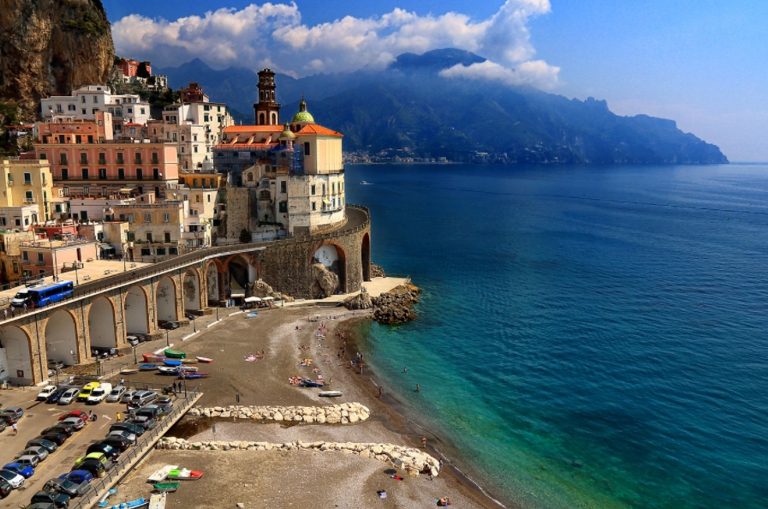
Just a stone’s throw from the bustling hub of Amalfi lies Atrani—Italy’s smallest town by area and arguably one of its most picturesque. Many drive right past it, unaware that a quick turn off the SS163 leads into a network of winding medieval alleys untouched by time. The real joy here isn’t in grand attractions, but in the simple act of wandering. Narrow stone staircases lead between stacked pastel homes, while hidden courtyards bloom with potted citrus and ivy. It’s a pedestrian maze where each turn reveals an arched doorway, a sun-drenched piazza, or a trickling fountain framed in marble. Locals greet each other by name, and it’s not unusual to hear children playing soccer in alleys too narrow for cars. The main square, Piazza Umberto I, serves strong espresso and light pastries beneath vaulted arches, with the sea visible just beyond. For photographers, this town offers authentic Italian charm minus the tourist bustle. The nearby beach is often quieter than Amalfi’s and easily reached through an archway that passes under the coastal road. Atrani makes you slow down—and in doing so, it lets you absorb the Amalfi Coast’s soul at street level, where the beauty lives in the everyday details.
Minori Over Positano Crowd‑Skip

Travelers often head straight to Positano expecting glamour and charm, only to find elbow-to-elbow crowds during high season. Minori, just a short drive east, offers a quieter alternative with a more grounded atmosphere. Its compact promenade hugs a flat, sandy beach, making it ideal for relaxed strolls and spontaneous seaside dining. The town is famous for its pastry scene, especially Sal De Riso’s renowned pasticceria, where lemon delights and ricotta-filled sfogliatelle are served fresh all day. Unlike the stair-heavy layout of Positano, Minori’s walkable streets are easy on the legs and stroller-friendly—perfect for families or anyone avoiding steep climbs. You’ll still find colorful buildings, seaside churches, and bougainvillea-covered balconies, but without the commercial overdrive. Even parking, often a nightmare along this coast, tends to be simpler here. If you’re interested in Roman history, the Villa Marittima Romana offers mosaics and ancient bathing chambers right in town. Choosing Minori as a base or day-stop lets you enjoy Amalfi’s coastal beauty with breathing room. It’s not about missing Positano—it’s about discovering a location that delivers the same visual reward with fewer tourists and more opportunities to connect with local life, one pastry or shoreline walk at a time.
Cantina de’ Pucci Cliffside Sip

Tucked along the winding road between Amalfi and Ravello lies a near-mythic pit stop—Cantina de’ Pucci. This unassuming cliffside wine bar offers front-row views of the sea, paired with bold local vintages and simple antipasti. Built into the rock face, the terrace clings dramatically to the edge, providing the kind of dining experience that feels more like a secret passed between travelers than a destination. Seating is limited, and that’s part of its charm. Handmade ceramic plates deliver local cheeses, olives, and warm focaccia, while glasses of Falanghina or Aglianico reflect the golden sky. It’s not a place you’ll find advertised in guidebooks—it’s one you stumble on when following your instincts or a local’s whisper. Arriving around late afternoon ensures prime seating for golden-hour indulgence, just as the light begins to stretch over the cliffs. The cantina doesn’t rush; time slows here. You sip, you stare, you breathe. The hum of scooters and coastal breeze becomes the soundtrack. For those craving a break from the crowds without sacrificing beauty, Cantina de’ Pucci is a soulful interlude. It’s the kind of place you’ll wish you’d known about earlier—and the one you’ll tell future travelers to seek without hesitation.
Winter Blue‑Turquoise Sea Hack

Colder months reveal a different Amalfi Coast—crisp, silent, and astonishingly colorful. Contrary to expectations, the sea glows with deeper blue-turquoise tones during winter, thanks to lower algae content and clearer skies. The usual haze lifts, and what’s left is a dramatic contrast of white-capped cliffs, emerald vegetation, and glassy waters that shimmer like liquid gemstone. Fewer cars on the SS163 mean leisurely drives, open viewpoints, and no stress over parking. Though many tourist spots close in January and February, villages like Vietri sul Mare, Minori, and Praiano remain quietly active with local life. This is the season for unfiltered photography—no sunbathers, no parked scooters—just you and the raw coastline in its most poetic state. Even better, rental car rates drop significantly, and accommodations become both more available and affordable. Some trattorias stay open year-round, especially in Amalfi town, offering hearty winter dishes like seafood risotto and lemon-scented pastas without long waits. For road trippers and photographers, winter is the coast’s most underrated chapter—calm, clean, and visually arresting. If you thought Amalfi was only a summer destination, the vibrant winter blues will quickly change your mind. The colors, the quiet, and the clarity make it a rare kind of beautiful.
Sorrento Limoncello Orchard Frame

The outskirts of Sorrento are known for more than dramatic cliffs and sea views—they’re home to the lemon groves that fuel the region’s signature drink: limoncello. Along the Via Nastro Verde, just above the city center, roadside turnouts and walking paths lead to terraced lemon orchards overlooking the Bay of Naples. These groves aren’t just agricultural—they’re architectural, framed by pergolas built from local chestnut and netted against harsh weather, giving them a uniquely cinematic look. From the road, you’ll catch glimpses of the orchard rows cascading down the slopes, backdropped by the glistening sea. Many of these orchards are family-owned, and during off-peak seasons, some offer spontaneous tastings or small-batch bottle sales directly from the source. The scent here is unmistakable: a sweet citrus breeze mingled with sea salt and sun-warmed earth. Stop near Sant’Agnello for panoramic views that include Mount Vesuvius on clear days. Whether or not you like limoncello, the landscape it comes from is worth a pause. The vibrant yellow fruit, the rustic wood trellises, and the Mediterranean light combine to create a road trip memory rich in both flavor and scenery. It’s a sensory moment that captures the heart of Sorrento without ever leaving the car.
Praiano Rooftop Bar Sundown

Between the better-known towns of Positano and Amalfi lies Praiano, a quieter gem that hides one of the coast’s most breathtaking sunset secrets: the rooftop bars that crown its cliffside homes. Unlike Positano, where views often come with crowds and inflated prices, Praiano’s rooftops offer unobstructed vistas and a more personal atmosphere. Ascend the narrow alleyways toward Via Umberto I or the tiny hilltop church of San Gennaro, and you’ll find intimate spots like Café Mirante or local-run terrazze where aperitivo culture still feels organic. As the sun dips behind Capri’s silhouette, the sky ignites with hues of violet, coral, and flame. Campari spritz in hand, you’ll watch fishing boats drift back to port while church bells echo through the valley. These bars blend seamlessly into the homes below—no neon signs, no reservation apps—just a few chairs, some jazz or Italian classics on low volume, and a host who knows your drink before you ask. Praiano doesn’t need to announce its views; it lets them speak. For anyone seeking a golden-hour experience without elbowing for a table, this is where the Amalfi Coast slows down and exudes its most authentic charm—one quiet rooftop, one perfect sundown at a time.
Maiori–Minori Citrus‑Trail Hike

Between the coastal towns of Maiori and Minori lies a hidden hiking path through terraced lemon groves that has long served as a lifeline for locals—and now as a serene escape for travelers. This trail, often called the “Sentiero dei Limoni,” winds gently along ancient stone steps, connecting the two towns with scenic views and fragrant breezes. Along the way, lemon trees stretch across the hillsides in orderly rows, protected by traditional pergolas and netted awnings. Hikers pass by crumbling farmhouses, tiny chapels, and occasional stands selling fresh lemon granita or citrus soaps made just meters from where the fruit is harvested.
What sets this trail apart is its peaceful rhythm. Unlike the steep stairways of Positano or the crowded Path of the Gods, the Citrus Trail offers a lighter climb and a more intimate look at local life. It’s particularly magical in spring when the blossoms fill the air with a soft, floral scent. The trail can be completed in under an hour, but with so many places to pause and admire the view, it’s worth stretching into a leisurely afternoon. For travelers looking to balance coastal indulgence with movement and nature, this citrus-scented connection between two villages is refreshingly unforgettable.
One‑Eye Mirror Curve Trick

Driving the Amalfi Coast comes with its fair share of sharp turns and blind bends, but there’s a roadside trick that locals use to manage the hair-raising curves—relying on the convex roadside mirrors often installed on cliff corners. Nicknamed the “one-eye mirror” by experienced drivers, these convex reflectors act as the extra set of eyes you didn’t know you needed. The trick is to slow just before the curve, glance into the mirror’s wide angle, and watch for glints of movement: bus windows, scooter lights, or even the flash of a red taillight give you the signal to wait or go.
This isn’t just a practical hack—it becomes a subtle ritual as you learn the rhythm of the drive. On stretches between Praiano and Positano, or heading into Ravello’s switchbacks, using the mirrors correctly helps avoid unexpected close encounters with delivery vans or tour buses hugging the inside lane. For those unfamiliar with the terrain, it feels like a small victory every time you round a blind corner safely. While confidence grows with each bend, these convex mirrors remain the coast’s unsung heroes—ensuring safety and offering a split-second preview of what’s beyond the stone wall. Master this, and the road becomes yours.