
Endless red dunes, sandstone arches, and silent canyons stretch across a landscape so surreal it doubled as Mars in Hollywood films. Wadi Rum isn’t just another desert—it’s a living canvas of geological drama and Bedouin heritage. Those drawn to raw, cinematic beauty will find this southern Jordanian expanse both humbling and exhilarating. Whether you’re riding a 4×4 over shifting sands or camping beneath a sky crowded with stars, every moment in this protected reserve feels otherworldly. This guide breaks down how to experience Wadi Rum’s magic responsibly, from local tours to hidden trails worth venturing beyond the beaten path.
Sunrise Scramble to Jebel Khazali’s Hidden Crevice View

Cool desert air clings to your skin as the first glow outlines the towering spine of Jebel Khazali. Reaching the secluded crevice viewpoint requires a short but intense pre-dawn scramble over smooth rock shelves and narrow ledges. With each careful step, a new layer of ochre-hued cliffs reveals itself until the final perch offers a rare angle of the valley floor lit by orange-pink light. This hidden viewpoint isn’t on most tourist paths, giving you unbroken solitude during golden hour. Local Bedouin guides often mention this spot as one of the most sacred and overlooked areas in Wadi Rum, tied to both ancient spiritual practices and recent climber tales. As the sun lifts, silhouettes of camels and rock bridges slowly sharpen far below. Silence wraps the moment, broken only by soft wind threading through the sandstone. The view captures Wadi Rum’s scale from an unexpected vertical vantage. Carrying water, grip-ready shoes, and a flashlight for the early start is essential. Early risers who make the effort are rewarded with one of the desert’s most cinematic and soul-stirring moments—without the crowds that fill other sunrise spots. It’s a high-alpine memory in a Mars-like land that very few get to witness firsthand.
Silent Zone Stargazing Near Umm Ad Dami Base

Nightfall in Wadi Rum can be vast and deafeningly quiet—especially near the Umm Ad Dami base where light pollution is nonexistent. This flat expanse, framed by distant silhouettes of Jordan’s tallest peak, is a favored spot among astronomy photographers and silence seekers alike. Once you leave behind the low dunes and engine hum of nearby camps, the stillness deepens into something almost otherworldly. Stargazers arriving here after sunset often lay flat on sleeping mats or rock slabs, letting their eyes fully adjust to the ink-black sky. The Milky Way rises sharp and luminous, mirrored by faint flickers of campfires from far-off nomadic tents. Without guided tours, you’ll need to bring your own red-filtered light, warm layers, and patience. Shooting stars are common, and constellations feel closer than anywhere else in the region. Bedouin guides occasionally tell celestial myths tied to specific rock shapes nearby, adding cultural texture to the cosmic show above. You won’t find wifi, crowds, or infrastructure here—just infinite sky and the deep hum of the universe. For those who crave more than pretty stars, this silence zone near Umm Ad Dami delivers meditative clarity and a sensory reset only Wadi Rum’s southern edge can offer.
Jeep Track to Blood-Red Sand Basin at Midday

Heat shimmers off the bonnet as the jeep rumbles down a lesser-known track leading to one of Wadi Rum’s most dramatic midday reveals—a basin where the sand blazes a rich, iron-red under the noonday sun. Unlike the soft golden dunes found elsewhere, this hollow feels like a furnace carved from color. Most visitors pass it by en route to higher landmarks, but those who detour here get rewarded with an uninterrupted, Martian spectacle. The walls of the basin close in just enough to intensify the heat and hues, making even basic phone photos appear hyper-saturated. Geological guides often point out hematite-rich minerals that cause the vivid pigment, adding depth to its surreal appearance. Light bounces sharply off the surrounding rock faces, creating exaggerated shadows perfect for dramatic silhouette shots. Don’t expect facilities—this is raw desert. Visitors should carry sun protection, extra water, and be mindful of tire pressure before venturing here. The road in is navigable but rough in parts, best taken with a local driver who knows how to handle the terrain. For those chasing the Martian essence of Wadi Rum, this basin isn’t just scenic—it’s a midday crucible of color and solitude worth every jolt of the journey.
Campfire Tea Ceremony with Bedouin Storyteller

Flickering firelight dances across sandstone walls as the scent of burning acacia fills the cool evening air. A traditional Bedouin tea ceremony near a desert camp transforms Wadi Rum’s silent night into a gathering of warmth, memory, and living heritage. Guests sit cross-legged around embers, watching the host prepare small glass cups of sage and sugar-laced tea in a blackened kettle. The process isn’t rushed—it’s deliberate and rhythmic, echoing generations of desert life. Between pours, storytelling begins. Tales of ancient caravans, tribal rivalries, and star-guided migrations unfold in melodic Arabic, often translated loosely into English by younger family members. These stories aren’t museum relics—they’re deeply personal and tied to the very sands beneath your feet. The tea itself, both sweet and sharp, symbolizes welcome and respect. Participating in the ceremony goes beyond mere cultural performance—it connects travelers to a slower rhythm and intimate perspective of Wadi Rum’s people. Many Bedouin families still pass these stories orally, keeping their identity alive through shared fireside moments. As the stars settle in and wind cools the air, the tea, the stories, and the quiet begin to blend. What lingers is not just flavor but feeling—a human memory grounded in place.
Mars‑like Photo Stop Beneath Mushroom Rock at Dusk

Red-gold shadows stretch long across the desert floor as the light softens around Mushroom Rock, a natural wonder that feels pulled from another planet. Perched alone on its pedestal of erosion, this bizarre formation is more than a geological quirk—it’s a photographer’s magnet, especially at dusk when the color saturation reaches its peak. The layered rock cap balances improbably above a thinner stem, mimicking something from science fiction landscapes. Visitors often crouch for silhouette shots beneath the “cap” or frame it against the fading light with creative angles. Drone shots taken from a low tilt upward exaggerate the alien feel of the surroundings, especially when the last sunbeam glints off the ridged base. It’s a quiet stop, ideal for those who prefer contemplative moments over crowded lookouts. There’s no fencing or signage—only worn tracks and occasional stacked stones marking the way. This site is also favored by locals for sunset tea breaks, offering short-term refuge before night’s chill returns. Reaching it is possible with most jeep tours, but it’s best experienced with time to pause and play with light. As the sun dips, Mushroom Rock transforms into a glowing monument—strange, silent, and utterly unforgettable against the crimson desert canvas.
Desert Yoga Session at Natural Rock Bowl Amphitheater

Curved sandstone walls cradle the space in silence as morning light filters in. This naturally formed rock bowl, hidden just beyond a minor dune ridge, doubles as one of Wadi Rum’s most serene and acoustically rich spots for guided yoga. The amphitheater’s semi-enclosed structure blocks out wind and noise, creating a meditative bubble in the middle of the wild. Local wellness guides often lead early morning sessions here, with mats laid atop smoothed stone under open sky. Echoes of breath, wind, and occasional birdsong deepen the sense of grounding. The flat base provides enough stability for stretches, while the rising rock rim adds a theatrical backdrop that enhances the visual calm. Practicing sun salutations as rays spill over the ledge above feels symbolic—inviting presence in a landscape that constantly shifts with light and shadow. Unlike popular wellness retreats, this experience strips back all artifice. No sound systems, no props—just breath, earth, and sky. Post-session mint tea is typically offered nearby, served from a low-heat burner nestled in the sand. For visitors craving reflection or physical grounding amid dramatic terrain, this rock amphitheater is less an “activity” and more an experience—one that lingers in posture, presence, and memory long after leaving Wadi Rum.
Rope-Climb Slot Canyon to Tiny Arch Photo Window

Smooth sandstone walls rise tightly on either side as you edge deeper into a narrow slot canyon tucked within Wadi Rum’s maze-like interior. This hidden passage isn’t marked on standard maps and requires both agility and a guide familiar with seasonal rope placements. About halfway through, a short rope-assisted climb leads to a natural photo window—a petite stone arch barely wide enough for a person to peek through. From the other side, the frame reveals a vast stretch of the desert floor, casting a cinematic view through the smallest of apertures. Photographers often use this arch as a foreground frame, creating a striking contrast between intimate stone textures and expansive wilderness beyond. The climb is manageable with decent footwear and moderate fitness, but the tight squeeze and vertical angle may not suit those with claustrophobia. In dry seasons, wind etches new lines across the canyon walls, adding to the detail and depth captured on camera. Few tourists make it this far, making it a prize location for travelers seeking off-grid exploration. As light filters through from above, every step inside this slot becomes part of the reward—a sensory journey capped with a secret glimpse of Wadi Rum through nature’s own lens.
DIY Sunset Rock Cairn Overlooking Valley of the Moon

Loose stones scatter across a rocky outcrop overlooking one of Wadi Rum’s most expansive desert plains—known locally as the Valley of the Moon. Here, travelers often pause at day’s end to stack modest cairns, each marking a moment of stillness before the sun dips below the horizon. This ritual isn’t official or promoted—it’s an organic expression of presence, echoing ancient trail markers once used by desert nomads. The high ground offers panoramic views of wind-scoured terrain that blushes red and orange as light wanes. Building your own cairn—carefully, respectfully, and without disturbing the terrain—becomes part meditative act, part minimalist art. Each stone placed balances the previous, mirroring the stillness of the landscape and the quiet between heartbeats. No tools required, just intention and patience. Many visitors return to this spot on subsequent visits, searching for their original stack or adding to collective formations. While it’s important not to overbuild or mislead future hikers, small personal cairns blend naturally with the terrain. The moment becomes less about architecture and more about anchoring memory in a place that feels endless. As the last warmth of daylight fades, your cairn remains—a silent mark that you were here, if only for an evening.
Cold Brew Sunrise Picnic at Burrah Canyon Ridge

First light spills across jagged rock spires as you settle into a cool ledge overlooking Burrah Canyon’s grand chasm. This high ridge, accessible via a 20-minute off-road ride followed by a short scramble, becomes a premium seat for those seeking a private sunrise meal. Instead of the usual instant coffee routine, many seasoned travelers pack cold brew in insulated flasks—pre-chilled the night before and perfect for the warming air that arrives post-dawn. The contrast of crisp caffeine and radiant views heightens the sensory rush. Burrah’s scale reveals itself slowly with each sunbeam—textured walls glowing amber, long shadows retreating into crevices. With no official picnic benches or shade structures, you’ll need a lightweight mat, a sealed container of snacks, and perhaps a hand towel to block morning glare. The wind at this elevation stays gentle, carrying only the sound of distant jeep tracks echoing below. Few tourists climb this early or venture this high, offering rare solitude. If you’re aiming for morning journaling, photography, or silent contemplation, this perch delivers all three. Just be sure to pack out every crumb—Wadi Rum’s wildness stays pristine only when its guests do the same. The memory, however, you’ll carry long after the last sip.
Sandboard Dune Descent Near Al-Hasany Cliffs
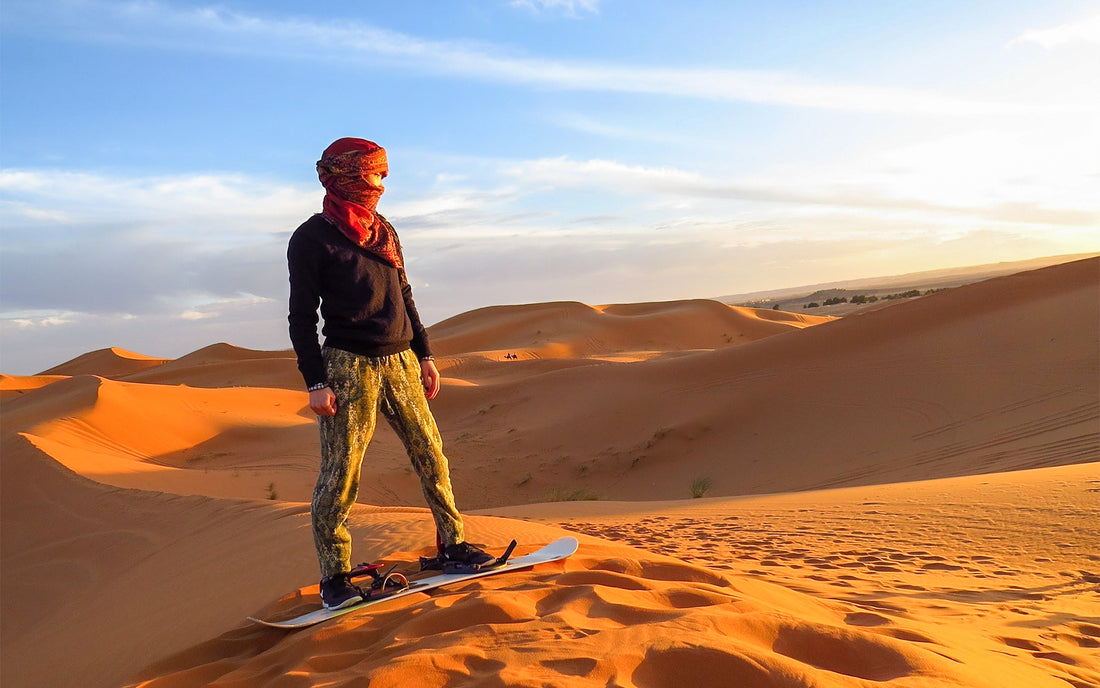
Fine crimson grains shift under your board as you tip forward and begin your descent down one of Wadi Rum’s most exhilarating dunes near the Al-Hasany cliffs. Unlike the smoother dunes farther north, this slope curves gently but carries enough incline for a thrilling ride—especially with early morning or late afternoon sand conditions. Riders often bring compact sandboards with straps, or rent on-site through local guides. The key is waxed bottoms and a firm stance. As you glide down, views of the sandstone escarpment to your right create a striking backdrop, turning the adrenaline rush into a cinematic moment. For beginners, soft landings make this a forgiving intro to sand sports. More advanced riders will find longer paths along the edges, ideal for carving wide turns. Repeated hikes back up the slope become part of the fun, offering fitness along with photos. Don’t forget a scarf or bandana—grit flies. Whether you ride standing, seated, or belly-down, the experience delivers playful contrast to the otherwise still, sculptural desert. It’s one of the few moments in Wadi Rum where stillness gives way to speed. Once you slide your final run, the footprints left behind form temporary art—until the next wind resets the canvas.
Glamping Tent Stargazer Dome with Sheer Roof
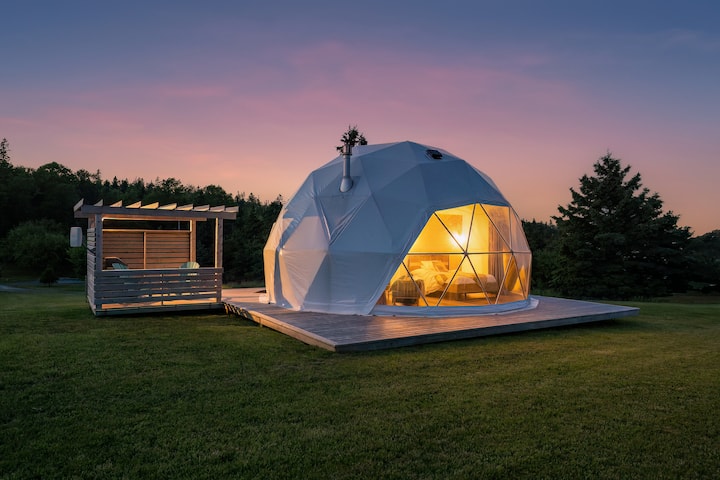
A soft desert breeze flows through mesh windows as you recline beneath a sheer-roofed dome in one of Wadi Rum’s premium glamping camps. These tented domes, part of the rising trend in eco-luxury stays, blend comfort with uninterrupted stargazing—no need to leave your bed. The transparent canopy arches above like a private observatory, offering 180-degree views of the night sky while keeping wind and insects at bay. During the day, curtains and shade cloths manage the heat, but by night, the dome transforms into a front-row seat to the cosmos. Some domes include AC units, en-suite bathrooms, or cozy rugs sourced from local artisans. Solar lanterns outside illuminate pathways without spoiling the stars above. Guests often set up time-lapse cameras beside their bed or leave the ceiling uncovered to fall asleep beneath the constellations. While traditional Bedouin camps have their own charm, these domes appeal to travelers seeking a celestial experience without sacrificing comfort. It’s the intersection of space and serenity—literally. Booking well in advance is advised, especially during meteor showers or full moon weekends. For couples, solo travelers, or small families, the dome offers more than just a night’s sleep—it provides a skyward memory made from stillness, silence, and stardust.
Nabatean Inscription Wall Along the Quiet Siq Trail
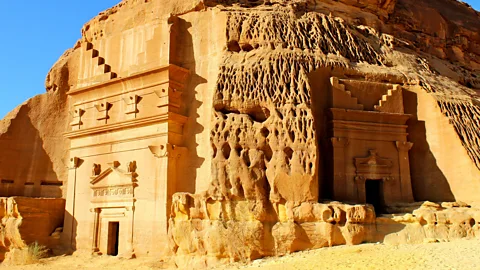
Shallow carvings emerge from the rock face as sunlight shifts across a narrow passage far from Wadi Rum’s busier jeep routes. Along a lesser-traveled siq, a Nabatean inscription wall preserves ancient text etched with steady hands nearly two millennia ago. Unlike Petra’s grand facades, this wall speaks in subtler tones—symbols and messages left by desert traders, spiritual pilgrims, and early nomads who once relied on this canyon route. Linguists have traced names, deities, and directional markers in the script, many predating Islam’s arrival. Today, the carvings sit exposed but largely untouched, protected more by isolation than by signage or intervention. Few visitors make it here without a knowledgeable guide, as the trail blends into the stone and requires careful observation. The silence amplifies the experience—just you, the wind, and the faint remnants of human presence from centuries past. Photographers should come early or late to avoid harsh shadows, while history enthusiasts will want time to decipher each line and its alignment with other nearby rock art. This isn’t a grand monument—but it holds quiet gravity. The wall reminds modern travelers that long before tour jeeps roamed Wadi Rum, messages were already being sent across these cliffs—in stone, not pixels.