
Dense rainforest trails, echoing howler monkey calls, and colossal temples towering above the jungle canopy—this is where ancient Maya history meets untamed wilderness. Tikal isn’t just another archaeological site; it’s an immersive experience for adventurers, history lovers, and culture seekers alike. With its UNESCO World Heritage status and cinematic landscapes, this Guatemalan gem offers more than ruins—it offers raw connection to a lost civilization. Whether you’re planning your first Central American journey or curating a once-in-a-lifetime itinerary, understanding what to expect at Tikal is essential. This guide delivers everything you need to explore with confidence, clarity, and unforgettable impact.
Pre‑Dawn Sunrise Temple IV Trek

Torchlight flickers on ancient stone as early risers ascend the jungle path toward Temple IV—the tallest pyramid in Tikal. At over 210 feet, its summit provides the most dramatic sunrise view in Guatemala’s Petén region. Morning mist clings to the treetops, and as light breaks, the silhouettes of Temples I, II, and III pierce the jungle canopy. This pre-dawn experience is more than a photo op—it’s a rare moment of spiritual quietude, accompanied by the awakening cries of howler monkeys echoing from below. Arriving before the crowds ensures unspoiled views and a tranquil perch to witness the sky shift from deep purple to brilliant gold. Most local guides recommend starting the hike by 4:30 a.m., especially for travelers staying within the park or at the nearby Jaguar Inn. Make sure to carry a flashlight, wear hiking shoes, and bring a lightweight layer—it’s surprisingly chilly before the sun rises. This unforgettable jungle trek rewards those who venture early, offering not only panoramic vistas but also a personal connection to Tikal’s sacred history. Whether you’re a photographer or simply chasing a moment of peace, Temple IV at dawn stands unmatched among Central America’s archaeological wonders.
Private Guide for Wildlife & Ruins Insight

Tikal’s jungle isn’t just a relic of ancient civilization—it’s a thriving biosphere teeming with wildlife. Hiring a certified private guide unlocks a dimension most tourists miss. Trained locals know where to spot keel-billed toucans, spider monkeys, and even elusive coatis as you weave through towering ceibas and strangler figs. But their insight extends beyond biology—expect rich commentary on Mayan cosmology, hieroglyphic symbolism, and unexcavated ruins hidden in plain sight. Unlike standard group tours, private guides adapt the pace to your curiosity, whether you’re keen on birdwatching, macro photography, or temple engineering. Many guides are fluent in English and bring decades of oral history passed down through generations. Tours can start from the main entrance or even your eco-lodge in Flores, with flexible durations from two-hour strolls to full-day deep dives. Local guides often carry scopes and field guides, enhancing your jungle immersion. This curated approach transforms the park into a living museum, where every rustle in the leaves or carved stone panel becomes a teachable moment. For travelers seeking context, storytelling, and meaningful interaction with both nature and history, a private guide elevates your Tikal journey from memorable to truly transformative.
Hidden Temple Morning Escape (Ta Neai)

Silence greets those who wander toward Ta Neai in the early hours—a less-visited satellite temple often bypassed by the main tour groups. Nestled within dense underbrush off the eastern loop trail, this site offers a raw and secluded encounter with Tikal’s ancient world. Vines partially obscure its facade, lending a sense of discovery akin to the original 19th-century explorers. Birdsong replaces chatter, and the stonework’s weathered glyphs hold stories lost to time. Morning is the ideal window to visit; the light gently filters through the foliage, casting angular shadows that animate the moss-covered steps. With no vendors, signage, or crowds in sight, it feels like you’ve stumbled upon something sacred and untouched. The approach trail, though faint, is navigable with sturdy shoes and a GPS app or guide familiar with lesser-known ruins. This hidden gem is perfect for travelers craving solitude or photographers eager for soft, undisturbed light. It’s not about grandeur—it’s about intimacy. Ta Neai reminds visitors that Tikal isn’t just monumental plazas and soaring pyramids; it’s a jungle-laced labyrinth of memory, decay, and quiet reverence. Early explorers may be long gone, but this remote temple still rewards modern-day adventurers who follow their instincts beyond the beaten path.
Temple Ruins + Local Village Combo

Few experiences balance history and culture as beautifully as pairing a Tikal ruins visit with a stop in a nearby village like Uaxactún or San José. After absorbing the grandeur of temples and stelae, venture northward by tuk-tuk or prearranged jeep into a community where modern Maya life unfolds daily. These villages offer authentic hospitality—expect home-cooked meals, artisan markets, and hands-on glimpses of traditional weaving or cacao preparation. Unlike commercial tourist traps, these communities exist alongside the jungle’s rhythm, blending contemporary resilience with ancient roots. Guides often arrange these half-day add-ons, and many locals welcome visitors into their homes to share oral histories passed down for generations. The ruins themselves continue past Tikal’s core—Uaxactún, for instance, boasts ceremonial complexes older than Tikal, tied to early astronomical observatories. Walking between the ruins and the village links past and present, showing how ancient knowledge still informs daily life. This combo gives depth to your journey, shifting perspective from archaeology to anthropology. For travelers seeking more than just photos of stone, these cross-cultural encounters reveal Guatemala’s enduring spirit—rooted not only in what was built, but in how people still live and adapt amid the jungle’s vast, mythic pulse.
Climb Temple II for Jungle Canopy View

Wooden steps wind steeply up the rear of Temple II, guiding visitors to one of Tikal’s most breathtaking yet accessible vistas. Unlike the more rigorous ascent of Temple IV, this climb is shorter but equally rewarding. From the top, panoramic views stretch over the Grand Plaza and beyond, revealing the layered jungle canopy where parrots and howler monkeys thrive. Early morning light casts golden tones across Temple I directly opposite, making it a favorite spot for photographers seeking symmetry and scale. Though originally built to honor the wife of Jasaw Chan Kʼawiil I, the temple now serves as a window into the relationship between human achievement and nature’s resilience. The climb itself is safe with sturdy railings, though caution is advised in wet weather. Guides often pause here to interpret the alignment of temples with Mayan cosmology—explaining how each structure reflects celestial events. Whether you pause for sunrise solitude or mid-day exploration, the view from Temple II offers an unmatched perspective on both the grandeur of the architecture and the richness of the biosphere it’s nestled within. This perch is a reminder that Tikal’s magic lies not only in what you see but in how the jungle reveals it—layer by layer.
Guided Rock‑Flour Photo Prep Tip

Photographers eager to capture the ancient tones of Tikal’s temples often overlook the role of “rock flour”—the fine limestone dust coating many surfaces throughout the site. This naturally occurring substance, formed over centuries of erosion, subtly reflects morning and evening light, giving temples a soft, ethereal glow. Local guides familiar with the park’s lighting dynamics often suggest the best hours and angles to make use of this visual detail. Early morning or late afternoon is ideal; during these hours, the low sun hits the limestone at oblique angles, producing a golden sheen that elevates textures. Those shooting with DSLR cameras should consider a polarizing filter to reduce glare and highlight the subtle grain of the stone. For mobile photographers, tap-to-focus and manual exposure control help manage contrast. A guide can also point out carvings or glyphs partially dusted with rock flour that are often missed by the untrained eye. Understanding how this mineral presence interacts with light transforms simple snapshots into frame-worthy compositions. Whether you’re aiming for moody shadows or illuminated reliefs, leveraging this natural element is a game-changer for your visual storytelling. It’s one of those secrets locals know—small, technical, yet vital to doing justice to Tikal’s timeless textures.
Midday Shade at Grand Plaza Café
When the Guatemalan sun reaches its peak and the jungle’s humidity intensifies, retreating to the shaded sanctuary near the Grand Plaza Café becomes essential. Located just a short walk from Tikal’s main ceremonial core, this casual open-air café offers a welcome break amid exploration. Seating is surrounded by native trees that provide consistent shade, while nearby fans circulate air to keep visitors comfortable. Fresh coconut water, cold local beers, and traditional dishes like pupusas or chicken pepián are available—fueling both hydration and cultural immersion. It’s not uncommon to spot coatimundis rummaging nearby or toucans overhead while you dine. Many travelers use this mid-day pause to review photos, consult maps, or simply reflect on the morning’s discoveries. The café also serves as an informal meeting spot where guides share tips or updates on trail conditions. Whether you’re recharging before heading toward Temple V or wrapping up a half-day visit, this shaded nook offers more than just sustenance. It provides a moment to slow down, soak in the jungle ambiance, and prepare mentally for the next phase of your archaeological adventure. Within the intensity of Tikal’s environment, knowing where and how to pause makes all the difference.
Early‑Bird Temple II Solo Capture

Reaching Temple II at first light rewards photographers and solitude seekers alike with a scene few ever witness—Tikal’s iconic Grand Plaza in hushed stillness. Before the crowds arrive, the soft golden rays illuminate the mossy stone and the towering façade of Temple I across the way, casting dramatic shadows and clear contours perfect for wide-angle captures. This rare moment of quiet transforms the space into something reverent. Wildlife is more active at this hour too; howler monkeys call from the canopy, and toucans dart overhead. Visitors who enter the park as it opens—typically around 6 a.m.—can reach Temple II in under 15 minutes via the central trail. For those staying at one of the lodges inside the park, this early access is a major advantage. Minimal foot traffic means no photo-bombers or noise, allowing for pristine landscape shots or introspective moments. The lack of harsh midday glare also ensures accurate color balance and depth. If you’re hoping to document the ruins without distractions or simply crave a quiet vantage point, this sunrise visit becomes one of the most cherished experiences of the trip. In those quiet morning minutes, Tikal reveals its more intimate side—untouched, ancient, and timeless.
Jungle Hammock Rest by Temple VII

Tucked just beyond the footpaths of Temple VII lies a quiet, shaded spot ideal for a midday jungle hammock rest. This lesser-visited temple, situated near the Lost World Complex, often sees minimal foot traffic, making it a tranquil escape from Tikal’s more bustling zones. Visitors who bring compact travel hammocks can find sturdy branches or palm-lined clearings perfect for a restorative pause. Birds call overhead while soft breezes rustle the leaves, creating a soundscape far removed from modern life. Many experienced travelers pack a lightweight hammock specifically for this reason—it offers both comfort and immersion in nature. From this peaceful perch, the towering temples peeking through the canopy remind you that even relaxation is steeped in ancient wonder. Guides often suggest pairing a break here with light snacks and hydration, especially during the humid midday hours. Just be sure to use tree straps that leave no mark, respecting the fragile ecosystem. Whether you’ve been trekking since sunrise or plan to explore more ruins later, resting near Temple VII is both strategic and soul-soothing. It’s a moment to recharge and recalibrate while the jungle moves slowly around you—proof that even stillness can become part of the adventure in Tikal.
Night‑Chant Sound Tour at Dawn

Before sunlight filters through the treetops, the jungle awakens in a chorus that feels otherworldly. Tikal’s night-chant sound tours begin in the predawn darkness, guiding guests along forest trails as the nocturnal hush gives way to an ancient soundtrack of howler monkeys, cicadas, and distant bird calls. This experience isn’t about visuals—it’s about listening. With torches dimmed and footsteps slowed, guides invite visitors to stand still and absorb the rhythms that once accompanied Maya rituals centuries ago. Along the way, you may hear haunting echoes from the Great Plaza, amplified by stone structures designed to carry sound. Some tours include flute or conch shell demonstrations, recreating ceremonial acoustics believed to align with Mayan cosmology. The timing is deliberate: arriving at Temple IV just as the first light breaks creates a full sensory immersion. These soundscape tours often appeal to travelers interested in meditation, sound healing, or deep cultural immersion. Audio recordists and nature documentarians frequently cite Tikal as one of the best dawn soundscapes in Central America. This isn’t just a jungle awakening—it’s a spiritual overture echoing through time. For those craving a primal, introspective encounter, the night-chant tour delivers a powerful connection to both nature and ancient voice.
Temple‑Top Picnic with Sunrise Mug

Few experiences rival sipping hot coffee atop a Maya temple as the jungle below stirs with life. With early access permits and a packed breakfast, some travelers make their way to Temple IV or Temple II just before first light for a quiet temple-top picnic. The view is cinematic—mist floating between treetops, temples glowing in golden hues, and exotic birds cutting through the horizon. Hot drinks in insulated mugs and sandwiches or fruit packed the night before round out the ritual. What makes this so special isn’t just the food—it’s the fusion of simplicity and scale. Sharing a thermos with a partner or quietly journaling as dawn unfolds transforms this moment into memory. It’s a sunrise ritual rooted in reflection. Guides familiar with the rules help secure access and ensure minimal impact on the structure. Some even bring local pastries or freshly ground Guatemalan coffee. If you’re staying inside the park, this becomes logistically easier and more rewarding. Just remember: pack out everything you bring, respecting the site’s fragility. This picnic isn’t extravagant, but it doesn’t need to be. It’s meaningful. Personal. And a chance to pause on top of the world—just as the ancient Maya may have once done.
Post‑Visit Yaxha Side‑Excursion
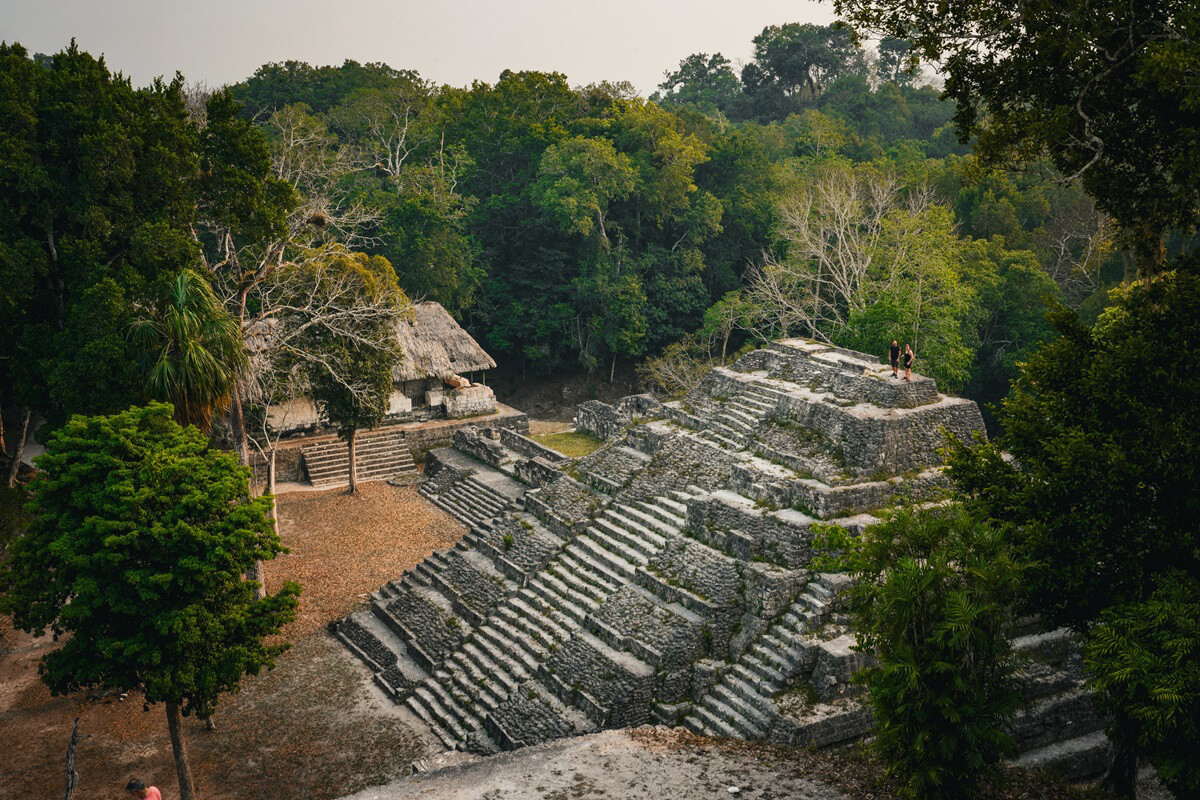
Once you’ve absorbed the grandeur of Tikal, venturing to Yaxha provides a fitting contrast—less crowded, equally captivating, and perched beside a serene jungle lake. Located about 90 minutes from Tikal by car, Yaxha offers a more off-the-beaten-path exploration. Its structures are partially restored, allowing for both awe and imagination. Sunset here is the main draw, especially from Temple 216, where views stretch across Lake Yaxha and into Belize on clear days. The site also includes ball courts, ceremonial plazas, and elevated walkways through thick jungle. Guides often recommend combining the two sites into a two-day archaeological loop, with Yaxha as the contemplative follow-up. Its vibe is quieter, slower, and more personal—ideal for travelers wanting to extend their Maya journey beyond the iconic. Wildlife remains abundant, but the absence of large crowds means encounters feel more intimate. Some visitors even bring swimwear to dip in nearby lake spots post-exploration. Whether you hire a local driver or join a group tour, Yaxha complements Tikal by offering continuity with variety. For those with time and curiosity, this side-excursion rounds out the adventure—less spectacle, more serenity, and a final chapter written in the language of stone, trees, and still water.