
Lava tubes, emerald peaks, and dramatic coastal cliffs collide on one of Asia’s most underrated natural wonders. Jeju Island stands apart from mainland South Korea with its volcanic origins, unique cultural identity, and landscapes shaped by fire and sea. Whether you’re craving serene waterfalls, challenging summit hikes, or UNESCO-recognized geological marvels, this island delivers it all in a compact, jaw-dropping package. Travelers seeking both adventure and relaxation will find Jeju’s dual personality irresistible. With seasonal blooms, local flavors, and folklore woven into every trail and stone, this guide unpacks how to experience Korea’s volcanic retreat with insight, depth, and local flavor.
Seongsan Ilchulbong Dawn Crater Summit
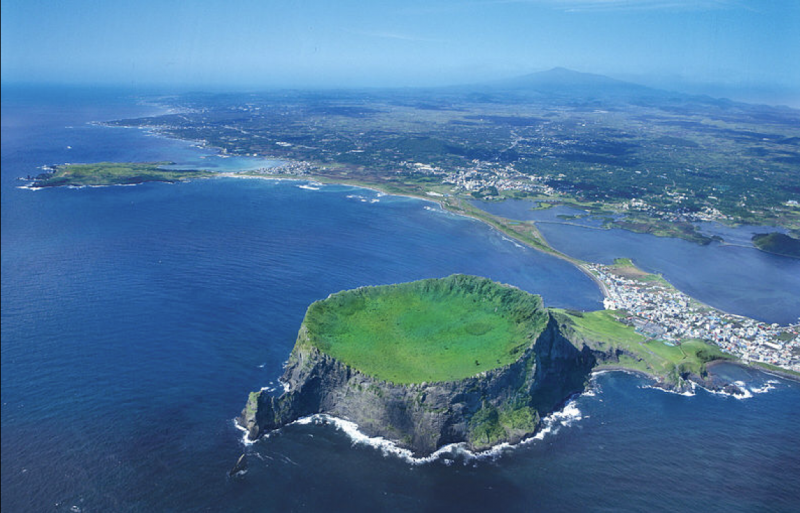
Morning light stretches across the sea as hikers ascend the crater’s steep wooden steps, aiming to reach the rim before sunrise paints the landscape. Seongsan Ilchulbong, a UNESCO World Heritage tuff cone, rises sharply from Jeju’s eastern coastline and rewards early risers with panoramic views of ocean mist, surrounding farmland, and the volcanic basin itself. The trek begins in darkness, lit only by trail lights and headlamps, gradually revealing the silhouette of the horseshoe-shaped summit. Once at the top, the horizon glows with a surreal gradient, offering a moment of quiet awe before the daytime crowds arrive.
Jeju’s volcanic origins are powerfully evident here—this site was formed by hydrovolcanic activity over 5,000 years ago. Beyond the views, educational signage along the trail provides context about its formation and geology. Parking and entry are well managed, and ticketing is inexpensive, with visitor facilities at the base.
For photographers, this summit offers some of the island’s most striking golden-hour images. Those hoping to beat the influx of bus tours should aim to start the hike around 4:30 a.m. in summer. This sunrise spectacle makes Seongsan Ilchulbong a signature experience on any Jeju itinerary.
Hallasan Summit via Monthly e‑Ticket

Permits for Hallasan’s summit are limited and released monthly via an online booking system, making advance planning essential. As South Korea’s highest peak at 1,947 meters, Hallasan offers a challenging but deeply rewarding climb through dense forests, alpine meadows, and volcanic ridgelines. The Seongpanak and Gwaneumsa trails are the primary summit routes, both requiring early starts and steady pacing due to elevation gain and time restrictions on summit access.
The volcanic crater at the peak, Baengnokdam, often features lingering snow in early spring and vibrant foliage during fall. Weather on Hallasan is notoriously unpredictable, shifting from sunshine to clouds within minutes—layers, water, and snacks are a must. Hikers are required to check in at trail checkpoints, and descending before the cutoff time is strictly enforced to ensure safety.
The biodiversity here is unmatched, with endemic plant species and volcanic rock outcrops forming a stark, rugged landscape. During the ascent, glimpses of Jeju’s coastline remind visitors they’re on a volcanic island rising from the sea. This trek is not suited for casual walkers, but for those who prepare, it offers one of Korea’s most iconic outdoor experiences. Securing the e‑ticket early guarantees access to this bucket-list adventure.
U‑Do Island Electric Car Day‑Trip

White coral sand beaches, windmill-dotted hills, and peanut ice cream make U‑Do Island a compact, picturesque detour from Jeju’s main loop. Ferries depart frequently from Seongsan Port and reach U‑Do in under 15 minutes. Once ashore, renting an electric vehicle allows visitors to explore the island at their own pace without contributing to local emissions or dealing with limited public transport options.
Electric cars can be reserved in advance and picked up right at the ferry terminal. The loop road covers U‑Do’s key highlights in a couple of hours, including Geommeolle Black Sand Beach, the seaside cliffs of Hongjodangoe, and coastal walking paths fringed with volcanic rock. Food stalls and local cafés along the route serve freshly caught seafood and unique U‑Do specialties like peanut makgeolli.
Visitors often combine sightseeing with leisurely beach stops, bike rentals, or photography sessions at the island’s scenic viewpoints. Despite its small size, U‑Do feels distinct from mainland Jeju—more relaxed, less commercial, and ideal for a half-day of unplugged exploration. Since it’s a popular local getaway, visiting on weekdays or in the off-season helps avoid ferry queues. A self-guided drive around U‑Do offers both beauty and tranquility in one loop.
Haenyeo Diver Photo Experience

Generations of women in black wetsuits, surfacing with abalone, urchins, and seaweed—Jeju’s haenyeo (female divers) are a cultural and ecological symbol of resilience. These free-divers, often in their 60s or older, have sustained coastal villages for centuries by harvesting seafood without tanks or modern gear. Today, guided photo experiences allow respectful visitors to witness their work and document it without intrusion.
Designated coastal spots such as Sehwa Beach and Hado Village offer small-group viewing sessions where guests can observe haenyeo diving and surfacing. Licensed interpreters often explain the history, risks, and evolution of the practice, emphasizing its UNESCO Intangible Cultural Heritage status. Cameras should be used mindfully—zoom lenses and silent modes are encouraged, while flash is strictly discouraged to avoid disturbing the divers.
The experience is as much about cultural preservation as it is about photography. Visitors come away with more than photos—they gain insight into the grit, skill, and independence of these women. Some sessions conclude with a seafood tasting featuring fresh catch, offering an intimate glimpse into the haenyeo’s daily life. Booking in advance is recommended, especially in peak seasons. This encounter stands out as one of Jeju’s most authentic cultural highlights.
Manjanggul Lava‑Tube Cool‑Down
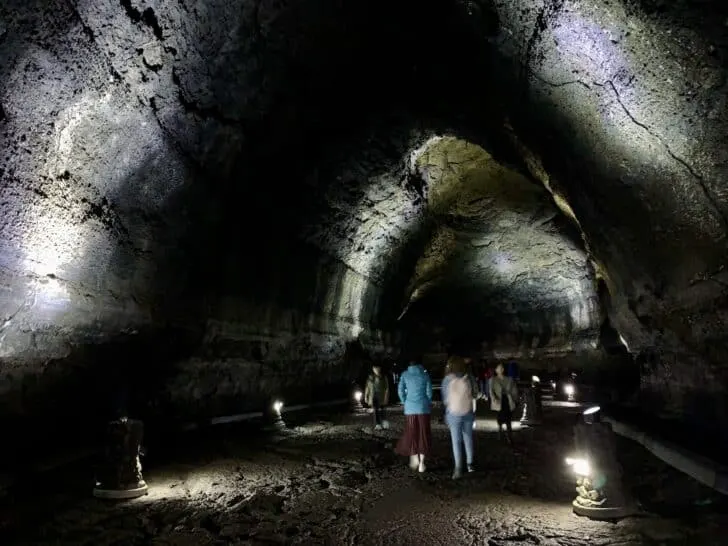
Descending into Manjanggul feels like entering the underworld—cool, damp, and dimly lit by discreet ground-level lamps. This UNESCO-listed lava tube stretches over 13 kilometers, though only a 1-kilometer section is open to the public. Formed thousands of years ago by subterranean lava flows, it showcases Jeju’s volcanic identity with dramatic stone textures, lava shelves, and a massive lava column at the endpoint.
The constant underground temperature around 11°C offers a welcome escape from Jeju’s summer heat, making it one of the island’s most comfortable midday stops. Visitors are encouraged to wear sturdy shoes, as the pathway is uneven and occasionally slick. Informational placards in English and Korean explain key formations along the way, helping visitors visualize the powerful forces that shaped the island’s geology.
Outside, a small visitor center provides geological context, and parking is free. Due to the cave’s delicate environment, lighting is minimal and flash photography is discouraged. Manjanggul is not just a scientific wonder but also a surreal, almost cinematic experience—perfect for travelers craving both cool temperatures and a deeper look into Jeju’s formation.
Exploring this ancient lava corridor offers a grounded contrast to Jeju’s coastal and summit highlights.
Olle Trail Passport Stamp Sprint

Trail markers peek from stone walls and forest bends as hikers pursue a unique goal—collecting stamps from Jeju’s Olle Trail network. With over 400 kilometers of coastal and inland paths, the Olle Trails let walkers experience Jeju beyond tourist hubs, through orange groves, fishing villages, wildflower fields, and ancient stone bridges.
The passport system adds a sense of adventure. At the start and end of each of the 27 main routes, walkers can stamp their official Olle Passport booklets, with additional stamps offered at some checkpoints. Completing multiple trails or sections earns hiking badges and commemorative certificates, encouraging exploration and repeat visits.
Sections like Route 7 along the Jungmun coast or Route 10 across forested ridgelines vary in difficulty and scenery. Walkers are advised to carry snacks, water, and sun protection, especially during Jeju’s humid months. Trail signs are well maintained, and friendly locals often offer help when paths cross villages.
The stamp sprint adds a gamified charm to the slow-paced beauty of the Olle Trails. Whether tackling a single route or working toward all 27, the experience fosters mindfulness, movement, and a deeper connection to Jeju’s diverse natural and cultural landscapes.
Dongmun Night‑Market Black‑Pork Feast
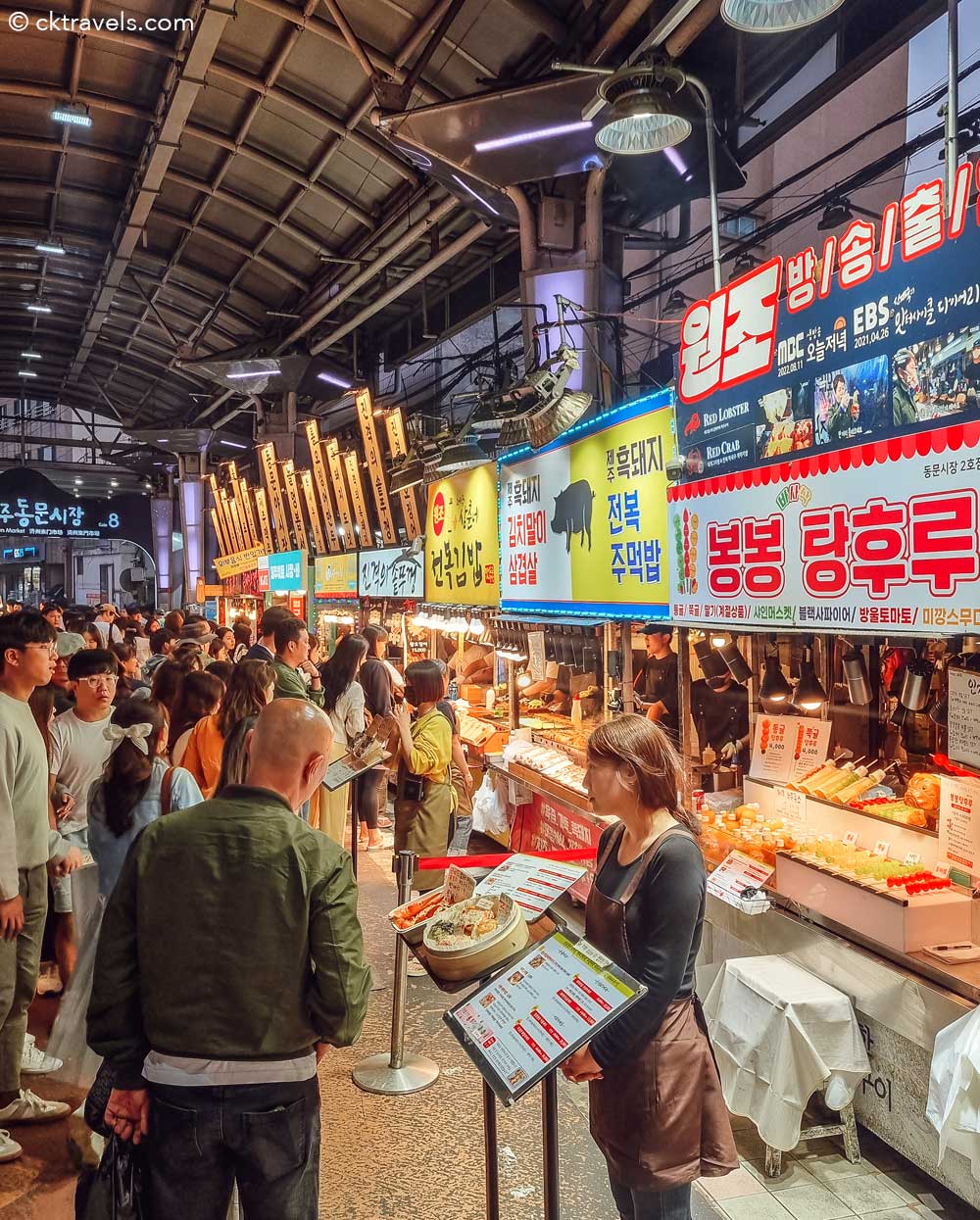
A symphony of sizzling grills, savory steam, and market chatter defines the nightly rhythm at Dongmun Night Market. As Jeju’s oldest traditional market, this food hub near Jeju City’s harbor transforms after sundown into a bustling corridor of local flavors, none more famous than its chargrilled black pork.
Jeju black pig, prized for its rich marbling and clean taste, is served in multiple styles—skewered, grilled, or stir-fried with kimchi. Food stalls layer it into ssam (lettuce wraps), rice bowls, or skewer-to-go formats, all cooked on the spot. The aroma alone pulls crowds toward the pork-heavy corner of the night market.
Beyond black pork, Dongmun teems with tteokbokki, fried jeon, seafood pancakes, and seasonal treats. Prices remain reasonable, and portions are generous—perfect for grazing. Many stalls offer free samples, and QR-code menus cater to non-Korean speakers.
The market opens around 5 p.m. and hits peak buzz by 7 p.m. Visitors are advised to bring cash and arrive early for top picks. Eating here feels like diving into Jeju’s modern food culture without sacrificing tradition. Whether you’re fueling up after a hike or closing your day with flavor, this street-food feast leaves a lasting impression.
Camellia Hill Winter Bloom Visit

Blankets of red, pink, and white blossoms awaken Camellia Hill in the coldest months. As most of Jeju turns grey with winter chill, this botanical garden near Andeok lights up with nearly 500 varieties of camellias. While spring and summer lure flower-chasers elsewhere, December to March is peak bloom here—making it one of Jeju’s rare off-season highlights.
Stone paths wind through manicured forests, floral tunnels, and quiet ponds framed by seasonal color. Visitors often plan early-morning walks to enjoy dew-laced petals, misty backdrops, and uninterrupted photography. Café nooks throughout the garden offer warm beverages and scenic resting spots.
The garden is especially popular for couple photoshoots, proposal backdrops, and winter wedding portraits. With curated design and themed zones, Camellia Hill provides more than botanical beauty—it offers mood, texture, and contrast during Jeju’s dormant season.
For those seeking peaceful, crowd-free nature, weekdays offer solitude. Admission includes access to indoor camellia exhibitions and a charming greenhouse. Guided tours and multilingual signage deepen the experience for curious visitors.
Camellia Hill proves that Jeju doesn’t hibernate—it simply blooms on its own schedule.
O’Sulloc Tea‑Field Matcha Photo Stop

Rows of tea bushes roll toward the horizon like waves of green velvet near the foot of Hallasan. The O’Sulloc Tea Museum and its surrounding fields offer one of Jeju’s most photographed landscapes and a tranquil escape into Korea’s growing tea culture. Visitors come for the matcha, but stay for the symmetry.
These fields are best visited mid-morning, when the sun casts soft shadows across the furrows and the crowds haven’t yet gathered. The museum offers insight into the art of Korean green tea through interactive exhibits, rare tea tastings, and a rooftop observatory.
In addition to its educational side, O’Sulloc has become a must-stop for content creators. The tea-field photo walkway, set near perfectly pruned hedges, is flanked by matcha cafés serving everything from green tea lattes to roll cakes. Travelers also find a connected Innisfree store with Jeju-based cosmetics and eco-themed gift items.
No ticket is required for the outdoor grounds, and parking is ample. Weekday visits offer easier access to seating and unobstructed views. Whether you’re a tea connoisseur or just in search of photogenic tranquility, this stop layers calm, culture, and nature into one tasteful detour.
Twin Waterfall Coastal Road Trip

Two of Jeju’s most iconic waterfalls—Cheonjeyeon and Cheonjiyeon—sit within minutes of each other near Seogwipo, making for a perfect loop drive along the island’s southern cliffs. While distinct in origin, both offer lush jungle surroundings, misty air, and easy access from the main highway.
Cheonjeyeon is a three-tiered cascade tucked into a tropical gorge, where vivid blue pools reflect overhanging cliffs and banyan trees. Nearby, a stone arch bridge provides sweeping views of the surrounding forest canopy. A short drive south, Cheonjiyeon offers a single 22-meter drop into a jade-colored plunge pool, especially magical at dusk when lights illuminate the falling water.
This short route allows for a leisurely road trip with minimal walking—perfect for those traveling with kids or limited time. Small cafés and street vendors near each entrance serve hot sweet pancakes (hotteok) and hallabong juice.
Parking lots are well maintained, and trails are paved. Entry fees are modest and go toward conservation efforts. Together, these waterfalls combine Jeju’s volcanic topography with its subtropical beauty—without requiring hours of hiking. It’s one of the most visually rich detours on the island and a favorite for travelers looking to slow down without missing iconic views.
Aewol Sunset‑Café Seaside Crawl
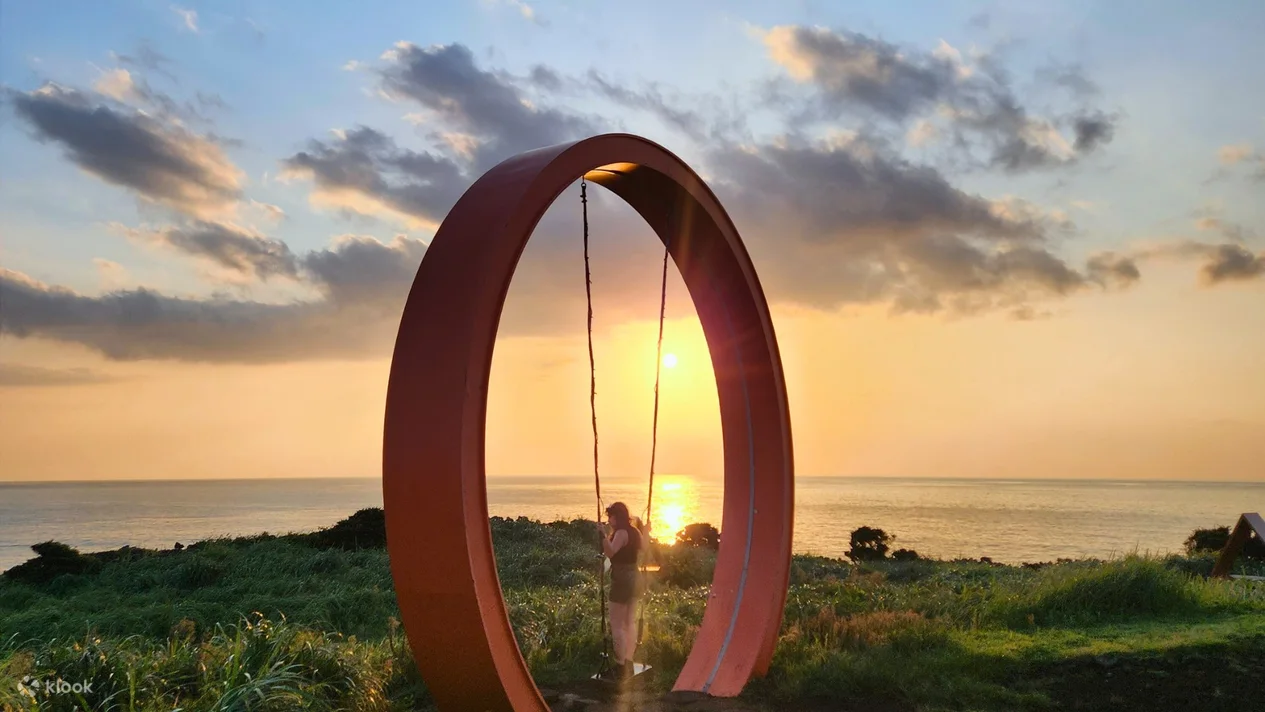
Jeju’s western coastline transforms into a golden-hued dreamscape each evening, and the Aewol area boasts the island’s highest concentration of sea-facing cafés. With massive windows, ocean-view decks, and rooftop lounges, this strip draws sunset chasers looking to unwind after a day of adventure.
Café-hopping along this scenic route offers more than coffee—it’s an experience built around curated ambiance, local flavors, and jaw-dropping ocean backdrops. From minimal wood-and-stone interiors to whimsical garden cafés, each stop caters to different aesthetics while serving up artisanal beverages and Jeju-grown ingredients.
Most cafés open mid-morning and operate through twilight, but late afternoon is ideal for capturing the changing sky reflected over the sea. Cloud-filtered sunsets here are dramatic and frequent, especially in spring and fall. Many cafés provide blankets and fire pits, creating cozy nooks for watching the waves.
Parking can be limited near peak spots, so walking between adjacent cafés is common. Signature drinks often include hallabong teas, green mandarin ades, and black-sesame lattes. Whether you linger at one terrace or stroll between three, this seaside crawl delivers atmosphere, flavor, and postcard-worthy views in one breezy stretch.
Hundertwasser Solar Mosaic Viewpoint

Brightly colored spirals, uneven lines, and eco-conscious design meet on a hillside in Jeju’s lesser-known art installation inspired by Austrian artist Friedensreich Hundertwasser. Located near Hangyeong, this viewpoint merges sustainable architecture with panoramic coastal scenery and bold solar panel integration, transforming what could be ordinary public infrastructure into functional art.
The viewpoint is perched near wind farms and cliffs, offering visitors a place to pause and reflect—visually and environmentally. Mosaic-tiled paths and irregular, forest-green rooftops mimic natural curves, staying true to Hundertwasser’s design philosophy of harmony between human creation and the planet. Solar panels, cleverly embedded into the colorful rooflines and benches, power the area’s ambient lighting and display panels.
Art and energy converge here. Visitors can explore the small viewing platforms or relax in shaded areas built with natural materials. Educational signage explains the renewable energy elements and encourages eco-conscious thinking.
Few tourists venture out this far, which means you’ll often have the space and silence to take in both the art and the horizon. It’s a photogenic and philosophical stop—great for design lovers, environmentalists, and those seeking Jeju gems beyond the typical trail.
This viewpoint blends innovation, artistry, and sustainability without disrupting the island’s natural flow.