
Set against the dramatic backdrop of northern Tanzania’s Rift Valley, Lake Natron stands out as one of Africa’s most fascinating and unusual natural wonders. Known for its striking red and pink hues caused by mineral-rich waters, this alkaline lake is also the world’s primary breeding ground for lesser flamingos, attracting thousands during nesting season. Beyond its wildlife importance, the area offers rugged beauty, volcanic landscapes, and cultural encounters with the Maasai. This Lake Natron Tanzania Travel Guide provides practical insights, essential tips, and highlights to help visitors experience this remarkable destination responsibly and with deeper appreciation.
Flamingo Breeding Spectacle
Credits: https://www.pinterest.com/pin/704954147948638230/
During peak breeding season, Lake Natron becomes the stage for one of the most extraordinary avian gatherings on earth. Lesser flamingos, numbering in the hundreds of thousands, converge on the caustic lake’s shallow flats to nest on soda crust islands. Their synchronized movements and constant calls create an atmosphere unlike anywhere else. The high salinity and temperature deter predators, offering rare safety for chicks. Visitors may witness adults performing courtship dances, their vivid pink feathers intensified by carotenoid-rich algae. From late October through December, chicks begin hatching, forming large crèches that shuffle across the shimmering surface. The sight of thousands of downy grey chicks following protective adults remains one of East Africa’s most surreal wildlife experiences. Binoculars or long lenses are recommended, as nesting zones are sensitive and cannot be approached directly. Rangers and guides help travelers observe from safe distances without disturbing the colonies. For bird enthusiasts, this phenomenon positions Lake Natron as the single most important breeding site globally for lesser flamingos. Planning a visit around this timeline ensures the chance to see the lake’s ecological heart, where survival, ritual, and beauty converge in remarkable harmony.
Red Algae-Colour Phases

Across Lake Natron’s surface, changing shades of crimson and pink emerge as microscopic salt-loving algae bloom under intense heat and salinity. Spirulina and cyanobacteria thrive in these alkaline waters, releasing pigments that stain the shallows with surreal color. From certain vantage points, the lake resembles a shifting mosaic where scarlet, rust, and rose tones ripple in sunlight. Seasonal fluctuations dictate the intensity of these hues; during dry months, when evaporation peaks, salt concentration intensifies, amplifying the vibrancy of the red algae. Aerial perspectives particularly emphasize this effect, with entire sections of the lake appearing blood-red against the dark volcanic landscape. These color phases are not just visually dramatic but also vital for sustaining flamingo populations, since the algae provide their main food source. Scientists often study the water composition here to understand how life adapts to such extreme environments. For visitors, the experience is highly photogenic yet also educational, reminding travelers of the interconnected balance between microbial life and large-scale ecosystems. Timing a trip during the driest period, typically August to October, offers the strongest visual contrast, ensuring both memorable photography and appreciation of the unusual natural chemistry shaping Lake Natron’s reputation as one of Africa’s most surreal landscapes.
Ol Doinyo Lengai Volcano Views
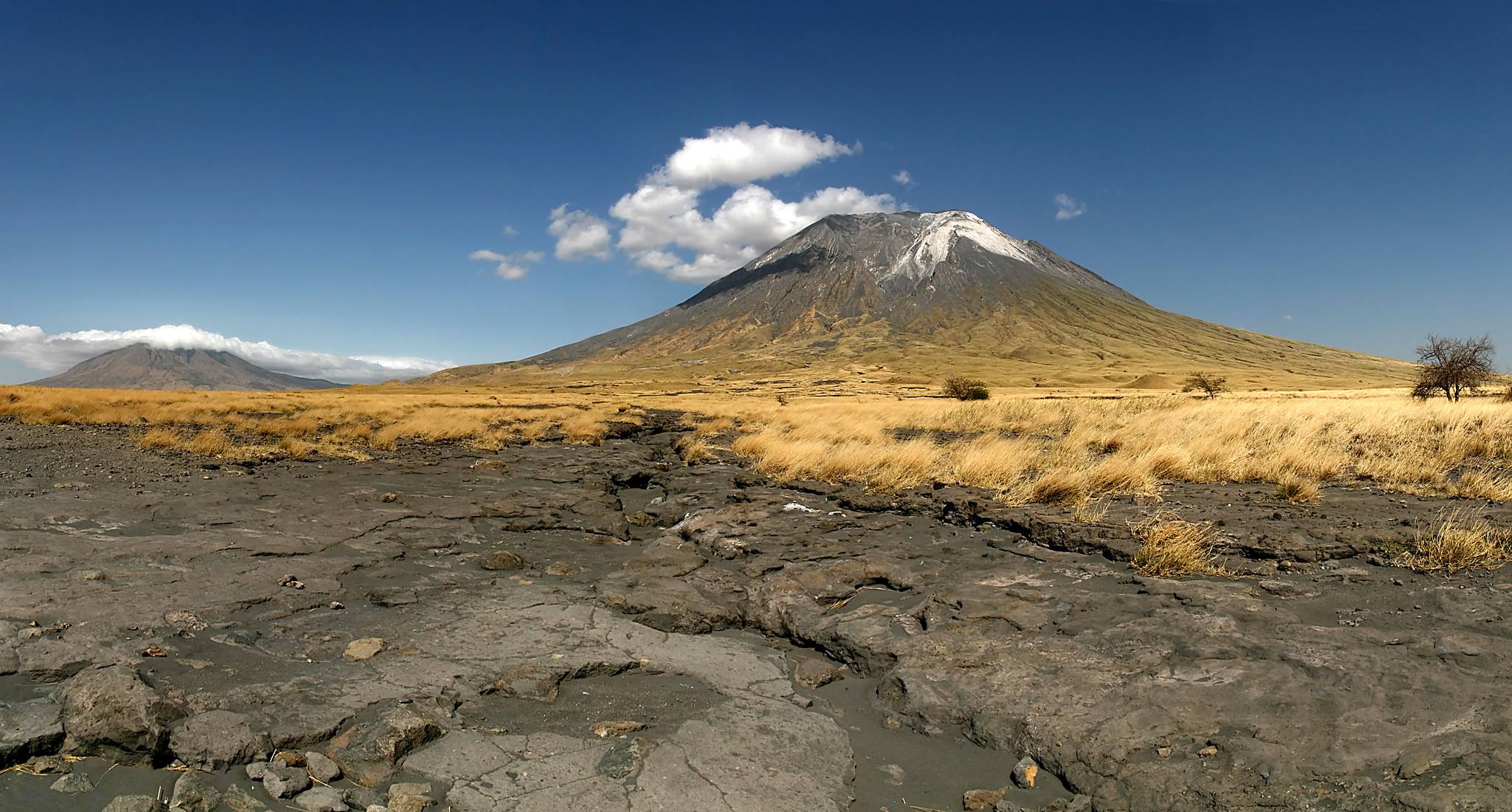
Towering above the Rift Valley, Ol Doinyo Lengai, the “Mountain of God” in Maasai tradition, forms a dramatic backdrop to Lake Natron. This active stratovolcano is globally unique for producing natrocarbonatite lava, which flows at relatively low temperatures and appears almost black when fresh. At sunrise, the volcano’s sharp cone glows golden, while twilight silhouettes emphasize its imposing symmetry. Adventurers can arrange guided treks up the slopes, though climbs are strenuous, starting at night to avoid the searing daytime heat. From higher elevations, panoramic views reveal the vast expanse of Lake Natron stretching into the horizon, dotted with flamingo flocks and colorful algae-stained flats. Even from the lakeshore, the sight of fumaroles releasing faint smoke against the sky reinforces the area’s geologic volatility. Local Maasai communities share cultural interpretations of the mountain, linking its activity to ancestral stories of creation and divine power. For travelers, pairing a visit to the lake with time spent exploring Lengai offers both ecological and cultural immersion. Photographers particularly value the juxtaposition of volcanic landscapes with shimmering waters below. Whether admired from afar or attempted as a climb, Ol Doinyo Lengai enhances Lake Natron’s identity as a rare intersection of wildlife spectacle and active geological wonder.
Hot Springs & Mineral Inlets

Along Lake Natron’s edges, several natural hot springs emerge, fed by underground geothermal activity linked to the Rift Valley. These mineral-rich pools contrast with the lake’s caustic surface, offering refreshingly warm yet safe places where travelers can soak after a day of trekking. Small channels also carry minerals into the main basin, forming vibrant deposits of calcite and salt crusts that decorate the shoreline with unusual textures. Some springs bubble gently through volcanic rock, creating shallow pools shaded by palm groves. Local guides often lead visitors to these hidden spots, where the combination of warm water and surrounding scenery makes for memorable relaxation. Wildlife frequently visits these inlets too, including zebra and giraffe seeking fresh drinking water in an otherwise harsh environment. The springs are particularly attractive at sunrise, when mist rises softly against the backdrop of the towering Ol Doinyo Lengai volcano. Culturally, these sites are sometimes used by Maasai herders for rituals and rest during cattle movements. While swimming in the main lake is unsafe due to extreme alkalinity, these springs provide a safe alternative for cooling off. For eco-travelers, they represent not only a natural spa but also a striking reminder of the geothermal forces that shape Natron’s ecosystem.
Remote Walking Trails & Maasai Villages

Beyond the immediate lake edge, trails wind through semi-arid plains dotted with acacia and volcanic outcrops. These routes connect visitors to Maasai villages where traditional life continues much as it has for centuries. Walking safaris, led by local guides, often pass herders driving cattle toward seasonal pastures, allowing travelers to witness the resilience required in this harsh climate. Along the way, small wildlife sightings are common, from dik-diks darting across lava fields to soaring raptors overhead. Villages offer opportunities to learn about beadwork, rituals, and pastoral practices directly from Maasai families. Many guides are community-based, ensuring tourism benefits local households. Trails range from short two-hour loops around springs and viewpoints to full-day treks skirting the lake’s alkaline flats. The lack of heavy infrastructure keeps these walks quiet and immersive, emphasizing connection to both culture and landscape. Overnight experiences may include staying in traditional manyattas, where star-filled skies stretch unbroken above the Rift Valley. For those seeking authentic engagement, these walks provide insight into coexistence between people, wildlife, and a challenging environment. Unlike safari vehicle tours elsewhere in Tanzania, the emphasis here is on slow travel, footsteps grounding visitors in the rhythm of land and life at Natron.
Phantom Rain & Weather Effects
Visitors occasionally witness strange optical phenomena at Lake Natron, where distant rain appears to fall without ever reaching the ground. This “phantom rain” occurs when high heat causes raindrops to evaporate before touching the earth, creating shimmering curtains visible across the horizon. Combined with mirages rising from the superheated flats, the effect can make the landscape seem otherworldly. Clouds often build rapidly in the afternoons, casting dramatic shadows over the bright red algae waters. Sudden gusts sweep across the lake, raising dust devils that spiral like mini-tornadoes before disappearing as quickly as they form. At times, reflections of clouds and flamingo flocks shimmer on the shallow surface, producing dreamlike illusions that challenge depth perception. Photographers and naturalists alike find these weather quirks fascinating, as they highlight the extremes of the Rift Valley climate. Travelers should be prepared for rapid shifts, where searing sun can quickly give way to violent local showers. These unusual weather patterns also play an ecological role, briefly cooling the land and influencing evaporation cycles. For those seeking more than wildlife encounters, Natron’s atmospheric displays underscore why the lake often feels like a landscape caught between earth and sky, solid and illusion, permanence and fleeting transformation.
Safety & Skin/Eye Protection Advice

The extreme alkalinity of Lake Natron makes direct contact with its waters potentially harmful, so precautions are essential. Prolonged skin exposure can cause irritation, while splashes near the eyes may lead to painful stinging. Travelers are strongly advised to avoid swimming in the lake itself. Wide-brimmed hats, polarized sunglasses, and protective clothing guard against both chemical risks and the region’s harsh sun. Sunscreen with high SPF should be applied frequently due to the strong equatorial radiation reflecting off water and salt crusts. When trekking close to the lake margins, sturdy footwear prevents cuts from sharp salt formations. Carrying sufficient drinking water is vital, as dehydration sets in quickly under such heat. Guides often recommend long-sleeved lightweight fabrics that allow airflow while shielding skin. Visitors photographing flamingos or algae patches should maintain safe distance, avoiding accidental splashes while focusing on stable ground. First aid supplies, particularly eye rinse and antiseptic cream, are worth packing. Respect for safety ensures the journey remains enjoyable rather than risky. Following local instructions also minimizes environmental impact, since straying too close to sensitive breeding areas or stepping into caustic shallows can endanger both people and wildlife. Preparation guarantees comfort in this extreme environment.
Photography Hotspots & Best Light
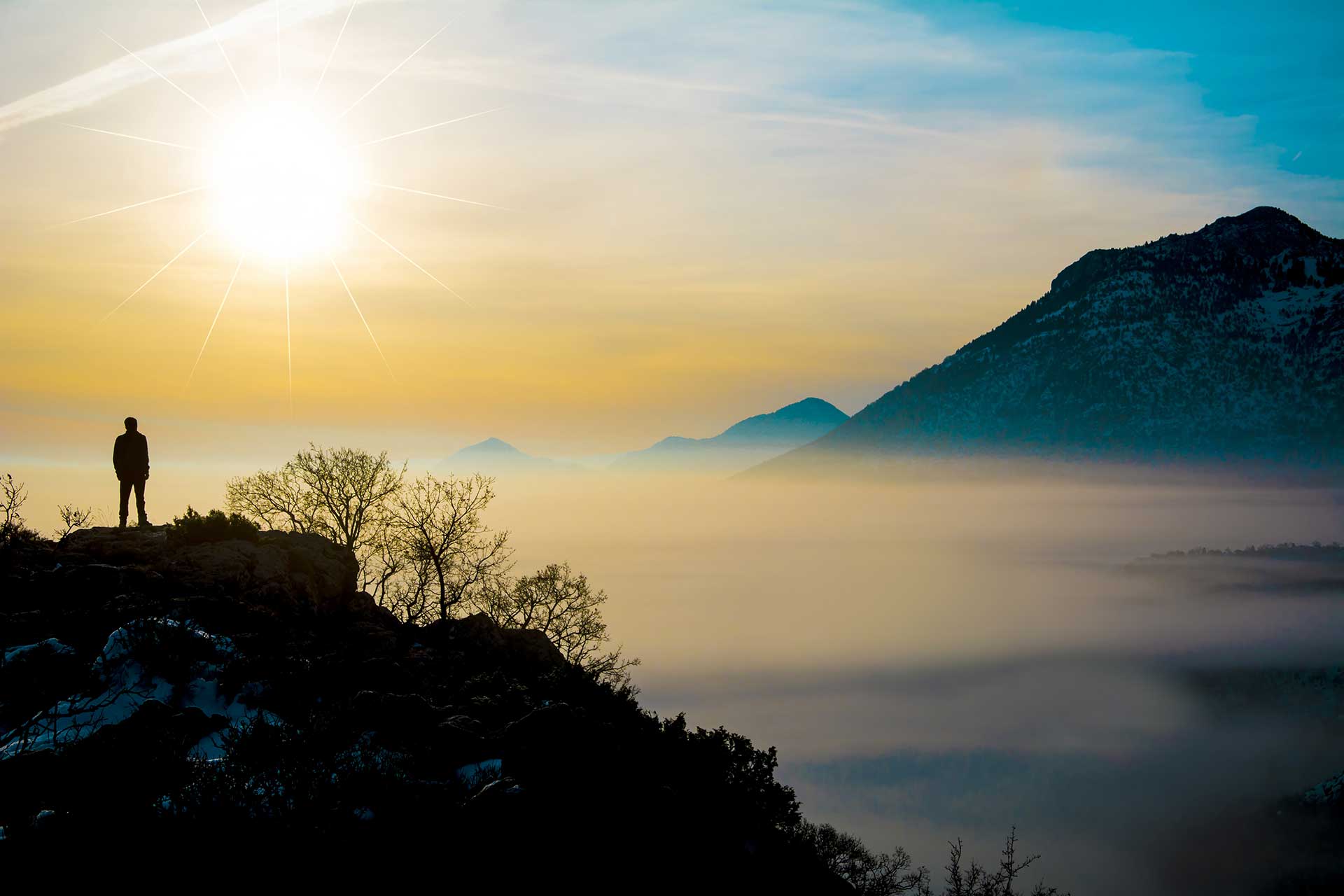
Landscape photographers often regard Lake Natron as one of East Africa’s most striking visual subjects. The interplay of volcanic backdrops, crimson algae waters, and endless flamingo flocks presents rare opportunities for dramatic shots. Early mornings bring soft light that highlights mist over hot springs, while evenings create fiery reflections across the flats. Elevated viewpoints near Engare Sero provide panoramic perspectives where the lake’s surreal color bands are most visible. For wildlife enthusiasts, telephoto lenses are essential to capture flamingo colonies without disturbing breeding zones. Drone use is possible in some areas but requires local permissions, as regulations protect both birdlife and cultural privacy. Tripods help stabilize images against shimmering mirage effects caused by heat. Golden hour, particularly before sunset, offers the most balanced lighting, when shadows enhance textural detail in salt crusts. Even casual photographers will find the contrasts between volcanic black rock, pale alkaline flats, and pink-hued waters remarkably rewarding. Planning shots with local guides ensures safety, as they know vantage points unaffected by shifting waterlines. Patience is rewarded, since Natron’s weather unpredictability can suddenly reveal extraordinary lighting effects. With preparation, this location provides professional-level opportunities for capturing landscapes few travelers ever witness firsthand.
Seasonal Variation & Lake Size Fluctuations

Water levels at Lake Natron shift dramatically with seasonal rainfall, shaping both scenery and wildlife patterns. During wet months, the lake expands, covering alkaline flats and creating vast shallow waters where flamingos gather to feed. In dry seasons, intense evaporation shrinks the surface, revealing salt-encrusted islands and hardened soda crusts. These cycles alter access routes, as trails that are safe in July may be submerged by November rains. For birders, seasonal timing is crucial: flamingo breeding peaks when water levels stabilize enough to expose mudflats for nesting, typically late October to December. The shifting lake also impacts color intensity; during drier months, higher salinity intensifies algae blooms, producing deeper red hues. Travelers planning visits should consider whether they prefer dramatic breeding activity or stark landscapes of cracked salt pan. Local accommodations often adjust itineraries around these fluctuations, ensuring safe access and meaningful experiences. Scientists continue to monitor how climate change may amplify these seasonal swings, influencing both ecosystem stability and tourism opportunities. Understanding these natural cycles enhances appreciation of Natron, reminding visitors that the lake is not static but an ever-changing environment shaped by rainfall, evaporation, and delicate ecological balances unique to the Rift Valley.
Trail / Access Logistics & Accommodations

Reaching Lake Natron typically involves rugged travel, with access routes branching from Mto wa Mbu or Arusha toward Engare Sero village, the main base. Roads are unpaved and can be challenging, especially during rains, making four-wheel-drive vehicles essential. Organized tours often combine Natron with Serengeti or Ngorongoro itineraries, ensuring smoother logistics. Local accommodations range from budget campsites along the lakeshore to eco-lodges offering shaded bandas and hot spring pools. Many facilities are community-owned, benefiting Maasai households through employment and revenue-sharing. Meals usually include fresh local produce, with staff providing safe drinking water and regional hospitality. Walking permits and conservation fees are required, payable at checkpoints near Engare Sero. Guided treks to waterfalls, springs, and flamingo-viewing areas depart from these lodges, ensuring safety and respect for sensitive zones. Electricity is often solar-powered, and connectivity limited, emphasizing off-grid immersion. Travelers should book ahead, particularly in peak flamingo seasons, as accommodation options are limited. Carrying extra supplies—water, snacks, and medical basics—is advised due to the remote setting. Despite logistical challenges, the rewards are exceptional: surreal landscapes, cultural depth, and one of East Africa’s most unusual wildlife spectacles, experienced in close collaboration with local communities.
Ecological Threats & Conservation Issues
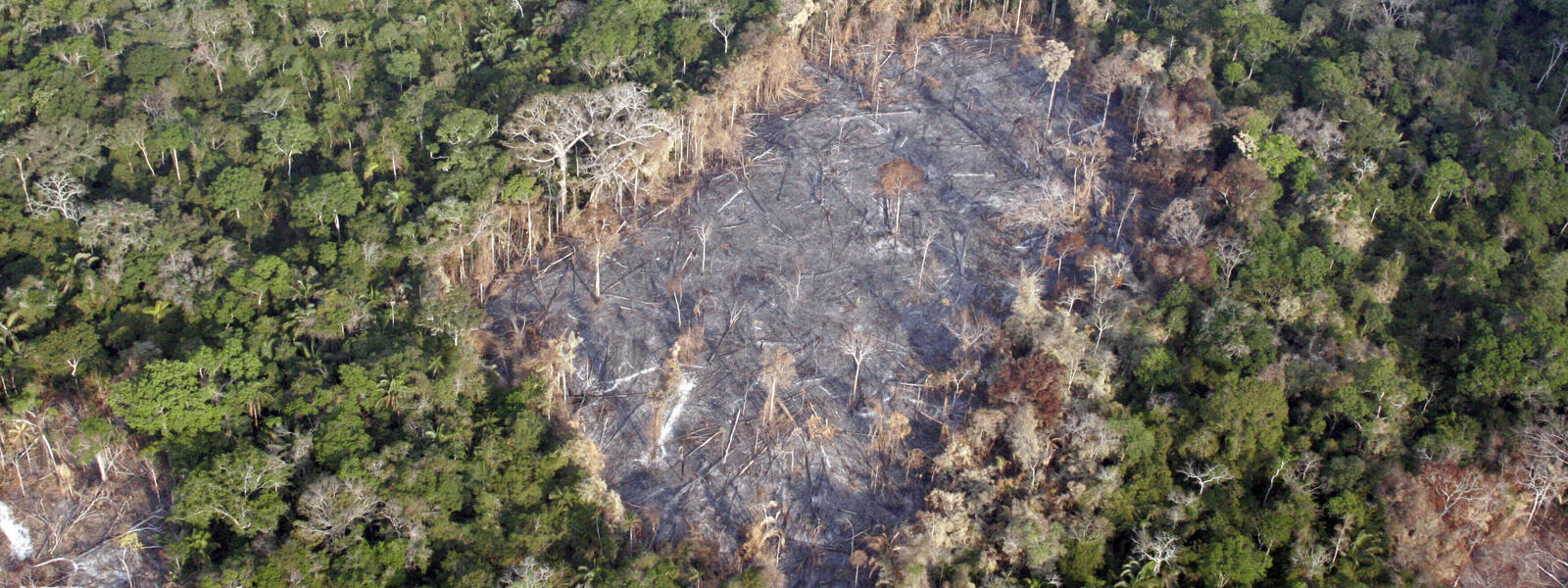
Lake Natron’s fragile ecosystem faces mounting pressure from both natural and human influences. Proposals for soda ash mining in past decades raised global alarm, as such projects would devastate algae blooms and consequently flamingo populations. Although halted, similar threats could re-emerge. Climate change adds uncertainty, with rising temperatures and altered rainfall patterns intensifying evaporation and shrinking flamingo breeding grounds. Local human activities, such as overgrazing and unsustainable water diversion, also strain resources. Plastic waste and unregulated tourism occasionally impact shoreline habitats, underscoring the need for visitor responsibility. Conservation groups and local authorities collaborate with Maasai communities to promote sustainable tourism that funds protection efforts while respecting cultural traditions. International organizations monitor flamingo populations, using data to track breeding success and highlight global significance. Travelers play a role by supporting eco-lodges, adhering to guide instructions, and avoiding disturbance of nesting areas. Awareness campaigns emphasize that Natron is irreplaceable as the world’s principal lesser flamingo breeding site. Long-term protection depends on balancing economic opportunity with ecological preservation. Every visit contributes to awareness, but ongoing vigilance ensures that development pressures do not compromise this extraordinary habitat where geology, culture, and birdlife intersect in precarious harmony.
Sun & Heat Management

Temperatures around Lake Natron frequently soar above 40°C (104°F), demanding careful preparation for outdoor activities. Early morning and late afternoon are the most comfortable times for walking safaris or photography. Midday exposure should be minimized, as the combination of heat and reflective soda crusts intensifies discomfort. Wide-brimmed hats, breathable clothing, and high-SPF sunscreen help shield against relentless UV radiation. Travelers should carry ample drinking water—at least three liters per person daily—since dehydration is a constant risk. Electrolyte solutions are also useful for maintaining balance during strenuous hikes. Rest stops at shaded acacia groves or community lodges provide relief between excursions. Guides often adjust itineraries to align with cooler hours, emphasizing waterfall hikes or hot spring visits during midday downtime. Compact umbrellas or lightweight tarps can create portable shade in exposed areas. Sunglasses protect eyes not only from glare but also from irritation caused by alkaline dust. For multi-day stays, acclimatization is important: pace activities slowly to adapt to the demanding climate. With foresight and discipline, visitors can experience Natron’s extraordinary landscapes without compromising health, making sun management as critical to the journey as logistics or wildlife viewing. Preparedness ensures enjoyment in this extreme Rift Valley environment.