
Jagged limestone pinnacles pierce the sky in a labyrinth so surreal it seems sculpted by another world. Tsingy de Bemaraha isn’t just Madagascar’s best-kept secret—it’s a geological fortress where rare wildlife and ancient ecosystems thrive above razor-sharp cliffs and suspended walkways. This UNESCO World Heritage site challenges and rewards those who seek more than the ordinary. Knowing how to access this remote wonder, what to pack, and which routes to take is crucial for a safe and unforgettable experience. This guide unveils the essential tips, routes, and reasons why Tsingy should be on every serious adventurer’s bucket list.
Pre‑Dawn Grand Tsingy Via Ferrata Trek

Silence blankets the towering limestone needles before sunrise, offering the rare chance to explore the Grand Tsingy without crowds or scorching heat. Starting well before daylight, headlamps illuminate your steps as your guide leads the way through narrow crevices and steep steel ladders bolted into ancient rock. The Via Ferrata gear ensures safety while scaling spires and crossing hanging bridges suspended high above jagged ravines. As the first golden light spills across the landscape, the panoramic views from the upper ledges are nothing short of surreal—making the early wake-up call entirely worthwhile. Morning mist often clings to the cliffs, enhancing the dramatic formations shaped by centuries of erosion. This pre-dawn trek combines technical climbing and guided interpretation of the region’s unique karst geology and endemic flora. Birdsong begins to echo through the canyons as daylight reveals the full scope of Madagascar’s stone forest. Be sure to wear gloves and grippy shoes, as the razor-sharp rock requires careful navigation. Limited group numbers during early hours provide a quiet, almost spiritual connection to the UNESCO-listed landscape. For adventurous travelers seeking a physically engaging experience with incredible photographic opportunities, the pre-sunrise Via Ferrata trek stands out as one of Tsingy de Bemaraha’s most exhilarating highlights.
Petit Tsingy Forest & Lemur Hike
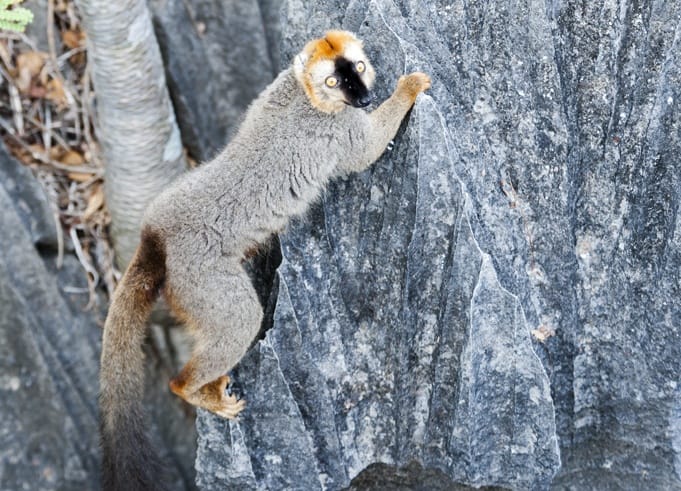
Dense dry deciduous forest surrounds the limestone labyrinth of Petit Tsingy, offering a more accessible yet equally enchanting encounter with Madagascar’s endemic wonders. This half-day guided trek weaves through shaded trails that skirt the base of limestone formations, interspersed with fern-fringed clearings and towering baobab trees. Keep your eyes peeled for families of Decken’s sifakas or common brown lemurs leaping effortlessly from branch to branch. Unlike Grand Tsingy’s technical climbs, Petit Tsingy offers a flatter, less strenuous hike, ideal for those looking to observe wildlife and geology at a slower pace. The forest canopy provides intermittent shade, making it a favorable option during midday heat. Interpretive guides point out medicinal plants, birds like the Madagascar coucal, and hidden rock fissures inhabited by reptiles. Several viewing platforms along the way grant elevated glimpses of the stone formations’ intricate patterns—resembling a petrified coral reef turned vertical. This trail is particularly well-suited for families or those with limited climbing experience, without compromising on biodiversity or scenic drama. Early morning or late afternoon hikes increase the chances of wildlife sightings while avoiding peak trail traffic. For an introduction to Tsingy’s unique blend of forest and stone, the Petit Tsingy circuit offers both comfort and ecological immersion.
Night‑Walk for Nocturnal Wildlife

As daylight fades over Bekopaka, Madagascar’s elusive nighttime creatures begin to stir. Armed with headlamps and a trained guide, venture into the fringe forest on a night walk to witness a rarely seen world. The darkness reveals leaf-tailed geckos perfectly camouflaged on tree trunks, tiny mouse lemurs darting between branches, and endemic frogs chirping from low foliage. Guides expertly spot the reflective glint of animal eyes, guiding your view to tree boas coiled in low limbs or woolly lemurs silently observing from above. With each quiet step, the forest buzzes with the life of Madagascar’s hidden half. Night walks are typically done near village peripheries or along designated eco-trails, offering a balance between accessibility and authentic encounters. Temperature drops provide relief from daytime heat, while sounds of crickets, owls, and amphibians compose a hauntingly beautiful nocturnal symphony. Bring insect repellent and wear closed shoes to stay protected during the walk. Although photography is limited in the dark, the sensory experience is unforgettable. This low-impact activity is ideal for all ages and adds depth to any visit to Tsingy de Bemaraha. For travelers craving a complete picture of the park’s biodiversity, venturing out after sundown offers an essential, intimate glimpse into Madagascar’s nocturnal ecology.
Manambolo River Canoe & Cave Route

Gliding silently across the still waters of the Manambolo River unveils a softer side of the rugged Tsingy de Bemaraha region. Local dugout canoes, piloted by skilled Malagasy piroguiers, carry you between towering limestone cliffs streaked with mineral veins and lush overhangs. Morning paddles offer mirror-like reflections, especially in the dry season when the water is calm and clear. Along the riverbanks, kingfishers and herons stand alert while baobab silhouettes rise in the background. One of the journey’s highlights is the sacred cave system, accessible only by boat. Inside, ancient stalactites and stalagmites flank ceremonial burial sites of the Vazimba people—Madagascar’s earliest inhabitants—still marked by wooden coffins placed high in the walls. Guides respectfully interpret these historical remnants, emphasizing their cultural significance. Light entering through narrow cave openings adds a mystical glow, perfect for capturing ethereal moments. This tranquil excursion is a relaxing complement to the park’s high-adrenaline treks, requiring no physical exertion and suitable for all skill levels. The route typically runs about one to two hours round trip. Ideal just after sunrise or before sunset, the canoe journey offers a meditative, immersive experience through one of Madagascar’s most iconic and sacred geological corridors, blending natural beauty with ancient heritage.
Midday Cool‑Down at Suspension Bridge View

Heat peaks quickly in the dry season, but shaded limestone passages and the breeze from elevated walkways offer timely relief. One of the most refreshing points in Grand Tsingy is the narrow suspension bridge strung dramatically between two limestone towers, hundreds of feet above the canyon floor. Though accessible via a guided climbing route, this area becomes particularly pleasant around midday when sunlight diffuses through jagged outcrops and offers partial shade. As the wind picks up across the canyon, it provides a natural cooling effect while visitors pause on the swaying bridge to take in breathtaking panoramic views of the spiked stone forest. With limited foot traffic during hotter hours, this spot becomes a quieter refuge—ideal for taking a breather or snapping wide-angle shots. Look down to spot ring-tailed mongooses darting below, or scan the cliffside for roosting birds like the Madagascar kestrel. Hydration is essential, so be sure to bring water and a wide-brimmed hat. The cool elevation here makes it a strategic waypoint between more challenging climbs, giving trekkers a physical and visual reward. For those braving the midday sun, this breezy bridge stop transforms the toughest hours into one of Tsingy de Bemaraha’s most photogenic and pleasant resting points.
Hidden Panoramic Viewpoint Lunch Stop

Winding trails off the main climbing circuits often lead to secret lookouts that only local guides know how to reach. One such hidden gem is a panoramic rest stop perched high above the limestone forest, accessible via a lightly used spur trail branching from the Petit Tsingy route. This elevated terrace, partially shaded by hardy shrubs, offers uninterrupted views over the sprawling stone pinnacles below. It’s a natural picnic spot where hikers can pause, unpack a prepared lunch, and relax while digesting the geological marvels spread out in all directions. With no formal seating, visitors sit on smooth boulders warmed by the sun, often joined by curious lizards basking nearby. The wind up here carries scents of dry bark, wild herbs, and distant forest—heightening the sense of remoteness. Birds of prey occasionally circle overhead, riding thermals rising from the canyons. Because this area is unmarked, it’s rarely crowded and delivers a peaceful contrast to the more trafficked scenic platforms. Guides often schedule this detour intentionally to avoid peak heat and crowd buildup, making it both a practical and memorable part of the day. This tranquil lunch break rewards trekkers with both sustenance and one of the best views in the Tsingy wilderness.
Guide‑Led Harness Climb Challenge
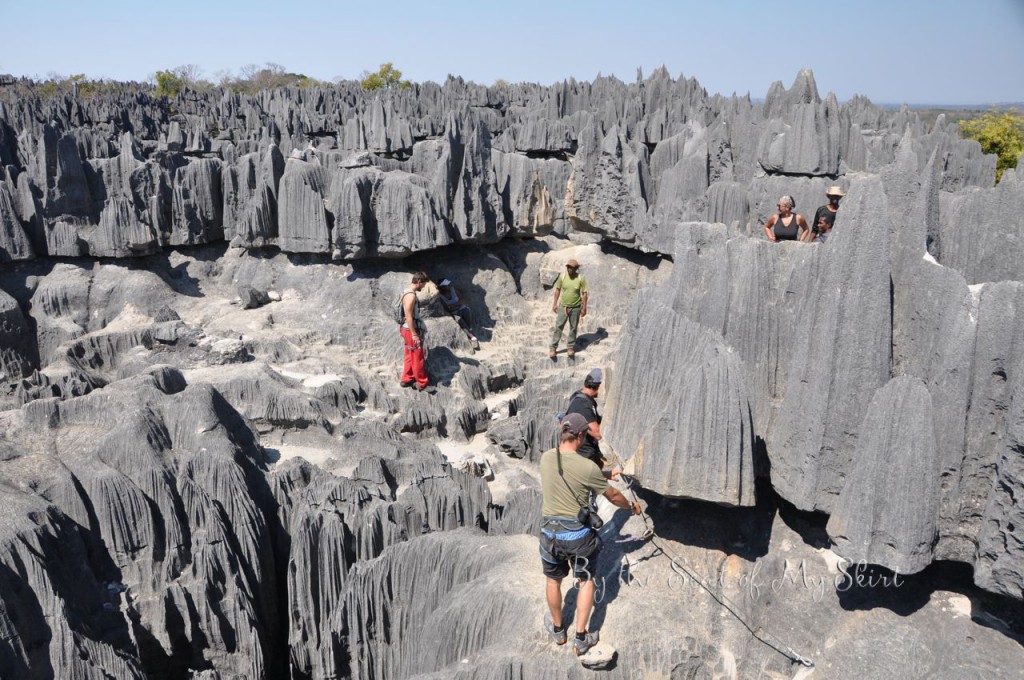
Some routes within the Grand Tsingy demand more than sturdy boots and courage—they require a full climbing harness, helmet, and steel nerves. This section, often referred to as the “technical circuit,” is led by certified local guides trained in rope safety and karst navigation. Climbers tackle vertical ascents, fixed ladders, and narrow ledges, all while clipped into steel cables anchored into ancient limestone. The challenge lies not just in the climb, but in the focus it demands—handholds are sometimes sharp and footholds unpredictable. As you rise above the forest canopy, each platform delivers a jaw-dropping perspective of Madagascar’s most surreal stone jungle. Harnessed sections are designed to be physically demanding but not extreme, making them suitable for fit hikers without climbing experience. Guides provide clear instruction, checking each guest’s safety gear before entry. The adrenaline rush is real, but so is the satisfaction of completing such an iconic route. Views from the summit often include vultures coasting at eye level and, in the distance, the winding Manambolo River carving its ancient path. This guided harness climb offers one of the most thrilling and intimate ways to interact with the verticality of the Grand Tsingy—equal parts physical feat and unforgettable vantage point.
Rock‑Form Sculptures Photo Spot

Among the jagged maze of limestone, nature has sculpted formations that resemble animals, faces, and towers—earning nicknames like “The Cathedral,” “The Crocodile,” and “The King’s Crown.” These surreal shapes are found throughout both Petit and Grand Tsingy, but one concentrated pocket near the northern end of the circuit has become a magnet for photographers. A small clearing provides unobstructed angles to capture the bizarre rock profiles against the sky. In the early morning or late afternoon, angled sunlight enhances the textures, creating bold shadows that make the formations stand out with dramatic clarity. This zone also provides a good lesson in erosion; guides often point out how rainfall and wind have slowly carved these figures over millennia. Unlike many photo stops that require climbing, this area is flat and accessible, making it ideal for travelers of all abilities. Some visitors choose to sketch or sit and observe the shifting light patterns as clouds pass overhead. Whether for serious photography or simple appreciation, this natural sculpture garden offers a visual break from the vertical climbs and an easy way to appreciate the artistry hidden in Madagascar’s karst landscape. It’s a reminder that not every viewpoint requires altitude—some offer beauty right at ground level.
Stay in Bekopaka Riverside Camp

Just beyond the park’s southern boundary, Bekopaka serves as the launchpad for all Tsingy adventures—and opting to stay in a riverside ecolodge brings a special kind of reward. Nestled along the Manambolo River’s tranquil bends, these camps blend rustic charm with creature comforts, often offering raised bungalows with thatched roofs and mosquito nets. Morning light reflects off the water, and distant birdcalls set a calming tone before the day’s trek begins. Evenings are equally peaceful, with candle-lit dinners served al fresco, the occasional lemur rustling in nearby trees, and the hum of cicadas echoing through the valley. Local hosts provide insight into Malagasy culture through storytelling, traditional meals, or musical performances featuring the valiha, a bamboo string instrument. Most camps are eco-conscious, using solar power, compost toilets, and river-stone paths to reduce impact on the delicate environment. Staying riverside also means you can start canoe excursions early or enjoy spontaneous dips during hot afternoons. The convenience of being close to trailheads is practical, but the immersive nature experience is what leaves a lasting impression. For travelers who prefer authenticity over luxury, riverside camps in Bekopaka offer a restful, rooted base from which to explore one of Madagascar’s most spellbinding geological wonders.
Morning Lemur Search Circuit

At first light, Tsingy’s forest edge comes alive with energy as lemurs begin their morning foraging. The best time to encounter them is just after sunrise, when the air is cool and primates are most active. Guides lead small groups along a looping trail that skirts deciduous forest and limestone crests, ideal habitat for species like the Decken’s sifaka, red-fronted brown lemur, and even the elusive fork-marked lemur. Their distinctive calls—ranging from clicks to barks—echo across the trees, guiding your gaze upward. Agile sifakas often leap horizontally between trunks in their trademark “dancing” motion, while smaller nocturnal species return to roost. Binoculars help spot movement in the upper canopy, and patient observers may catch mothers carrying infants or grooming sessions on high branches. This circuit also offers birding opportunities, with coucals, vangas, and the endemic Tsingy wood rail often visible along the path. Early walks mean fewer groups on the trail, ensuring a quieter, more rewarding wildlife experience. Unlike cliff-based circuits, this route requires only moderate fitness and is mostly shaded, making it comfortable even in warmer seasons. For anyone visiting Tsingy de Bemaraha with a focus on fauna, this morning circuit delivers captivating, real-time glimpses into Madagascar’s rich lemur ecology.
Seasonal Dry‑Season Mirrored Pools
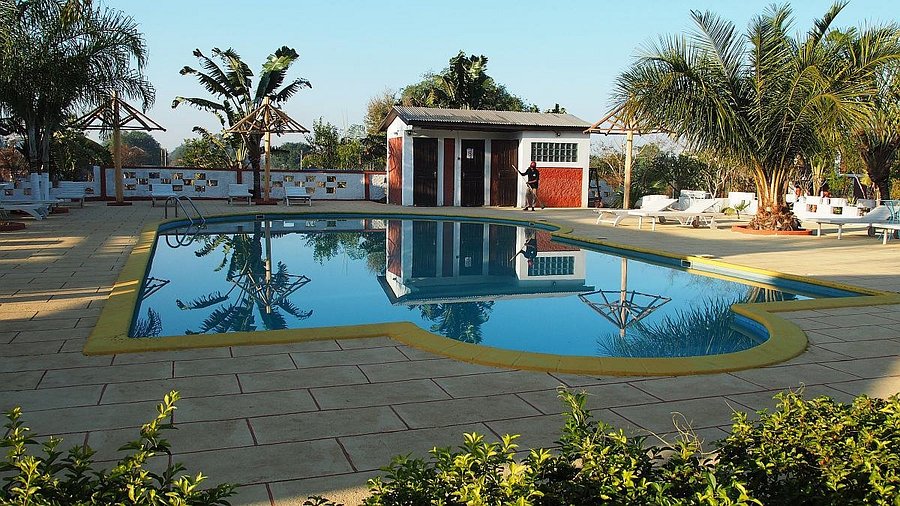
As the dry season settles in from May to October, rare mirrored pools appear in protected depressions between Tsingy’s limestone spikes. These temporary features—fed by trickles of residual rainfall and underground seeps—form still, reflective surfaces that double the drama of the surrounding rockscape. One such location, found along a lesser-used detour off the Grand Tsingy trail, offers a moment of visual poetry: the jagged karst reflected perfectly in the glassy water below. These pools don’t last all year, which makes witnessing them even more special. Guides often incorporate a stop here for those visiting between late June and early September, when water clarity and sunlight combine for optimal reflections. Dragonflies skim the surface while small birds sip from the edges, adding quiet life to this otherwise stark landscape. Visitors are advised to tread carefully, as the ground can be slippery near the pools, and conservation etiquette discourages touching or disturbing the water. While not the most famous feature of Tsingy, these ephemeral mirrors encapsulate the park’s fleeting magic—natural spectacles that vanish as quickly as they form. For photographers and meditative travelers alike, these pools offer a serene interlude amid the rugged, angular chaos of Madagascar’s stone forest.
Shared 4×4 Road‑Trip To Morondava

Exiting Tsingy de Bemaraha often involves a rugged road adventure, and the shared 4×4 ride from Bekopaka to Morondava transforms what might seem like a transit day into a travel experience of its own. The journey spans 7–10 hours depending on the season, road conditions, and ferry crossings—but the shifting scenery more than compensates for the bumps. You’ll traverse rolling savannahs, baobab-dotted landscapes, and the Tsiribihina River via local barge ferry. Most 4×4 routes pause for breaks in remote villages, where travelers can sample roadside snacks or stretch legs under tamarind trees. The final stretch of road approaches Morondava in late afternoon light, often aligning with sunset at the Avenue of the Baobabs—a natural, photogenic finale to the Tsingy expedition. Shared rides offer both economic and social advantages, allowing travelers to swap stories and tips en route. It’s recommended to book seats in advance, especially during peak season, and bring snacks, water, and a scarf or mask for dust protection. While physically tiring, the journey offers a ground-level perspective on western Madagascar’s rural rhythms and vast, untouched terrain. Far from a mere connection between destinations, this 4×4 route is an immersive, scenic descent from stone pinnacles back into coastal culture and color.