
Towering above the landscapes of Borneo, Mount Kinabalu is more than Southeast Asia’s tallest peak—it’s a destination blending natural wonder, cultural heritage, and adventure. Rising 4,095 meters, the mountain lies within Sabah’s Kinabalu Park, a UNESCO World Heritage Site celebrated for rare orchids, carnivorous plants, and over 300 bird species. Climbers and nature lovers alike are drawn to its challenging trails, panoramic views, and sacred significance to local communities. This Mount Kinabalu Malaysia travel guide equips you with essential information, from trekking permits to acclimatization tips, ensuring your journey is safe, memorable, and aligned with sustainable travel practices.
Permit Counter Timing

Reaching Mount Kinabalu’s peak begins long before the trailhead, with permits acting as the golden ticket. Sabah Parks strictly controls daily climber numbers, capping them for conservation and safety. Hikers often underestimate how quickly slots sell out, especially during dry seasons or holiday periods. The counter opens early morning in Kota Kinabalu, but many secure their permits months in advance through licensed operators. Arriving last minute is risky and frequently leads to disappointment. Timing here is not only about booking but also about your day’s schedule. Climbers must check in at Kinabalu Park Headquarters by mid-morning to complete registration, briefing, and porter arrangements. Missing this cutoff can mean losing your chance to ascend even if you hold a valid permit. Smart planning involves synchronizing arrival with accommodation check-ins nearby, allowing a stress-free start. For those traveling from Kota Kinabalu city, early departure is non-negotiable to account for road delays. Treating the permit counter as a critical milestone ensures the climb begins smoothly. Without this preparation, even seasoned trekkers face setbacks. Proper awareness of permit counter timing safeguards your investment and secures access to one of Southeast Asia’s most iconic peaks.
Trail Choice Power

Route selection on Mount Kinabalu significantly shapes both the physical challenge and the quality of the journey. The two sanctioned trails—Timpohon Gate and the steeper Mesilau route—offer contrasting experiences. Timpohon is shorter and more direct, favored by climbers wanting efficiency, especially when aiming for summit success with minimal strain. The Mesilau trail, although currently closed at times due to maintenance and landslides, has historically provided a more scenic, rugged alternative. The decision extends beyond scenery; it dictates energy expenditure, pacing, and acclimatization opportunities. Those with limited high-altitude experience often benefit from the steadier gradient of Timpohon, while trekkers seeking a fuller wilderness immersion may wait for Mesilau’s reopening. Guides typically recommend factoring in fitness level, weather forecasts, and time of year when deciding. During monsoon months, sections can turn slippery, magnifying the importance of selecting the safer option. Understanding this power of trail choice prevents unnecessary exhaustion and maximizes enjoyment. By aligning the route with personal endurance and adventure goals, climbers position themselves for a successful ascent and memorable experience. Trail selection is not just logistics—it is strategy, ensuring that every step leads upward with purpose and confidence.
Porter-Savvy Packing Hack

Packing for Kinabalu involves far more than stuffing clothes into a backpack. Weight distribution, permitted loads, and respect for porters define the difference between a smooth hike and constant fatigue. Porters at the park are lifesavers, but their services come with limits—typically around 10–12 kilograms per load. Smart trekkers separate essentials from non-essentials before arriving. Using waterproof compression sacks for layered clothing ensures quick access at rest points without disrupting the entire bag. Toiletries, snacks, and gadgets should be grouped for easy retrieval, minimizing wasted time at checkpoints. Many climbers forget to allocate a small daypack for personal items, assuming porters carry everything; in reality, you’ll need immediate access to water, rain protection, and energy bars. Packing with porter-savvy logic also involves labeling bags clearly, reducing confusion at Laban Rata resthouse handovers. The hack lies in traveling light yet prepared: distribute weight sensibly, only carry what’s vital for high altitude conditions, and leave vanity items behind. By respecting the workload of porters while prioritizing functionality, climbers conserve stamina for the summit push. Efficiency in packing translates directly into comfort on the mountain, ensuring your energy is invested in climbing rather than unnecessary strain.
Headlamp Double Glove Rule

Pre-dawn summit attempts on Kinabalu highlight the importance of preparation in small details. The headlamp is indispensable for navigating granite slabs and uneven terrain before sunrise, while gloves protect against both cold and rope burns during steep ascents. Many climbers make the mistake of carrying just one pair of gloves, only to discover how easily dampness or wear renders them ineffective. The double glove rule—one lightweight pair for flexibility and one insulated pair for freezing temperatures—solves this issue. Switching layers prevents moisture from sweat or mist from compromising grip and warmth. A reliable headlamp with fresh batteries is equally vital; climbers moving without adequate light risk slowed pace and safety hazards. Backup batteries should always be packed, as summit timing depends on reaching Low’s Peak before daylight crowds arrive. Guides stress that these two items, often overlooked compared to boots or jackets, directly influence summit success. Cold hands can sap morale faster than steep inclines, while poor lighting can cause missed steps on critical ledges. By respecting the double glove and headlamp essentials, trekkers ensure resilience against mountain conditions and preserve focus on the breathtaking reward awaiting at the peak.
Heat-Pack Summit Memory
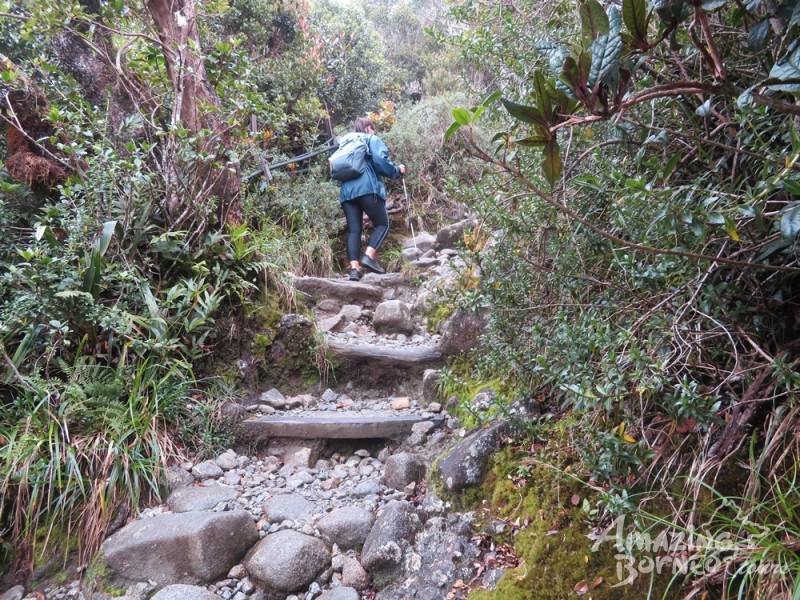
Standing at 4,095 meters, Mount Kinabalu’s summit can feel brutally cold, particularly during the pre-dawn climb. While layering is standard advice, many underestimate how temperatures can plummet with wind chill. Heat packs become an underrated ally here, offering both physical warmth and psychological comfort. Slipping a disposable pack into gloves or jacket pockets keeps circulation strong during long waiting periods at the peak. Some climbers even tuck them into boots to stave off numb toes while pausing for sunrise photographs. The memory created at Low’s Peak often depends on how long you can comfortably stay at the top rather than how quickly you arrive. Freezing fingers make camera handling difficult, diminishing the reward of documenting the achievement. Lightweight and inexpensive, heat packs weigh little yet provide outsized benefits. Bringing a few extras ensures backups for fellow climbers or porters who may not carry them. When altitude drains energy, warmth sustains morale, allowing trekkers to appreciate the horizon turning gold above Borneo’s rainforests. Simple preparation ensures that summit moments are remembered for the view and triumph—not for discomfort. Packing heat packs in advance transforms the cold peak into a lasting, enjoyable memory etched into your climbing story.
Biome Coffee Stop
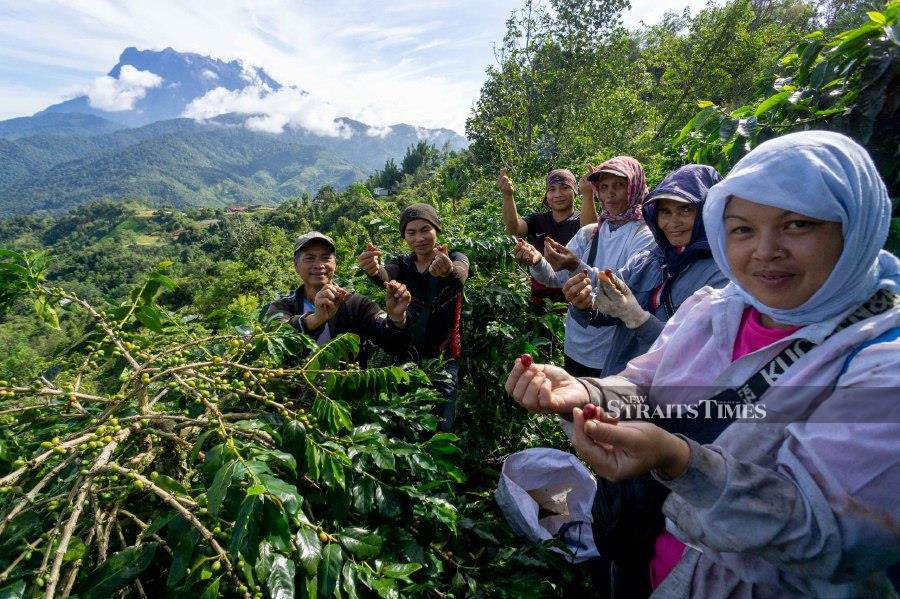
Midway up the slopes, rest points such as Laban Rata offer more than shelter—they provide much-needed caffeine refueling. Coffee breaks on Kinabalu aren’t about indulgence but about acclimatization and morale. The altitude slows digestion and dehydrates climbers, making warm drinks doubly restorative. A hot cup not only revives tired legs but also offers a pause to appreciate the surrounding montane biome. Mist curls through mossy forest canopies while orchids cling to wet trunks, rewarding those who linger. Many trekkers underestimate how beneficial these stops are, rushing past in pursuit of schedules. In reality, brief pauses for hydration and warmth reduce altitude sickness risk and stabilize breathing patterns. Local coffee served in mountain huts carries distinct earthy notes, often brewed strong enough to cut through fatigue. Pairing it with light snacks like crackers or bananas helps maintain energy reserves without overloading the stomach before the next push. These micro-moments of comfort become part of the climbing narrative, reminding adventurers that endurance thrives on balance. A well-timed coffee stop in the middle biome can reset mood and motivation, ensuring climbers continue upward with renewed clarity and appreciation for both nature and the journey ahead.
Pekan Nabalu Market Pause

The road journey to Kinabalu Park Headquarters naturally funnels through Pekan Nabalu, a small yet vibrant town that doubles as a climber’s staging post. Beyond restroom breaks, the market here delivers cultural texture and practical benefits. Stalls brim with tropical fruits—like rambutan, mangosteen, and bananas—that serve as quick, natural energy supplies for the trail. Local vendors also sell handmade souvenirs, woven textiles, and bottled honey, giving visitors an early glimpse of Sabah’s artisanal economy. Many climbers treat this pause as an overlooked yet valuable acclimatization stop, allowing lungs to adjust incrementally before heading higher into the mountain’s cool air. Clear mornings often reward visitors with panoramic views of Mount Kinabalu’s jagged granite crown, making it one of the best pre-hike photo opportunities. Guides frequently encourage stocking up on bottled water or small snacks here, which are often more affordable than supplies at the park entrance. Supporting local traders adds a meaningful dimension to the trip, channeling tourist revenue directly into the community. While brief, this pause enhances both preparedness and cultural connection. Pekan Nabalu is more than a roadside distraction—it is an intentional prelude that enriches the overall Kinabalu journey before the real climb begins.
Poring Hot-spring Recovery

After descending Mount Kinabalu, muscles often ache more from the downhill impact than from the ascent itself. This is where Poring Hot Springs, located within Kinabalu Park’s lowland section, becomes a sanctuary. Fed by natural geothermal activity, the pools are mineral-rich, believed to aid circulation and speed recovery. Sliding into the warm waters after hours of pounding knees and thighs provides instant relief, washing away fatigue in both body and spirit. Facilities range from private tubs to communal pools, allowing climbers to choose between solitude or shared camaraderie. The area also includes botanical gardens, butterfly farms, and canopy walkways, offering gentle exploration for those with residual energy. Guides often recommend scheduling at least half a day here to maximize recovery before traveling onward. Pairing the soak with stretching or a short forest walk enhances muscle relaxation further. Beyond physical healing, the experience anchors the climb within a cycle of challenge and reward. Ending a demanding trek with restorative immersion ensures travelers remember Kinabalu not only for the summit’s hardships but also for the soothing closure at its foothills. Poring Hot Springs transforms post-hike soreness into a final, memorable chapter of balance and renewal.
Nepenthes Novice Detour

Carnivorous plants thrive on Kinabalu’s slopes, and for many visitors, encountering the famed Nepenthes species is a highlight. Known locally as pitcher plants, these fascinating organisms trap insects in fluid-filled pouches, adapting ingeniously to nutrient-poor soils. Trails near Mesilau and other side paths occasionally offer glimpses of these natural curiosities. For novices, the detour is both educational and visually captivating, providing a different type of reward compared to summit views. Guides often pause to explain how specific species—like Nepenthes rajah, the world’s largest pitcher—can hold over two liters of water. While not every climber has time to see these rarities, even spotting smaller varieties delivers a sense of wonder. Photography enthusiasts relish the chance to document these unusual plants, though care is urged to avoid touching or disturbing them. Such detours diversify the Kinabalu experience, ensuring that it isn’t solely defined by altitude achievement. For families or less intense trekkers, the Nepenthes encounter offers a gentler alternative that still connects deeply with the mountain’s biodiversity. Taking this short diversion adds ecological richness to the adventure, showing that Kinabalu’s magic resides as much in its flora as in its commanding granite summit.
Checkpoint Whistle Protocol
Safety on Mount Kinabalu is supported by strict guidelines, and whistles form part of that unseen safety net. Along the route, multiple checkpoints require hikers to report in, ensuring no one strays unnoticed. Guides often carry whistles to alert climbers during low-visibility conditions, particularly in heavy mist or crowded stretches. The sharp sound cuts through wind and chatter more effectively than shouting, signaling regrouping or emergencies. Trekkers unfamiliar with this system quickly learn that listening is as important as climbing. Responding promptly to a whistle call prevents delays and reduces risk of separation. Independent climbers without guides are strongly discouraged, but carrying a whistle individually adds an extra layer of precaution. At higher altitudes where exhaustion dulls awareness, such signals provide clear direction, reinforcing the team’s cohesion. Simple drills—two short blasts to pause, three for immediate regroup—are commonly taught at the trailhead. Respecting the whistle protocol underscores discipline, ensuring climbers cooperate with rangers and guides. While seemingly small, this tool embodies mountain safety culture. Every blast carries weight, reminding hikers that the journey is collective and protection is shared. Following whistle rules helps maintain order in challenging conditions, ensuring safe passage for all ascending Kinabalu’s granite backbone.
Season Swap Strategy

Weather on Kinabalu shifts rapidly, making seasonal planning crucial. The dry months from March to September typically provide the safest climbing windows, with clearer skies and firmer trails. However, this also means higher demand, crowded huts, and tighter permit availability. Monsoon periods from October to January increase rainfall, creating slick paths and greater risk of landslides. Yet, fewer climbers during these months mean quieter trails and more availability for accommodation. A strategic swap between peak and shoulder seasons depends on priorities—whether safety, solitude, or cost savings. Some climbers intentionally select the transition months like February or late September, when weather steadies yet demand hasn’t peaked. Layering gear is vital, since morning cold at altitude contrasts sharply with warm, humid afternoons lower down. Flexibility with dates is the best strategy, as forecasts often shift within days of departure. Booking operators that allow rescheduling without heavy penalties can mitigate weather disruptions. Ultimately, assessing personal risk tolerance and desired experience guides the timing decision. Planning with seasonal awareness not only improves safety but also shapes the overall memory of the climb, ensuring that the journey aligns with both conditions and expectations.
Biodiversity Peek Path

Kinabalu is recognized as a UNESCO World Heritage Site largely because of its extraordinary biodiversity. Taking slower detours along designated paths reveals orchids, ferns, and pitcher plants, alongside rare birds such as the mountain blackbird and crimson-headed partridge. Many climbers race to summit, overlooking these treasures hidden in plain sight. A biodiversity peek path encourages a different rhythm—pausing to observe rather than just to recover. Rangers often point out endemic species, some found nowhere else on Earth. Even at higher elevations, moss forests cloak gnarled branches, creating almost otherworldly landscapes. These ecological pauses deepen understanding of Kinabalu’s significance beyond its altitude, connecting visitors with fragile systems that conservation efforts strive to protect. Carrying a small pair of binoculars or a macro lens can enhance appreciation, capturing details most hikers miss. Spending just ten extra minutes on these paths transforms the climb from a physical challenge into an educational journey. Respecting marked boundaries is critical, as stepping off-trail threatens delicate habitats. This focus on biodiversity enriches the adventure, making it not only about conquering the mountain but also about honoring the ecosystems that make Kinabalu one of the world’s most remarkable natural sanctuaries.