
High above the Bavarian Alps stands one of Europe’s most iconic landmarks, a masterpiece of romantic architecture that draws millions each year. Known for its fairy-tale design and breathtaking surroundings, Neuschwanstein Castle is more than just a stunning backdrop—it’s a window into Germany’s cultural heritage and King Ludwig II’s imaginative vision. Travelers seeking history, architecture, and postcard-worthy landscapes find it an unforgettable stop. This guide reveals everything from the best visiting times to insider tips, ensuring your journey to Neuschwanstein Castle Germany is not only memorable but also well-planned for an enriching travel experience.
Marienbrücke & Adjacent Overlooks

Suspended high above the Pöllat Gorge, Marienbrücke offers the most iconic perspective of Neuschwanstein Castle. The narrow footbridge, built in 1845 and restored multiple times, draws visitors eager to witness the castle framed against forested peaks and the Bavarian Alps. Beyond the bridge itself, several adjacent overlooks provide alternative angles, particularly useful when the bridge becomes crowded. These side viewpoints reveal the grandeur without obstruction, rewarding patient visitors with quieter surroundings. Early morning typically offers thinner crowds, while late afternoon light softens the castle’s white façade into a warm glow. Photographers favor this area because it allows both wide shots of the castle and dramatic zoom-ins highlighting turrets and alpine scenery. For those exploring beyond, marked trails lead deeper into the hills where elevated points provide aerial-like views. Proper footwear is recommended as paths can be uneven or icy in cooler months. Many travelers overlook these side viewpoints, yet they provide equally stunning experiences without the press of hundreds of tourists on the bridge. Anyone intent on capturing memorable photos or enjoying a less hurried perspective will find these overlooks indispensable when planning a day at Neuschwanstein.
P4 / Parkplatz Views & Queuing Timing

Parking Lot 4, commonly referred to as P4, is the main access point for visitors approaching Neuschwanstein Castle. From this area, the first distant glimpses of the castle appear above treetops, providing a teaser before the uphill walk or shuttle ride. Many travelers underestimate the time spent queuing here, as ticket collection, shuttle waits, and peak-season crowds can cause significant delays. Arriving early in the morning or late in the afternoon often reduces congestion, giving visitors more flexibility to explore the castle grounds without being rushed. The walk from P4 to the castle takes around 30 minutes uphill on a paved path, but shuttle buses and horse-drawn carriages are also available for those who prefer less exertion. The route itself provides partial views of the castle’s towers peeking through the forest, which can be striking on misty mornings. Planning queue timing here is crucial for coordinating tours inside Neuschwanstein and combining with visits to Hohenschwangau. Travelers who overlook this logistical step risk missing timed entry slots. With foresight, P4 becomes not just a practical starting point but also a vantage area offering unique anticipation-filled views of King Ludwig II’s masterpiece.
Shot From St. Coloman Church Field

Open pastures surrounding St. Coloman Church provide a pastoral foreground for one of the most serene perspectives of Neuschwanstein Castle. The white Baroque-style church, dating back to the 17th century, sits peacefully against the backdrop of rolling meadows and the towering Alps. Photographers particularly prize this location because the castle rises in the distance like a fairytale crown beyond the church’s onion-domed spire. Seasonal variations greatly influence this shot—autumn fills the frame with golden fields, winter covers the scene in crisp snow, and summer creates lush contrasts of green against the castle’s pale façade. Dawn is often considered the best time to visit, when soft light spreads across the valley and fog occasionally drifts through, enhancing the dreamlike effect. Parking is available nearby, and short paths make the viewpoint easily accessible. Unlike crowded overlooks closer to the castle, this location remains relatively quiet, providing a reflective, rural atmosphere. Many visitors seeking an authentic Bavarian countryside experience find this field ideal for slowing down and appreciating both cultural heritage and natural beauty in one frame. It blends iconic architecture, history, and landscapes into a picture-perfect perspective.
Cable Car / Tegelberg Lift Scenic Access

Those looking for panoramic vantage points should consider the Tegelberg cable car, located just a short drive from Neuschwanstein Castle. Ascending to nearly 1,730 meters, the ride provides sweeping views over Schwangau, Lake Forggensee, and the castle itself nestled among foothills. From the summit, hiking trails fan out, some offering elevated glimpses of Neuschwanstein that differ dramatically from ground-level viewpoints. These perspectives show the castle’s scale within the surrounding alpine setting, making it appear both majestic and small against the vast Bavarian landscape. On clear days, the visibility extends to the Zugspitze, Germany’s highest peak, further enriching the scene. The cable car also offers year-round access, with skiing in winter and paragliding in summer attracting adventure enthusiasts. For photographers, the lift allows unique aerial-style shots that highlight the castle’s symmetry and placement within the valley. Timing the ascent during late afternoon or early evening provides golden light across the meadows and lakes, enhancing color contrasts. Practical tips include checking weather conditions beforehand, as fog or storms can limit views. Overall, Tegelberg Lift transforms a visit into more than a castle tour—it becomes a full alpine experience.
Winter Light & Snow Atmosphere

Snow-covered Bavarian landscapes create a magical atmosphere around Neuschwanstein Castle during winter months. The crisp whiteness accentuates the castle’s pale limestone façade, making it gleam against evergreen forests and rugged mountain ridges. Visitors often remark that this is when the fairytale essence of King Ludwig II’s vision feels most alive. Photographers favor mornings after fresh snowfall, when branches glisten with frost and the air remains crystal clear. The castle grounds are typically quieter in winter, allowing more intimate exploration without peak-season crowds. However, icy paths require sturdy shoes with traction, and shuttle services may be limited by weather. The muted light of short winter days produces dramatic shadows across the towers, while occasional snowfall creates enchanting scenes worthy of postcard collections. Sunset in winter adds a pink glow to the horizon, transforming the castle into a delicate silhouette. Travelers willing to brave colder conditions find rewards in unparalleled beauty, serene atmospheres, and unique photo opportunities not available during busier months. Warm layers, gloves, and patience for shorter daylight hours are essential for fully enjoying this season’s unforgettable ambiance at Neuschwanstein.
Best Times to Tour Inside vs Outside
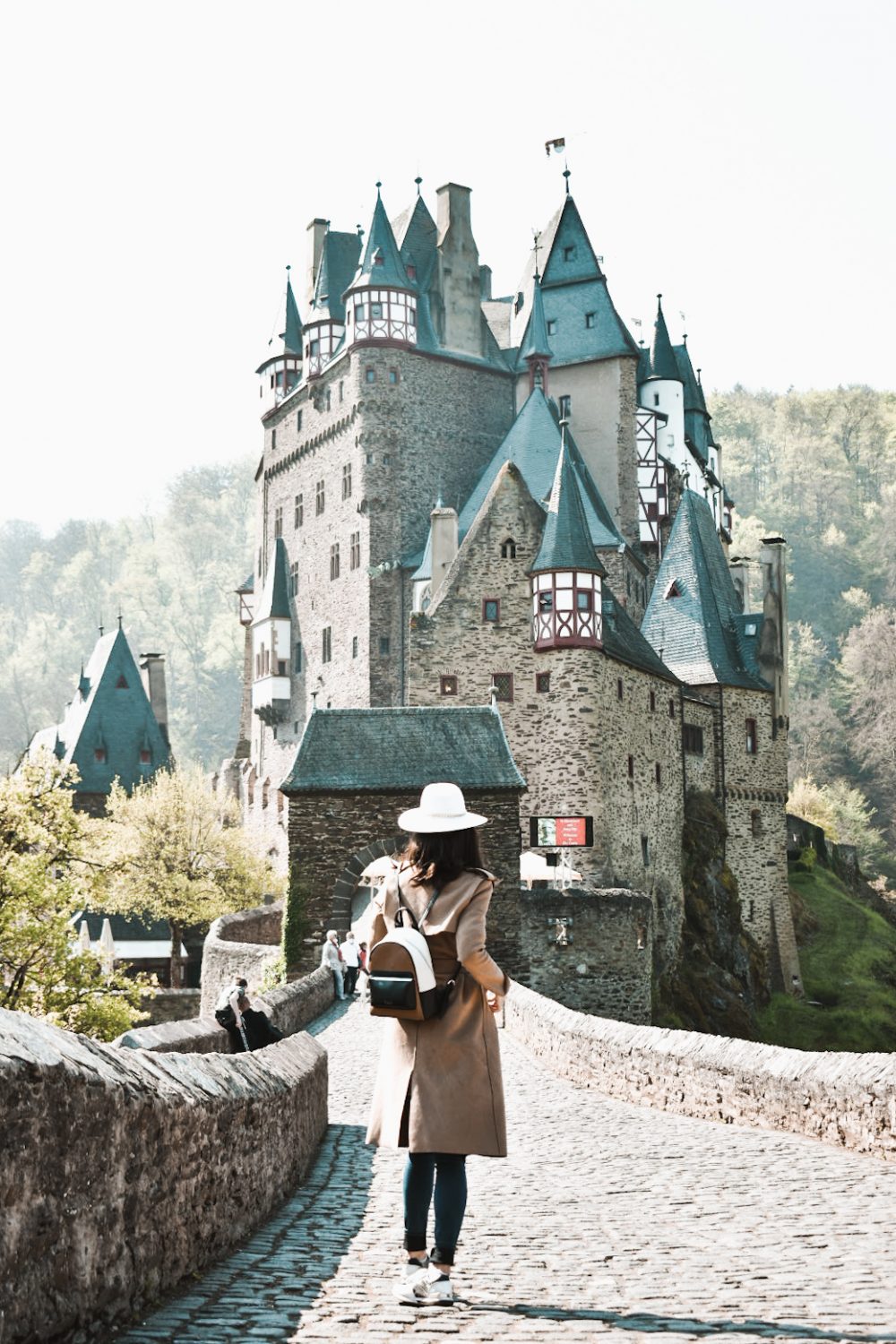
Timing is everything when deciding whether to prioritize the interior of Neuschwanstein Castle or its surrounding viewpoints. Morning slots inside often feel less rushed, with smaller groups moving through King Ludwig II’s ornate chambers and Gothic-inspired halls. However, the strict guided tours limit photography and last about 30 minutes, making them more suited for visitors drawn to history and design details. Outside, the castle’s beauty evolves throughout the day depending on light and weather conditions. Early mornings provide solitude and soft illumination across the limestone walls, while afternoons bring strong contrasts highlighting turrets against the Alps. Sunset hours cast golden tones, making exterior photography particularly rewarding. Many visitors find the most balanced approach is touring the interior in the morning, then dedicating the afternoon and evening to exploring outdoor overlooks such as Marienbrücke or St. Coloman’s fields. This strategy maximizes both cultural depth and scenic appreciation. Seasonality also plays a role—winter favors interiors due to cold, while summer rewards longer outdoor exploration. Planning around these rhythms ensures travelers experience both aspects of Neuschwanstein’s allure without feeling rushed.
“Behind the Bridge” Paths & Lesser-Known Trails
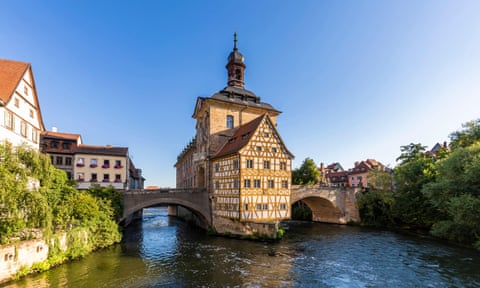
Hidden trails behind Marienbrücke reward those willing to wander beyond the well-trodden viewpoint. These narrow forest paths wind upward, gradually revealing higher vantage points that frame Neuschwanstein against vast alpine backdrops. Few tourists explore these routes, making them excellent for quiet reflection and unobstructed photography. The terrain can be uneven, particularly after rainfall, so sturdy footwear is necessary. Signage is minimal, yet well-worn tracks lead to small clearings perfect for tripod setups. From these angles, the castle appears more integrated with its natural setting, emphasizing how Ludwig II envisioned a romantic retreat suspended between mountain and sky. Morning hours provide solitude and soft shadows across the valley, while late afternoon highlights castle contours against glowing peaks. Seasonal variation changes the experience dramatically—lush greens in summer, colorful foliage in autumn, and snow-framed turrets in winter. Because these trails lie outside the main tourist flow, visitors often describe them as hidden gems offering authenticity beyond the crowded bridge. Anyone seeking unique photographs or quieter moments will find these paths an invaluable addition to their itinerary.
Balancing Hohenschwangau + Neuschwanstein in One Day

Fitting both Neuschwanstein and Hohenschwangau into a single day requires thoughtful planning. The castles sit close together in Schwangau, yet each offers a distinct narrative. Hohenschwangau, where Ludwig II spent much of his youth, provides insights into the inspirations that shaped Neuschwanstein’s creation. Tours typically last 45 minutes, slightly longer than those at Neuschwanstein. To maximize efficiency, begin with Hohenschwangau in the morning when crowds are lighter, then transition to Neuschwanstein for an afternoon slot. The walk between the castles takes about 20 minutes, though shuttle buses operate for convenience. Visitors should allow buffer time for queues, especially during peak summer months, as ticket timings are strictly enforced. Many travelers appreciate how experiencing both sites together creates a fuller picture of Bavarian royal history. Photographers will enjoy contrasting architectural styles—Hohenschwangau’s understated Neo-Gothic interiors compared with Neuschwanstein’s extravagant romanticism. Packing snacks and water is wise, as food options near the ticket center can become crowded. This balanced approach provides depth, allowing a journey that goes beyond photography into understanding Ludwig’s vision, his upbringing, and the legacy these castles still hold today.
Restrictions: Tickets, No-Photo Rules & Peak Days
:max_bytes(150000):strip_icc():format(webp)/24-tour-neuschwanstein-castle-NEUSCHWANSTEIN0417-3f361b0c17714ad3a40e7e1a356a4369.jpg)
Neuschwanstein Castle operates under strict visitor regulations that every traveler should understand. Tickets must be purchased in advance, with timed entry slots preventing overcrowding inside the castle. Day-of tickets are rare during high season, and failing to arrive on time usually forfeits access. Photography inside is prohibited, a rule enforced to preserve artwork and maintain smooth tour flow. This restriction can surprise first-time visitors expecting to capture interiors, so preparing mentally ensures disappointment is avoided. Peak days, especially summer weekends and public holidays, bring immense crowds, with tours selling out weeks ahead. During these times, shuttle queues grow long, and Marienbrücke becomes congested. Traveling in spring or autumn shoulder seasons often reduces these issues. For those committed to visiting in summer, booking early morning or late afternoon tickets helps minimize stress. Carrying identification and allowing time for ticket pickup at the central office near Hohenschwangau are essential logistics. Understanding these restrictions not only avoids frustration but also ensures visitors fully enjoy the experience. Proper preparation makes the difference between a rushed, crowded day and a smooth, memorable journey through one of Bavaria’s most treasured landmarks.
Golden Hour & Sunset / Sunrise Photo Magic

Few experiences rival watching Neuschwanstein Castle glow under golden-hour light. At sunrise, the castle gradually emerges from mist, bathed in soft pink and orange hues that accentuate its fairytale towers. Photographers often position themselves at Marienbrücke or nearby overlooks for morning shots, capturing the transition from shadow to brilliance. Sunset provides an entirely different atmosphere: the limestone walls shift into warm tones, while surrounding mountains cast dramatic silhouettes. From St. Coloman’s fields, twilight light spreads across meadows, creating pastoral scenes unmatched during midday. Golden hour also benefits interior courtyards, where shadows dance across staircases and arched windows. Seasonal changes affect timing—summer offers long golden evenings, while winter compresses light into shorter but more dramatic bursts. For visitors not carrying professional equipment, even phone cameras benefit from these natural conditions. Crowds thin during early sunrise and after late sunset, giving photographers more space to work uninterrupted. Whether capturing a wide-angle valley panorama or close-up details of turrets, golden hour remains the ultimate window for magical photography. Planning around these times guarantees unforgettable images and emotional resonance.
Weather Variability & Fog Effects
Credits: https://www.shutterstock.com/video/clip-3524596781-beautiful-aerial-shot-neuschwanstein-castle-surrounded-by
Bavarian weather around Neuschwanstein is famously unpredictable, shaping how the castle appears from one hour to the next. Clear skies showcase crisp architectural lines, while passing clouds add drama by casting shifting shadows across towers. Fog often blankets the valley in early mornings, leaving only the castle’s upper turrets visible, creating an ethereal floating effect that attracts photographers worldwide. Rain can obscure views, yet post-rain conditions frequently reward visitors with luminous skies and saturated forest colors. Snow transforms the landscape into a winter wonderland, enhancing the fairytale image. Travelers should always check forecasts but remain flexible, as local microclimates change rapidly. Carrying waterproof layers and protective gear for cameras helps prevent frustration during sudden shifts. Many travelers find that embracing fog or mist results in more unique photographs than waiting for perfect blue skies. The castle’s relationship with weather underscores Ludwig II’s vision of a romantic retreat integrated with nature. By preparing for variability, visitors not only adapt smoothly but also witness Neuschwanstein in moods few others see, ensuring their journey feels distinctive and rewarding.
What to Pack & Prep for Hiking + Viewpoints
Comfortable exploration of Neuschwanstein’s viewpoints requires smart preparation. Supportive walking shoes are essential since the uphill approach and side trails can become slippery, especially after rain or snow. Weatherproof layers, including a light jacket in summer or insulated gear in winter, help manage Bavaria’s rapid weather changes. A refillable water bottle and light snacks are useful, particularly if planning to hike beyond Marienbrücke into lesser-known trails. Photographers benefit from bringing tripods, wide-angle lenses, and spare batteries, as cold weather drains power quickly. Sunglasses and sunscreen are recommended in warmer months, with the high-altitude sun often harsher than expected. Those visiting in winter should consider microspikes for icy paths and warm gloves that allow camera handling. Carrying tickets, identification, and some cash simplifies logistics since not all small vendors accept cards. A small backpack keeps gear organized while leaving hands free for climbing and balance. Finally, planning with maps or navigation apps ensures confidence when venturing onto lesser-marked routes. Visitors who pack thoughtfully not only stay comfortable but also maximize their ability to enjoy diverse perspectives—from iconic bridge shots to remote overlooks—without unnecessary interruptions during their Bavarian adventure.