
Jagged peaks rising from emerald fjords, red fisherman cabins perched over icy waters, and skies that shift from midnight sun to northern lights—few places stir the soul like Norway’s Lofoten Islands. This remote Arctic archipelago delivers raw beauty with a rare sense of serenity. While its dramatic landscapes draw photographers and adventurers, it’s the quiet rhythm of local life, from cod fishing to kayaking, that leaves a lasting impression. With its unique blend of nature, culture, and untouched charm, this guide covers everything essential to planning a meaningful escape to one of Europe’s most breathtaking and unforgettable northern destinations.
Seaweed & Arctic Foraging Picnic

Along the windswept coastlines of Lofoten, local guides lead travelers on a sensory-rich forage unlike any typical picnic. Kelp-strewn shores reveal wild edible treasures—sugar kelp, bladderwrack, and dulse—each packed with oceanic minerals and unmistakable Arctic freshness. Once gathered, the harvest transforms into a seaside tasting ritual: lightly steamed seaweed wraps, reindeer jerky accents, and pickled root vegetables, all paired with wild blueberry tea or aquavit shots. This hyper-local experience not only introduces unfamiliar Nordic flavors but also fosters a deep connection with the land and sea. Learning how indigenous Sami and coastal Norwegians sustained themselves from these elements brings ecological context to every bite. The salty breeze, sound of lapping waves, and panoramic views of snow-dusted peaks turn a simple meal into a meditative practice in Arctic minimalism. For those seeking a sustainable travel experience in Lofoten, this picnic is more than a novelty—it’s a lesson in eating with the seasons, respecting marine ecosystems, and savoring the silence of nature’s pantry. Eco-conscious explorers and culinary adventurers alike will find this a rare moment to disconnect from the modern rush and reconnect with Earth’s northernmost table.
Hidden Street‑Art Quest
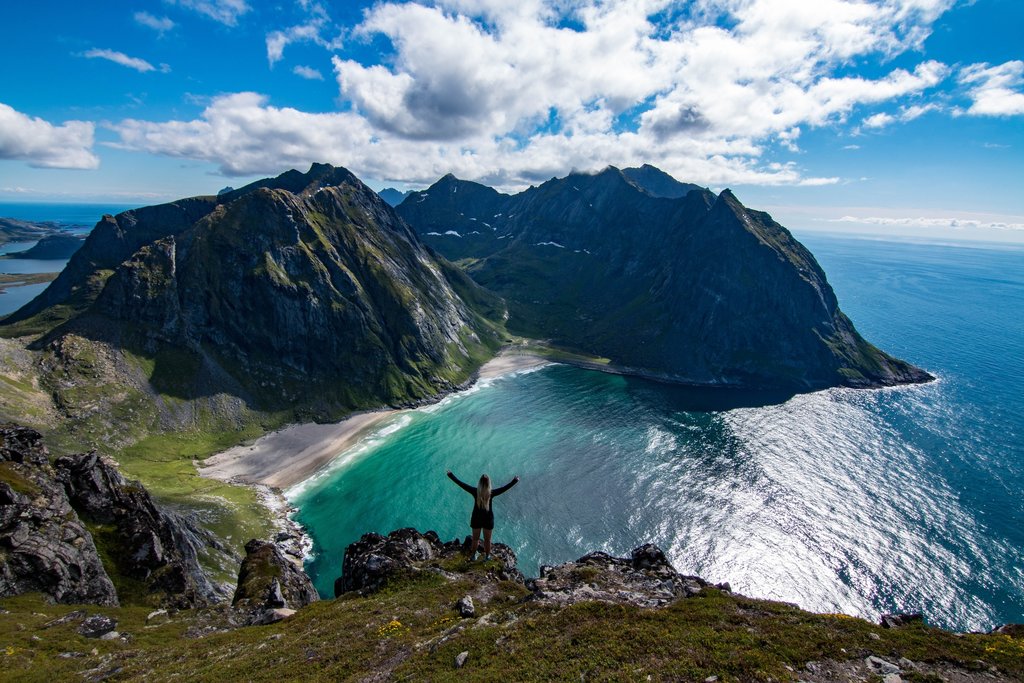
Tucked away behind boathouses and craggy fishing huts, Lofoten’s underground street-art scene defies expectations. What began as anonymous tags on warehouse walls has grown into a discreet but impactful cultural movement. Local and international artists, including those from Arctic graffiti collectives, now leave vivid murals that reflect the region’s pressing environmental and cultural stories. Think codfish skeletons erupting into wildflowers, polar bears with melting-glacier wings, and Viking helmets transformed into refugee boats—all painted onto forgotten corners of Svolvær and Henningsvær. Each mural comes with coordinates, QR clues, or riddles shared via community-run apps, turning every alleyway into part of a scavenger hunt. Exploring these visuals means stepping beyond Lofoten’s polished landscapes and into a rawer, more expressive narrative. Travelers will uncover not just art but commentary on identity, tourism’s impact, and the push-pull between preservation and progress. Those with a camera in hand and curiosity in mind can chart a one-of-a-kind itinerary through Lofoten’s quieter backstreets. This visual treasure hunt rewards the observant and honors creativity born from solitude, making it a standout activity for cultural travelers looking to go beyond the brochure.
Planet Lofoten Solar System Hike

What starts as a coastal trail unfolds into a scaled model of our solar system, hand-built by a science-loving local with support from nearby schools. Each planet—represented by natural stones, recycled metals, and driftwood sculptures—sits at proportional distances from a central “sun” beacon perched near the village start point. As hikers venture deeper along cliffs and marshlands, the time between planetary markers expands, echoing the vastness of space itself. At Saturn’s weathered steel rings, the Arctic wind whistles like cosmic static. Neptune, perched on a fjord overlook, often reflects auroral light after dusk. More than a trail, this experience blends astrophysics, natural science, and artistic whimsy into one hikeable installation. Alongside planetary facts etched into small driftwood plaques, hikers are reminded of Earth’s delicate balance—especially in the fragile Arctic. Parents often use the hike as an open-air astronomy class for kids; photographers love how each “planet” frames Lofoten’s surreal sky. Ideal for both educational enrichment and mindful wandering, the solar system hike redefines outdoor interpretation. It’s not just about stars and orbits—it’s about understanding our scale and responsibility within the universe, all set against one of the planet’s most hauntingly beautiful backdrops.
Whirlpool Watching from Above

Near the tiny islet of Mosken, between the southern tips of Lofoten and Værøy, nature performs a turbulent ballet known as the Moskenesstraumen. This rare tidal whirlpool is best viewed not from a boat—but from the safety of the cliffs above. From a high vantage point near Lofotodden National Park, onlookers can spot the spiraling vortexes as Arctic currents clash below. On particularly strong tide days, the sea appears to churn like boiling water—its energy both mesmerizing and humbling. While the myths of ships being pulled under are exaggerated, the raw force is no less dramatic. Local guides often combine the viewpoint with storytelling, sharing Viking legends and sailor superstitions about the area’s “sea demons.” For photographers and nature observers, this elevated angle offers clearer, safer views and uninterrupted shots of the eddying water. Birdwatchers may even catch sea eagles circling above the foam, hunting for fish confused by the turbulence. This moment of stillness, looking down at the chaotic sea from the tranquility of Lofoten’s ridges, reinforces just how alive and wild Norway’s Arctic coast remains. It’s a reminder that power and beauty often coexist in the most remote corners of the world.
Arctic Football Pitch Snap

Set against granite cliffs and surrounded by endless sea, the Henningsvær football field might be the world’s most dramatic pitch. Used by local youth and amateur leagues, this turf field sits on a tiny rocky outcrop connected by narrow causeways. There’s no stadium, no stands—only crashing waves on all sides and a backdrop of jagged peaks rising from the fjord. When viewed from above, especially by drone, the contrast is surreal: vibrant green against steely blue and snow-capped gray. Even casual travelers stop to snap this visual marvel, but those arriving during a weekend game can witness how sport persists even in extreme geographies. Kids laugh, goals are cheered, and life unfolds on this island patch like anywhere else—just framed by one of nature’s most cinematic sets. Many visitors use this site as both a photo destination and a chance to interact with the local community. It’s proof that human joy and recreation can flourish in even the harshest environments, and that Lofoten’s culture goes far beyond just landscapes. Whether you’re chasing Instagram gold or seeking authentic northern living, this field offers a perfect blend of visual awe and grounded reality.
Midnight Sun Surf + Kanelbolle

Wetsuits zipped and boards waxed, surfers paddle out into Arctic waves long after midnight, thanks to Lofoten’s surreal summer phenomenon—the midnight sun. Uninterrupted daylight turns Unstad Beach into a 24-hour surf zone where golden rays shimmer on frigid swells. The icy water, surprisingly manageable in thick neoprene, is part of the thrill. After a session in these glow-lit rollers, most surfers gather by bonfires on the sand, clutching warm cinnamon kanelboller from a nearby surf café that doubles as a bakery. The spicy-sweet pastries, baked fresh through the night, pair perfectly with mugs of dark roast or seaweed cocoa. It’s more than a surf break; it’s a celebration of Arctic rhythm, adrenaline, and comfort food. The contrast—cold water, warm buns, and endless sun—captures Lofoten’s unique tempo. Visitors don’t need to be expert riders to join; beginner lessons and gear rentals are available right on-site. What truly matters is being part of this sun-kissed subculture where locals and travelers bond over shared waves and sugary rewards. Few places on Earth allow you to surf at 2 AM under full daylight and then toast the experience with freshly baked Nordic comfort. Here, time blurs—but memory sharpens.
“Ghost Village” Rorbuer Stay

Along a mist-cloaked inlet lies an abandoned fishing village now quietly repurposed into one of Lofoten’s most atmospheric stays. These weather-beaten rorbuer—traditional red fishermen’s cabins—once housed cod haulers and net menders, now offer shelter to travelers seeking solitude with soul. No resort polish here. Cracked beams, rusted hinges, and original fish-sorting tables remain as relics of a bygone era. By night, sea fog rolls in across the blackened water, and the distant sound of seabirds echoes like whispers through time. Inside, cabins are gently updated with wool blankets, cast-iron stoves, and journals filled with past guest stories. This raw authenticity invites reflection. Stargazing from rickety docks, morning hikes past crumbling salt sheds, or quiet coffees with only the Arctic wind for company—each moment connects visitors with the ghosts of coastal labor. It’s not spooky—it’s sacred. Guides occasionally offer oral histories about who lived here, why they left, and how seasonal migration shaped the region. For travelers craving unplugged immersion rather than curated tourism, staying in a ghost village is a bold nod to Lofoten’s roots. It’s history you don’t just read—you live, breathe, and sleep in it.
Interactive Viking Epic Re‑enactment
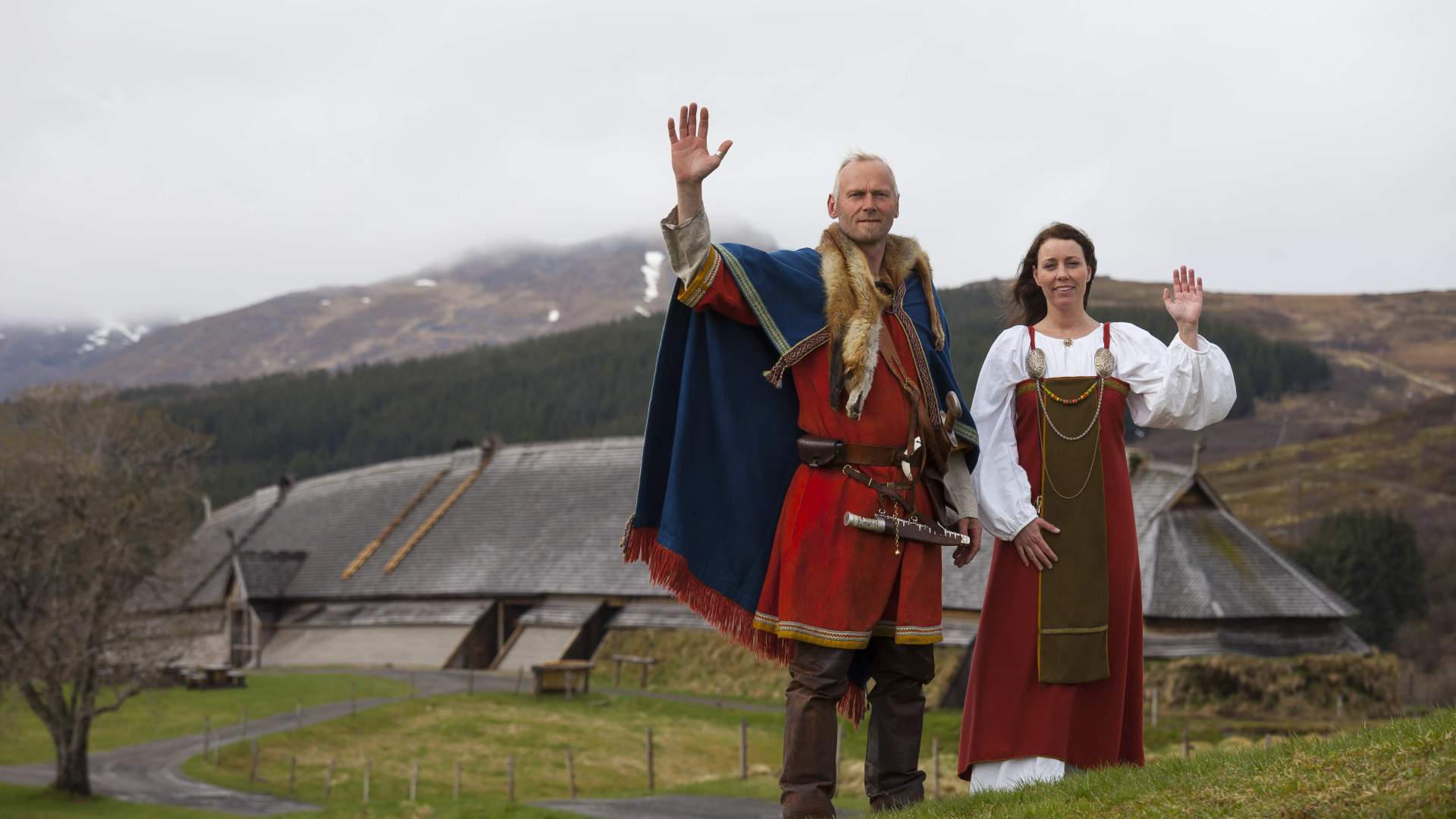
Shield walls clatter, battle cries echo, and the scent of woodsmoke fills the fjord-side air as visitors step into a living Norse saga. Lofoten’s Viking reenactment village doesn’t merely perform history—it hands it over. Guests don hand-woven tunics, grip blunt axes, and train in staged raids alongside professional roleplayers and historians. Whether rowing a longship replica, forging iron jewelry, or preparing flatbread over open flames, every action recreates daily life from 1,000 years ago. Stories of Leif Erikson, sea gods, and ancient rituals are told not in museums—but through roleplay that bridges myth and memory. Children join mock battles with foam swords; adults learn Viking law codes in a longhouse courtroom. The reenactment spans more than entertainment—it’s immersive education, sensory culture, and time travel woven into one. Archaeological artifacts on display aren’t roped off but passed hand-to-hand as warriors explain their use. Evenings may culminate in feasts with mead, roasted lamb, and Norse music beneath firelit canopies. Visitors leave not just with snapshots, but with soot on their sleeves and legends under their skin. This hands-on epic connects modern curiosity to ancient resilience, proving the Viking spirit endures beyond sagas.
Stockfish Curing Workshop

Rows of fish heads hang in eerie unison beneath open skies, stiffening in the salty Arctic wind. This is not art—it’s tradition. In Lofoten, stockfish isn’t just a product—it’s heritage suspended on wooden racks called hjell. During a hands-on curing workshop in the fishing village of Å or Reine, visitors help local fishers prepare cod for the age-old drying process that has sustained northern Norway’s economy for centuries. From gutting and salting to tying in pairs for open-air dehydration, every step is explained with reverence. The simplicity of the method—no smoke, no preservatives—relies entirely on clean air, stable temperature, and careful timing. While the process dates back to Viking times, modern sustainability tips are integrated, emphasizing responsible fishing quotas and eco-certifications. Alongside drying racks, guests sample stockfish dishes from traditional stew to dried cod jerky, learning how flavor develops over months. The scent is pungent, but the legacy runs deep. This workshop invites travelers to rethink preservation—not just of food, but of culture. More than a culinary detour, it’s a tactile dive into the grit and pride behind every export stamped “Lofoten.” For those drawn to raw authenticity and generational wisdom, this workshop is a rare privilege.
Floating Sauna Before Fish Dinner

Steam curls skyward as bathers alternate between blistering heat and icy fjord plunges, eyes fixed on the surrounding peaks glowing pink in Arctic twilight. Floating saunas, moored just offshore in places like Nusfjord and Ballstad, offer travelers a restorative ritual rooted in Nordic wellness. Unlike landlocked cabins, these buoyant retreats sway gently with the tide, enhancing the trance-like rhythm of breath and body. After rounds of intense sweat and sea-dunking, guests dry off and head to a nearby dockside tavern where fresh-caught Arctic char or grilled cod await. The transition from sauna to seafood feels elemental—like stepping from purification into nourishment. Meals are often communal, served around fire pits with buttery potatoes, pickled beets, and seaweed-butter bread. Locals share fishing tales; visitors savor a sense of earned indulgence. This isn’t spa luxury—it’s primal balance in perfect harmony. The experience is especially magical in winter, when northern lights dance above the steamy rooftop. For wellness seekers, foodies, and cold-plunge enthusiasts, pairing a floating sauna with a sea-to-table feast is Lofoten’s signature combination of thermal contrast and culinary warmth—one that leaves the body tingling and the spirit grounded.
Sunlit Mountain‑Side Yoga

Perched high on a grassy plateau overlooking the Vestfjord, yoga sessions here align movement with the Arctic sun. Morning light slants across jagged peaks and glacial lakes as participants settle onto mats surrounded by rock, moss, and crisp alpine air. Local instructors, often trained in both Vinyasa and Arctic mindfulness techniques, guide breathwork that echoes the rhythm of waves below. There’s no studio—just silence, the occasional call of a seabird, and a sky that feels infinitely close. Each session emphasizes grounding, particularly helpful after days of travel. Poses draw inspiration from Nordic elements: “fjord fold,” “tundra twist,” or “sun-wheel salutation.” Those staying in eco-lodges nearby often make this daily practice, followed by foraged tea from wild herbs brewed on a cliffside kettle. While flexible skill levels are welcome, the real focus lies in sensory presence and geographical connection. It’s not about the perfect stretch—it’s about absorbing the energy of Lofoten’s towering calm. For wellness-focused travelers or anyone needing a reset, mountaintop yoga under the Arctic sky offers clarity far beyond fitness. In this untouched corner of Norway, inner peace doesn’t have to be sought—it’s gently offered by the land itself.
Nordic Light Painting

When darkness returns to Lofoten after the endless sun, the night becomes a fresh canvas. Local artists and photographers gather near rocky beaches and wide fjord flats to engage in Nordic light painting—a technique where handheld lights or sparklers are used to “paint” across long-exposure photographs. These creations range from glowing runes and Viking motifs to ethereal swirls resembling northern lights. Participants are invited to join, equipped with LED tools and guided on how to choreograph their movements with timing and color. Some locations even use bioluminescent tools or incorporate fire dancers, creating vibrant contrasts against the muted Arctic landscape. These sessions offer more than visual spectacle—they introduce travelers to the intersection of art, science, and Nordic storytelling. Long exposures allow photographers to capture both the subject and the surrounding drama: jagged mountains, starlit skies, or moonlit waves. Workshops often include a discussion on the physics of light and stories behind each design, merging ancient myths with modern techniques. It’s perfect for couples, families, or solo creatives who want to leave Lofoten not just with memories, but with glowing portraits of their movement through Arctic space—art made in the moment, shaped by the wild.
Fisherman’s Dawn Boat Trip

Long before tourists rise, local fishers steer wooden boats through quiet waters still wrapped in morning mist. Joining them means stepping into the rhythm of Lofoten life as it has been for generations. Visitors meet their hosts at modest harbors in places like Sørvågen or Kabelvåg, don bright waterproofs, and push off just as the horizon blushes pink. The air is crisp, the sea reflective, and silence is broken only by seabirds and the hum of the motor. These are not tourist cruises—they’re working trips. Guests help check lines, haul cod, and even gut fish if they choose. In return, they’re offered stories—of storms weathered, whales spotted, and rituals passed down over salted decks. Back on land, the morning ends with coffee brewed in tin kettles and a fresh seafood breakfast, often cooked right on the dock. It’s a sunrise many describe as spiritual: not just for the colors, but for the intimacy with daily Arctic resilience. More than a scenic outing, this boat trip offers insight into the roots of a fishing culture still alive and proud. It’s experiential travel at its most honest—raw, rewarding, and real.
Micromapping Instagram Guides

Forget glossy brochures—today’s Lofoten explorers rely on grassroots digital maps shared through niche Instagram accounts. These micromaps feature hyper-specific spots marked by locals and seasoned photographers: hidden rock pools with mirror reflections, abandoned fish huts perfect for framing shots, or lesser-known hikes ending in surreal fjord views. Each post comes with geotags, insider tips (like best light hours), and minimalist map layouts pinned in Stories or Highlights. Travelers use these as real-time treasure maps, screenshotting routes before heading into signal-scarce zones. Some creators specialize in drone perspectives, while others focus on flora trails, “sea smoke” mornings, or street art clusters. The appeal lies in personalization—there’s a sense of secret knowledge, of places you won’t find in guidebooks. For digital-savvy adventurers or those chasing the perfect Arctic snap, these Instagram-based guides are a revelation. They’re lightweight, user-generated, and updated often, blending aesthetic direction with field-tested experience. And while they fuel discovery, they also encourage respectful travel, with many pages promoting “leave no trace” ethics. In a destination already flooded with beauty, micromapping turns Lofoten into a choose-your-own-journey—curated, precise, and wildly photogenic.
Kayak & Kayak Lens Viewdots

Gliding silently between sharp cliffs and translucent kelp beds, kayakers gain a perspective of Lofoten that land-bound visitors simply miss. Whether paddling from Reinefjord’s mirror-like waters or along the rocky arms of Austvågøya, the experience is cinematic—and increasingly documented with mounted “kayak lenses.” These waterproof action cameras, attached to bow or helmet, capture sweeping 360-degree footage and timestamped highlights called viewdots. These viewdots mark specific phenomena: seals sunbathing on outcrops, underwater kelp gardens visible in Arctic-clear waters, or the perfect reflection of sky in still tidepools. Outfitters often offer rentals with preloaded GoPros or custom lens setups, allowing visitors to replay or share their exact paddle route afterward. For those less interested in documentation, the route itself remains profound. Each stroke carries you deeper into quiet that feels untouched—just sea, sky, and the occasional puffin dive. Guides share local lore as you pass abandoned rorbuer or Viking harbor markers, creating a blend of sport and story. With or without a mounted camera, kayaking here is about moving at nature’s pace and seeing through new eyes—literally and figuratively.
Aurora Forecast Badge

When night falls and skies clear, Lofoten becomes one of Earth’s most sought-after front-row seats to the aurora borealis. But spotting the lights isn’t luck—it’s strategy. Enter the Aurora Forecast Badge, a real-time microtraining experience offered by local astronomy centers and eco-lodges. Visitors attend a short session learning how to read KP-index predictions, cloud movement models, and local wind conditions. Once they’ve grasped the essentials, participants earn a digital “badge” that includes access to real-time aurora alerts via satellite-linked apps. These tools guide travelers to high-visibility zones—clifftop shelters, frost-hardened beaches, or cabin rooftops far from light pollution. The badge doesn’t just offer direction; it turns guests into self-reliant sky chasers. Those who opt in also receive a small infrared flashlight, a local sky map annotated with cultural aurora myths, and tips on night photography using smartphones. While some nights remain elusive, others explode into green, purple, and pink arcs that ripple across the heavens. For travelers serious about witnessing the lights without chasing shadows, this badge blends science, empowerment, and experience into one seamless offering. In a region where weather shifts in minutes, knowing where to look makes all the difference.
Coastal Culinary Pop‑Ups

On quiet docks and tucked-away beaches, impromptu culinary events spring to life in Lofoten with no prior signage—just the smell of grilled fish and the hum of a nearby acoustic set. These coastal culinary pop-ups, organized by rotating chefs, fishers, and foragers, are announced hours in advance through local social media and word-of-mouth networks. Menus change with the tide: sea urchin bisque, fire-roasted cod cheeks, smoked seaweed flatbreads, or Arctic herb-infused aquavit. Diners perch on driftwood benches or wool-covered crates under overhead string lights powered by portable solar panels. Stories are shared as ingredients sizzle—how the fish was caught, the fjord it came from, and why kelp needs frost for sweetness. Each pop-up blends performance, tradition, and experimentation, often set to live fiddle music or Nordic jazz. There’s no bill—guests offer donations, swap items, or share local tips. These meals aren’t about formality; they’re about fleeting perfection. The combination of setting, story, and flavor turns each event into a memory few planned—but none forget. For culinary travelers, these gatherings represent the soul of Arctic cuisine: humble, unrepeatable, and deeply rooted in place.